The Beginner’s Guide to Eating Seasonally: A complete guide to the benefits of seasonal eating and how you can get started today
I will never forget the first time I visited a Southwest Michigan vineyard and tasted a grape straight from the vine. I was about 22, and until that moment I hadn’t thought much about where my food came from or whether it was in season. When I popped that perfectly ripe grape into my mouth, I was blown away by the intense sweetness and depth of flavor. It was unlike any grape I’d eaten before, even though I’d eaten grapes my whole life.
Freshly picked food doesn’t just taste better — seasonal eating brings benefits that reach beyond flavor.
Eating seasonally isn’t a fad; it’s a simple idea that has become less common in our globalized food system. Today, consumers can buy most fruits and vegetables year-round thanks to greenhouses and long-distance shipping. That convenience means we rarely question how strawberries appear in stores in February. But if you look past off-season convenience, seasonal eating offers advantages for flavor, nutrition, cost, the environment and local communities — and it’s easier to start than you might think.
What does it mean to eat seasonally?
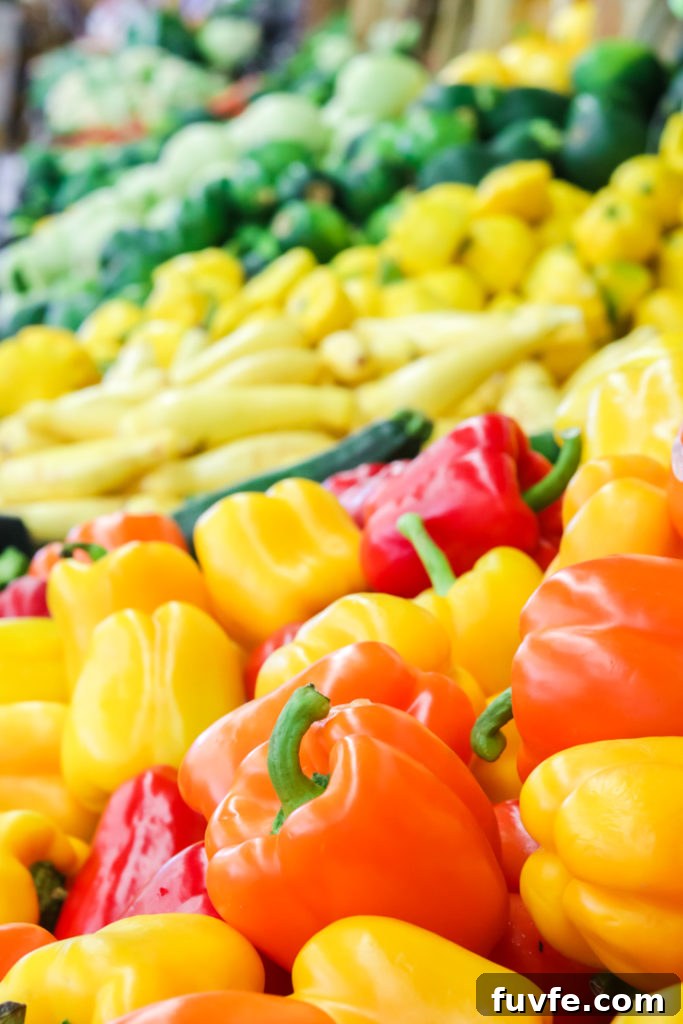
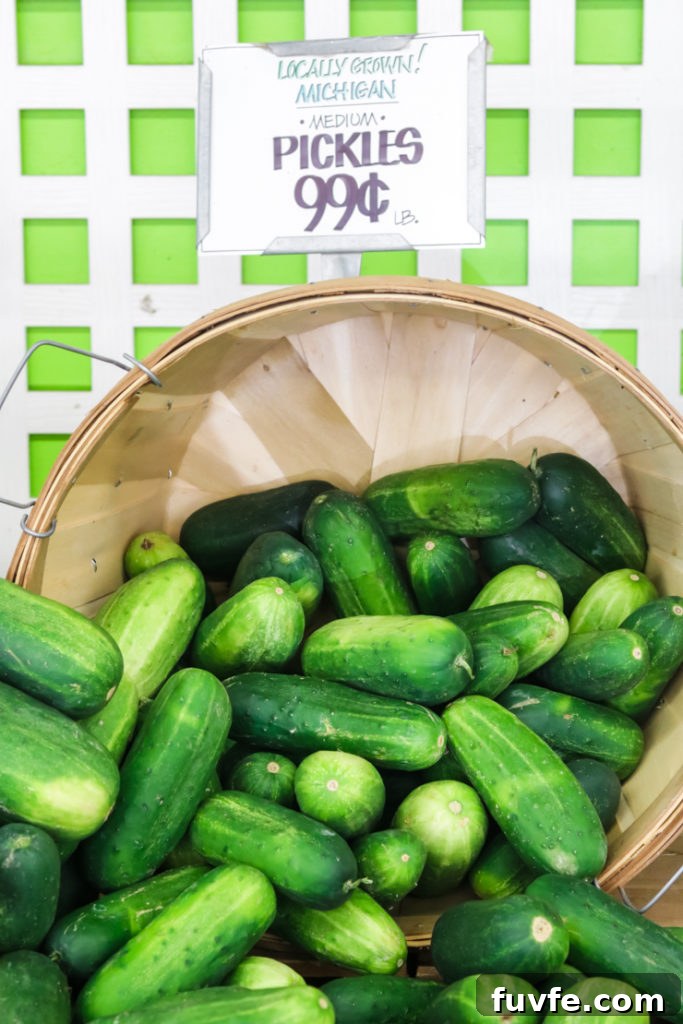
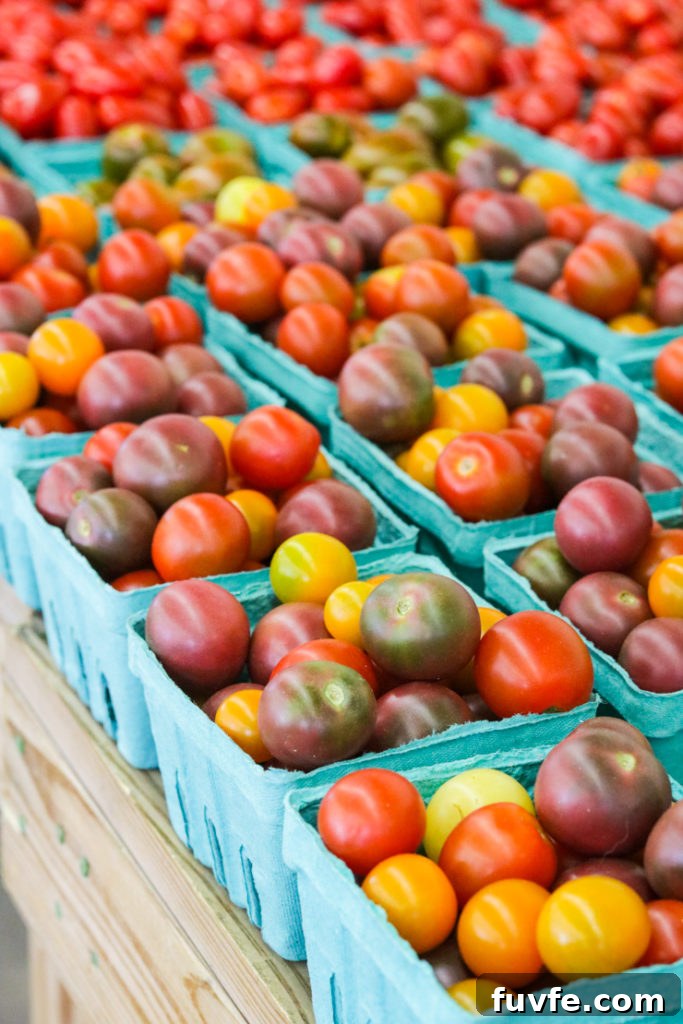
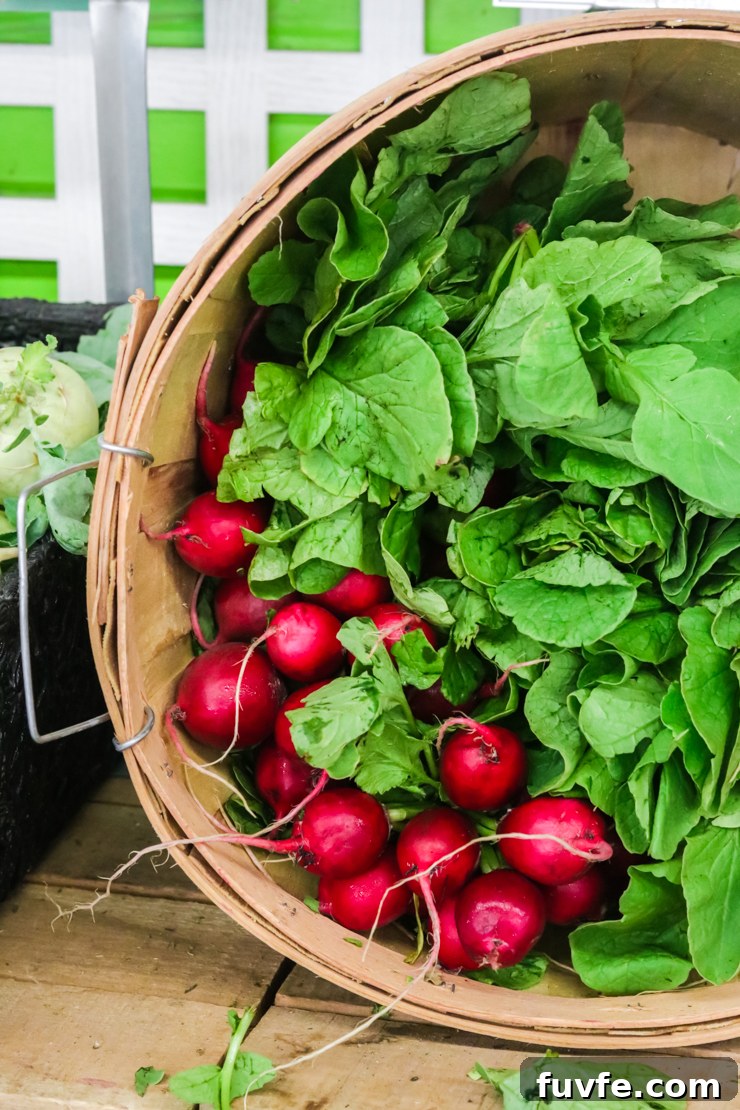
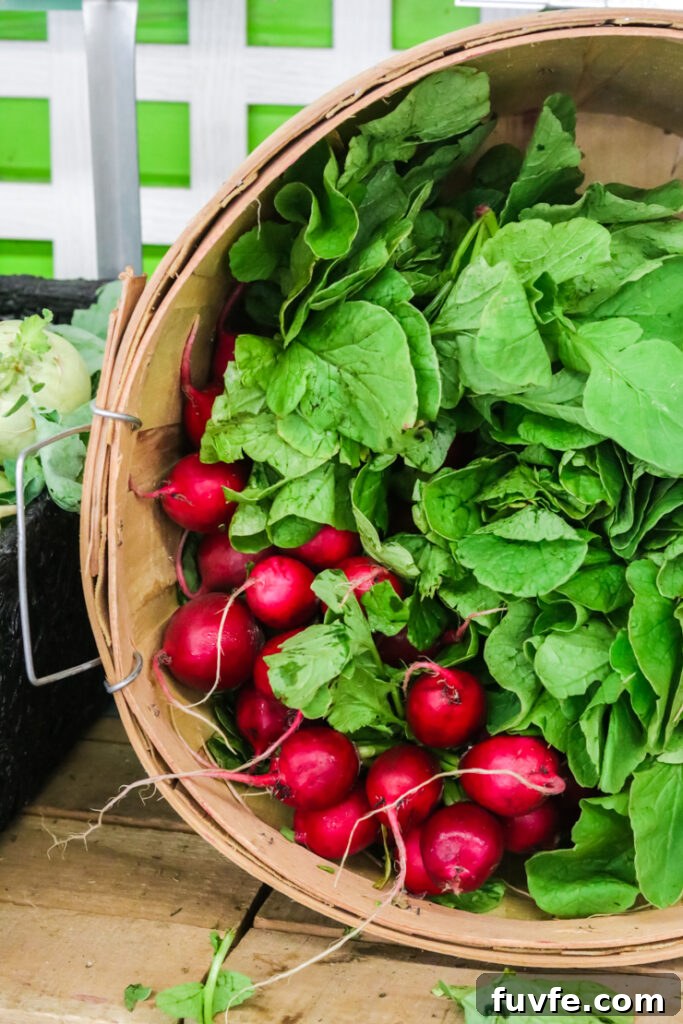
In simple terms, eating seasonally means choosing fruits and vegetables when they are naturally harvested in your region — for example, strawberries in June, cherries in July and carrots in August. Seasonal produce is picked at peak ripeness and sold or prepared soon after harvest.
What are the benefits of eating seasonally?
Seasonal Food
- Tastes better — harvest-ripe produce has fuller flavor, texture and aroma.
- Contains more nutrients — foods allowed to fully ripen on the plant retain higher levels of vitamins and antioxidants.
- Lower prices — when local crops are abundant, supply increases and prices commonly fall.
Eating Seasonally
- Reduces environmental impact — local, seasonal produce typically requires less energy for production and transportation.
- Supports your community — buying locally keeps money in the regional economy and helps sustain small farms and markets.
- Encourages creativity in the kitchen — seasonal variety inspires new recipes and introduces you to different varieties of familiar produce.
Common questions about eating seasonally
-
Why does seasonal food taste better?
- Produce harvested at peak ripeness has optimal sugars, moisture and flavor. Out-of-season produce is often picked early and ripened during transport, which reduces taste and texture quality.
-
Why are seasonal foods more nutrient-dense?
- Fruits and vegetables that fully ripen on the plant develop and retain more vitamins and antioxidants. Extended storage and shipping gradually degrade those nutrients.
-
Why are seasonal foods cheaper?
- When local crops are plentiful, supply meets or exceeds demand, which tends to lower prices. Buying directly from farmers at markets or farmstands often offers the best value.
-
Why is eating seasonally better for the environment?
- Local, seasonal production usually requires less intensive energy inputs and shorter transportation distances. Supporting nearby growers can also encourage more sustainable farming practices.
-
How does seasonal eating support community?
- Purchasing from local farmers builds relationships between consumers and producers, and those dollars often get reinvested into the local economy, helping other businesses and neighbors.
-
How does seasonal eating encourage creativity in the kitchen?
- Focusing on what’s in season broadens your palate and motivates you to experiment with new varieties and recipes. Instead of limiting choices, seasonality invites culinary exploration.

- Focusing on what’s in season broadens your palate and motivates you to experiment with new varieties and recipes. Instead of limiting choices, seasonality invites culinary exploration.
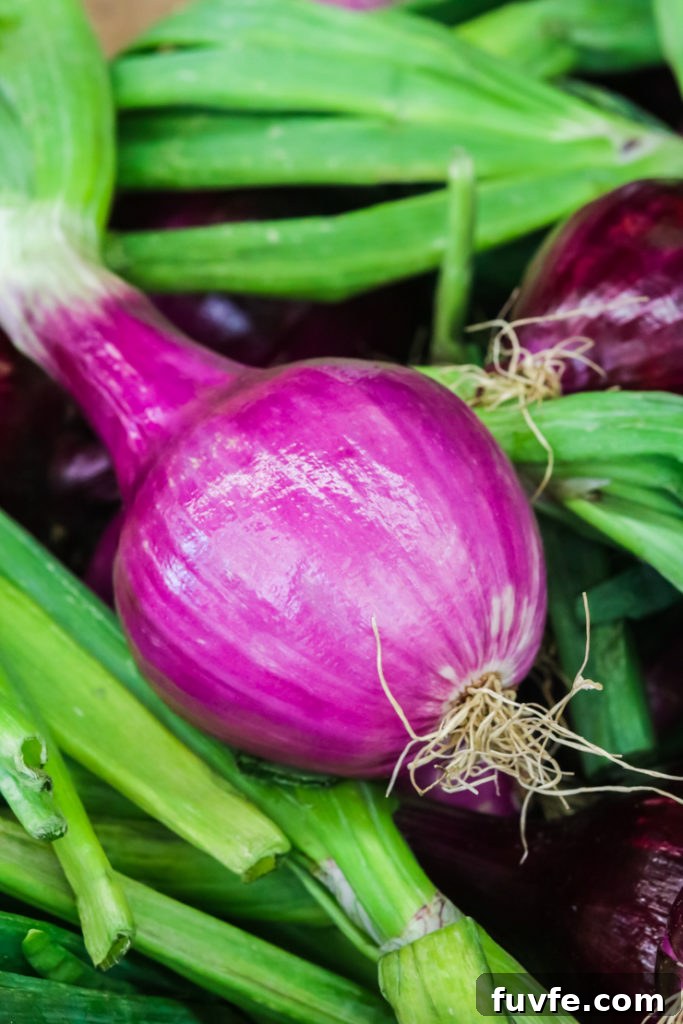
How to get started eating seasonally
- Use a seasonal produce guide: hang a printable chart on your fridge or keep a list on your phone for quick reference.
- Visit local u-pick farms, farmers markets and farmstands to find the freshest, peak-season produce.
- Join community newsletters or follow local food accounts for seasonal recipe ideas and market updates.
- Explore other produce-driven food blogs and cookbooks for inspiration and techniques that highlight seasonal ingredients.
Beginning with small changes — buying one or two items that are in season each week — will quickly show you how much more enjoyable and nourishing seasonal eating can be. Over time you’ll notice improved flavor, variety in your meals and a stronger connection to the people who grow your food.