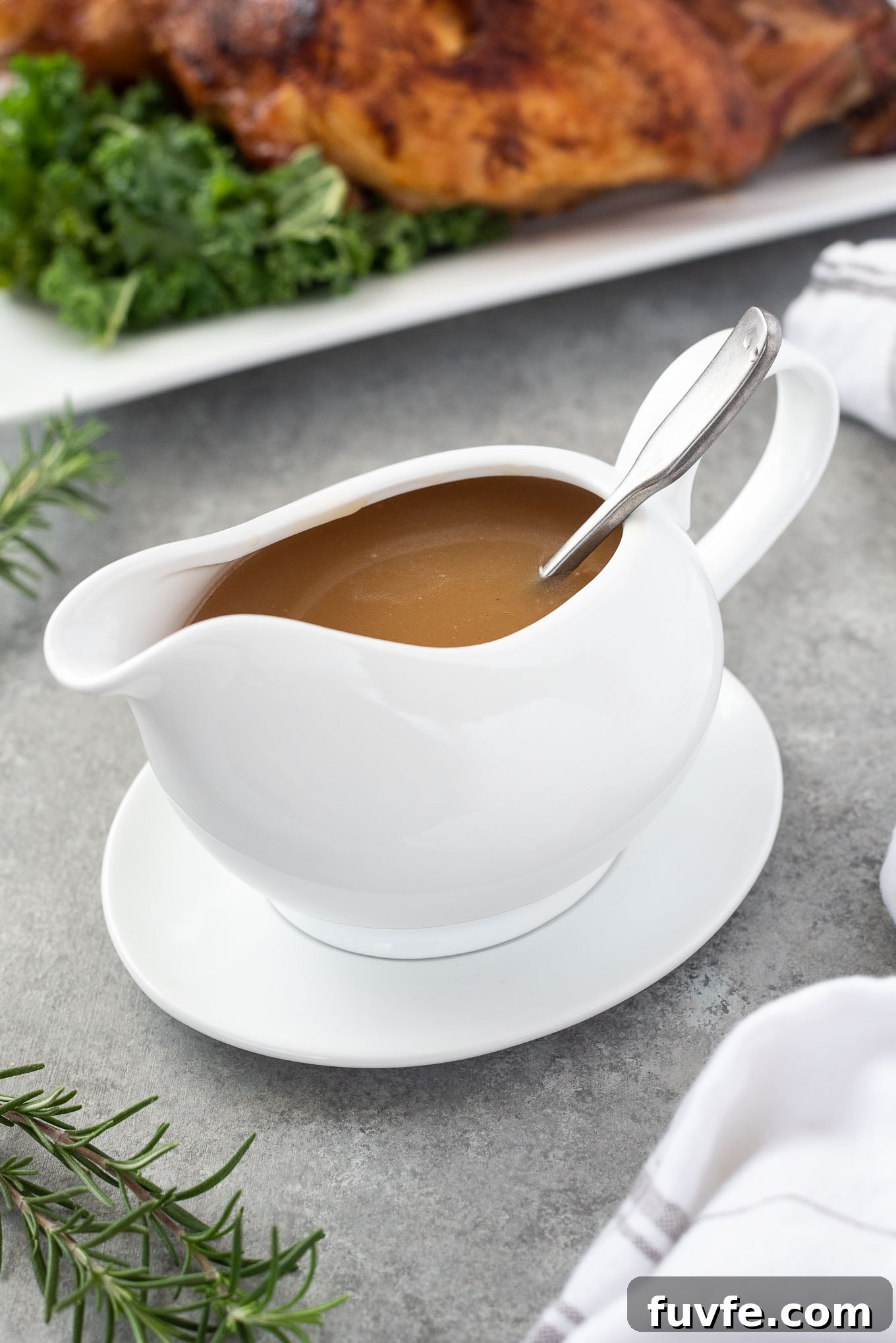
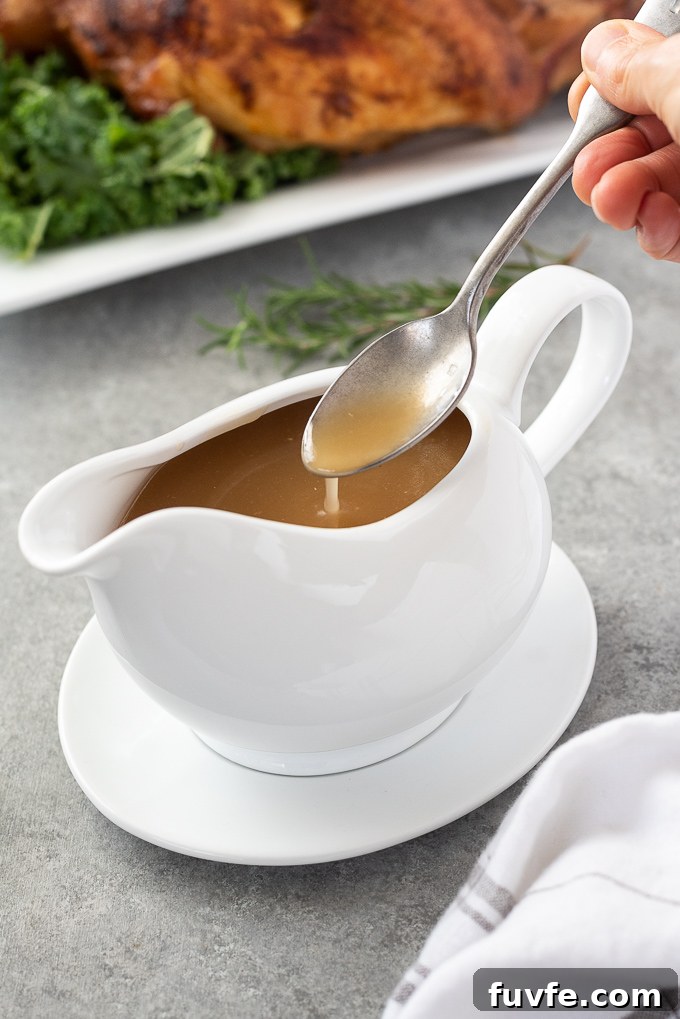
Easy Turkey Gravy Recipe is a practical, step-by-step guide to making rich, silky turkey gravy from pan drippings. This recipe shows how to thicken gravy using cornstarch for a gluten-free option or with flour as a slurry or roux, and includes straightforward make-ahead and reheating tips.
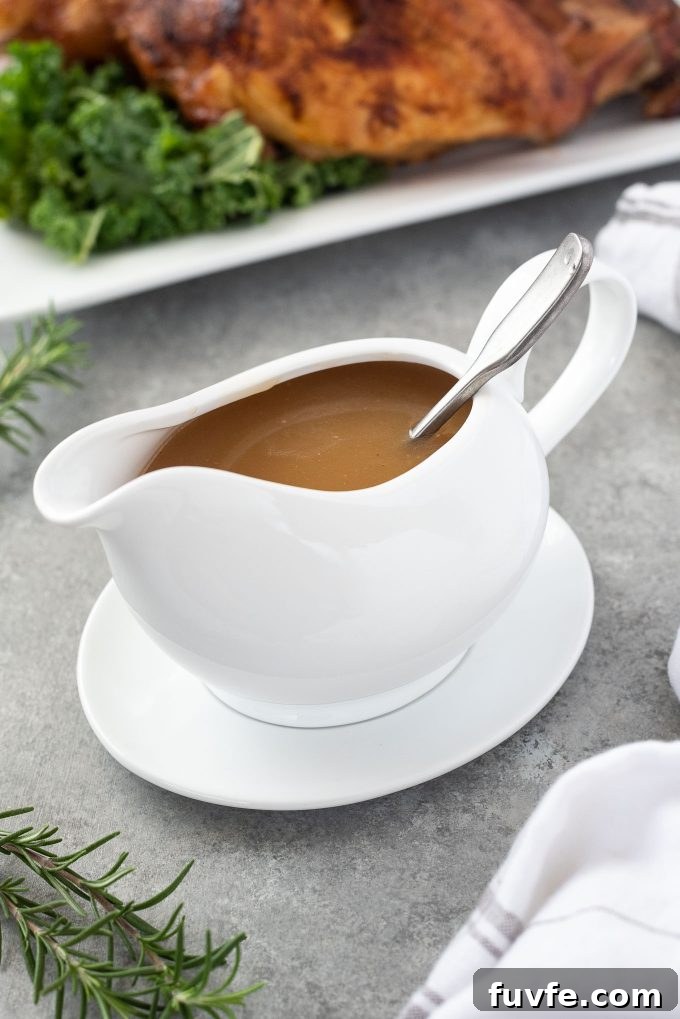
Gravy anxiety is real for many cooks—standing at the stove while everyone waits can be stressful. This easy turkey gravy method eliminates that stress by giving you reliable steps that work whether you need gluten-free gravy, a roux-based version, or a make-ahead option that frees up time on a busy holiday.
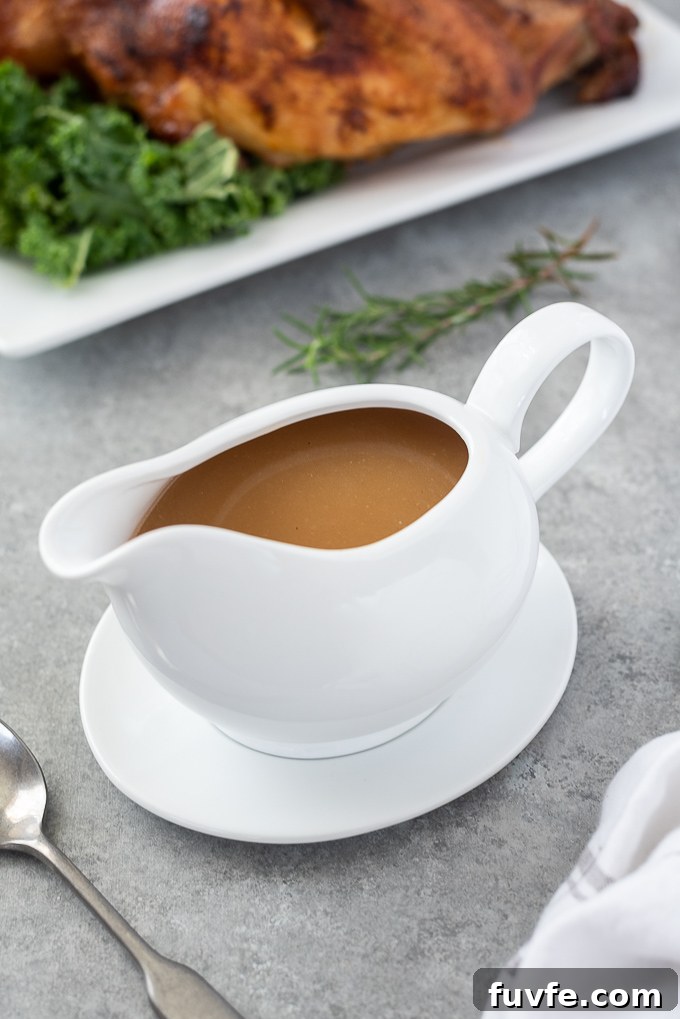
Why you’ll love this recipe:
- Includes instructions for cornstarch (gluten-free) and flour (slurry or roux) thickeners so you can choose what fits your needs.
- Clear make-ahead and freezing guidance so you can prepare gravy days or weeks in advance and reheat without losing texture.
- Ideas to elevate the flavor—deglaze with wine, bourbon, or sherry; add giblets or fresh herbs for extra depth.
Recipe ingredients
- Turkey drippings: The concentrated flavor base for your gravy. When you remove the turkey, pour the pan juices into a fat separator or measuring cup and let them settle.
- Fat: Skim the fat for a lighter gravy or reserve measured fat for a roux-based version.
- Stock: Use homemade turkey stock when possible for better flavor and a silky mouthfeel from natural gelatin. In a pinch, use turkey or chicken bone broth.
- Thickener: Cornstarch for gluten-free gravy. Arrowroot or potato starch can be substituted. Flour can be used either as a slurry or cooked into a roux.
- Optional add-ins: White wine, bourbon, or sherry to deglaze; chopped giblets; fresh herbs like rosemary, thyme, or sage.
How to make gluten-free gravy
This method uses a cornstarch slurry to thicken the gravy quickly and smoothly. It’s reliable and keeps the gravy gluten-free.
I recommend cornstarch, but you may substitute equal amounts of arrowroot or potato starch.
Make-ahead tip: Cool gravy completely and store in an airtight container for up to 3 days in the refrigerator or several weeks in the freezer. Thaw overnight in the refrigerator if frozen. Reheat gently and thin with warm turkey stock if needed.
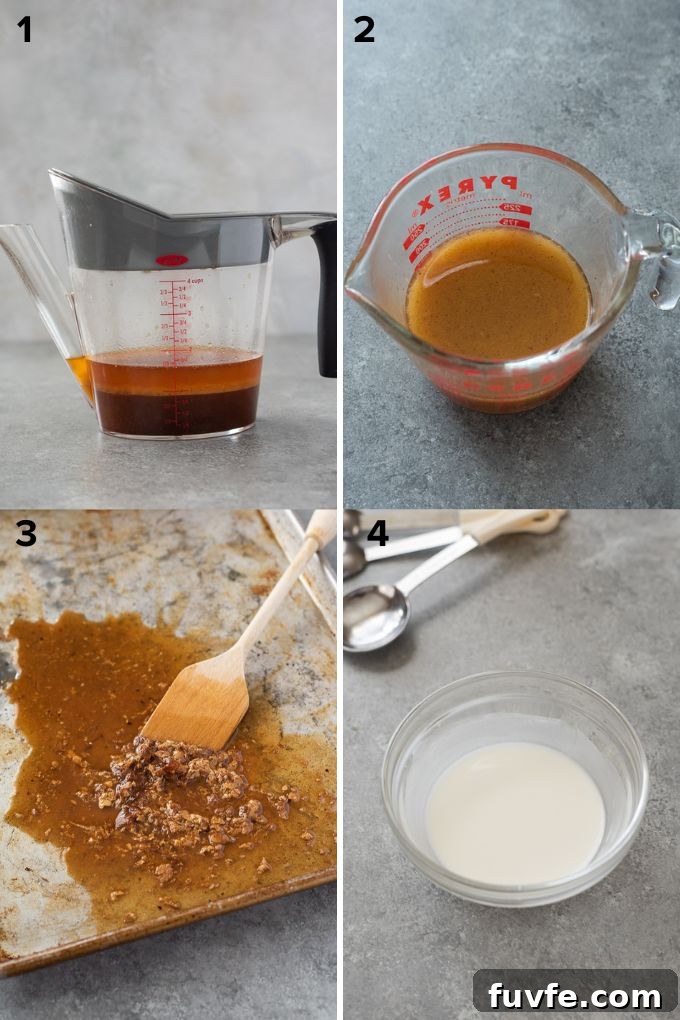
- Pour the pan drippings into a fat separator or measuring cup and let them stand for several minutes so the fat rises.
- Skim the fat from the top and reserve the drippings. Place the roasting pan over medium heat and deglaze with 1/2 cup turkey stock (or a preferred alcohol such as bourbon, sherry, or white wine). Scrape up the browned bits and add this liquid to the drippings.
- Combine the cornstarch and cold water to make a smooth slurry. Bring the drippings and stock to a gentle boil, reduce heat to medium-low, then whisk in the cornstarch slurry slowly while whisking constantly to avoid lumps. Simmer until the gravy reaches your desired thickness.
- Season to taste with salt and freshly ground black pepper.
How to make turkey gravy with flour
Flour can be incorporated either as a slurry added to hot liquid or by cooking a roux from fat and flour. Both methods yield a classic, rich gravy.
Roux-based gravy
- Measure equal parts flour and fat (for example, 6 tablespoons fat and 6 tablespoons flour). If you don’t have enough turkey fat, use butter to make up the difference.
- Cook the fat and flour over medium heat for 1–2 minutes until the mixture browns slightly and smells nutty (shortbread-like).
- Slowly whisk in turkey drippings and stock to prevent lumps. Bring to a boil for 1–2 minutes, then reduce heat and simmer until thickened. Season and serve.
Flour slurry
- Bring the turkey drippings and stock to a boil.
- Whisk equal parts flour and water in a small bowl until smooth. Reduce heat to medium-low and whisk the flour slurry into the hot stock, simmering until it reaches the desired thickness.
FAQs
Drippings are the juices and fats released from the turkey as it cooks. They carry concentrated flavor and contribute to the gravy’s silky texture.
How do you separate turkey fat from drippings?
The easiest method is a fat separator. Alternatively, pour drippings into a measuring cup and let them sit; the fat will rise to the top and can be skimmed off with a spoon.
What makes turkey gravy taste good?
Using pan drippings and homemade turkey stock produces the best flavor and mouthfeel. Deglazing the roasting pan with a splash of wine, bourbon, or sherry adds depth. For extra richness, add chopped giblets or fresh herbs.
Can I make gravy in advance?
Yes. Cool the gravy completely and store in an airtight container for up to 3 days in the refrigerator or freeze for longer storage. Thaw in the refrigerator and reheat gently, thinning with warm turkey stock if needed.
Recipe tips
- Make-ahead: Prepare gravy ahead of time and refrigerate or freeze to reduce holiday stress. Reheat gently and thin with stock when necessary.
- Roasting a turkey a few weeks before the holiday to make stock and gravy can simplify your main-day prep and gives you an extra turkey meal.
- The yield depends on cooking time: expect about 2 1/2 cups for a thicker gravy or up to 3 cups for a thinner finish.
- For a smooth gravy, strain the drippings and browned bits before combining with stock.
- Giblet gravy option: Simmer neck, gizzard, heart, and liver in water for about an hour, chop finely, and add to the gravy for a classic giblet gravy. Fresh chopped herbs such as rosemary, sage, or thyme also enhance flavor.
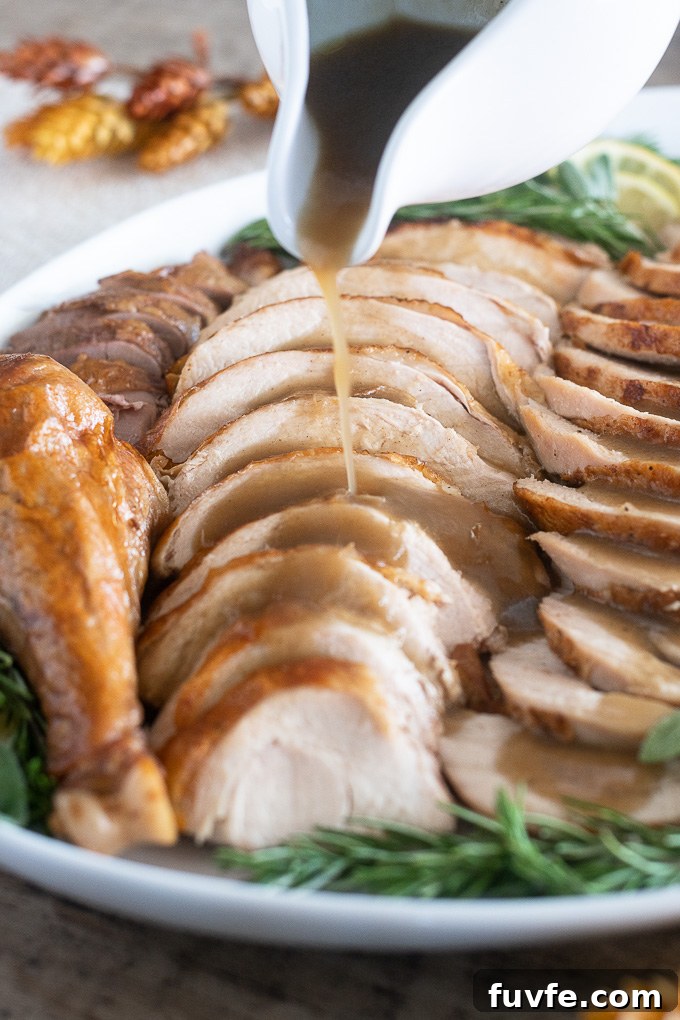
More Thanksgiving recipes you’ll love:
- Best Thanksgiving recipes (collection)
- Cranberry orange sauce
- Dry-brined orange rosemary roast turkey
- Green bean casserole with crispy fried shallots
- Homemade dinner rolls
- Simple herb garlic roasted turkey breast
- Easy slow cooker stuffing
- Perfect spatchcock turkey
- Maple orange sweet potato casserole
- Yukon Gold garlic mashed potatoes
Did you try this recipe? If so, leave a review below and tag @flavorthemoments on social channels to share your results.
Easy Turkey Gravy Recipe
Servings: 12 | Prep Time: 10 mins | Cook Time: 10 mins | Total Time: 20 mins
Learn how to make the best turkey gravy using pan drippings, plus options for cornstarch (gluten-free) or flour thickening, and tips for making gravy ahead of time.
Equipment
- Fat separator (or measuring cup and spoon)
- Whisk
- Medium saucepan
Ingredients
- 1 cup turkey drippings (if less than 1 cup, add more stock)
- 2 cups homemade turkey stock, divided
- Salt and pepper, to taste
Cornstarch slurry
- 3 tablespoons cornstarch + 3 tablespoons water
Flour slurry
- 6 tablespoons flour + 6 tablespoons water
Roux
- 6 tablespoons flour + 6 tablespoons fat from drippings (or butter to supplement)
Instructions
- Remove the turkey from the roasting pan and pour pan drippings into a measuring cup or fat separator. Let rest so the fat rises to the top.
- Place the roasting pan over 1–2 burners on medium heat. Deglaze with 1/2 cup turkey stock, scraping up browned bits, and add this liquid to the reserved drippings. Alternatively, deglaze with 1/2 cup alcohol (white wine, bourbon, or sherry) and reduce by half for deeper flavor.
Gravy with cornstarch (gluten-free)
- Skim and discard excess fat from drippings.
- Combine drippings and stock in a saucepan and bring to a boil over medium heat.
- Mix cornstarch with cold water until smooth. Reduce heat to medium-low and whisk the slurry into the hot liquid slowly, whisking constantly to avoid lumps. Simmer until thickened.
- Remove from heat and season with salt and pepper.
Gravy with flour (slurry)
- Skim fat, bring drippings and stock to a boil.
- Whisk flour and water into a smooth paste. Reduce heat and whisk the slurry into the hot liquid. Simmer until thickened and season to taste.
Gravy with flour (roux)
- Skim 6 tablespoons fat into a saucepan (or use butter). Add 6 tablespoons flour and cook over medium heat 1–2 minutes until browned and fragrant.
- Slowly whisk in stock, bring to a boil, then simmer until the desired thickness is reached. Season and serve.
Notes
- Make-ahead: Cool completely and store in an airtight container for up to 3 days in the refrigerator or several weeks in the freezer. Thaw in the fridge, reheat gently, and thin with warm stock if needed.
- Yield varies by cooking time: about 2 1/2 cups for thicker gravy or 3 cups for thinner gravy.
- Strain drippings for an extra-smooth texture.
- To make giblet gravy, simmer giblets (neck, gizzard, heart, liver) in water for about an hour, chop, and stir into the finished gravy. Add fresh herbs for brightness.
Nutrition (per serving, estimated)
Calories: 61 kcal; Carbohydrates: 5 g; Protein: 6 g; Fat: 1 g; Cholesterol: 39 mg; Sodium: 35 mg.