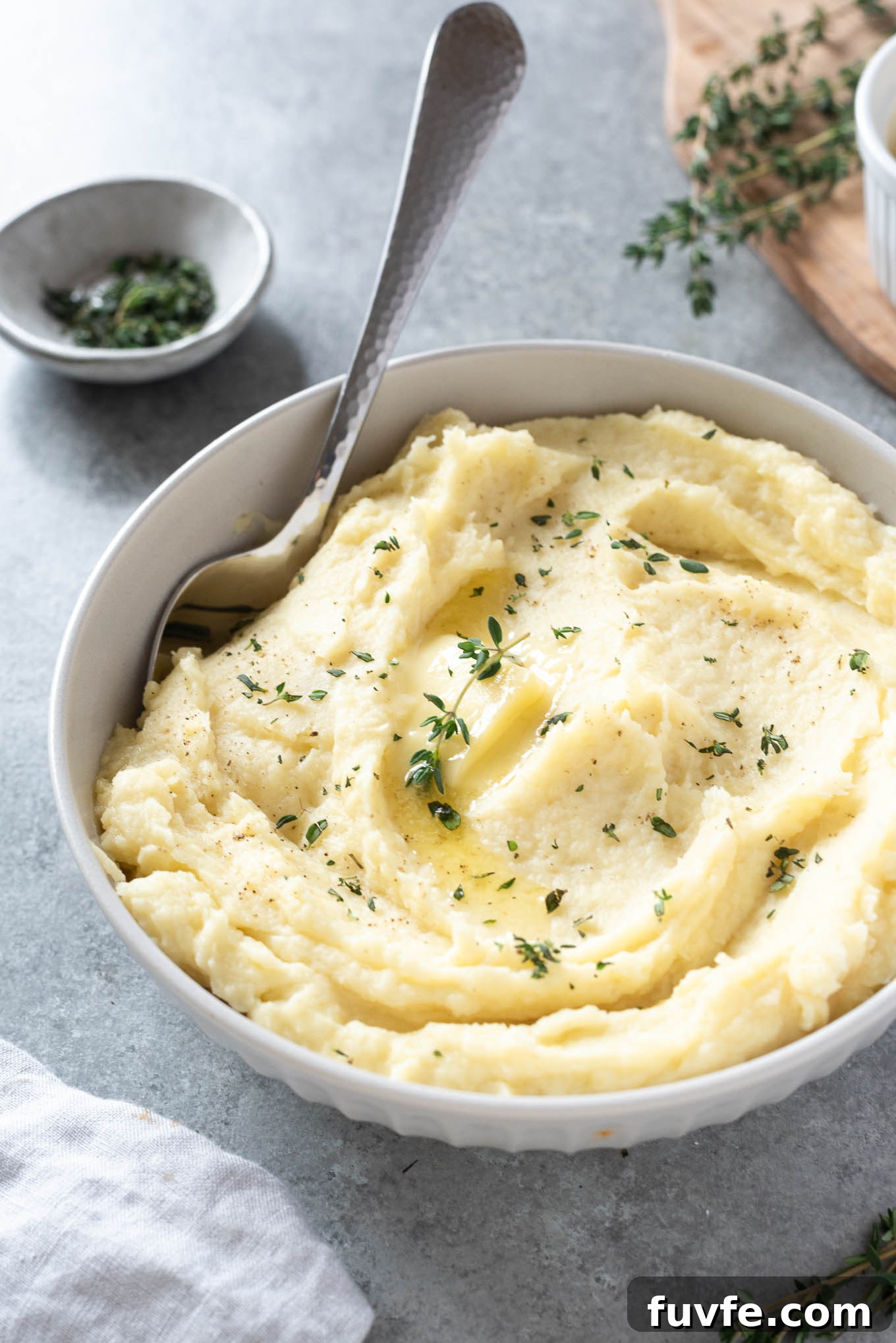
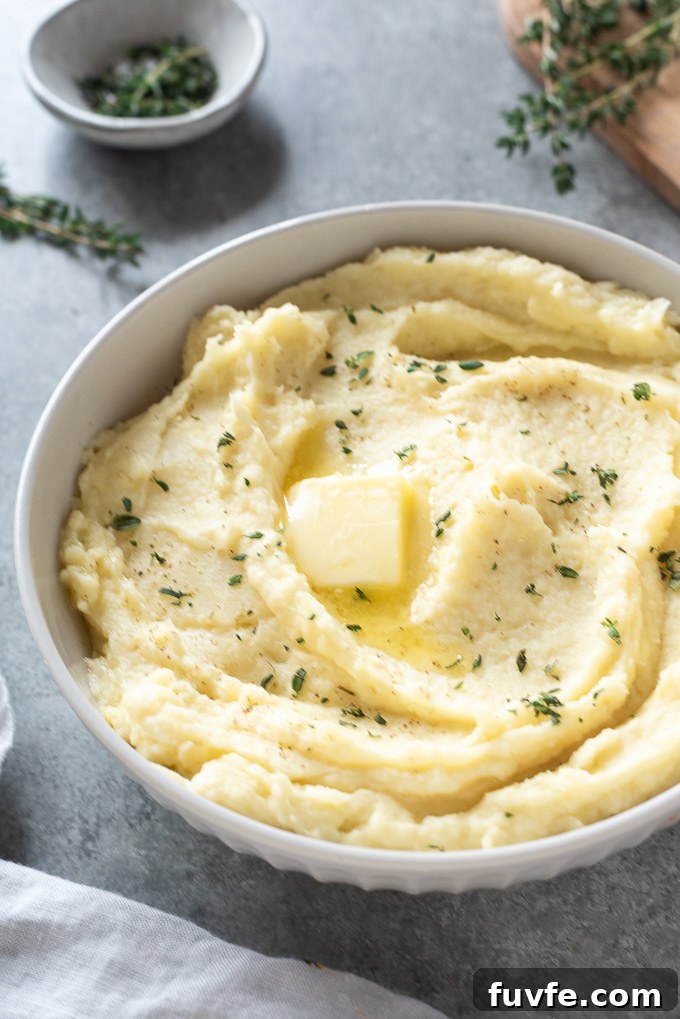
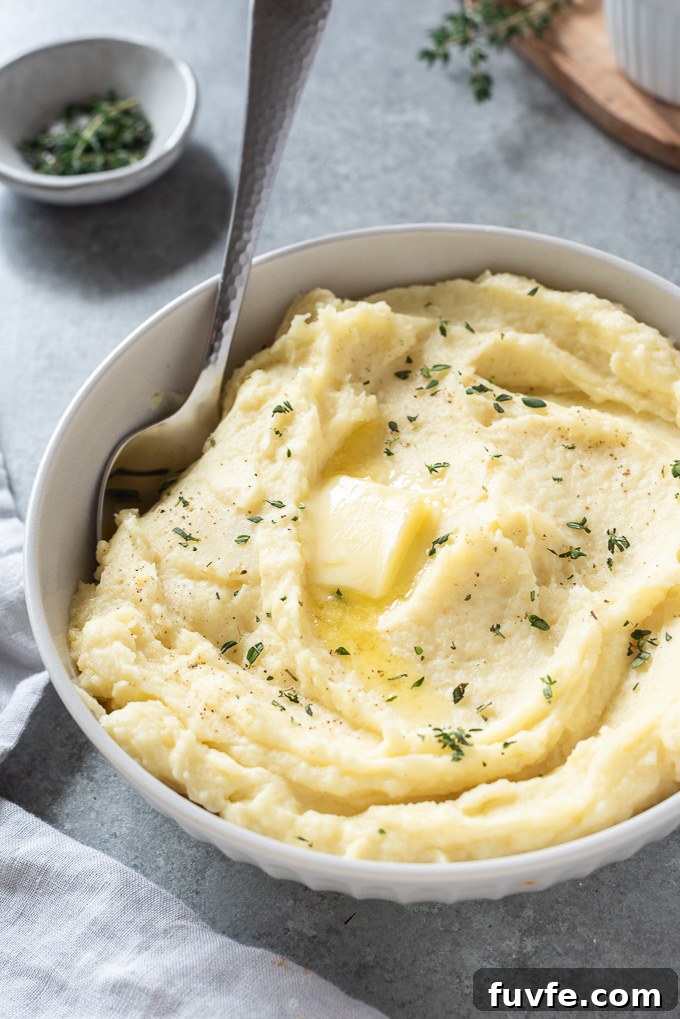
Move over mashed potatoes—this Parsnip Puree is silky, creamy, and destined to become a favorite side. Naturally gluten-free and lower in carbs than traditional mashed potatoes, this puree brings sweet, earthy parsnip flavor to the table and pairs beautifully with a wide range of proteins.
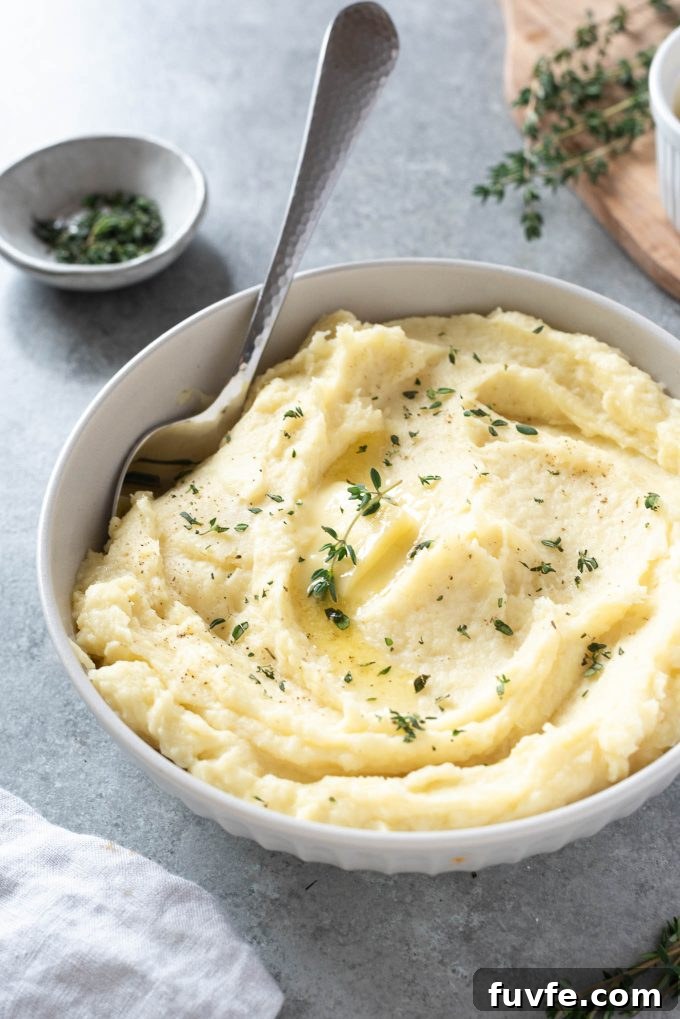
I’ve loved parsnips for years. Their subtly sweet, woody flavor deepens with heat and welcomes roasting, braising, or pureeing. They shine in soups and roasted dishes, and when turned into a smooth puree they make a standout alternative to mashed potatoes.
The first time I served this puree to my family, I let them assume it was mashed potatoes. The surprise was delightful—my oldest said it was the best “mashed potatoes” he’d ever had. Once I revealed it was parsnips, nobody cared; they only cared that it tasted amazing. I now make this recipe regularly.
If you enjoy parsnips, try adapting this puree with your favorite herbs and dairy alternatives for a personalized side dish.
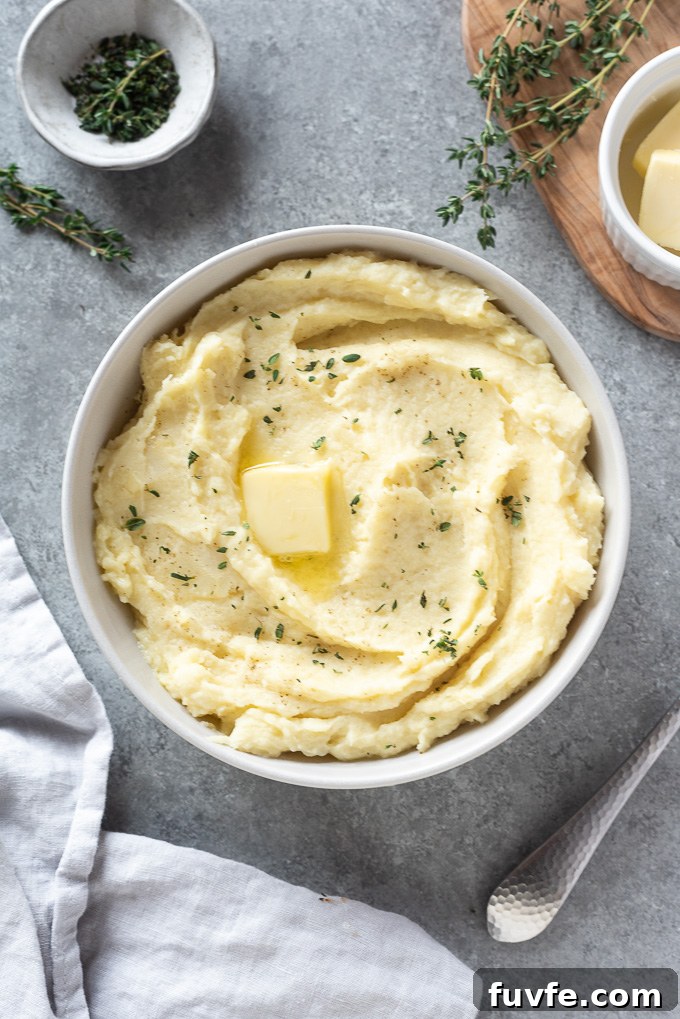
Why you’ll love this recipe:
- Silky-smooth texture and rich flavor from parsnips, garlic, thyme, butter, and cream.
- Simple ingredient list where parsnips are the star; easy to customize with what you have on hand.
- Gluten-free and versatile—pairs with poultry, beef, seafood, or vegetarian mains.
Recipe ingredients
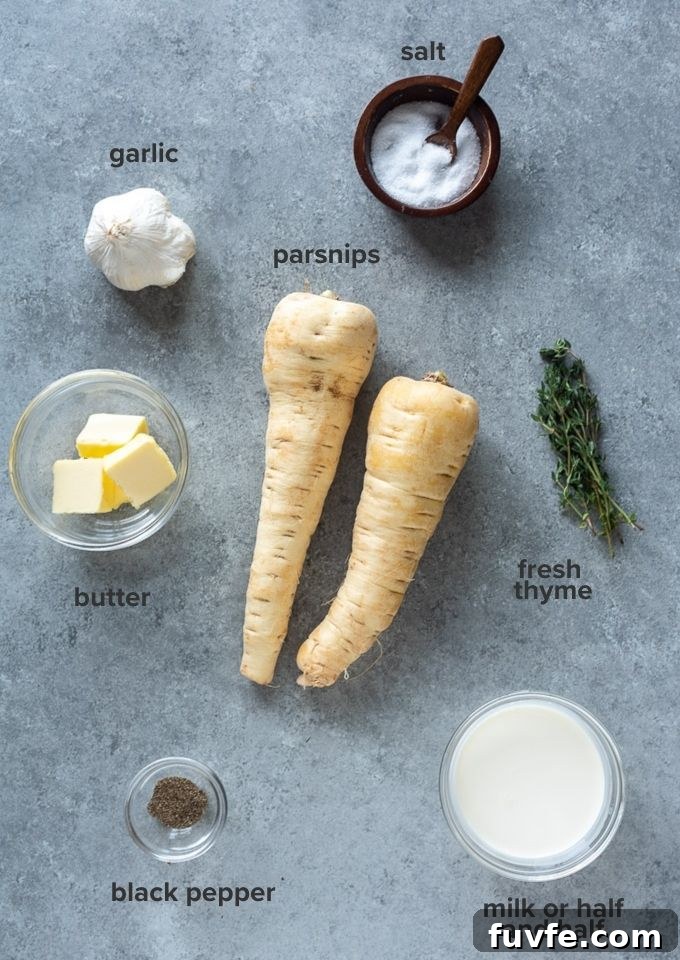
The beauty of this parsnip puree is that parsnips remain the primary ingredient while the remainder can be adjusted to taste. I recommend butter and half-and-half for a rich, balanced finish, but milk, cream, or non-dairy options work as well.
Ingredient notes
- Parsnips. Slightly sweeter and woodier than carrots, parsnips become more flavorful when cooked. They have fewer carbs per serving than potatoes, making them a nice alternative for those watching carbohydrate intake.
- Garlic. Fresh garlic adds savory depth; substitute a pinch of garlic powder if needed.
- Butter. A few tablespoons of unsalted butter enrich the puree without overpowering the parsnips.
- Half-and-half. Use heavy cream, whole milk, or a plant-based milk if preferred—adjust the amount for your desired consistency.
- Thyme. Fresh thyme offers a subtle herbal note; chives, parsley, or scallions are also excellent choices.
See the recipe card below for the exact ingredient amounts and measurements.
How to make this recipe
This parsnip puree is easier to make than it sounds. The goal is a completely smooth purée—an immersion blender works best, but a food processor or countertop blender will also yield great results.
Pro tip: If you don’t have an immersion blender, transfer cooked parsnips (in batches if necessary) to a blender or food processor and blend until silky.
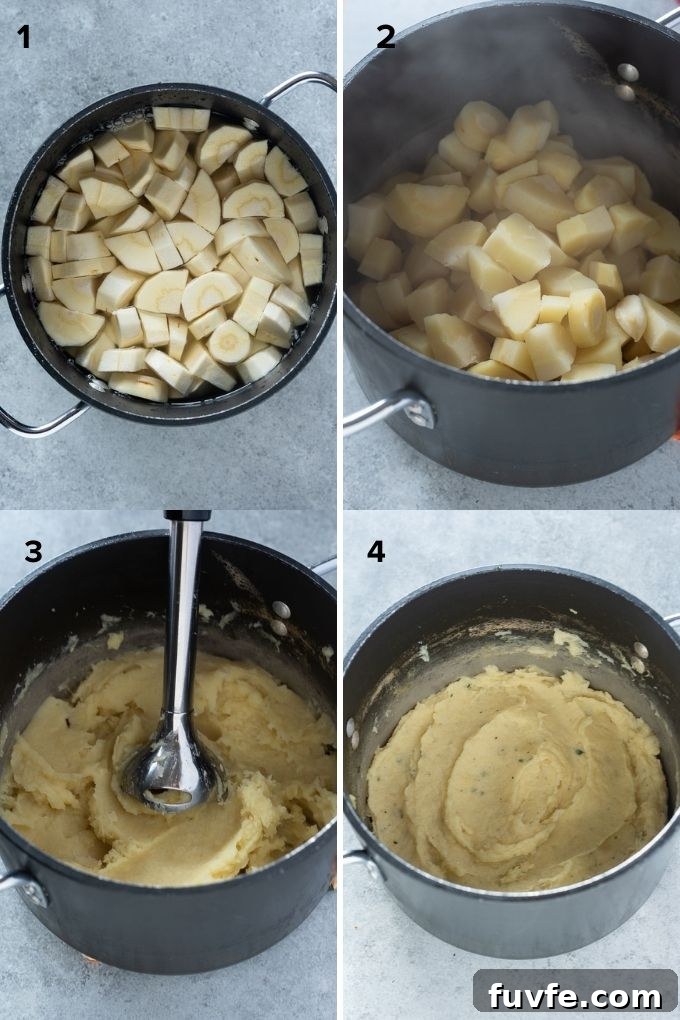
- Place parsnips and garlic in a large pot and cover with water by about 1 inch. Bring to a boil, then remove the lid and simmer 10–15 minutes, or until parsnips are fork tender.
- Drain the parsnips thoroughly in a colander.
- Return parsnips to the pot. Add softened butter and half-and-half, then puree with an immersion blender until completely smooth. If using a blender or food processor, work in batches and be careful with hot ingredients.
- Season with kosher salt, freshly ground black pepper, and chopped fresh thyme. Stir to combine and serve warm.
Recipe FAQs
Parsnips are a starchy vegetable. A one-cup serving contains roughly 24 grams of carbohydrates, making them less starchy than some potatoes but still a source of carbs.
No—parsnips have a distinct sweet, woody, and slightly nutty flavor that is more pronounced than potatoes.
Parsnips work anywhere you’d use carrots or potatoes: roasted meats, stews, root vegetable medleys, winter squashes, and herb-forward dishes.
Serving suggestions
This puree is a natural substitute for mashed potatoes and can be served with:
- Roasted or pan-seared chicken and turkey for a comforting Sunday meal.
- Beef bourguignon or pot roast as a cozy base.
- Holiday mains such as roasted turkey, glazed ham, or seared steak for a refined side.
- Casual fare—pair with wings, pulled pork, or roasted vegetables for a crowd-pleasing meal.
Recipe tips
- Blending: Use an immersion blender for the smoothest texture; a food processor or blender also works.
- Dairy swaps: Substitute half-and-half with heavy cream, whole milk, or a plant-based milk—adjust for desired creaminess.
- Herbs: Add chives, parsley, or scallions for a fresh finish.
- Storage: Store leftovers in an airtight container in the refrigerator for up to 3 days. Reheat gently in the microwave or on the stovetop, stirring until warmed through.
More side dish recipes you’ll love:
- Brussels sprouts and bacon
- Instant pot mashed potatoes
- Mashed sweet potatoes
- Garlic mashed cauliflower
- Roasted carrots and parsnips
- Roasted root vegetables
- Twice baked mashed potatoes
Did you try this recipe? If so, please leave a review below and tag @flavorthemoments on social media so I can see what you made.
Creamy Parsnip Puree Recipe
A creamy, flavorful parsnip puree that makes a perfect gluten-free side. Smooth, slightly sweet, and savory—great with any main course.
Equipment
- Immersion blender (or blender/food processor)
Ingredients
- 3 lbs. parsnips, peeled and cut into 1″ chunks
- 3 cloves garlic, smashed and peeled
- 1/2 cup half-and-half, room temperature (or milk/cream)
- 4 tablespoons unsalted butter, softened
- 1 tablespoon chopped fresh thyme (or other fresh herbs)
- 1 teaspoon kosher salt (use 1/2 teaspoon if using table salt)
- 1/4 teaspoon freshly ground black pepper
Instructions
- Place parsnips and garlic in a large pot and cover with water by about 1 inch. Cover and bring to a boil over medium-high heat. Remove lid and simmer 10–15 minutes, until parsnips are fork tender.
- Drain well in a colander.
- Return parsnips to the pot. Add softened butter and half-and-half, then puree with an immersion blender until smooth. If using a blender or food processor, work in batches and take care with hot liquids.
- Stir in salt, pepper, and fresh thyme. Adjust seasoning to taste and serve warm.
Notes
- If you don’t have an immersion blender, use a food processor or countertop blender to achieve a smooth puree.
- Substitute half-and-half with heavy cream, whole milk, or a non-dairy milk as desired. Add more or less butter to suit your taste.
- Store leftovers in an airtight container for up to 3 days and reheat gently.
Nutrition (estimated per serving)
Calories: 200 kcal, Carbohydrates: 32 g, Protein: 3 g, Fat: 8 g, Fiber: 8 g (estimated)