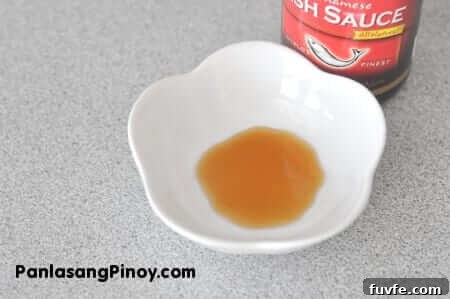
Fish sauce is a staple seasoning across many Asian cuisines, including Cambodia, Thailand, the Philippines, and Vietnam. Often used as an alternative to plain salt, it adds not only saltiness but also a deep, savory complexity that elevates a wide range of dishes.
As the name implies, fish sauce is made from fish. The liquid is the result of extracting flavor from fish through a controlled process that varies by region and producer. Some makers use small dried fish, which contributes a more pronounced salty taste, while others use fresh, raw fish. The specific species of fish can also differ, producing subtle variations in aroma and character.
Fermentation is the defining step in making fish sauce. Generally, longer fermentation produces a richer, saltier, and more developed flavor. Traditional artisans allow extended fermentation to achieve a balanced umami profile. Modern commercial producers sometimes accelerate this phase with machinery, but many time-honored producers still rely on traditional techniques to preserve depth of flavor.
The conventional method begins with selecting freshly caught fish. Freshness is important to ensure a clean, pleasant end product. Fish are thoroughly cleaned and drained before being placed into earthenware jars, which help maintain a stable, suitable temperature during fermentation. A generous amount of sea salt is layered with the fish to draw out moisture and preserve the mixture. To press the fish and encourage extraction, bamboo mats and heavy stones are set on top before the jars are sealed.
Fermentation typically takes between nine and twelve months. During this period, jars are occasionally opened and set in sunlight. Warm sunlight helps break down the fish more quickly and aids in releasing flavorful extracts. Sun exposure also contributes to the sauce’s darker color and its appealing aroma.
When the fermentation period is complete, the liquid is separated from solids by straining through a clean, tightly woven cloth. Filtration is often repeated to remove any remaining particles, leaving only the clear, flavorful liquid. The strained sauce is then returned to a clean jar and exposed to sunlight for several more weeks to mellow any strong odors. After this final conditioning, the fish sauce is ready to be bottled and used.
Today fish sauce is widely available in supermarkets and specialty stores, produced both by large-scale manufacturers and small traditional makers. Whether made quickly with modern methods or slowly using traditional fermentation, fish sauce remains a versatile and essential seasoning that brings depth and umami to countless dishes.