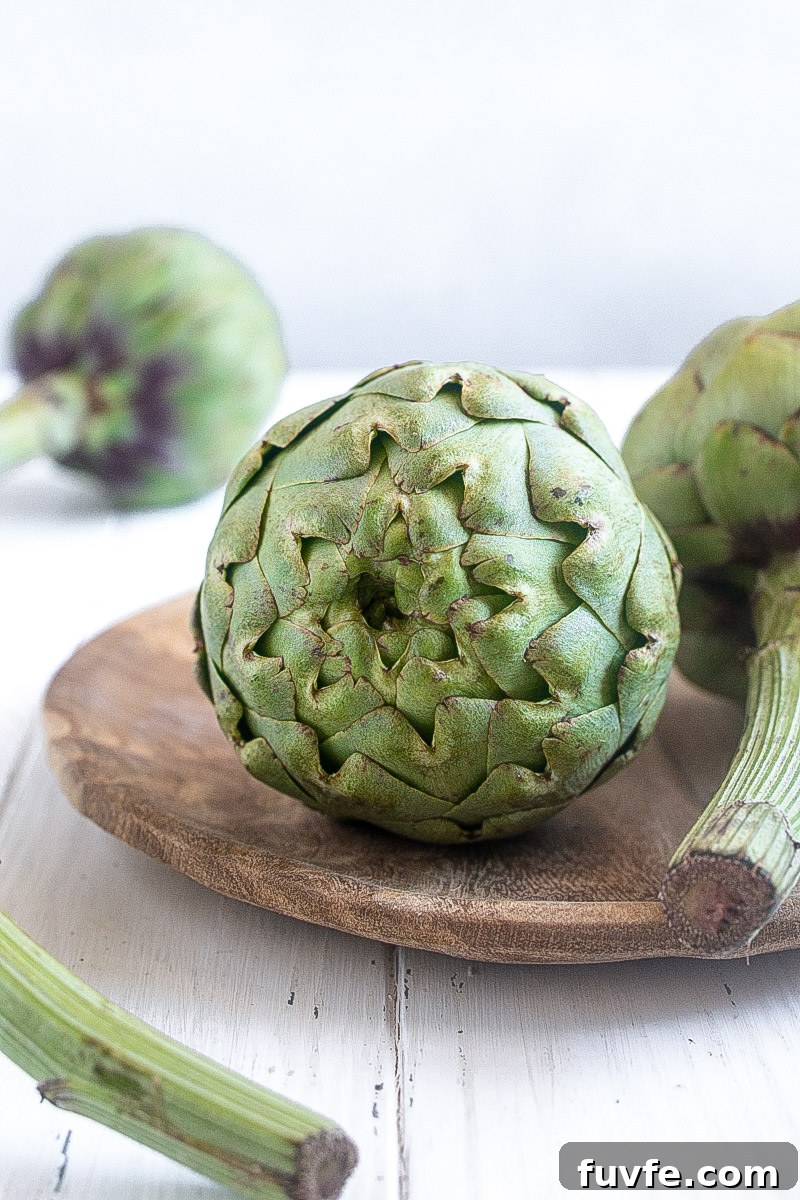
Fresh artichokes may look intimidating, but they’re easy to work with once you know what to look for. This guide explains how to choose the best artichokes, store them correctly, prep them step-by-step, and cook them with simple methods.
You’ll also find a selection of delicious recipes to help you make the most of fresh artichokes. Whether you roast, braise, steam, or use an Instant Pot, you’ll learn how to turn these vegetables into memorable dishes.
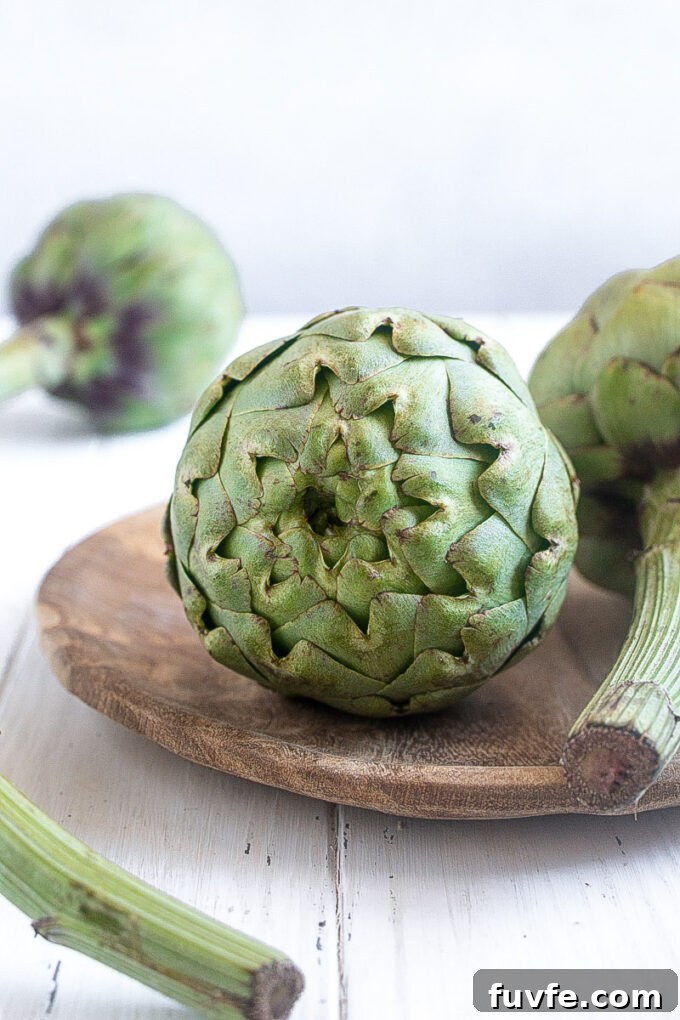
If you’ve ever passed by artichokes at the market and wondered how to use them, you’re not alone. They can seem a little fussy at first, but with a few simple techniques they’re straightforward—and truly worth the effort.
Artichokes offer a nutty, slightly sweet flavor and a tender, buttery texture that elevates everyday meals.
Fresh Artichokes Guide: below you’ll find clear tips for selecting, storing, and prepping artichokes, plus easy cooking methods and recipes to get you started.
What are artichokes?
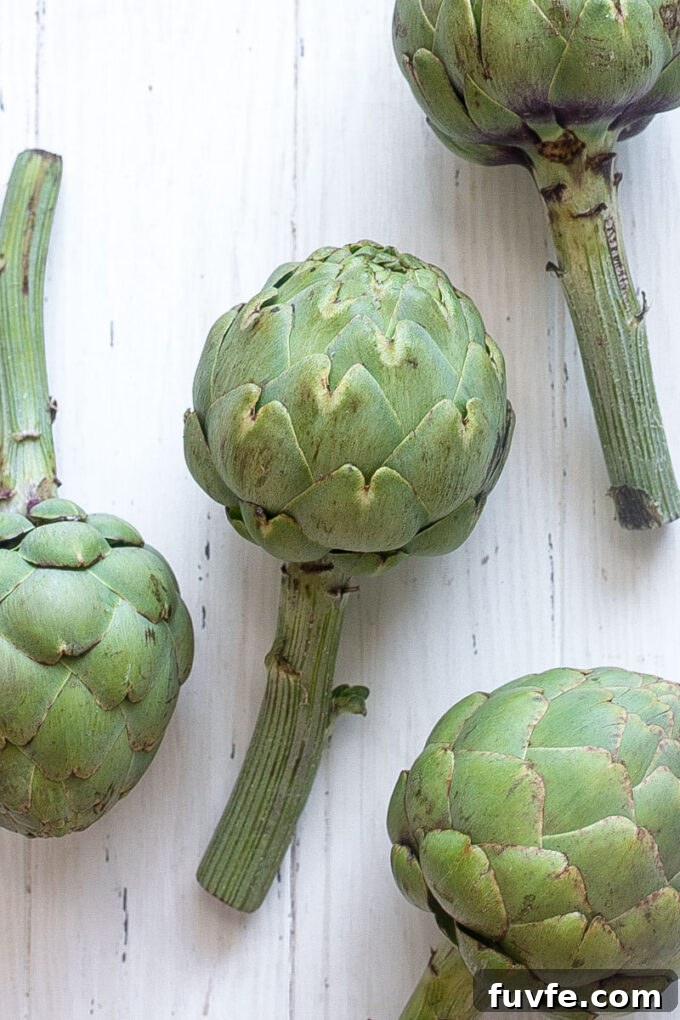
Artichokes are the immature flower buds of a thistle. The edible parts include the tender inner leaves, the meaty base of each leaf, and the heart at the center. The fuzzy “choke” in the middle is inedible and should be removed either before or after cooking, depending on the recipe.
When are artichokes in season?
Artichokes are most commonly in season in spring and again in the fall, with peak availability typically from March through May. Buying in season usually means better flavor and value.
How to choose fresh artichokes
When selecting artichokes at the market, look for:
- Tightly packed leaves that don’t feel loose.
- Fruit that feels heavy for its size—this indicates freshness and moisture.
- A deep, healthy green color.
- Leaves that give a faint squeak when squeezed together.
Avoid artichokes with dry, split, or heavily browned leaves; these are signs of age or damage.
How to store artichokes
- Keep artichokes unwashed in the refrigerator until you’re ready to use them.
- Store them in a loosely sealed plastic bag to retain moisture without trapping too much condensation.
- Use within 4–5 days for best texture and flavor.
How to prep fresh artichokes
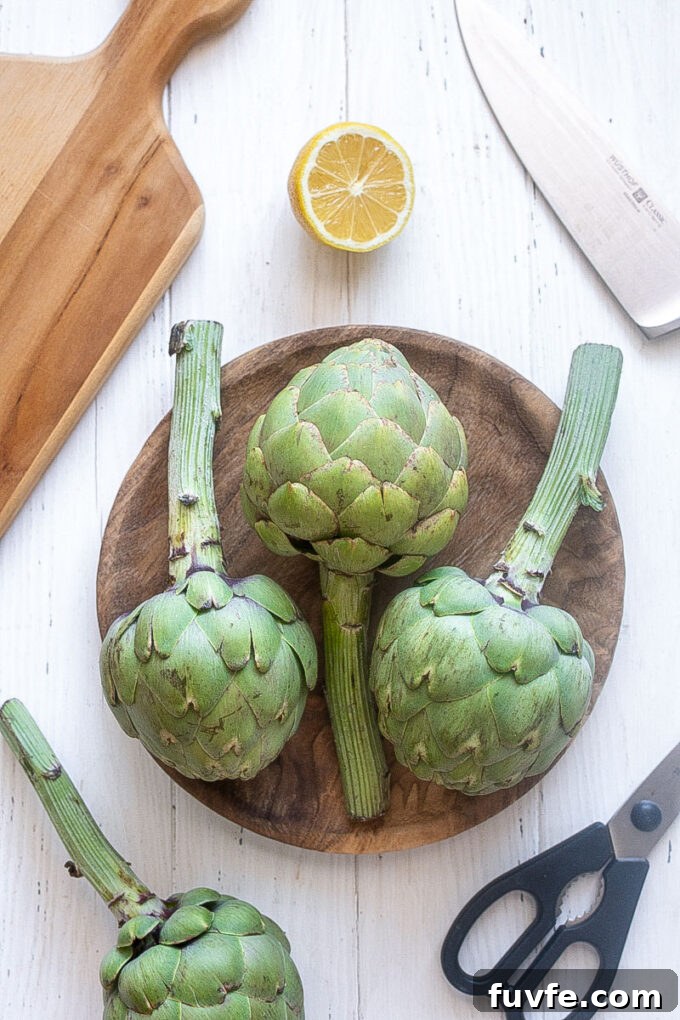
Prepping an artichoke is easier than it looks and varies a bit by cooking method. The essentials are trimming away tough outer leaves, cutting the top, trimming the stem, removing sharp leaf tips, and dealing with the choke if necessary.
Basic steps at a glance:
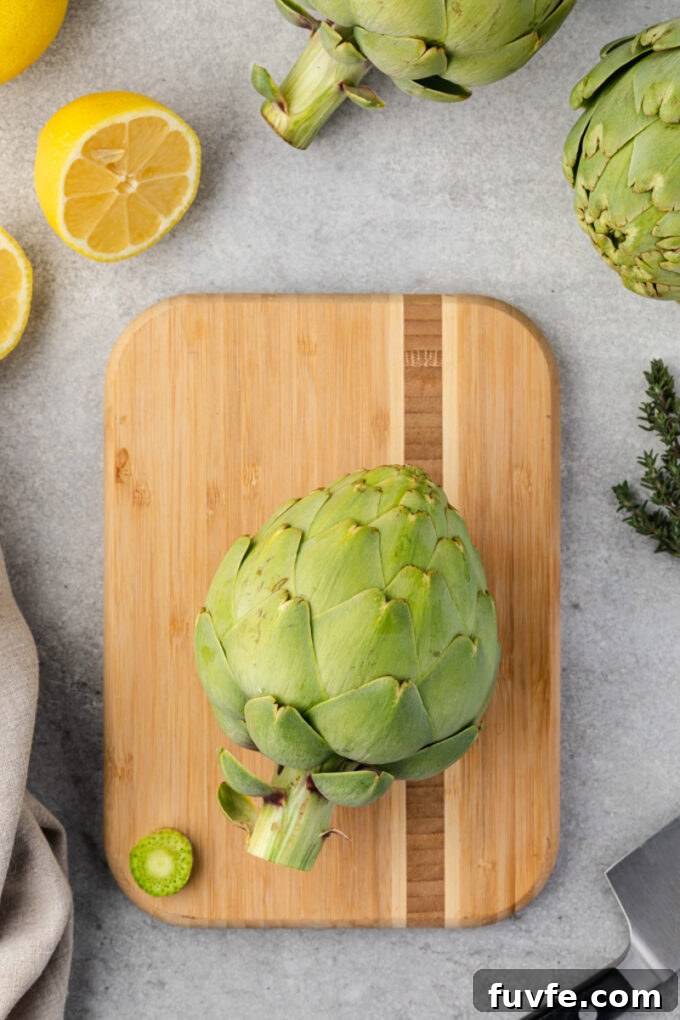
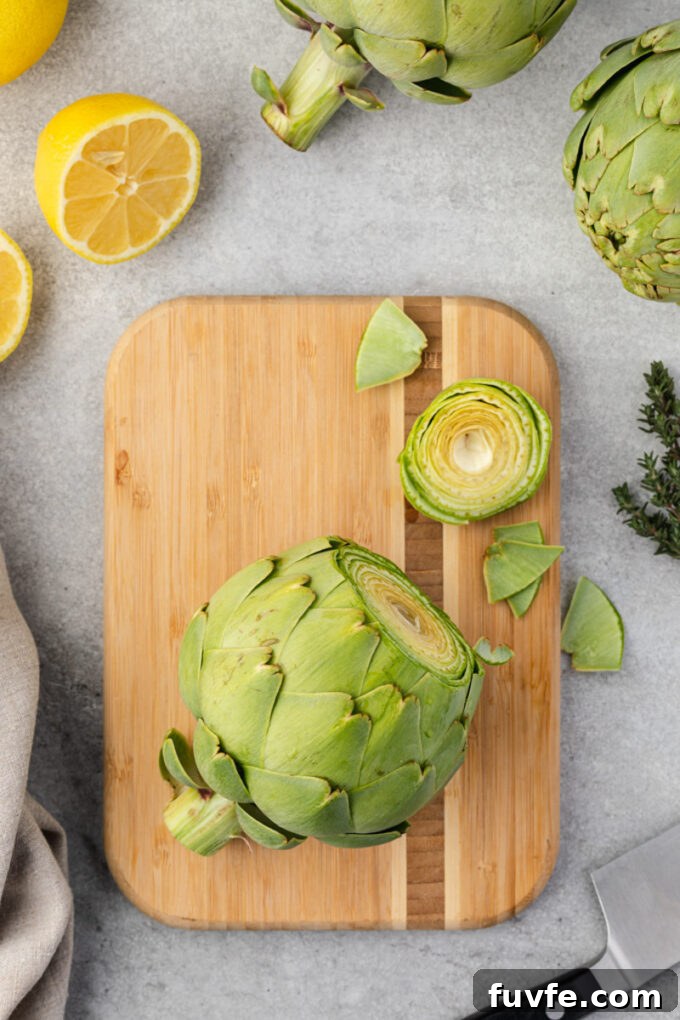
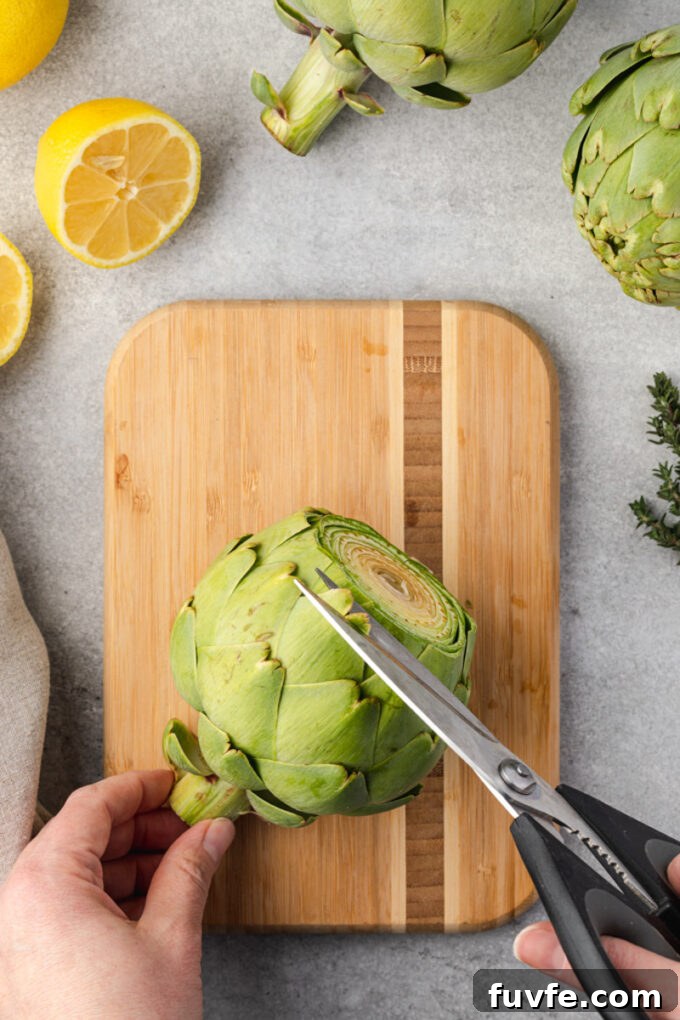
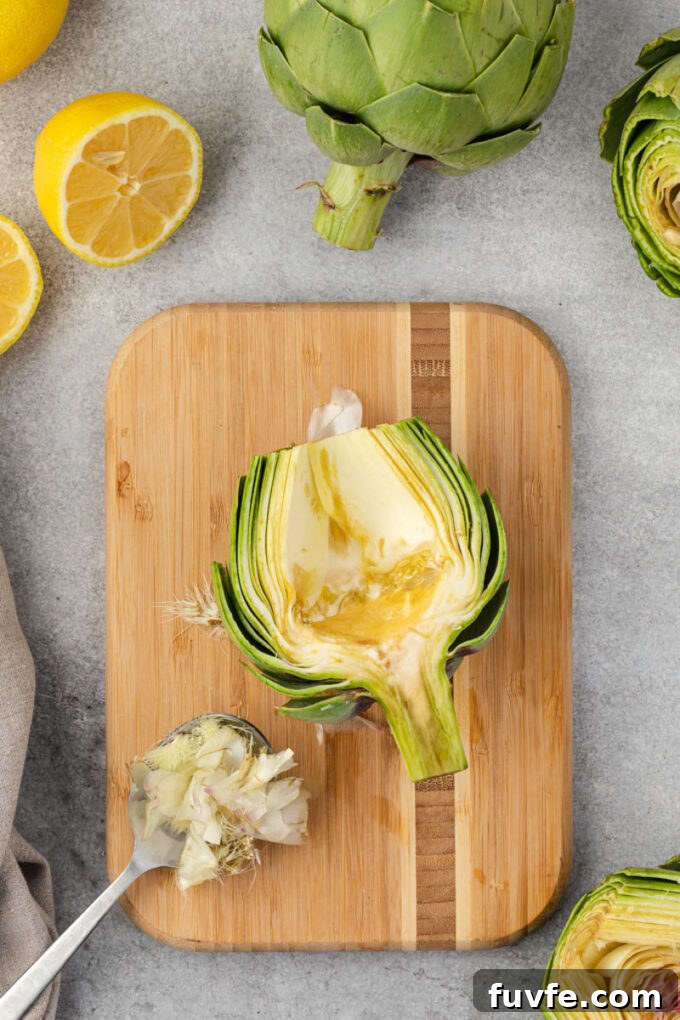
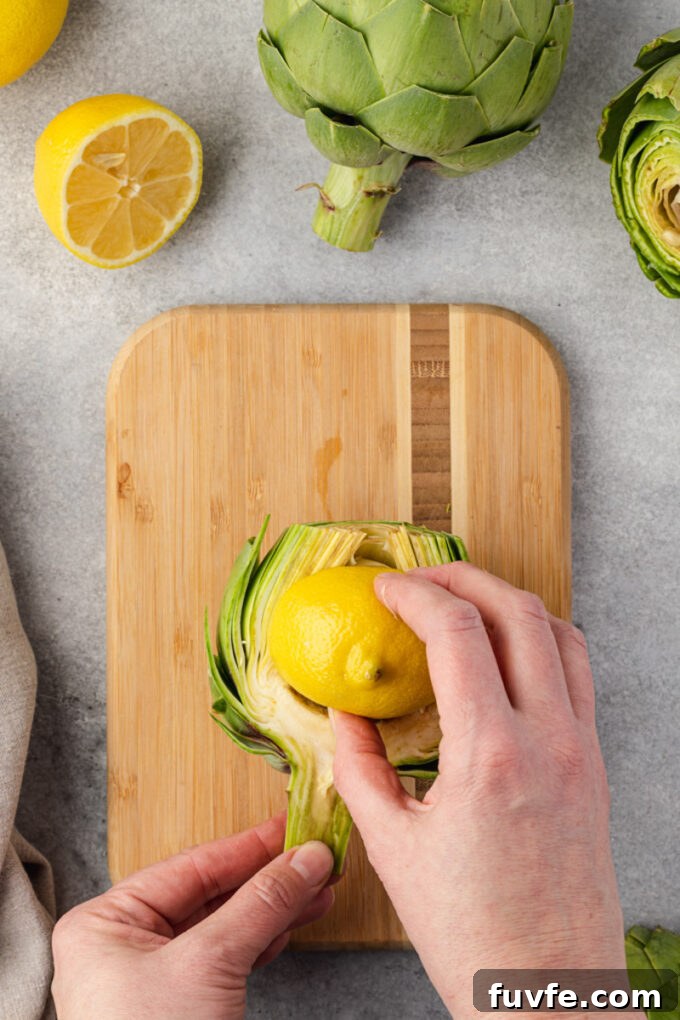
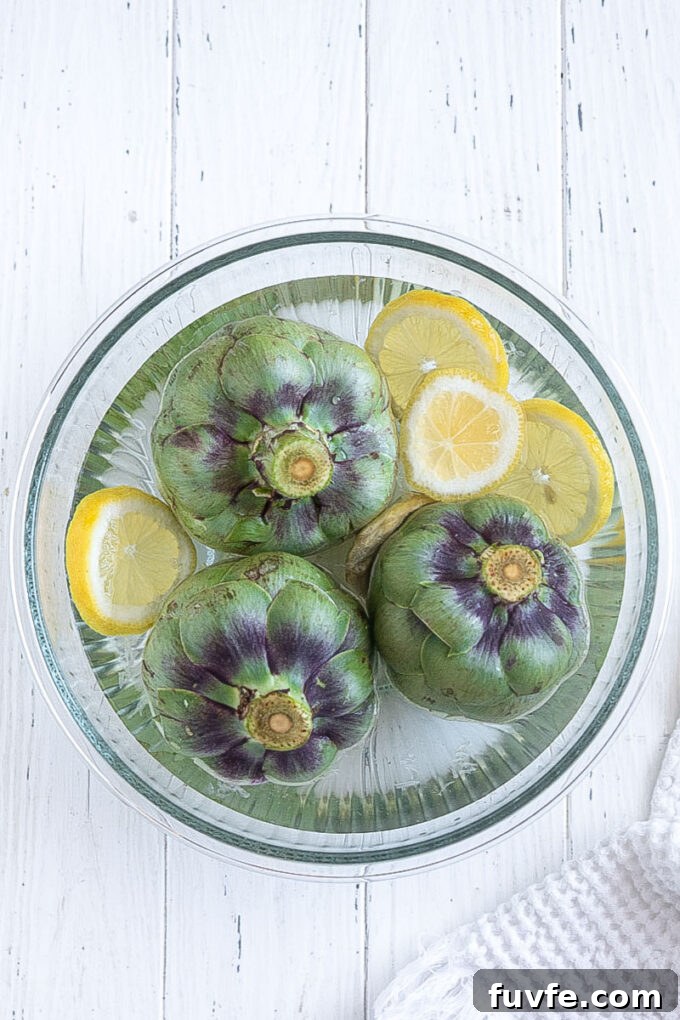
You can also fully trim an artichoke down to just the tender heart with the choke removed. That yields a ready-to-cook piece that works well for braising, roasting, or grilling.
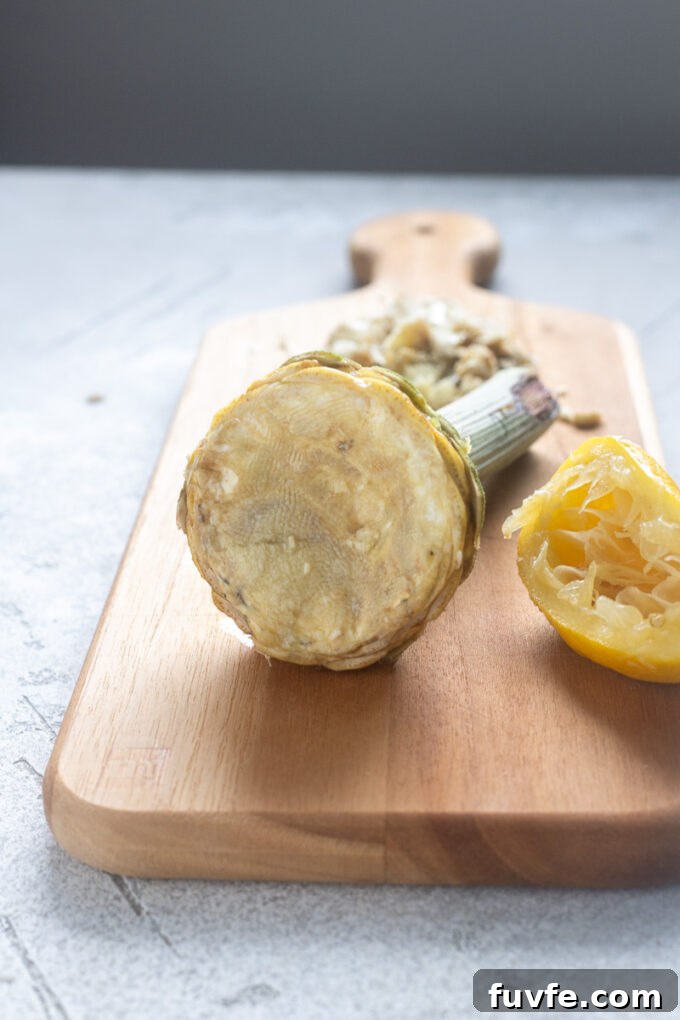
How to cook artichokes
Once prepped, artichokes can be cooked several ways, each bringing different textures and flavors:
- Roasted. Roasting caramelizes the edges and deepens flavor. It’s a great option when you want crispy tips and a rich, savory finish.
- Braised (Roman-style). Slow braising with herbs and olive oil produces very tender, flavorful artichokes and is a classic Italian preparation.
- Pressure-cooked or steamed. Using an Instant Pot or steaming on the stovetop gives reliably tender artichokes in less time—an excellent hands-off method for weeknights.
Artichoke recipes to try (easy, delicious ways to cook them)
Here are many simple, tasty ways to enjoy artichokes, from quick weeknight dishes to classic regional recipes. Recipe titles and short descriptions are provided so you can choose what appeals to you.
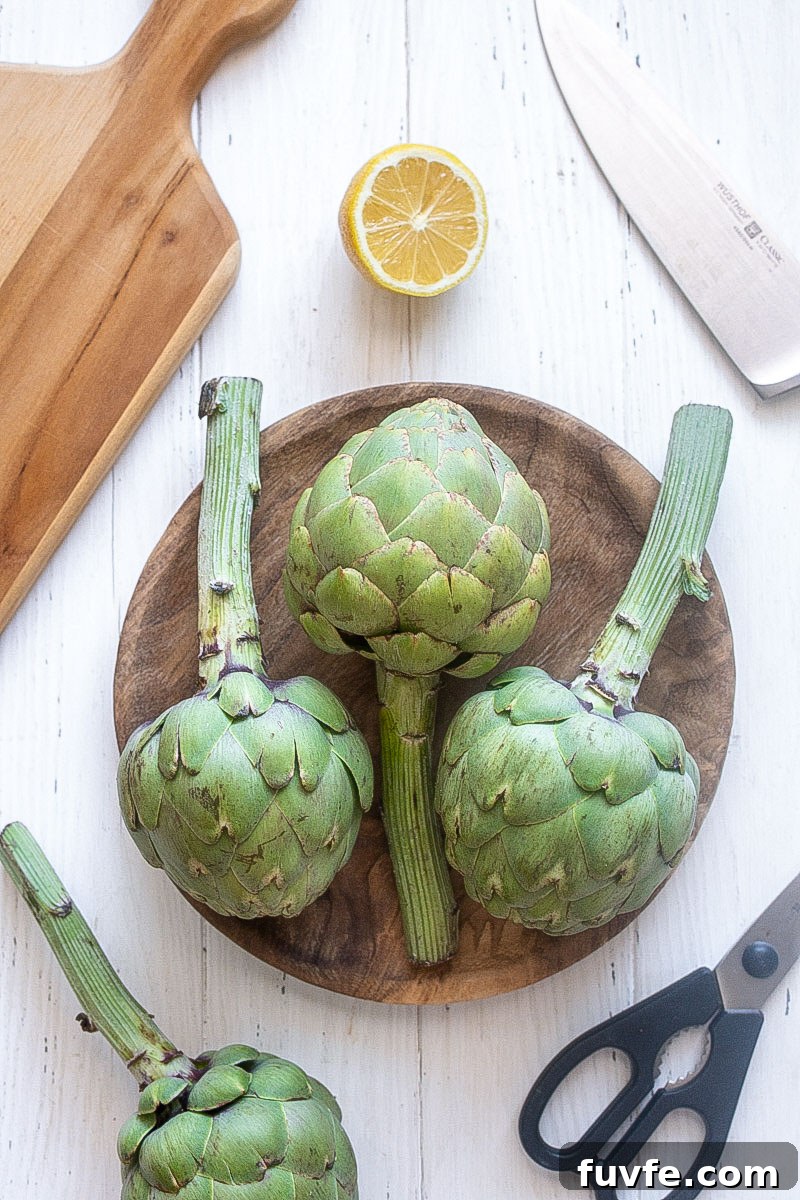
How to Prep an Artichoke
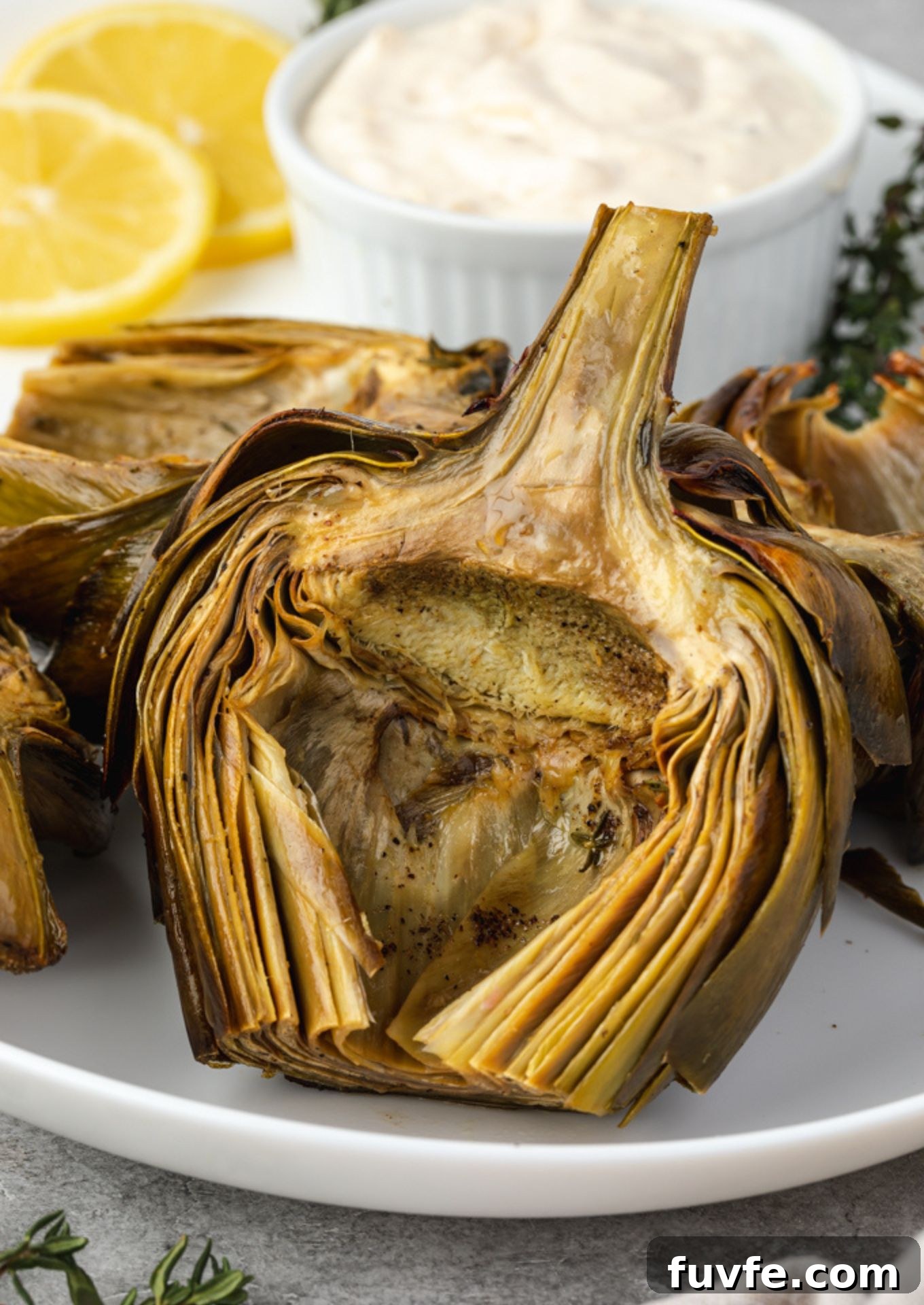
Easy Roasted Artichokes
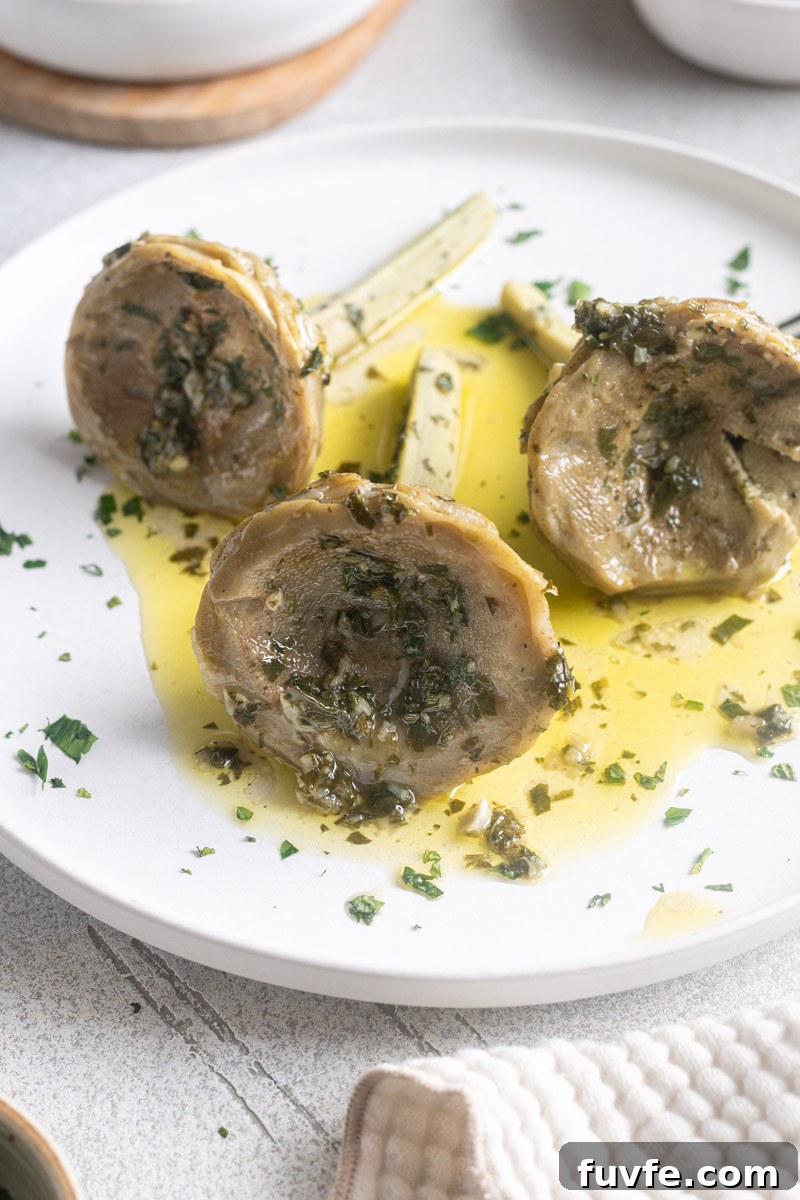
Roman Artichokes (Carciofi alla Romana)
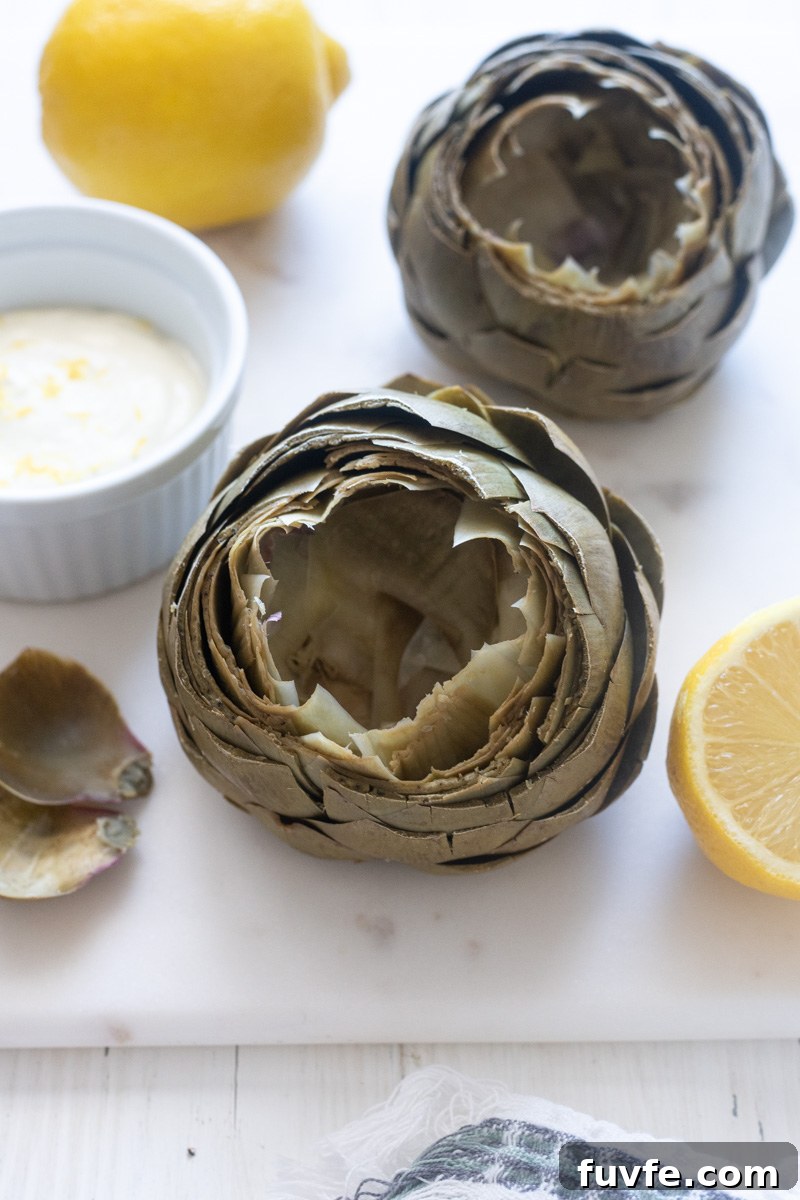
Instant Pot Artichokes (+ Stove Top Method)
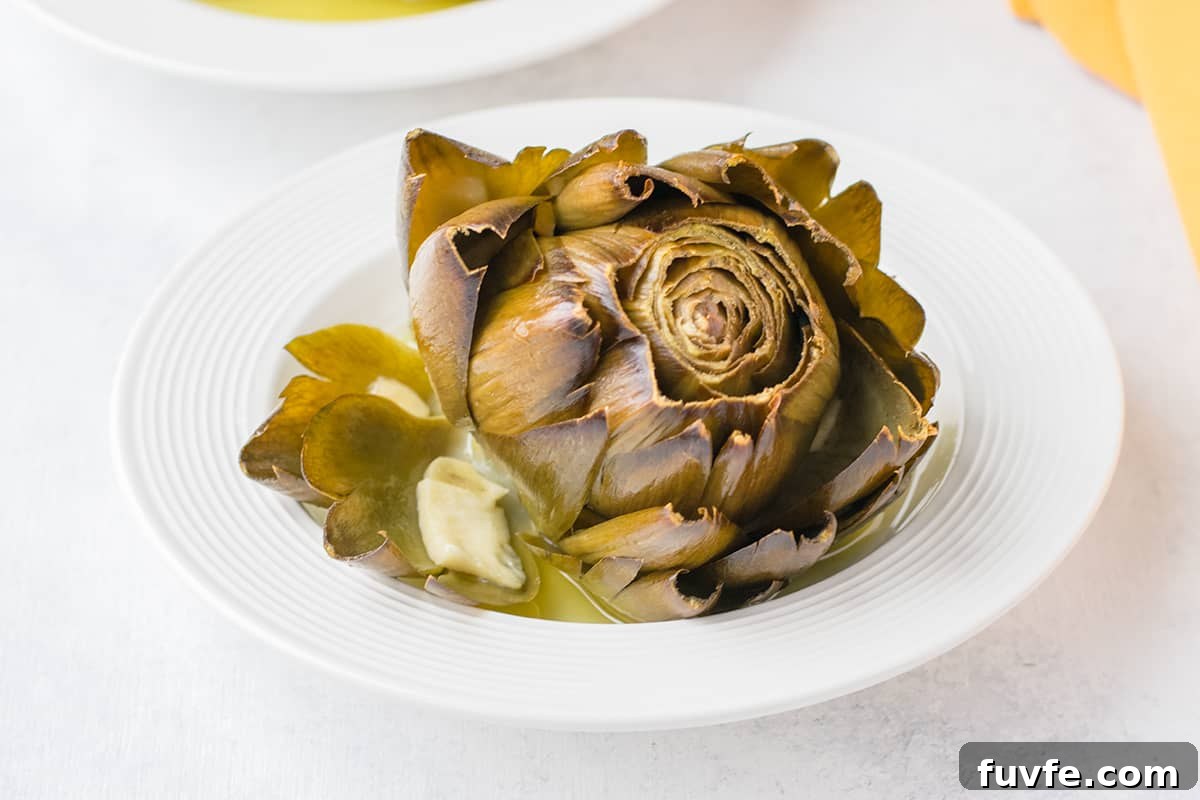
Stuffed Artichokes
Fresh artichokes may appear tricky at first, but once you learn the basic prep and a few dependable cooking methods, they become one of the most rewarding vegetables to cook with. With some practice you’ll easily prepare them for everyday meals or special occasions.
I hope this guide inspires you to use fresh artichokes more often and to experiment with the many ways they can be flavored and served.
Did you try these techniques or recipes? If so, consider leaving a review and share your results on social media to inspire others.