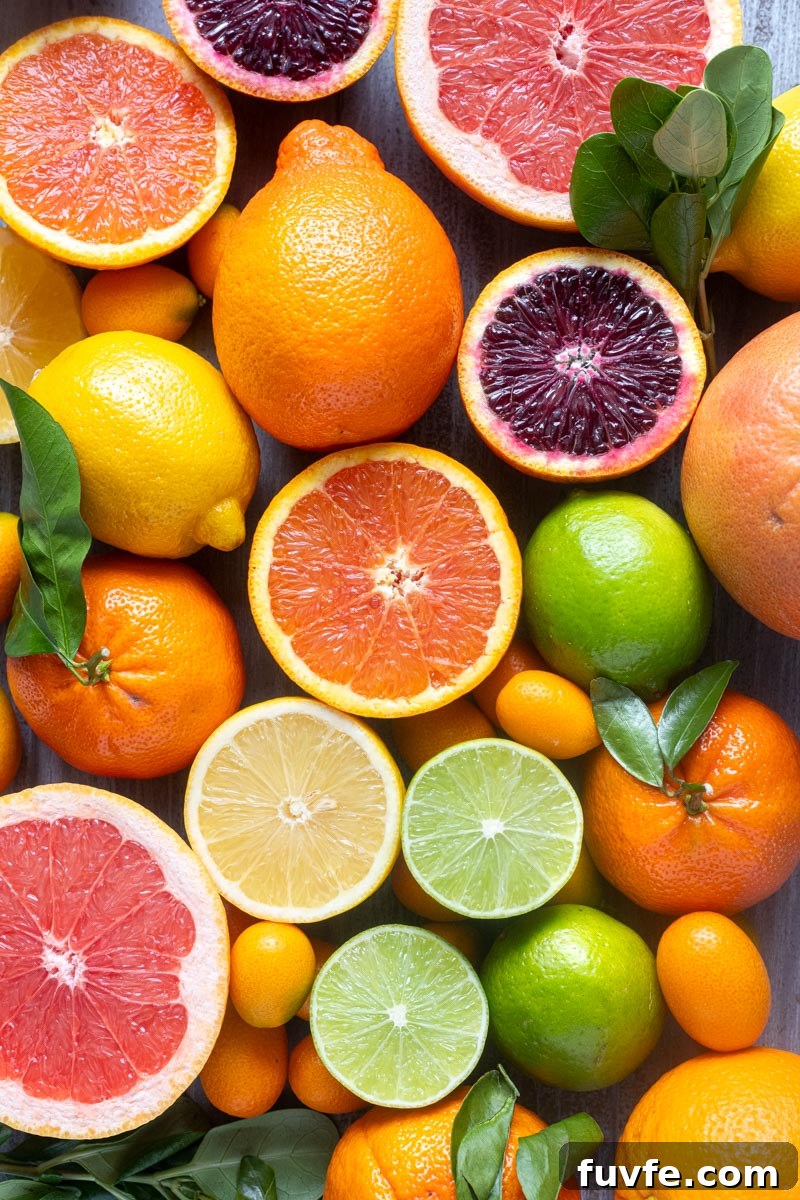
Bright, fresh citrus instantly lifts the flavor of almost any dish. Whether you’re balancing rich foods, brightening salads, or adding zing to marinades and desserts, citrus is a versatile ingredient in everyday cooking. This guide explains how to cook with citrus, outlines common varieties and their flavor profiles, and offers storage and selection tips. You’ll also find a collection of citrus-forward recipes to inspire you to use these fruits whenever they’re in season.
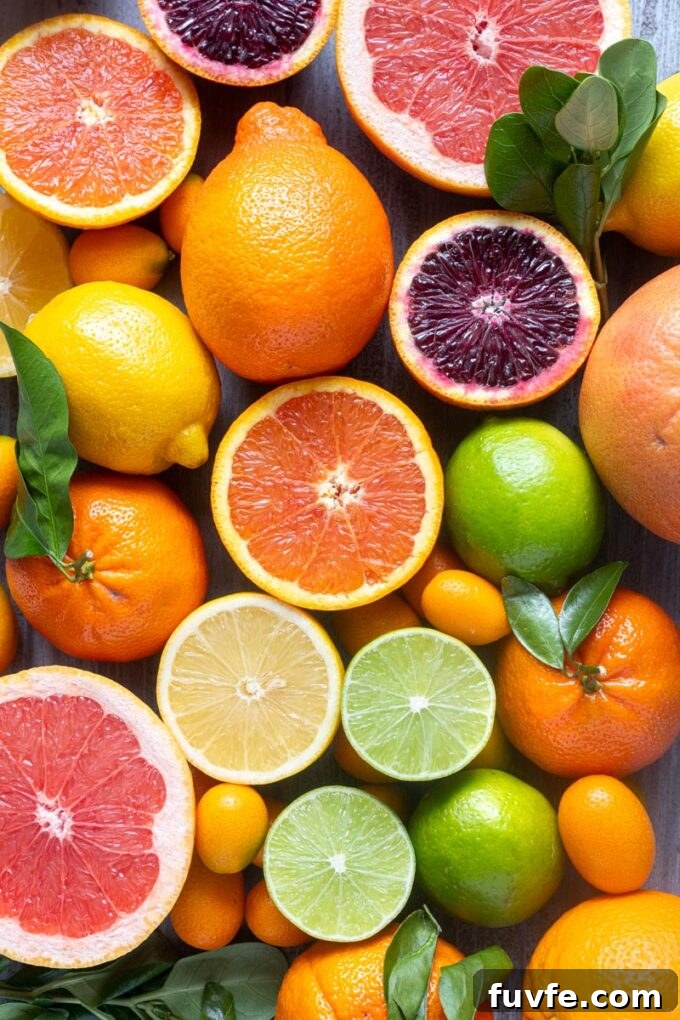
I use citrus every day because a little fresh juice or zest can transform a simple meal into something memorable. The right citrus brightens savory dishes, adds balance to baked goods, and brings a clean finish to sauces and dressings.
This Citrus Guide covers peak seasons for common fruits like oranges, lemons, limes, grapefruit and mandarins; explains flavor characteristics and best culinary uses; and gives practical tips for choosing, storing and cooking with citrus.
From marinated chicken with lemon to a classic key lime pie or a winter citrus salad, knowing which varieties work best — and when they’re at their peak — will make seasonal cooking easier and more delicious.
If you want to save recipes from this guide, bookmark the page or copy the recipe titles into your notes. Many of the recipes below are easy to adapt and use common citrus pairings like lemon with chicken or lime with seafood.
Why cooking with citrus makes food better
Citrus does more than add flavor — it balances richness, highlights natural flavors, and adds freshness to a dish. A splash of citrus can cut through fat, brighten heavy sauces, and enhance aromatics in both savory and sweet preparations.
Citrus contributes:
- Acidity to balance richness and fat
- Natural sweetness with no added sugar
- Aromatic zest that intensifies flavor
- Brightness to lift heavier dishes
- Tenderizing effects when used in marinades
A quick squeeze of lemon or lime at the end of cooking often makes flavors feel fresher and more defined.
Easy ways to use citrus in cooking
If you’re new to cooking with citrus, start with simple techniques that deliver big flavor:
- Finish soups, roasted vegetables, or proteins with a squeeze of lemon or lime.
- Add zest to baked goods, sauces, and marinades for concentrated flavor.
- Use citrus juice as the acid in vinaigrettes and pan sauces.
- Toss citrus segments into salads for a refreshing contrast.
- Pair citrus with proteins like salmon, chicken, shrimp or with avocado and olive oil.
Common citrus varieties and flavor profiles
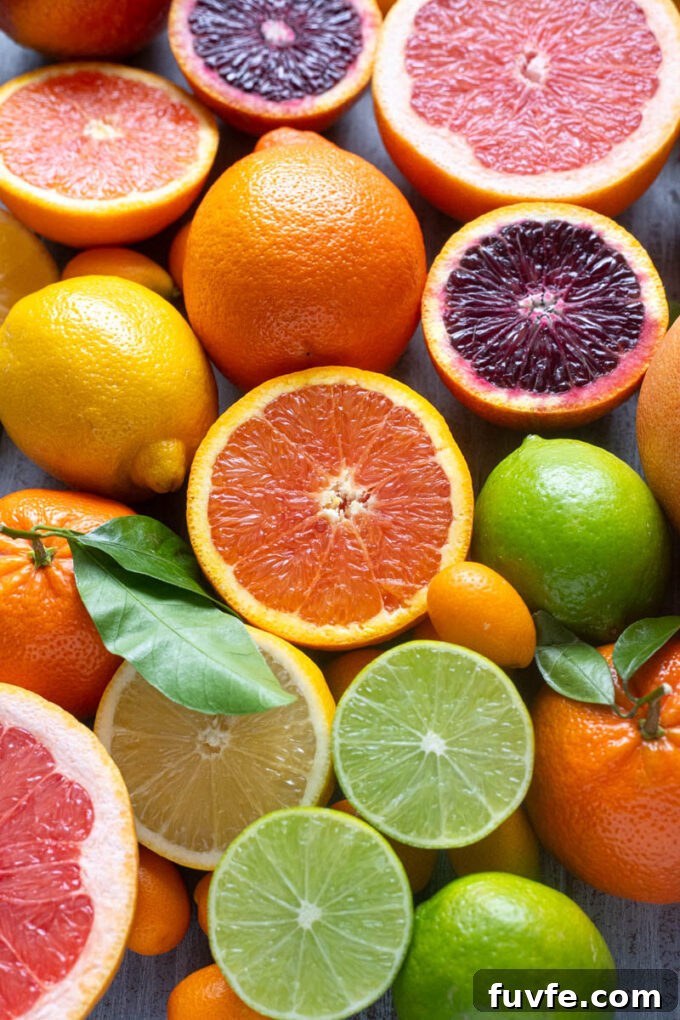
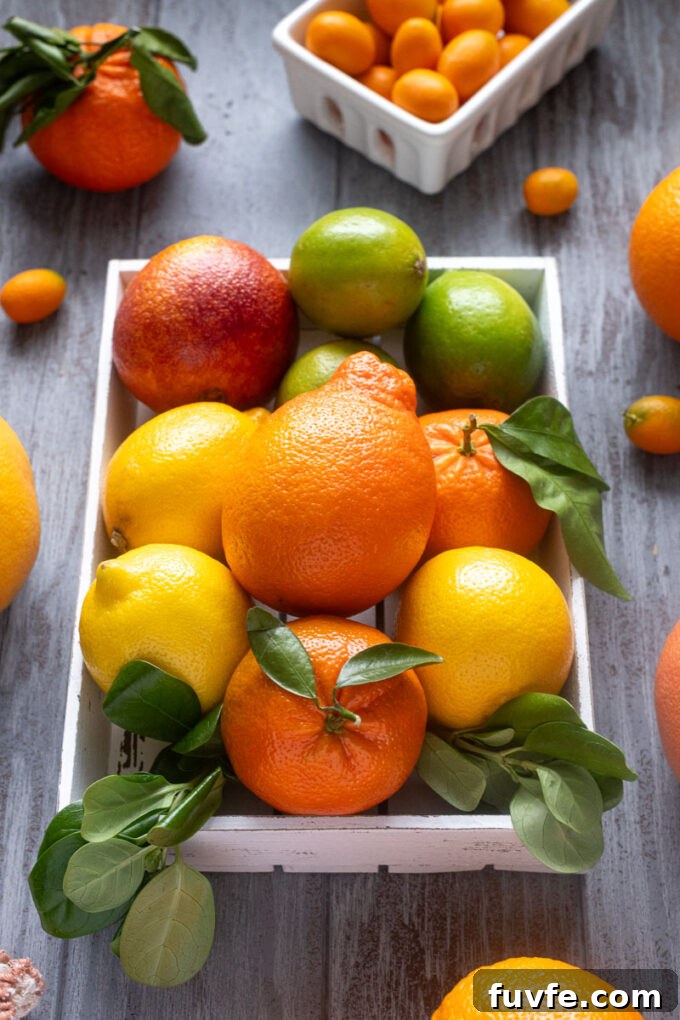
Oranges
Types: Navel, Cara Cara, Valencia, blood orange
Flavor: Mainly sweet to mildly tart
Best Uses: Salads, fresh juice, smoothies, marinades, and roasted poultry
- Navel: Sweet and seedless, great for snacking.
- Cara Cara: Pink flesh with subtle berry notes.
- Blood orange: Sweet-tart with a distinctive color and floral aroma.
- Valencia: Very juicy — excellent for juicing.
Lemons
Types: Eureka, Meyer
Flavor: Bright and tart; Meyer lemons are sweeter and more floral
Best Uses: Baking, vinaigrettes, sauces, soups and finishing dishes
Meyer lemons have thinner skin and a softer acidity, which makes them especially suited to desserts and delicate sauces.
Limes
Types: Persian, Key (Mexican)
Flavor: Sharp, punchy acidity
Best Uses: Mexican and Asian dishes, marinades, ceviche, and desserts
Key limes are smaller and more aromatic; they’re prized for key lime pie and curds.
Grapefruit
Flavor: Sweet-tart with a light, pleasant bitterness
Best Uses: Salads, broiled sections, breakfast bowls
Pink and ruby varieties are usually sweeter than white grapefruit.
Mandarins (Clementines, Tangerines & Satsumas)
Flavor: Sweet, low acidity, easy to peel
Peak Season: Late fall to winter
Best Uses: Snacking, salads, light desserts
Mandarins are small, loosely skinned citrus that are especially convenient for quick snacks or adding sweet segments to salads.
- Clementines: Sweet and usually seedless.
- Tangerines: Slightly deeper flavor and mild tartness.
- Satsumas: Juicy and very easy to peel.
Kumquats
Flavor: Sweet skin, tart flesh
Peak Season: Winter months
Best Uses: Salads, marmalade, desserts, cocktails
Kumquats are eaten whole — peel included — which creates a bright, sweet-tart contrast that works well in preserves or as a garnish.
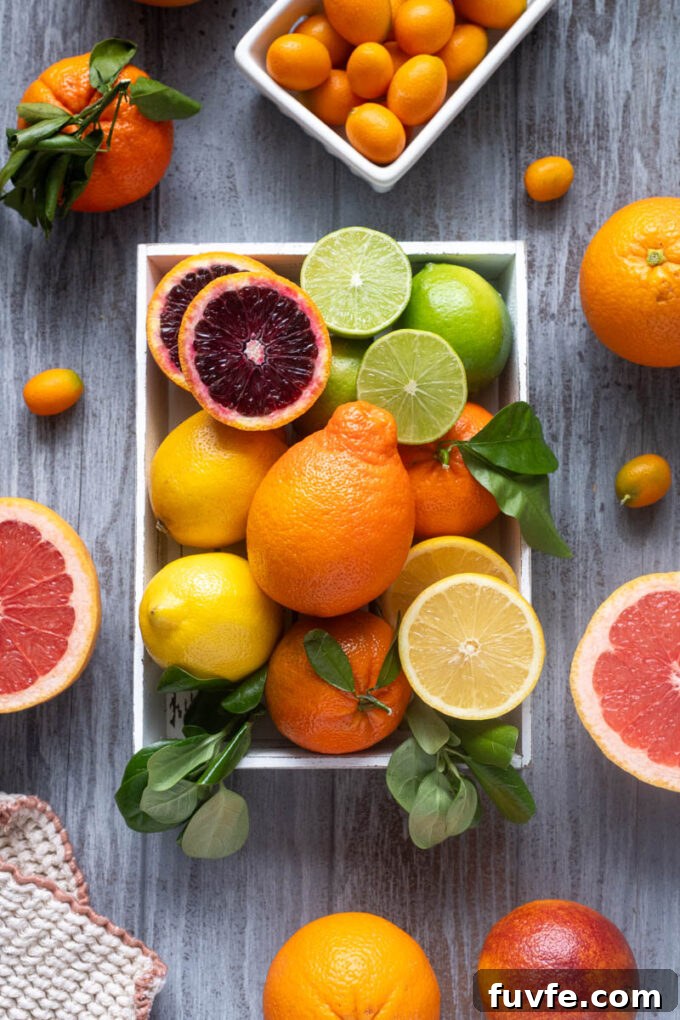
When is citrus in season?
In many U.S. growing regions — especially California, Florida, Arizona and Texas — citrus crops ripen from late fall through early spring. While supermarket supplies make oranges, lemons and limes widely available year-round, most varieties taste their best during the cooler months when they become sweeter and juicier.
Typical peak season windows:
- November–April for many oranges and mandarins
- November–March for Meyer lemons
- January–May for grapefruit
- Limes are often available throughout the year from warm climates
During peak season citrus develops more natural sugars, yields more juice, and develops thinner, more fragrant skins.
How to choose citrus
Pick fruit that is heavy for its size (a sign of juiciness), firm but not rock hard, and vibrant in color. A light scratch should release a pleasant citrus fragrance. Avoid fruit that feels dry, overly soft, or unusually shriveled.
How to store citrus
- Keep citrus at room temperature for 2–3 days if you plan to use it quickly.
- Refrigerate whole fruit to extend freshness for up to two to three weeks.
- Zest before juicing to capture the most aromatic oils.
- Freeze fresh juice in ice cube trays for handy portions you can add to dressings or sauces later.
Recipes using citrus
Citrus works beautifully in both savory and sweet recipes. Fresh juice provides acidity and brightness, while zest delivers concentrated, aromatic flavor. Below are recipe ideas arranged by category to help you add citrus to your menu.
Savory citrus recipes
Citrus is ideal for marinades, dressings, sauces and finishing touches. Here are savory recipes that feature lemon, lime, orange or grapefruit to enhance proteins, grains and vegetables.

Easy Chicken Piccata
Get the Recipe

Ground Beef Enchilada Casserole
Get the Recipe
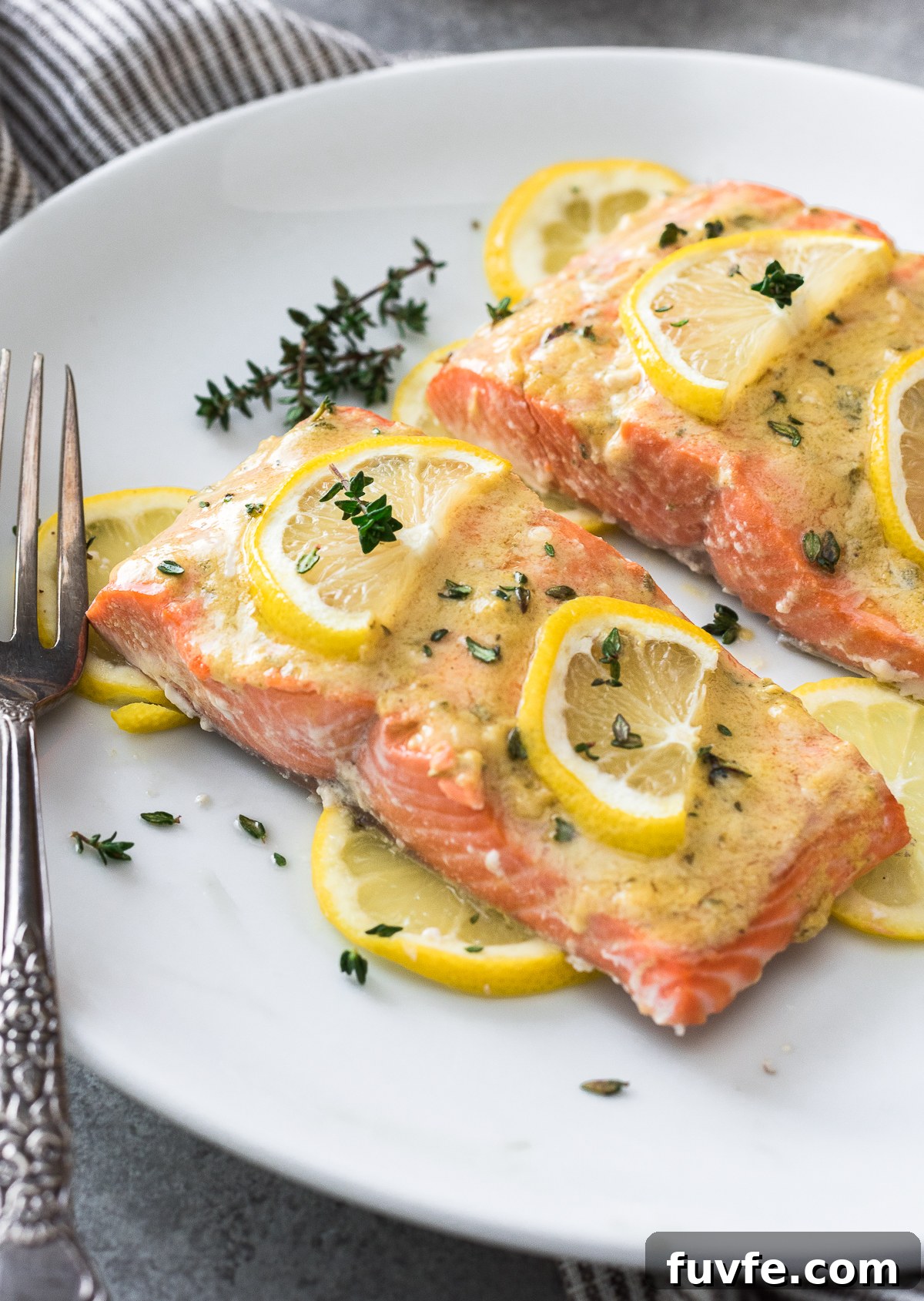
Lemon Dijon Baked Salmon
Get the Recipe
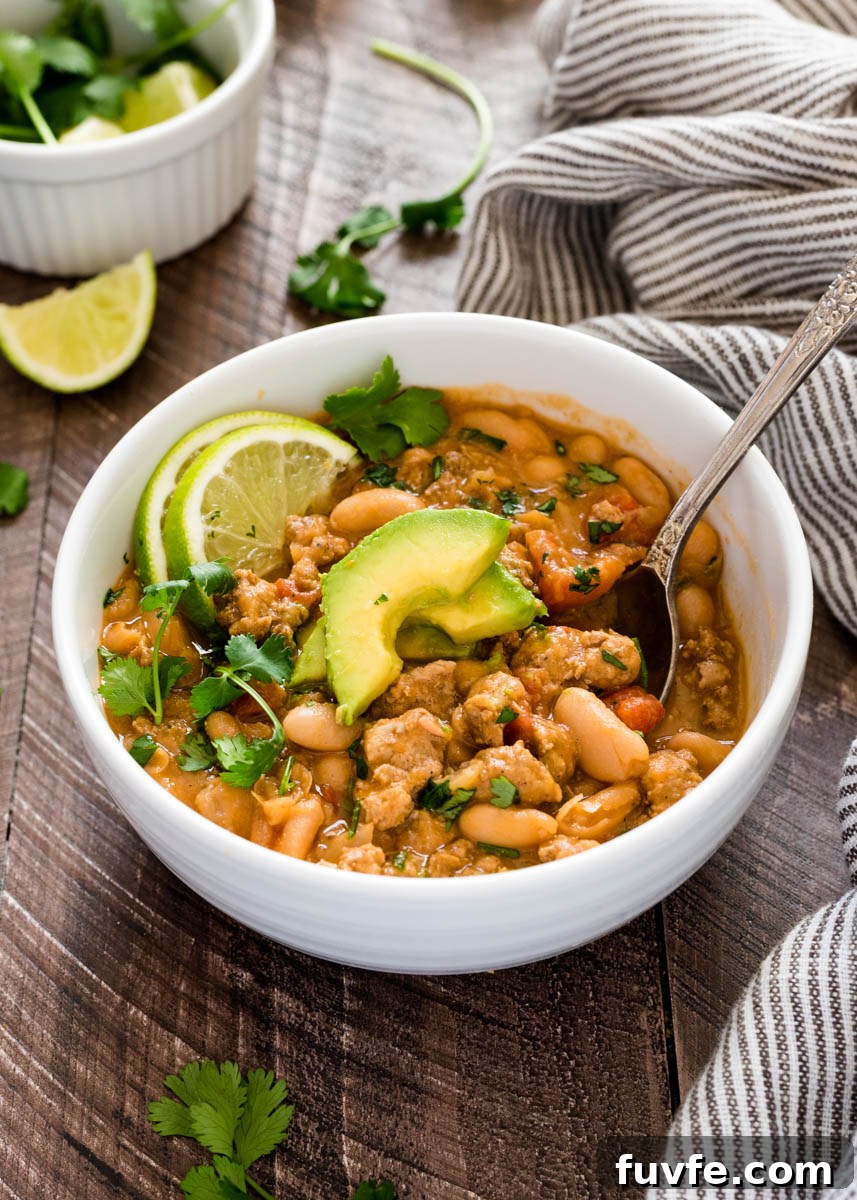
White Bean Turkey Chili
Get the Recipe
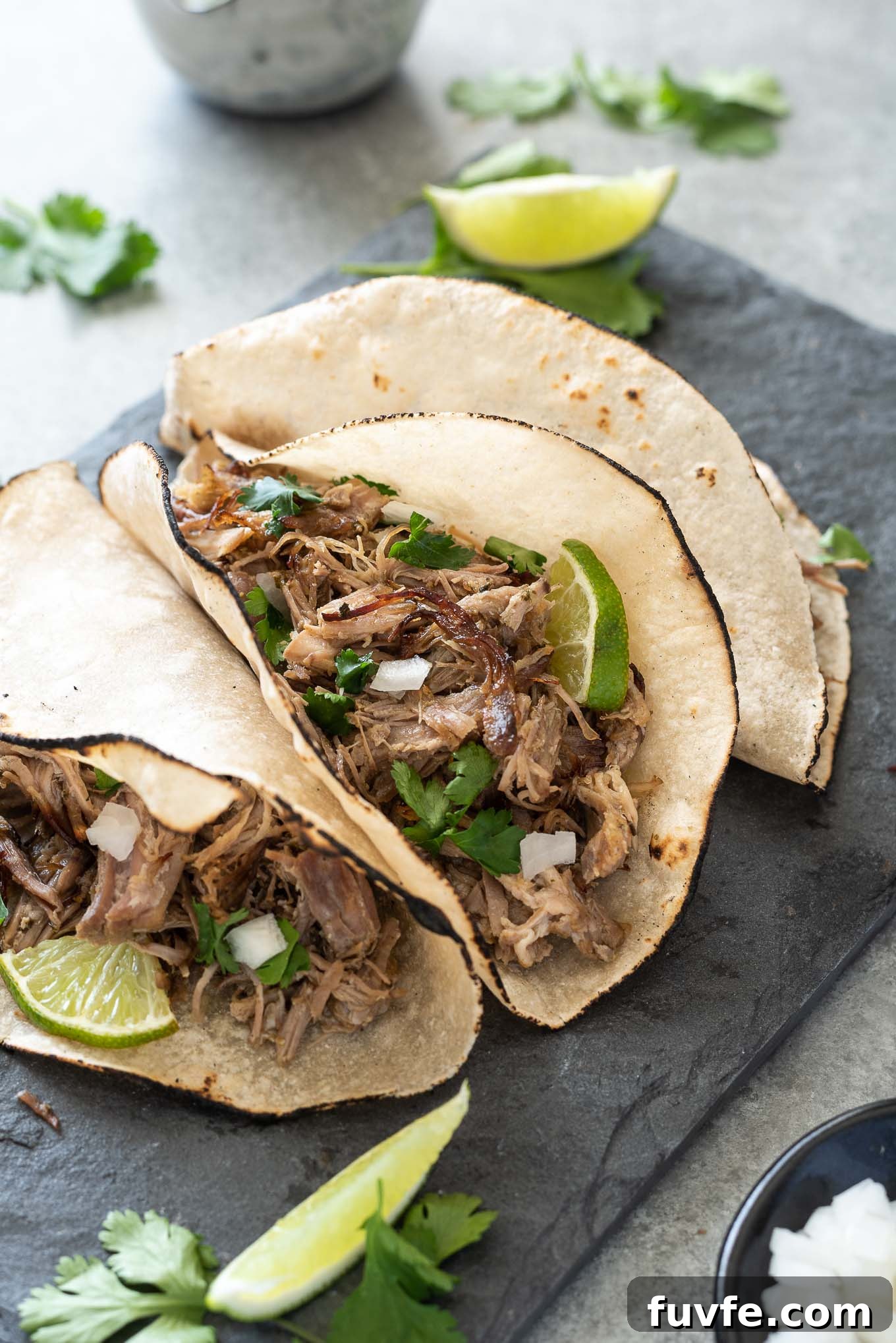
Slow Cooker Pork Carnitas
Get the Recipe
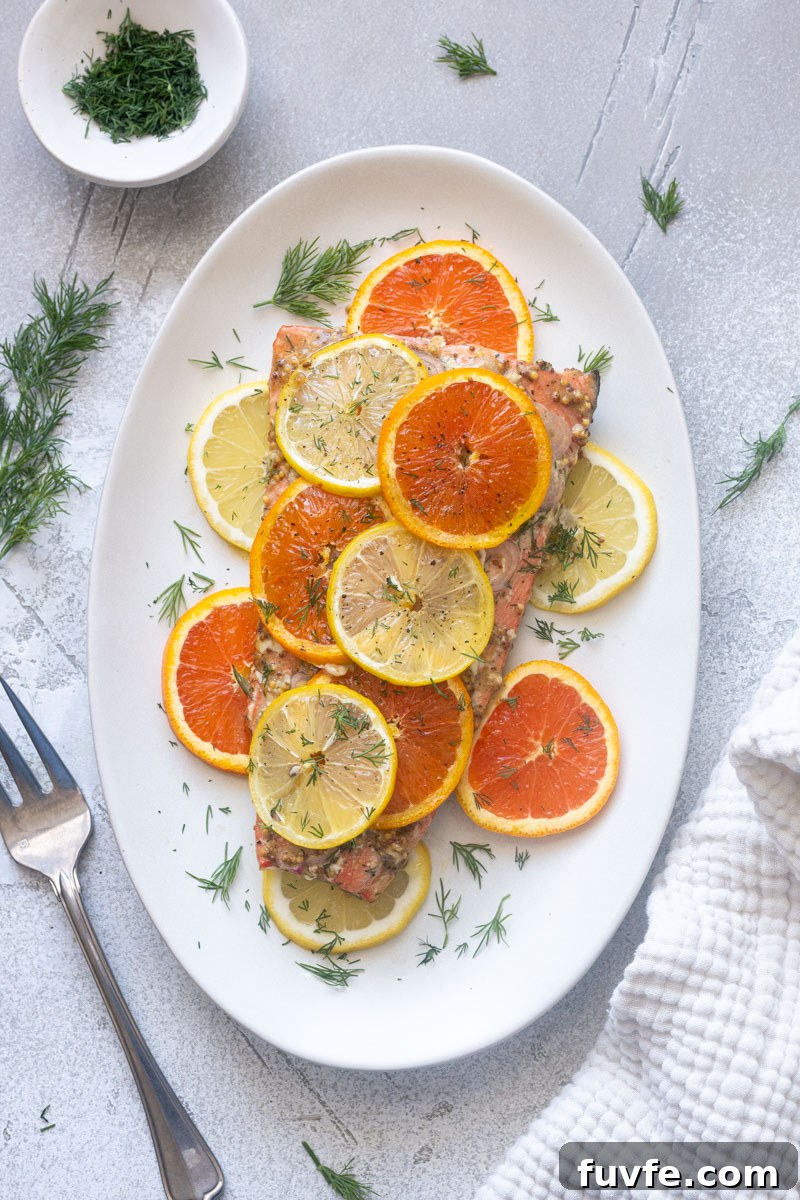
Slow Roasted Citrus Salmon
Get the Recipe
Sweet citrus recipes
Citrus lends bright acidity to desserts and baked goods. Zest concentrates citrus aroma without adding liquid, while juice gives a clean, tangy lift. Below are desserts and sweet treats that showcase lemon, lime and orange.
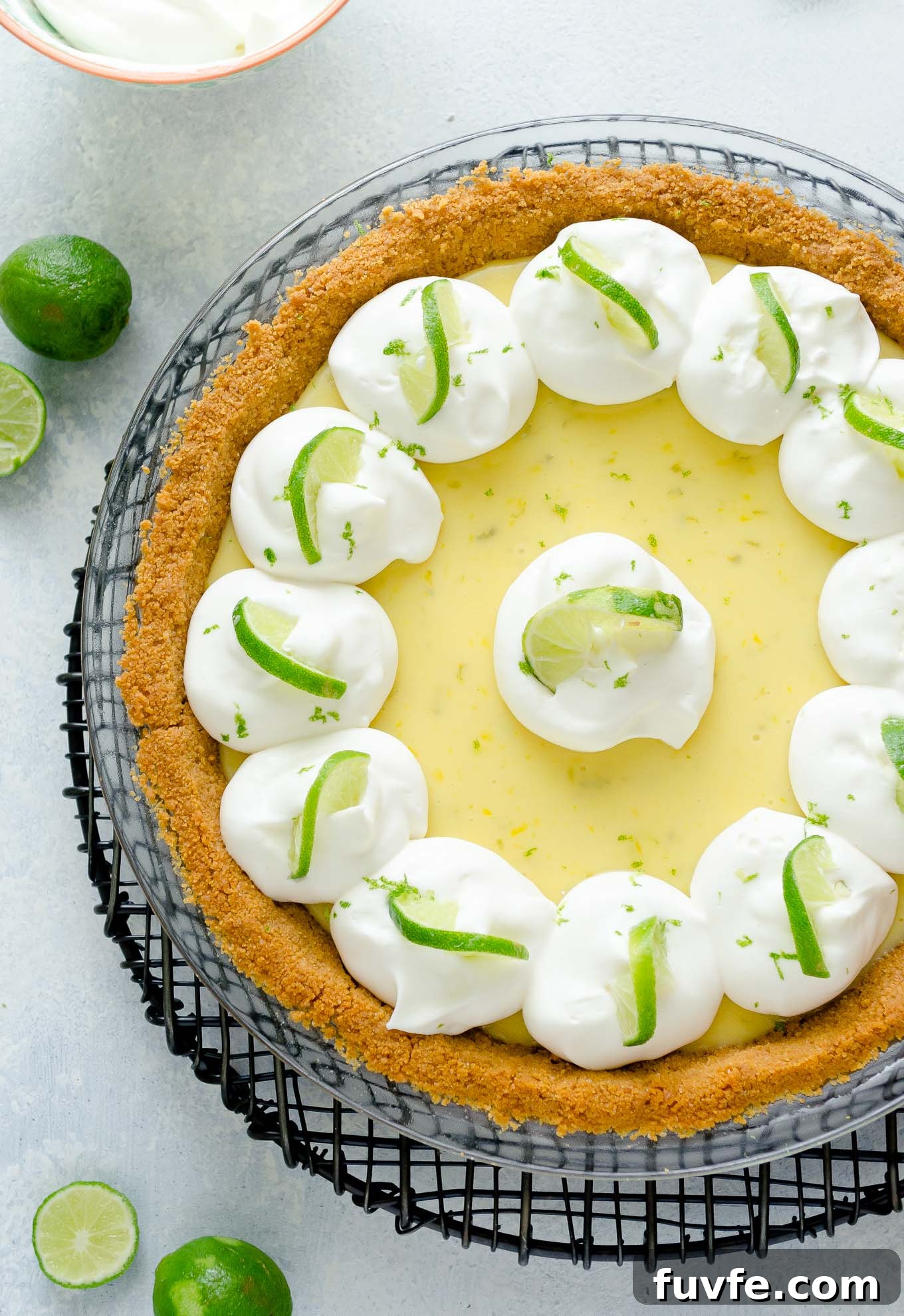
Easy Classic Key Lime Pie
Get the Recipe

Easy Lemon Bars
Get the Recipe
Citrus cocktails and drinks
Fresh citrus juice elevates both cocktails and everyday beverages. Use citrus to balance sweetness and add bright acidity to smoothies, mocktails and cocktails.
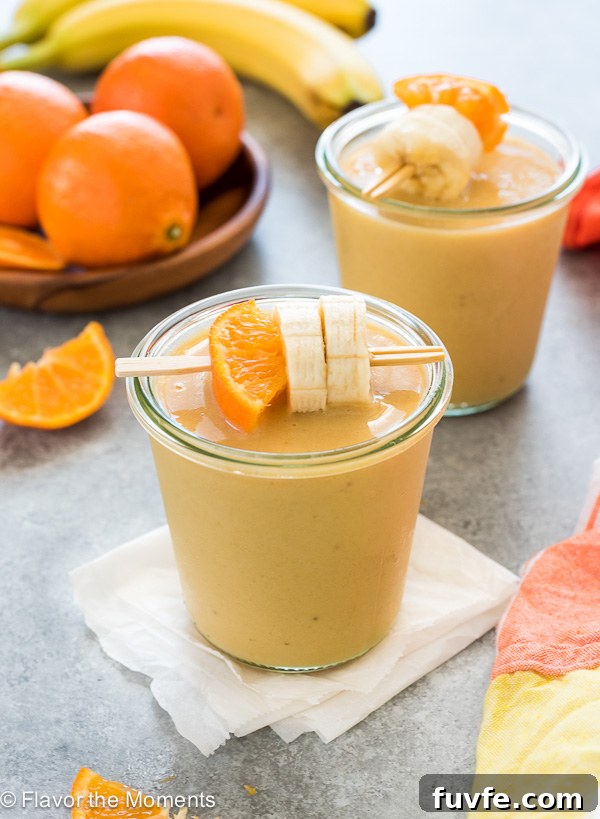
Orange Creamsicle Smoothie
Get the Recipe
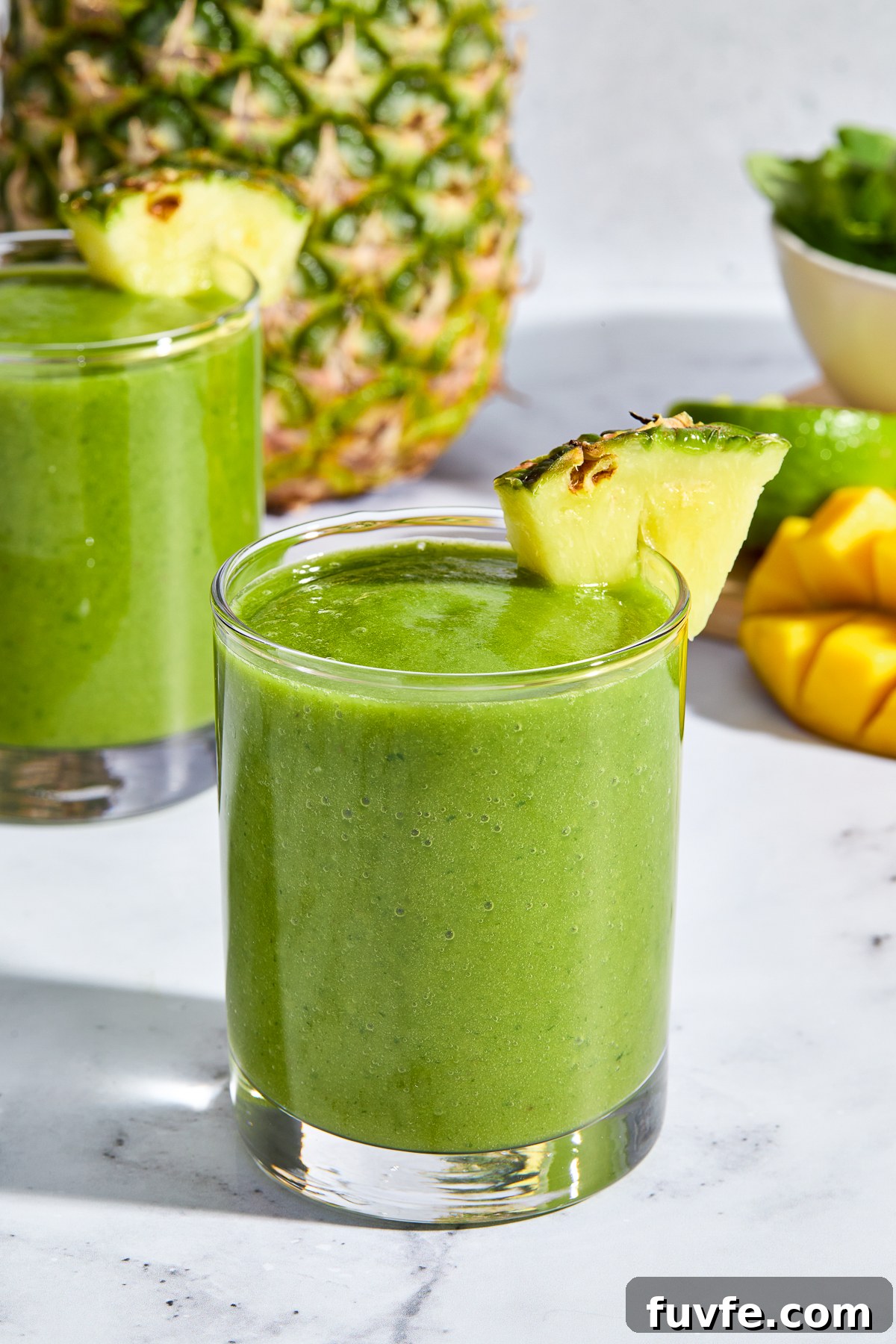
Tropical Mango Kale Smoothie
Get the Recipe
FAQs
Citrus is available year-round in many markets, but most varieties reach their peak flavor from late fall through early spring.
Meyer lemons are generally sweeter and less acidic with a floral aroma compared to standard Eureka or Lisbon lemons.
Whole citrus stored in the refrigerator can stay fresh for up to two or three weeks; freshly squeezed juice is best used within a few days.
Yes. Freeze juice in ice cube trays, then transfer the cubes to a freezer-safe container for convenient portions.
Citrus tastes best in season, when it’s sweeter, juicier and more aromatic. Learning to select the right variety and using zest and juice thoughtfully will help you get the most from these bright, flavorful fruits.
Bookmark this guide as a quick reference for cooking with citrus and for recipe ideas that make the most of seasonal fruit.