I still remember the first time I tasted Armenian gata — it was in a wine cellar in Tbilisi, Georgia. We were drinking wine on a near-empty stomach when Armenian neighbours stopped by offering pastries. One bite of the rolled sweet bread and I knew I wanted to recreate it at home.
After research and travel through Armenia, I discovered regional variations of gata. The version below is the type I most often found in Yerevan and in Armenian bakeries around Tbilisi. In some areas, particularly southern Armenia near Iran, the pastry is also called nazook and is sometimes filled with walnuts alongside the khoreez filling.
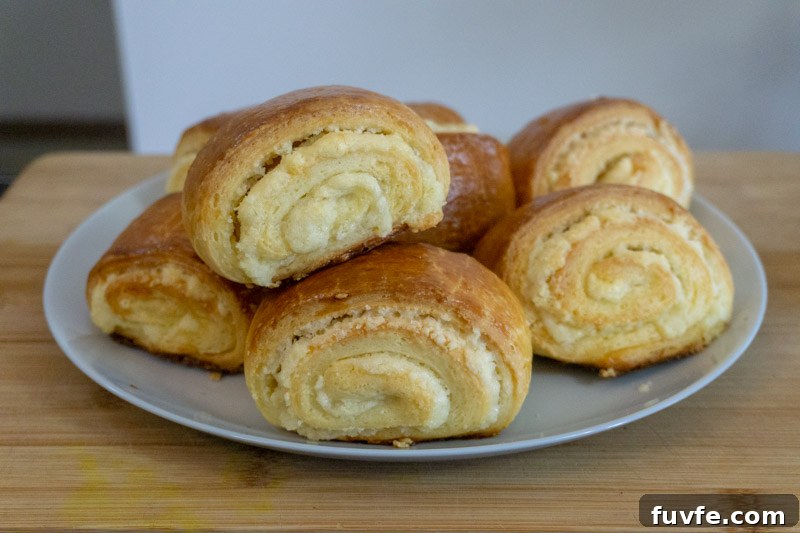
How to Make Armenian Gata
This gata recipe takes time — plan for a first rise, an overnight chill, and a final proof — but most of the time is inactive. Make the dough the night before and bake the next morning for best results.
The version here uses a yeasted enriched dough, which gives a pleasant flavor and texture. If you prefer, some cooks use baking soda instead, but this recipe follows a traditional yeast approach.
Begin by warming a small amount of milk to about 40°C (102°F). Pour the warm milk into a bowl and whisk in the active dry yeast. Let it sit for 5–10 minutes until fragrant and lightly foamy.
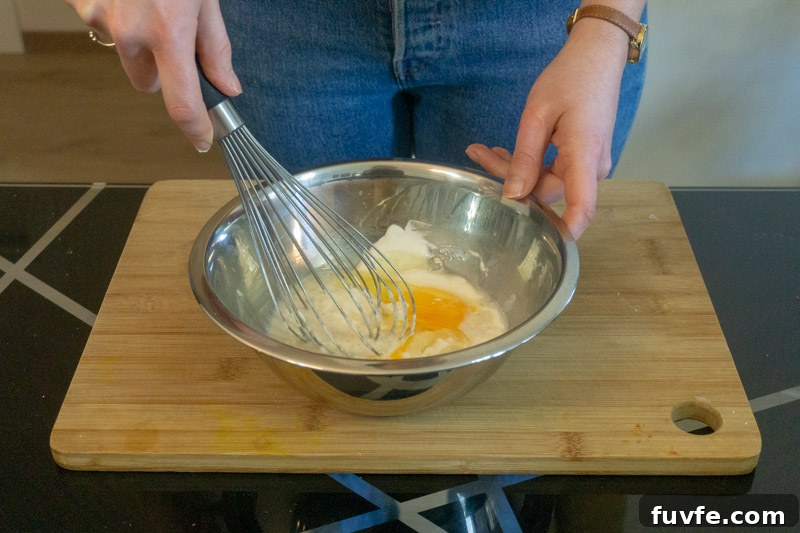
Add the sour cream, egg and sugar to the milk and yeast mixture and whisk until combined. Using room-temperature ingredients helps the dough come together more easily.
In a large bowl whisk together the flour and salt. Add pieces of room-temperature butter and, using your fingertips, rub the butter into the flour until the pieces are the size of peas. This creates a lightly laminated, tender dough.
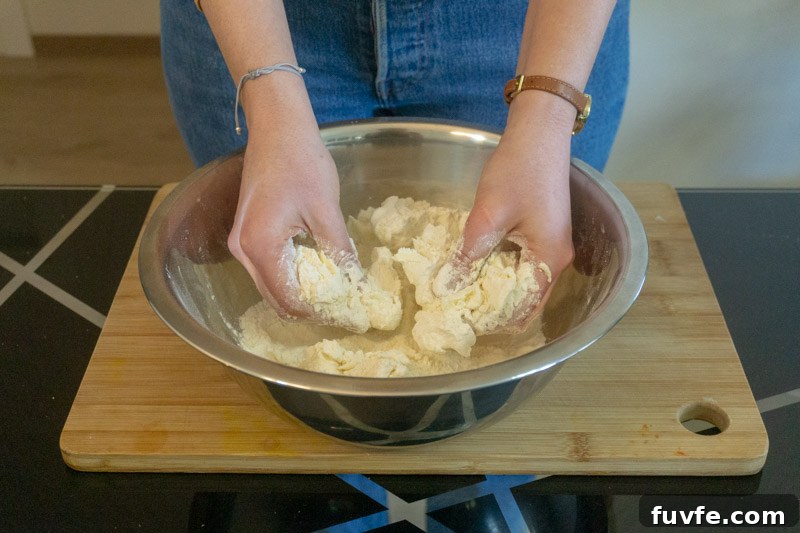
Make a well in the flour mixture and pour in the wet ingredients. Stir with a wooden spoon or silicone spatula until a soft, slightly shaggy dough forms and the flour is fully hydrated. Turn the dough onto a lightly floured surface and knead briefly until smooth and just barely tacky.
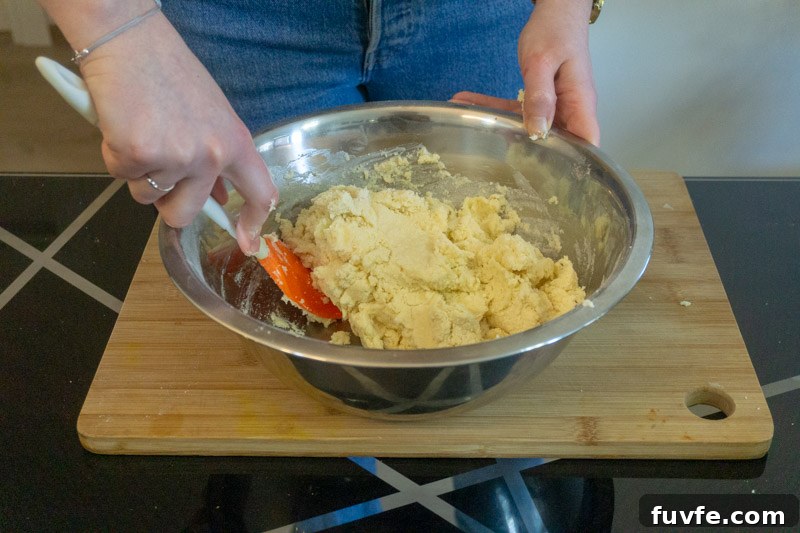
Form the dough into a tight ball, place it in a lightly greased bowl, and cover. Let it rise in a warm spot for 1½–2 hours, until it increases by roughly 50% (the enriched dough won’t double like lean doughs). After the first rise, gently deflate the dough, cover it tightly, and refrigerate for at least eight hours or overnight to develop flavor and make it easier to roll.
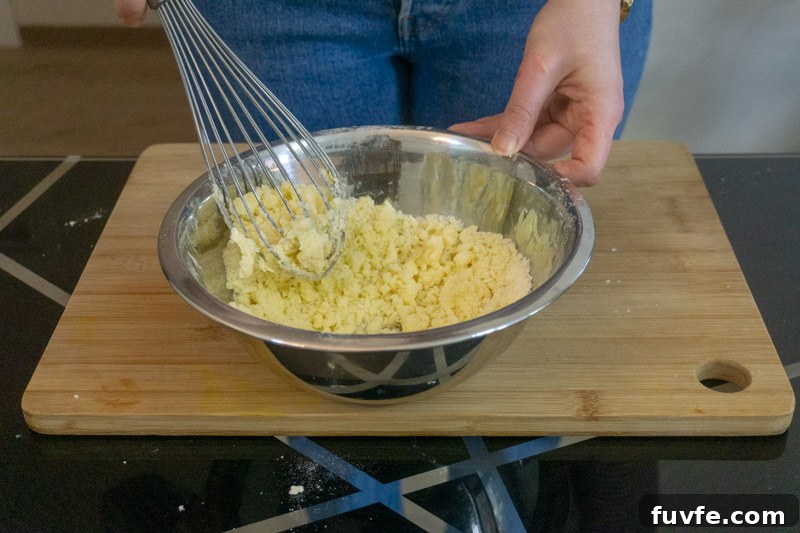
The next day prepare the khoreez filling. Whisk the flour and salt in a small bowl. Add room-temperature butter and rub it into the flour until the texture resembles coarse sand or small peas. Stir in the sugar until evenly combined and set the filling aside.
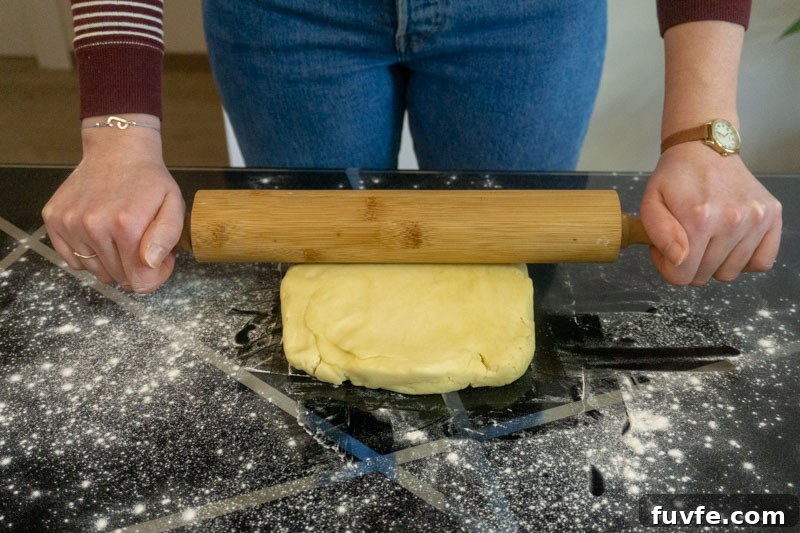
Lightly flour a work surface and roll the chilled dough into a 40 x 30 cm (16 x 12 in) rectangle of even thickness. Keep flour usage minimal to avoid toughening the dough. Spread the filling evenly over the dough, leaving a small border along the top long edge so you can seal the seam.
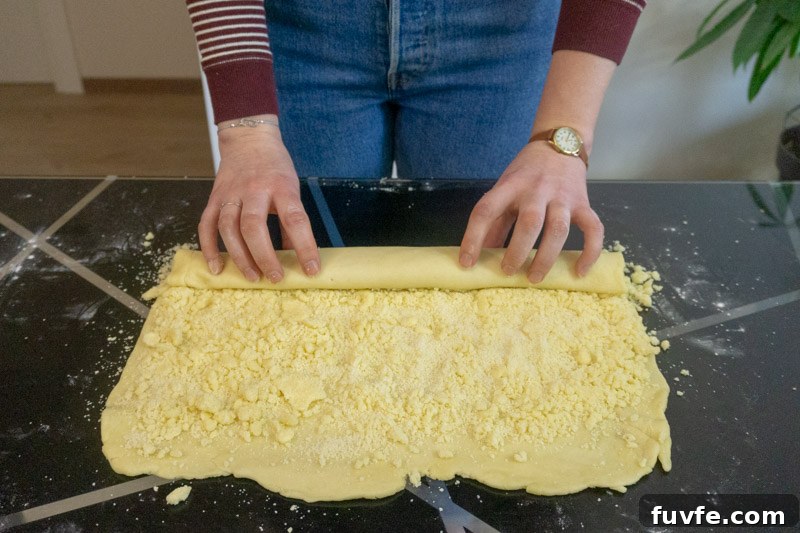
Starting from the long edge closest to you, roll the dough into a tight log. Pinch the seam to seal and place the log seam-side down on a board or tray. Press lightly to flatten, cover loosely with plastic wrap, and chill for 15–20 minutes to firm up for slicing.
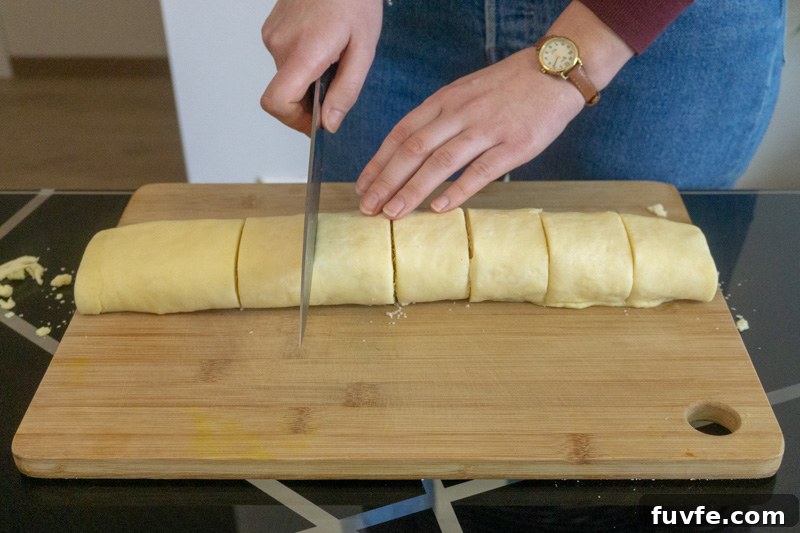
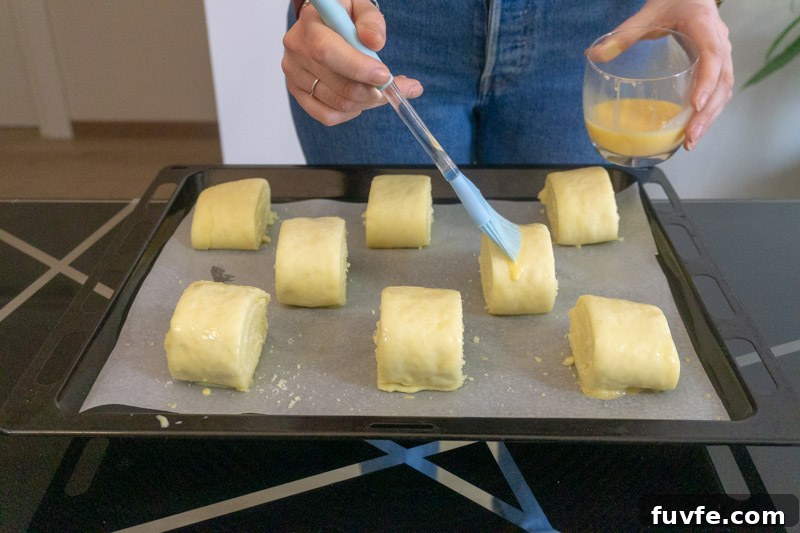
Trim the ends to square them, then cut the log into eight equal pieces. Arrange the pieces on a parchment-lined baking sheet, seam-side down, and cover loosely. Proof at room temperature until lightly puffed, about one hour.
Preheat the oven to 180°C (350°F). Whisk one egg with about 1 tablespoon of milk and brush the tops of the gata with the egg wash. Bake 30–35 minutes, or until well risen and deep golden brown. Transfer to a wire rack and cool completely before serving.
Stored in an airtight container at room temperature, gata will keep for up to three days, though they are best enjoyed fresh. These pastries are rich, buttery and delightfully tender — a lovely, slightly different sweet treat from the Caucasus.