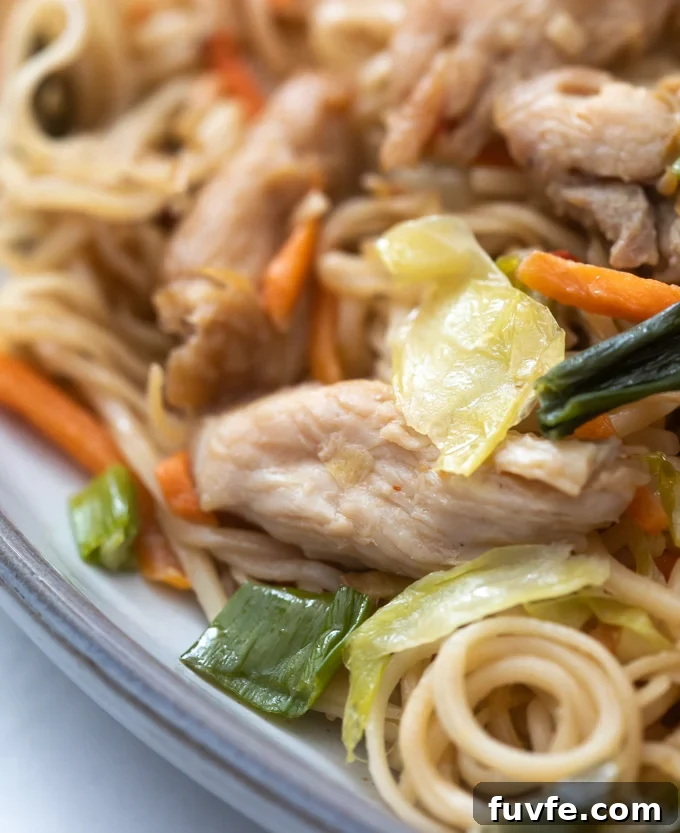
This chicken chow mein recipe uses professional Chinese restaurant techniques to deliver the ideal balance of flavors and textures—no greasy takeout required.
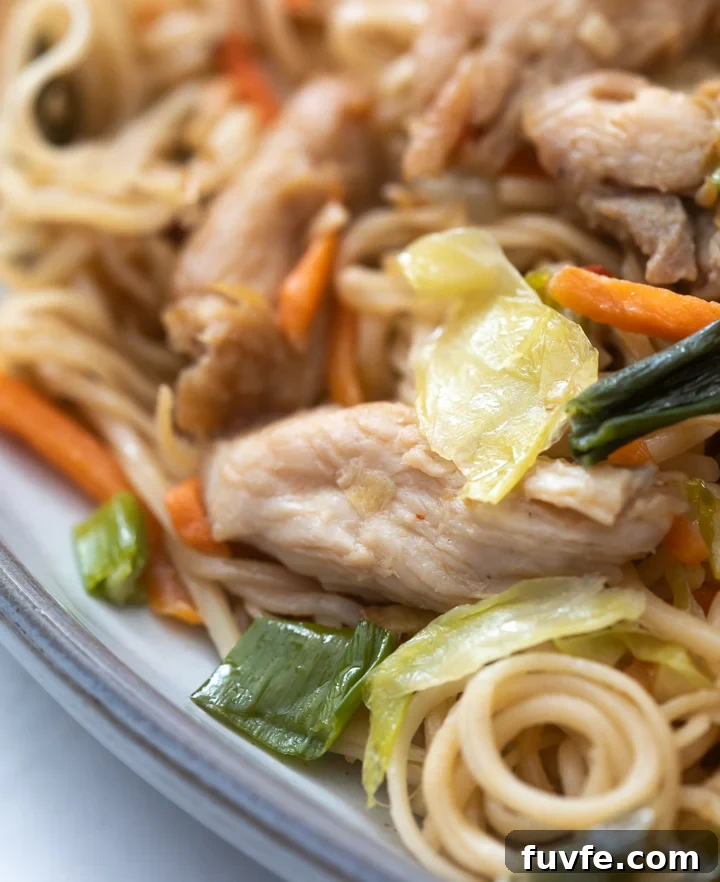
Better Than Takeout: Restaurant Secrets for Perfect Chicken Chow Mein
Restaurant chow mein earns its reputation from a few precise techniques: tender, velvety chicken, properly prepared noodles, and cooking over high heat to develop flavor. This guide brings those professional tips to your kitchen so you can make a lighter, fresher, and truly restaurant-quality chicken chow mein at home.
What Is Chicken Chow Mein?
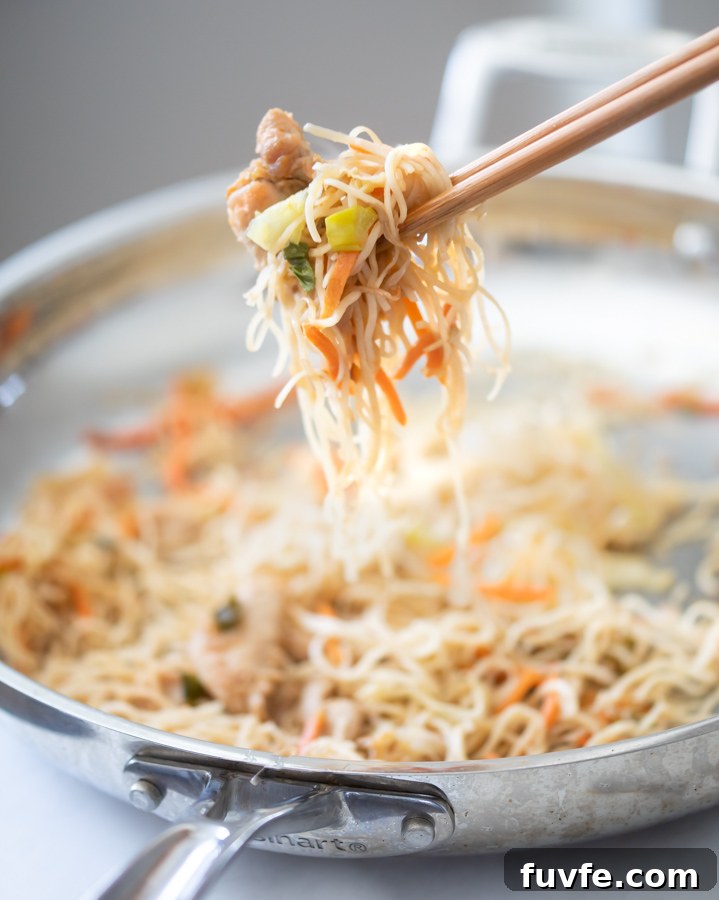
Chicken chow mein is a stir-fried noodle dish with tender chicken, noodles, and crisp vegetables such as cabbage, carrots, bean sprouts, and green onions. The term “chow mein” refers to the stir-frying method rather than a fixed set of ingredients, which explains regional variations.
Restaurant Techniques That Make the Difference
Use these three pro techniques to get authentic results:
- Velveting the Chicken: Add 1/4 teaspoon baking soda to the chicken marinade, let it rest 20 minutes, then rinse before continuing with the regular marinade. This improves tenderness and mouthfeel.
- Create Wok Hei: If you don’t have a wok, heat your pan 3–4 minutes until it’s very hot before cooking. The high heat encourages the smoky, savory notes commonly called “wok hei.”
- Prep the Noodles: After cooking, rinse noodles in cold water and toss with a teaspoon of oil to prevent clumping and help the noodles absorb sauce evenly.
Choosing the Right Ingredients
Noodles
For authentic texture, choose yellow wheat noodles labeled “steamed” from the refrigerated section. Fresh yakisoba-style or chow mein noodles work well. Avoid rice noodles or wonton noodles if you want classic chow mein.
Vegetables
Typical vegetables are green cabbage (or napa), carrots, bean sprouts, and green onions. Slice cabbage thinly for even cooking. You can add bell peppers, water chestnuts, mushrooms, or snap peas to suit your taste.
Protein
This recipe uses chicken breast, but shrimp, pork, or beef are excellent substitutes. Mix proteins (chicken + shrimp) for a house-special style dish.
Making the Chow Mein Sauce
Make the sauce up to three days ahead; chilling allows the flavors to meld. If you don’t have oyster sauce, hoisin or a soy-sugar-cornstarch blend can work as alternatives.
[Recipe instructions follow]
Troubleshooting Common Issues
Use these quick fixes when things don’t go as planned:
- Sticky Noodles: Add 1–2 tablespoons hot water while stir-frying to create steam that separates the noodles without greasing them.
- Sauce Too Thick: Thin with hot water, one tablespoon at a time. Cold water can cause clumping.
- Vegetables Release Water: Cook watery vegetables separately and drain before combining to avoid soggy noodles.
Storage and Reheating
Store noodles separately from vegetables and sauce for best results. Reheat in a pan over medium heat with 1–2 tablespoons water to loosen the noodles; avoid the microwave if you want to preserve texture.
With these professional tips you can make a healthier, fresher version of chicken chow mein that often outperforms delivery.
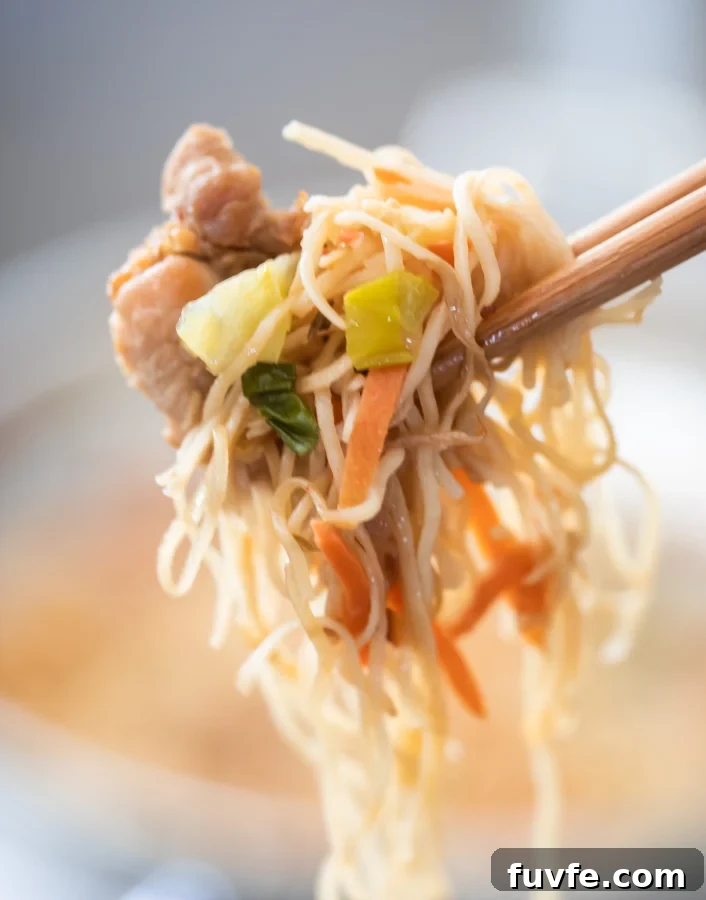
Frequently Asked Questions
What’s the difference between chow mein and lo mein?
Chow mein is typically stir-fried until the noodles gain slight crispness; lo mein is tossed and kept softer. Chow mein usually uses thinner noodles while lo mein uses thicker ones.
Why does restaurant chow mein taste better?
Restaurants use velveting to tenderize meat, very high heat for wok hei, and careful noodle prep. Implementing these three steps at home yields restaurant-style results.
Can I prepare this ahead of time?
Yes. Marinate the chicken, mix the sauce, and cut vegetables up to three days ahead. Store components separately and cook the noodles fresh when ready to serve.
What if I need a gluten-free version?
Use rice or certified gluten-free chow mein noodles, tamari instead of soy sauce, and a gluten-free oyster sauce. Verify all packaged ingredients are labeled gluten-free.
How to Make Chicken Chow Mein Like Takeout
- Prepare the Chicken
- Slice chicken breast thinly against the grain.
- Mix garlic, ginger, soy sauce, sesame oil, cornstarch, salt and pepper. For velveting, add 1/4 tsp baking soda, rest 20 minutes, then rinse and continue with the marinade.
- Marinate 20–60 minutes (longer if possible).
- Cook and Prep Noodles
- Cook noodles per package instructions.
- Rinse with cold water and toss with 1 tsp oil to prevent sticking. Set aside.
- Make the Sauce
- Whisk oyster sauce, soy sauce, water, bouillon and sugar. Adjust seasoning and set aside. Sauce can be made up to 3 days ahead.
- Cook the Dish
- Heat a wok or heavy pan 3–4 minutes until very hot.
- Add oil and cook chicken until golden and cooked through (about 3–5 minutes). Remove and set aside.
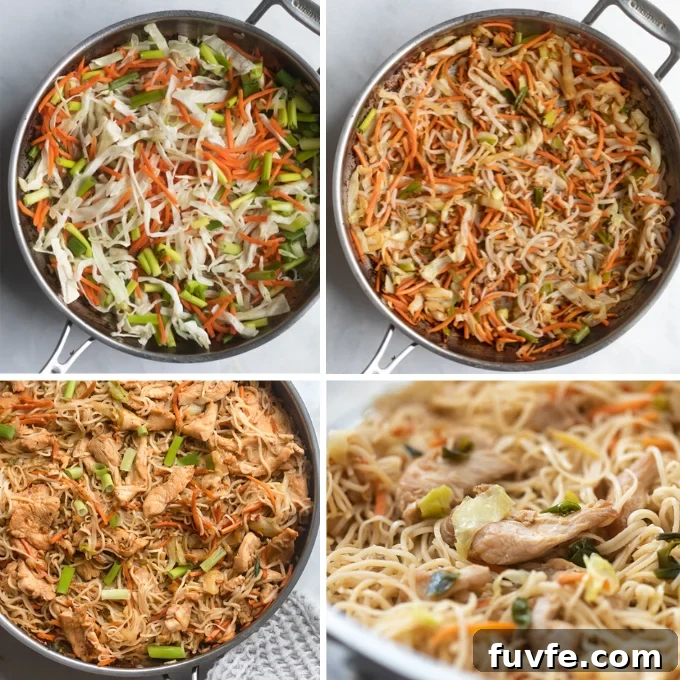
- In the same pan, add aromatics (garlic, ginger, optional crushed red pepper) for 30 seconds. Add carrots and cabbage; cook until tender-crisp. Stir in bean sprouts and half the green onions.
- Add noodles and sauce, then return the chicken. Toss until everything is hot and coated. Garnish with remaining green onions and serve immediately.
Takeout Chicken Chow Mein
April Boller Wright
Ingredients
- 8 oz chow mein noodles — cooked per package
- 16 oz chicken breast
- 2 tsp minced garlic
- 1 1/2 tsp ginger
- 2 tbsp soy sauce
- 2 tsp cornstarch
- 2 tsp sesame oil
- 1 tbsp vegetable oil, plus more as needed
- 1/4 tsp ground ginger
- 1/2 tsp crushed red pepper (optional)
- 1 1/2 cup shredded cabbage
- 1 1/2 cup shredded carrots
- 7 oz bean sprouts, drained
- 1/4 tsp salt
- 1/2 tsp pepper
Chow Mein Sauce
- 3 tbsp oyster sauce
- 1 tbsp soy sauce
- 1/4 cup water
- 1/2 tsp better than bouillon (or bouillon paste)
- 2 tsp sugar
Instructions
Prep Work
- Cook noodles per package; rinse with cold water and toss with 1 tsp oil. Set aside.
- Slice chicken into thin strips and chop vegetables. Mix sauce ingredients and set aside.
Marinate the Chicken
- In a bowl combine minced garlic, fresh ginger, soy sauce, sesame oil, salt, pepper and cornstarch. Add chicken and marinate 20–60 minutes. For velveting, add 1/4 tsp baking soda, rest 20 minutes, then rinse and proceed with the marinade.
Cook the Dish
- Heat oil in a wok or large pan over medium-high heat until very hot. Cook marinated chicken 3–4 minutes per side until cooked through. Remove and set aside.
- In the same pan, add garlic, ginger and crushed red pepper for 30 seconds. Add carrots and cabbage; cook until tender-crisp. Stir in bean sprouts and half the green onions.
- Add noodles and pour in the prepared sauce. Return chicken and toss everything until hot and well combined. Top with remaining green onions and serve immediately.
Notes
Pro Tips for Success
- Heat Management: Cook in batches to avoid overcrowding; overcrowding causes steaming instead of frying.
- Noodle Prep Secret: Rinse cooked noodles with cold water and toss with 1 tsp oil to prevent clumping and help sauce absorption.
- Wok Hei Hack: Heat pan 3–4 minutes before cooking to mimic wok heat and add flavor.
- Velveting: Add 1/4 tsp baking soda to the chicken, rest 20 minutes, rinse, then marinate for tender results.
- Sauce Shelf Life: Sauce can be premixed and refrigerated up to 3 days for better flavor melding.
Storage and Reheating
- Best Way to Store: Keep noodles, vegetables and sauce separate when storing leftovers.
- Reheating: Reheat in a pan with 1–2 tablespoons hot water; avoid the microwave to preserve noodle texture.
YOU MAY ALSO LIKE:
Chicken Green Bean Stir Fry w/Sweet Chili Sauce (popular variation)
Sweet and Sour Chicken
Easy Sweet Thai Chili Sauce
Easy Teriyaki Baked Chicken Legs