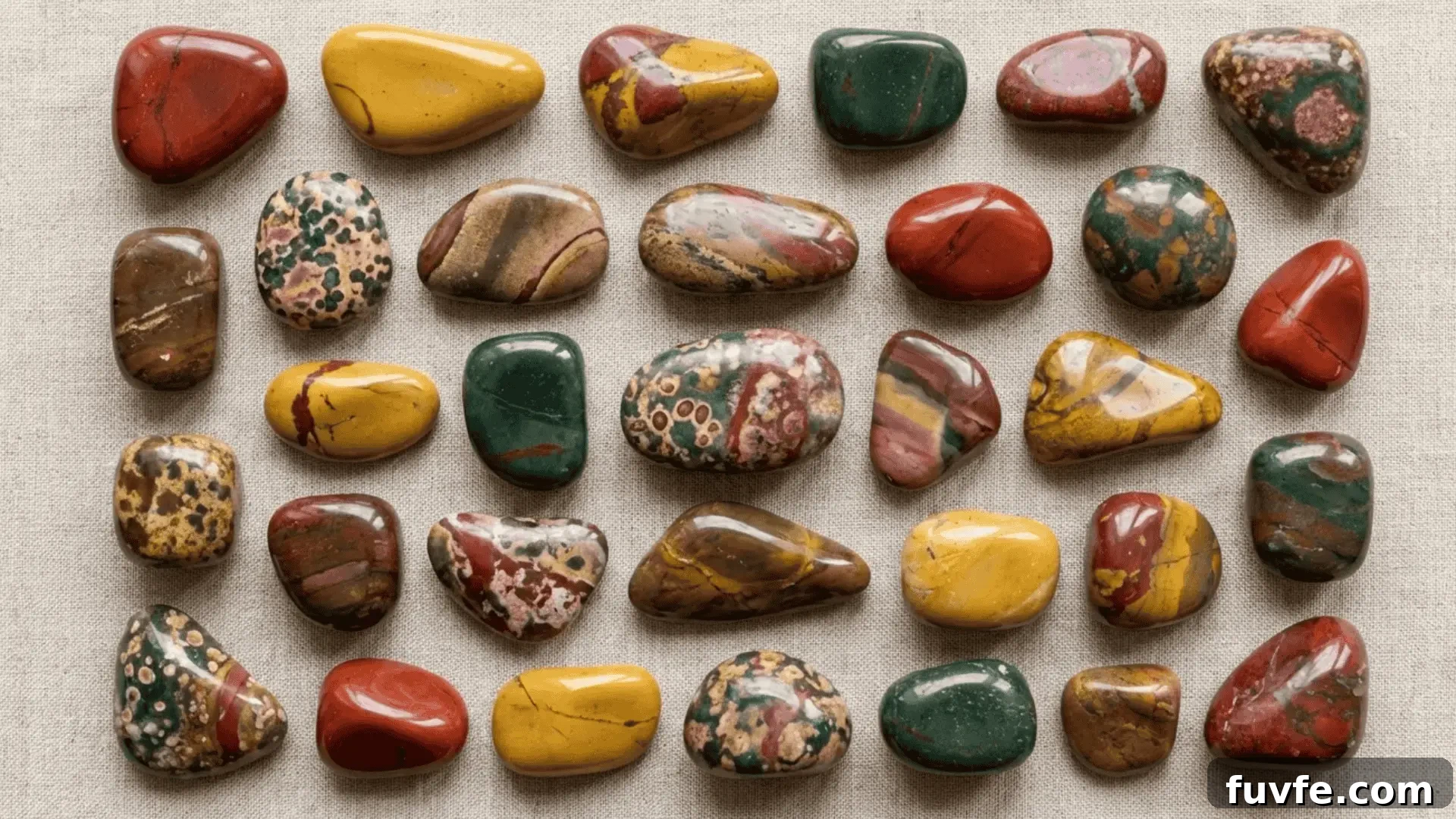
Jasper is prized for its broad and eye-catching color range, but many people don’t know what actually produces that variety.
The colors of jasper are not random. They reflect the minerals and environmental conditions present when the stone formed, which is why no two pieces are exactly alike.
From rich reds and warm yellows to earthy greens and rarer blues or purples, each hue and pattern reveals part of the stone’s geological story.
Below is a clear, concise guide to what influences jasper’s color, the most common and uncommon shades, how characteristic patterns form, and practical tips for recognizing genuine jasper.
What is Jasper Stone?
Jasper is an opaque form of chalcedony, itself a microcrystalline variety of quartz. Unlike transparent or translucent gems such as quartz crystal or amethyst, jasper blocks light entirely, giving it a solid, grounded look.
It occurs on nearly every continent and has been used for millennia in jewelry, carvings, and decorative objects. Because it is widely available and appears in so many colors and patterns, jasper is one of the most accessible and identifiable gemstones.
Why Jasper Looks Different from Other Stones
Many gemstones transmit light; jasper does not. Its opacity and the mineral inclusions locked within during formation create the stone’s characteristic solid colors and striking patterns. Depending on the deposit and geological processes involved, jasper can display stripes, spots, swirls, or marbled effects.
What Colors Does Jasper Stone Come In?
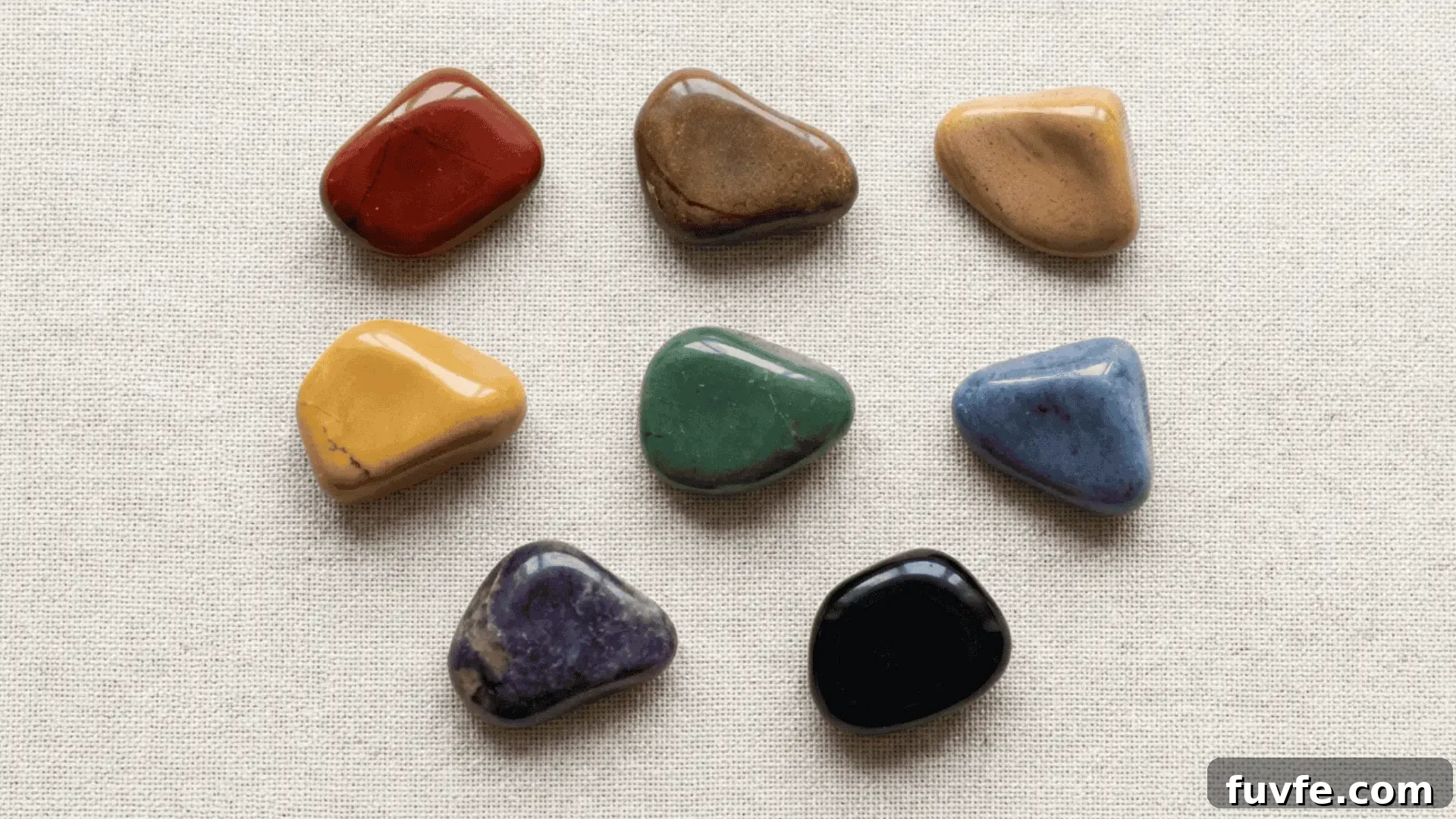
Jasper offers one of the widest natural color ranges of any gemstone. Typical tones include deep reds, warm yellows, earthy browns, and various greens, and occasionally blue, purple, or black. No single shade defines jasper; each specimen is unique.
Most Common Jasper Colors
Certain colors are more frequently encountered, often reflecting regional mineralogy. The most commonly seen jasper colors include:
- Red: A widely recognized jasper color, caused by iron oxide.
- Brown and tan: Earthy tones produced by clay and iron-bearing minerals.
- Yellow: Warm, golden shades from iron and clay components.
- Green: Ranges from pale olive to deep forest green, often due to chlorite or other green minerals.
These colors dominate the market and are frequently used in jewelry and decorative items.
Rare and Unusual Colors
Less common jasper colors tend to command higher interest and value among collectors:
- Blue: Very rare and especially prized when genuine.
- Purple: Uncommon and often appears in small areas or mixed with other colors.
- Black: Striking when pure but not commonly found in unadulterated form.
Rarer tones are more difficult to source and are typically more expensive than common varieties.
What Causes Jasper’s Different Colors and Patterns?
Jasper’s appearance results from the minerals and impurities present during formation. The type, concentration, and distribution of these minerals define the stone’s color and pattern.
Role of Iron and Other Minerals
Specific minerals contribute predictable colors: iron oxides yield reds and yellows; clay and iron-bearing silicates create browns and tans; chlorite or other green minerals produce green tones; carbon and manganese can cause black or purple shades. Combinations of these elements lead to the wide diversity seen in jasper.
Effect of Formation Conditions
Temperature, pressure, and the surrounding rock influence which minerals become trapped in the forming jasper. Jasper formed in volcanic settings often contains different inclusions than jasper formed in sedimentary environments, so two jasper stones from different locations can look markedly different despite being the same mineral type.
Why Patterns Like Bands and Swirls Appear
Bands develop when mineral-rich fluids deposit in successive, stable layers. Swirls and more chaotic patterns appear when fluids mix, change direction, or shift during deposition. Greater movement and variation during formation usually produce more intricate and distinctive patterns.
Popular Types of Jasper Based on Color and Pattern
Jasper varieties are often named for their color, pattern, or place of origin. Recognizing those varieties helps identify and appreciate distinct specimens.
1. Red Jasper
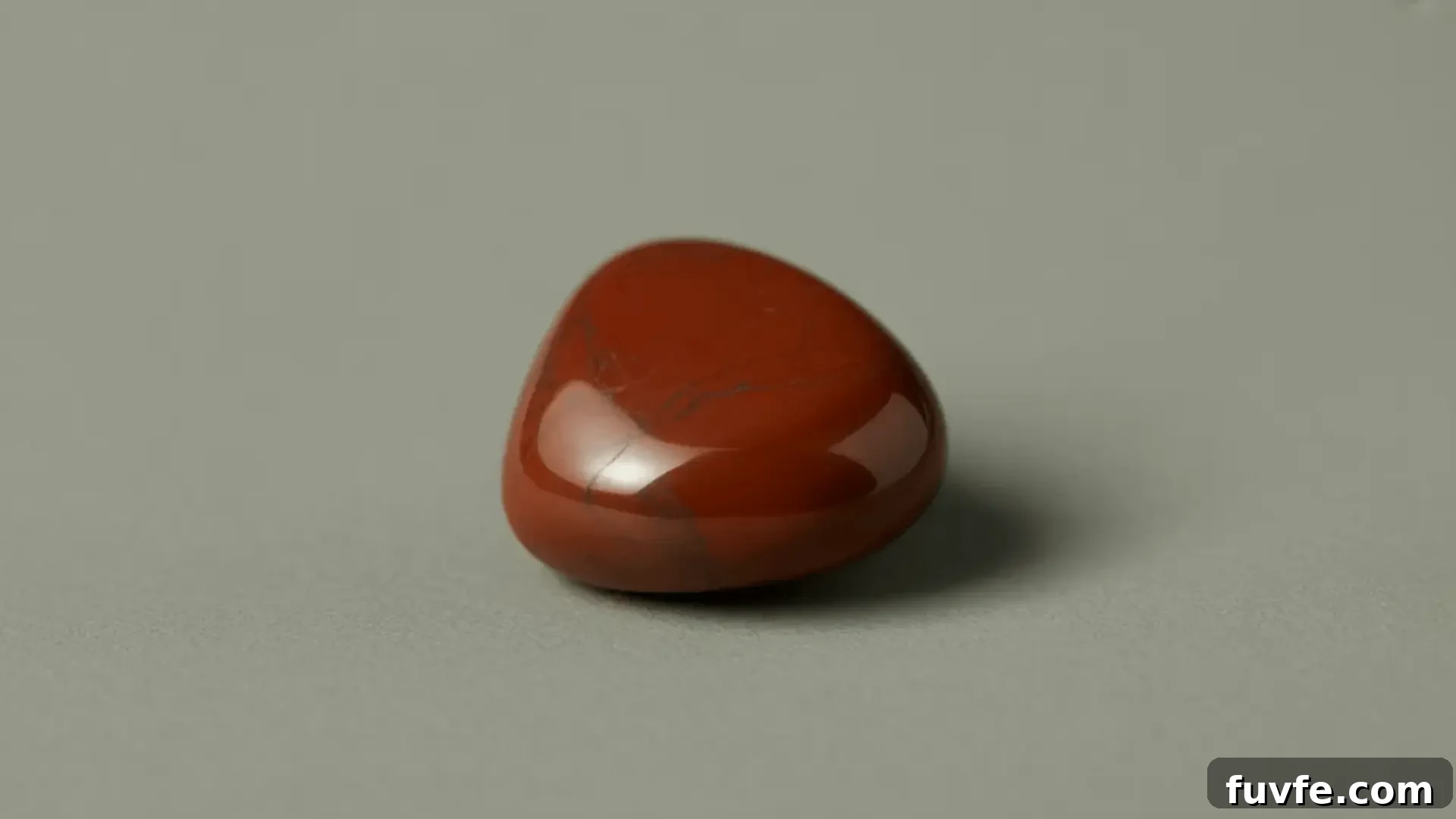
Red jasper is one of the most familiar types. Its deep brick-red hue comes from abundant iron oxide. Surfaces are commonly smooth and uniform, making it a popular choice for jewelry and carved objects.
2. Yellow Jasper
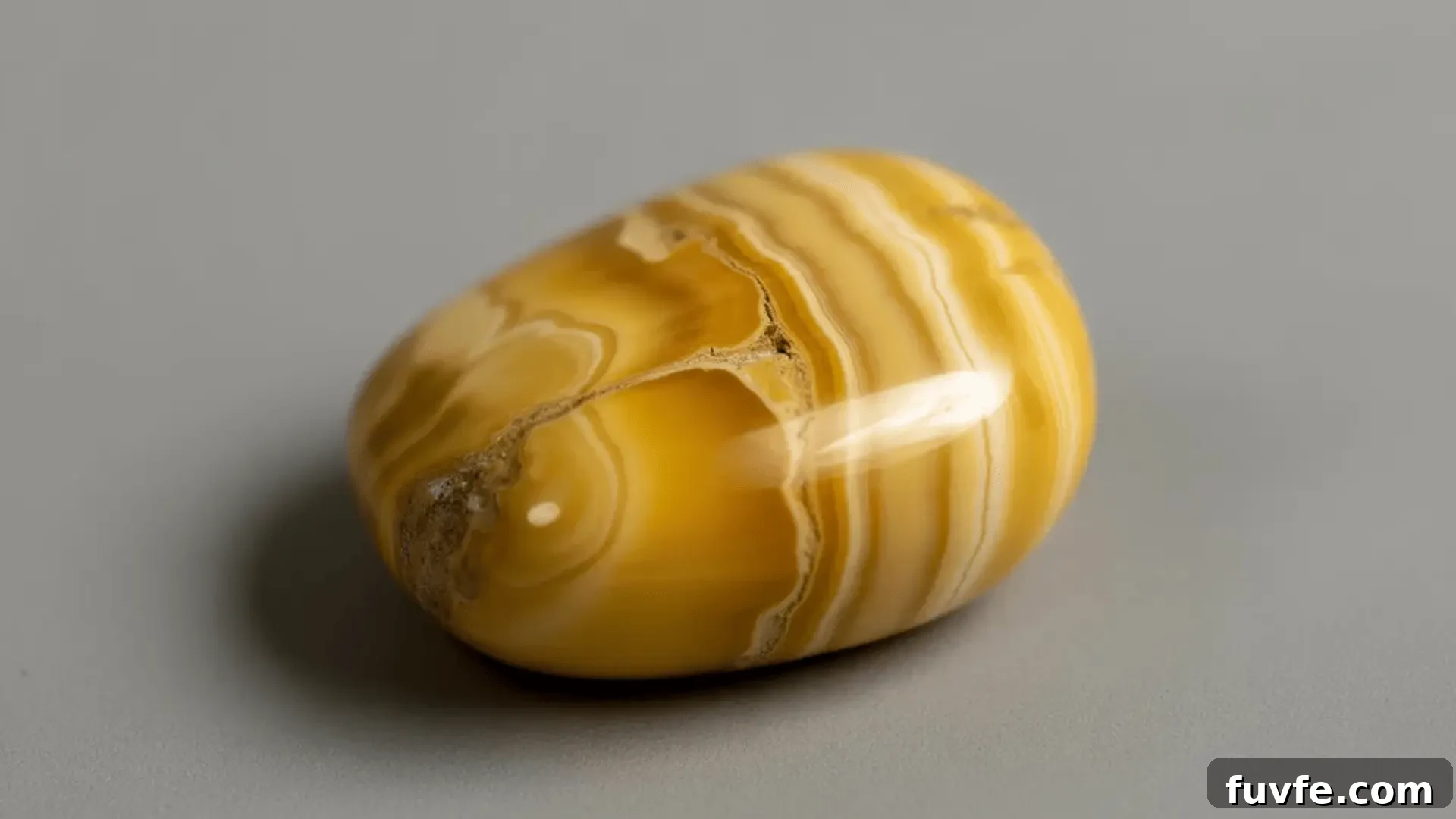
Yellow jasper ranges from pale gold to deeper mustard tones, with colors primarily from iron and clay minerals. Its warm appearance suits beads, pendants, and ornamental pieces.
3. Green and Kambaba Jasper
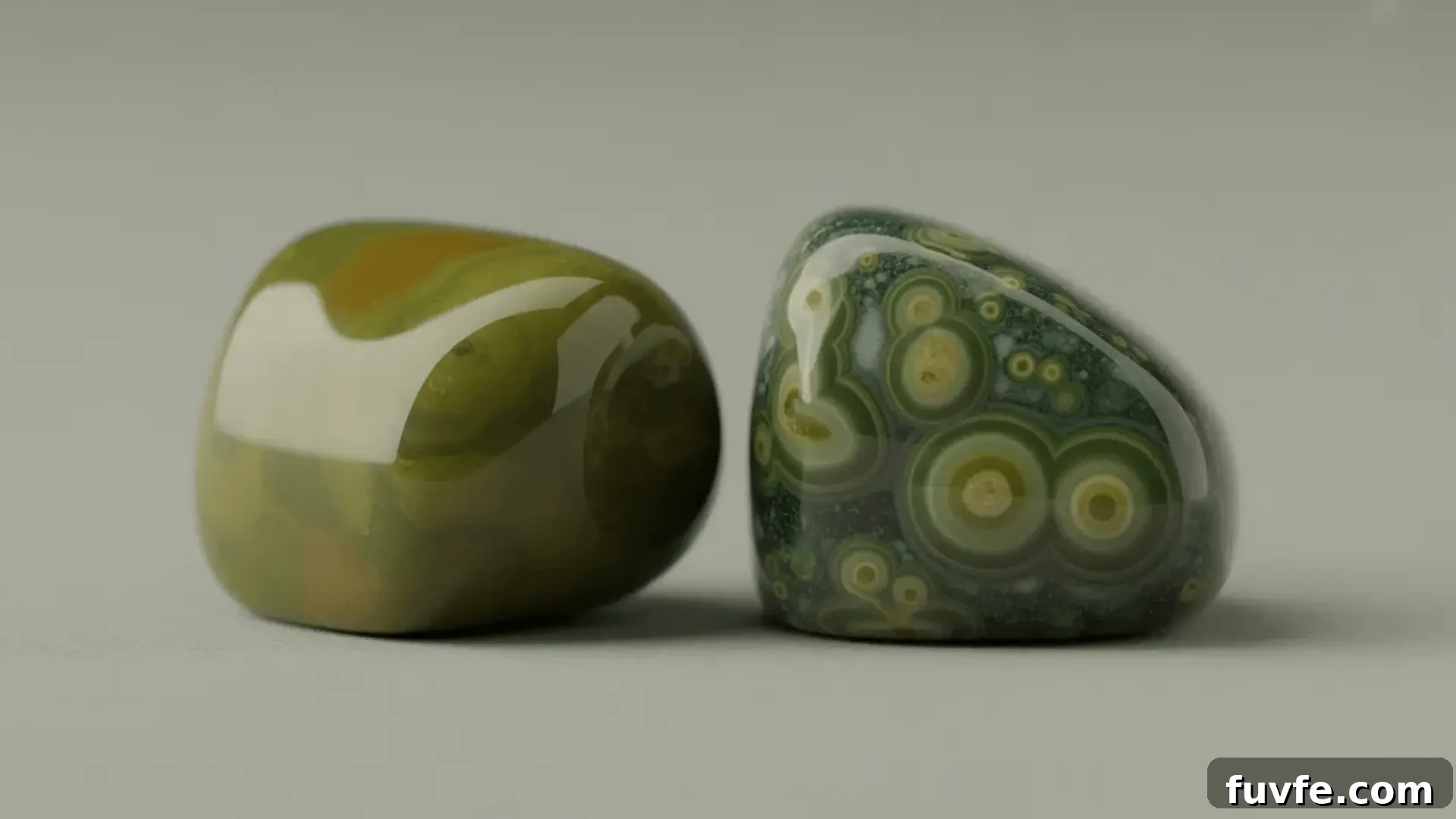
Green jasper spans light olive to deep forest shades. Kambaba jasper, notable for its dark green background and circular orbicular markings, is particularly distinctive. These greens usually derive from chlorite and related minerals.
4. Ocean Jasper
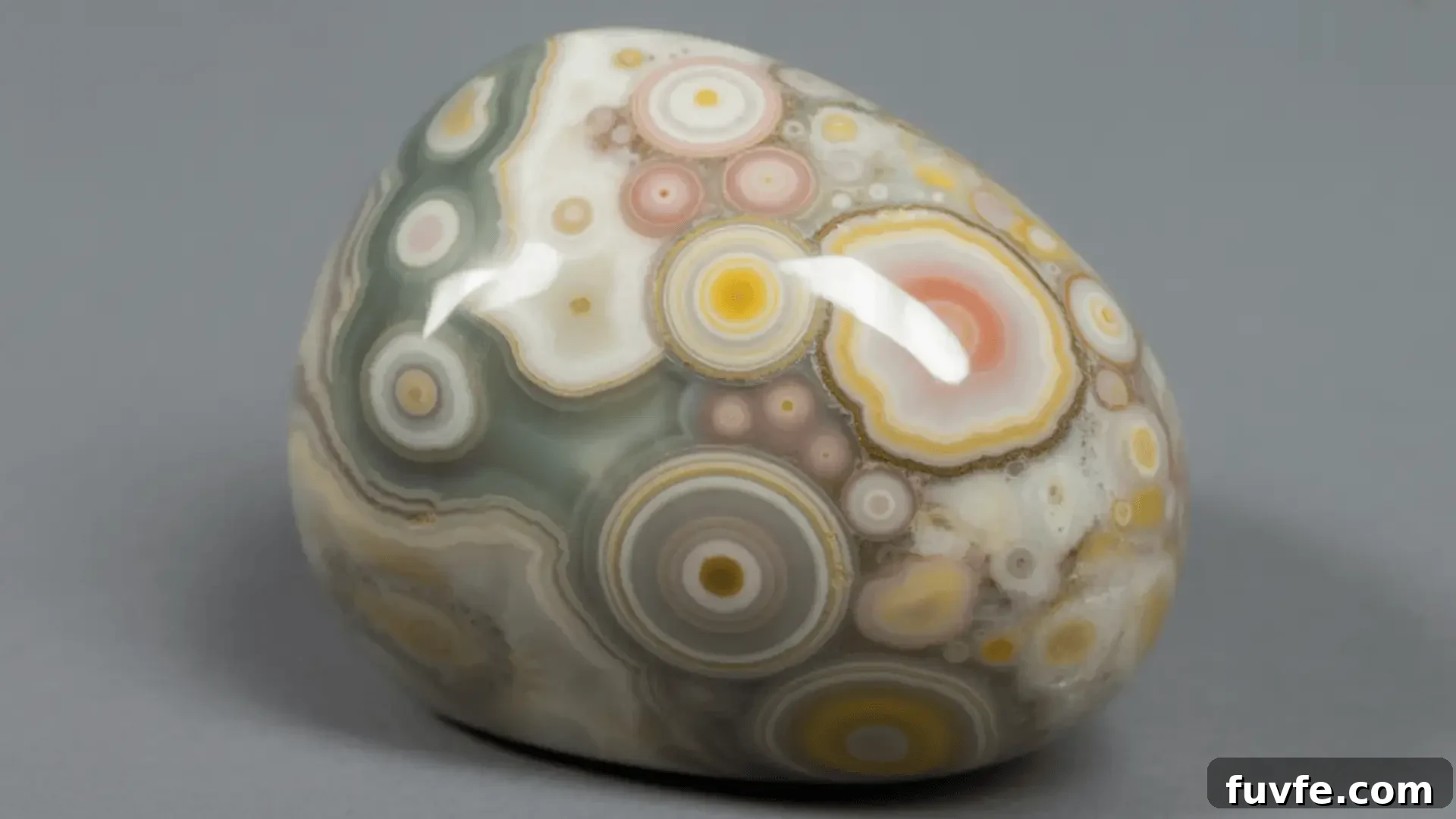
Ocean jasper, found only in Madagascar, is famous for orb-like circular patterns and a broad color palette that can include white, green, pink, and yellow. Its limited supply and extreme variation make it a collector favorite for statement pieces.
5. Brecciated Jasper
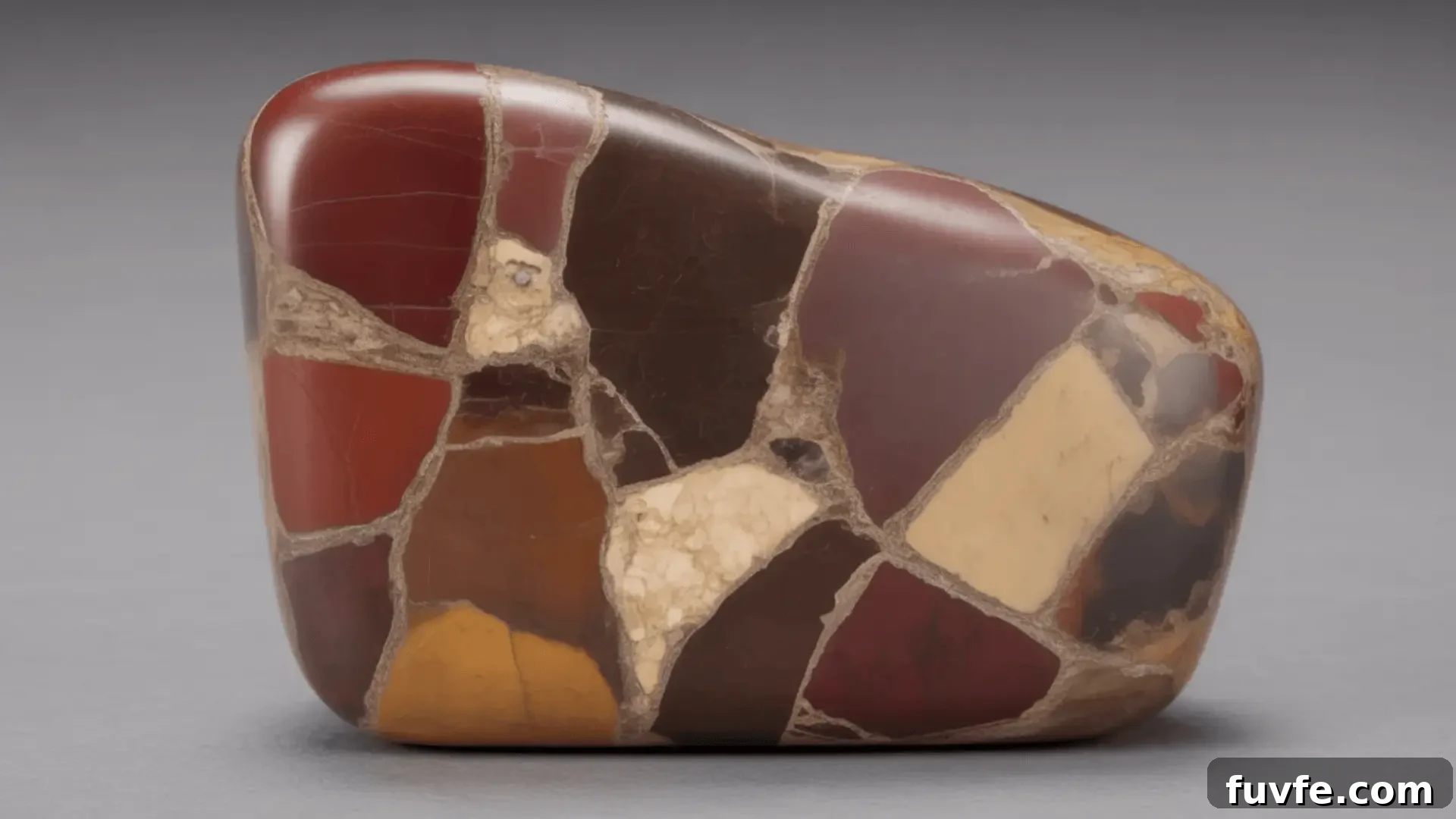
Brecciated jasper forms when fragments of jasper are naturally broken and later cemented together with other minerals. The result is bold, jagged patterns and sharp contrasts among red, brown, and cream tones, creating strongly individual pieces.
Other Pattern-Based Types
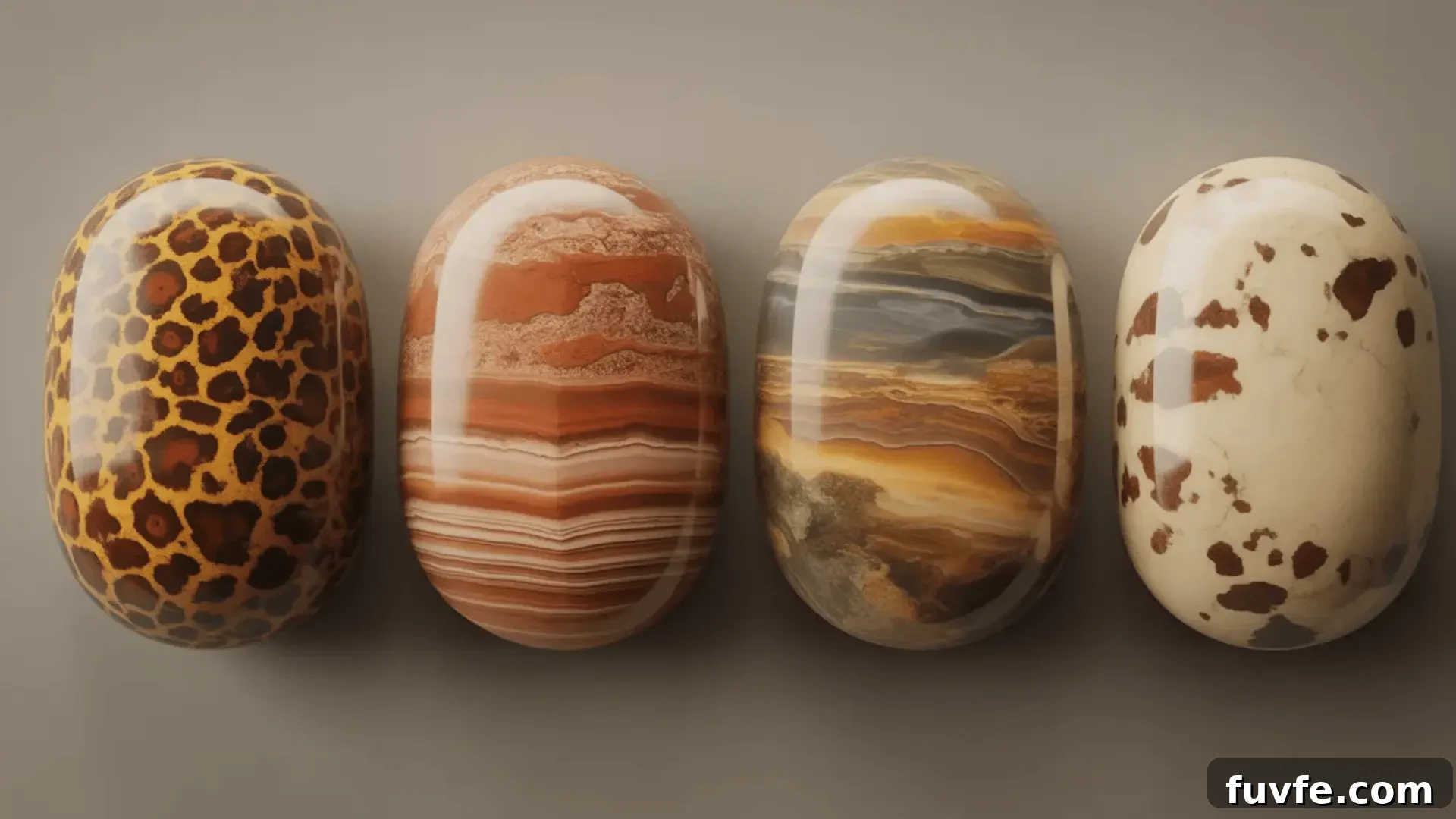
Several jasper varieties are categorized by pattern rather than just color:
- Leopard jasper: Spotted patterns resembling animal prints.
- Landscape jasper: Scenic patterns that evoke deserts, mountains, or horizons.
- Picture jasper: Detailed, earth-toned imagery that looks like painted scenes.
- Dalmatian jasper: Cream or white base with dark spots, similar to a dalmatian’s coat.
These patterned jaspers are widely used for eye-catching jewelry and decorative pieces.
How to Identify Real Jasper Stone
Because jasper is common and varied, not every piece marketed as jasper is authentic. Use these practical checks to distinguish genuine jasper from fakes or treated stones:
| Feature | Genuine Jasper | Fake or Dyed Jasper |
|---|---|---|
| Opacity | Fully opaque with no light transmission | May show semi-transparency or uneven opacity |
| Weight | Feels dense and substantial for its size | Often noticeably lighter (plastic or resin imitations) |
| Temperature | Feels cool to the touch initially | Warms up quickly in your hand |
| Surface Texture | Smooth when polished; waxy or slightly grainy when raw | Often extremely smooth or plasticky |
| Color Distribution | Natural, uneven color variations throughout | Color concentrated along cracks, edges, or appears unnaturally uniform |
| Hardness | Hard enough to scratch glass (Mohs ~6–7) | Most imitations cannot scratch glass |
| Patterns | Organic, irregular, and naturally varied | Too perfect, repetitive, or symmetrical |
| Price | Reasonable for the variety but not suspiciously cheap | Often sold at unusually low prices |
| Source | Usually accompanied by clear origin or sourcing details | Vague or missing provenance information |
Quick tests: hold a specimen to the light to confirm full opacity, check the weight, and examine the color distribution and pattern for natural irregularity rather than perfectly even tones.
Uses of Jasper Stone
Jasper’s durability, wide color range, and striking natural patterns make it versatile across many applications:
- Jewelry: Commonly cut into cabochons for pendants and rings, shaped into beads for necklaces and bracelets, and polished for earrings and charms.
- Decorative carvings: Used for figurines, bookends, coasters, and inlay work; landscape and picture jasper are especially valued for scenic patterns.
- Everyday durability: With a Mohs hardness of around six to seven, jasper resists scratches and handles regular wear well.
- Home décor: Favored for ornamental pieces and display items due to bold colors and natural texture.
The combination of visual appeal, resilience, and low maintenance helps explain jasper’s enduring popularity in both personal adornment and interior design.
Conclusion
Jasper’s appeal lies not in rarity but in diversity. Each piece is a unique record of mineral composition and geological history, resulting in a broad spectrum of colors and patterns that have made jasper valuable across cultures and uses.
Understanding what jasper is and how its appearance forms helps you assess quality, authenticity, and suitability for jewelry or décor. With these guidelines, you can make more informed choices when selecting jasper pieces.
Which jasper variety caught your eye? Share your favorite type below.