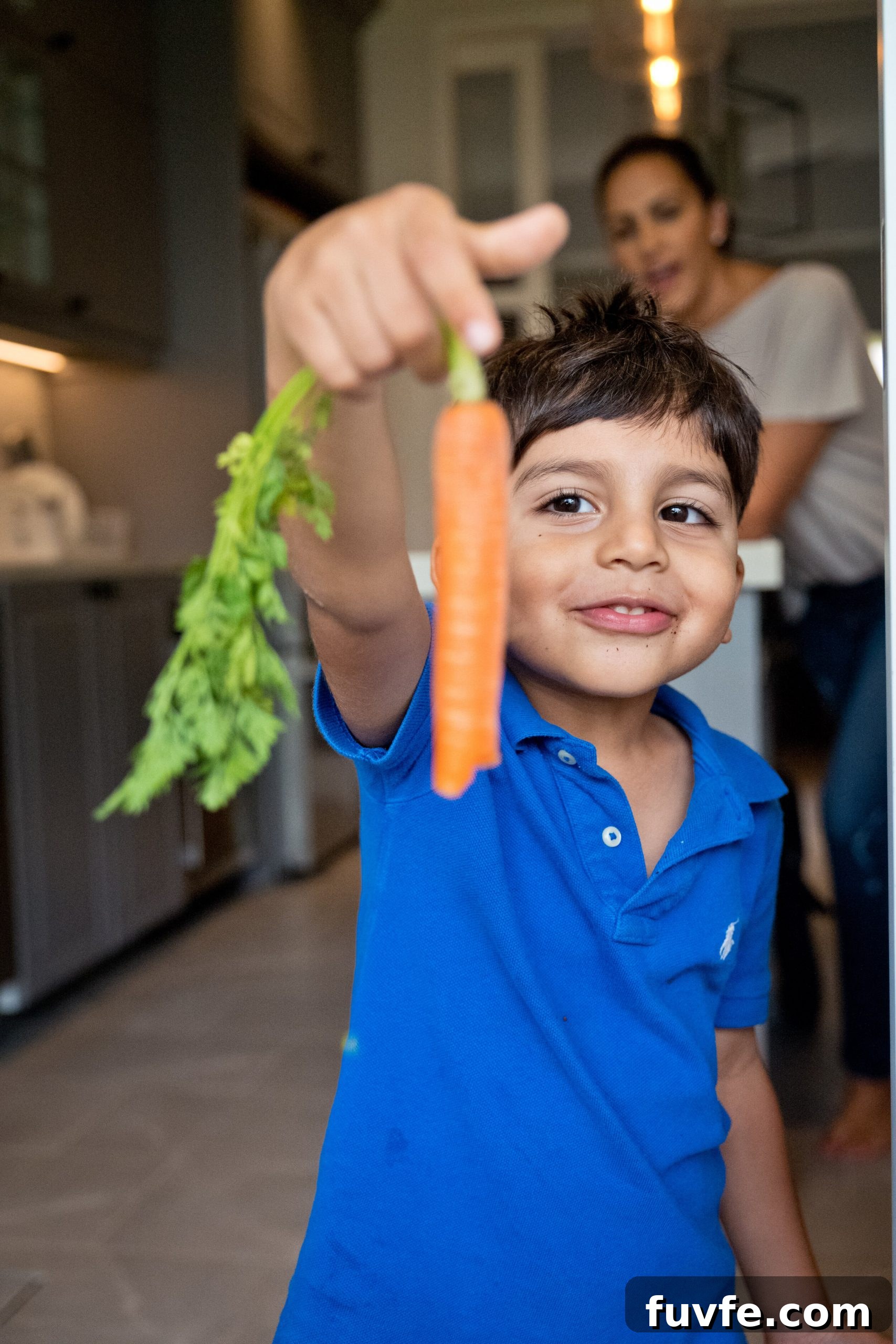
Trying to get your kids to eat better???
I HEAR YA!
Despite what you might assume from my profession, my kids would pick chocolate over carrots any day. Shocking? Not really — I’m being sarcastic!
As parents we often worry too much and spend a lot of energy forcing healthy eating, which usually leaves everyone frustrated. Sound familiar?
I’m a mom of three young boys (ages 6, 4, and 2½) and I’ve tried a lot of different tactics to encourage better eating. Before you try them all yourself, here are the strategies that didn’t work for us and the ones that did.
Some tactics I tried that DIDN’T work:
✖️ Begging – “Just have one bite, pleeease.” This usually creates resistance and turns mealtime into a power struggle.
✖️ Bribing – “If you eat your broccoli I’ll buy you that LEGO set.” Rewards for eating can make healthy food feel like a punishment or a transaction.
✖️ Coaxing – “Don’t you want to be strong like Superman?” Too much persuasion can backfire and make kids more stubborn.
✖️ Force-feeding – “Just eat it, it’s good for you.” Forcing food only creates negative associations with those foods.
✖️ Punishing – “No TV if you don’t finish your plate.” Removing privileges makes mealtime a battleground and doesn’t teach lasting habits.
Some tactics that DO work:
✓ Leading by example – Kids watch everything. If you regularly choose whole, real foods without making a fuss, they’ll be much more likely to follow. Focus on modeling healthy habits rather than policing every bite.
✓ Getting them involved – Kids enjoy helping in the kitchen. Let them help with simple tasks like washing veggies, stirring, or assembling a salad. Involvement sparks curiosity and makes them more willing to try new things.
✓ Positive reinforcement – Notice and praise small wins. Acknowledging their choices builds confidence and encourages repeat behavior.
✓ Hiding veggies – When needed, incorporate vegetables into dishes they already like, such as veggie-packed sauces or patties. It’s not ideal long-term, but it helps increase intake without conflict.
✓ Not depriving them – On vacations, at parties, or eating out, let them enjoy treats. Teach moderation rather than total restriction so special foods stay special.
✓ Try, try again – Tastes evolve. Foods that were disliked as a child can become favorites later. Keep offering items without pressure; repeated exposure matters.
✓ Don’t compare – Every child is different. Avoid comparing your child’s eating to others; focus on their progress and individual preferences.
Lastly…
✓ Chill out – Stress and frustration make everyone more resistant. Stay calm, be consistent, and trust that children’s tastes will change over time. Celebrate small victories and remember you’re doing a hard job well.