22 vegan Lunar New Year recipes to help you ring in the new year with delicious traditional dishes — all plant-based takes on beloved classics so you can enjoy festive meals meat-free.
What is Lunar New Year?
The Importance of Lunar New Year Food
Food plays a central role in Lunar New Year traditions. Many dishes are eaten for their symbolic meanings or served on specific days of the festival. For example, rice cakes like Korean dduk or Japanese mochi symbolize the passage of time and continuity, noodles represent longevity, and dumplings often symbolize wealth. Though traditional recipes may include animal products, simple plant-based swaps allow you to enjoy these meaningful foods while keeping meals vegan.
22 Vegan Lunar New Year Recipes
Below are vegan recipes to inspire your Lunar New Year menu. These dishes can be enjoyed year-round, but they carry special significance when served around the New Year, symbolizing prosperity, longevity, and good fortune.
Best Vegan Lunar New Year Mains
Vegan Dumpling Filling
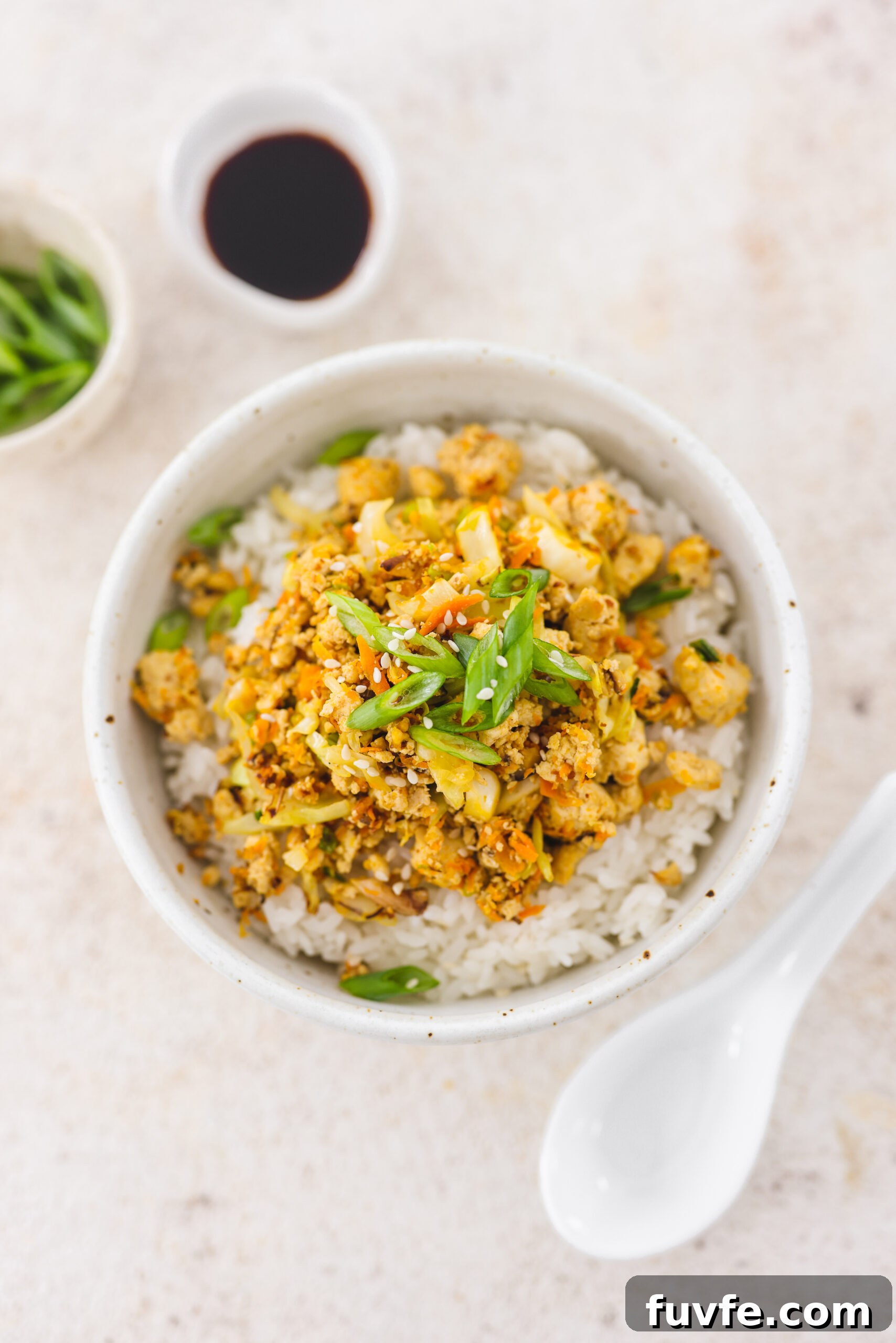
This gluten-free vegan dumpling filling uses tofu and crunchy vegetables with plenty of ginger, garlic and sesame. Use it to fill dumpling wrappers, pan-fry into dumplings, assemble bowls, or roll into spring rolls for a versatile, flavorful centerpiece.
Gluten Free Udon Noodle Soup
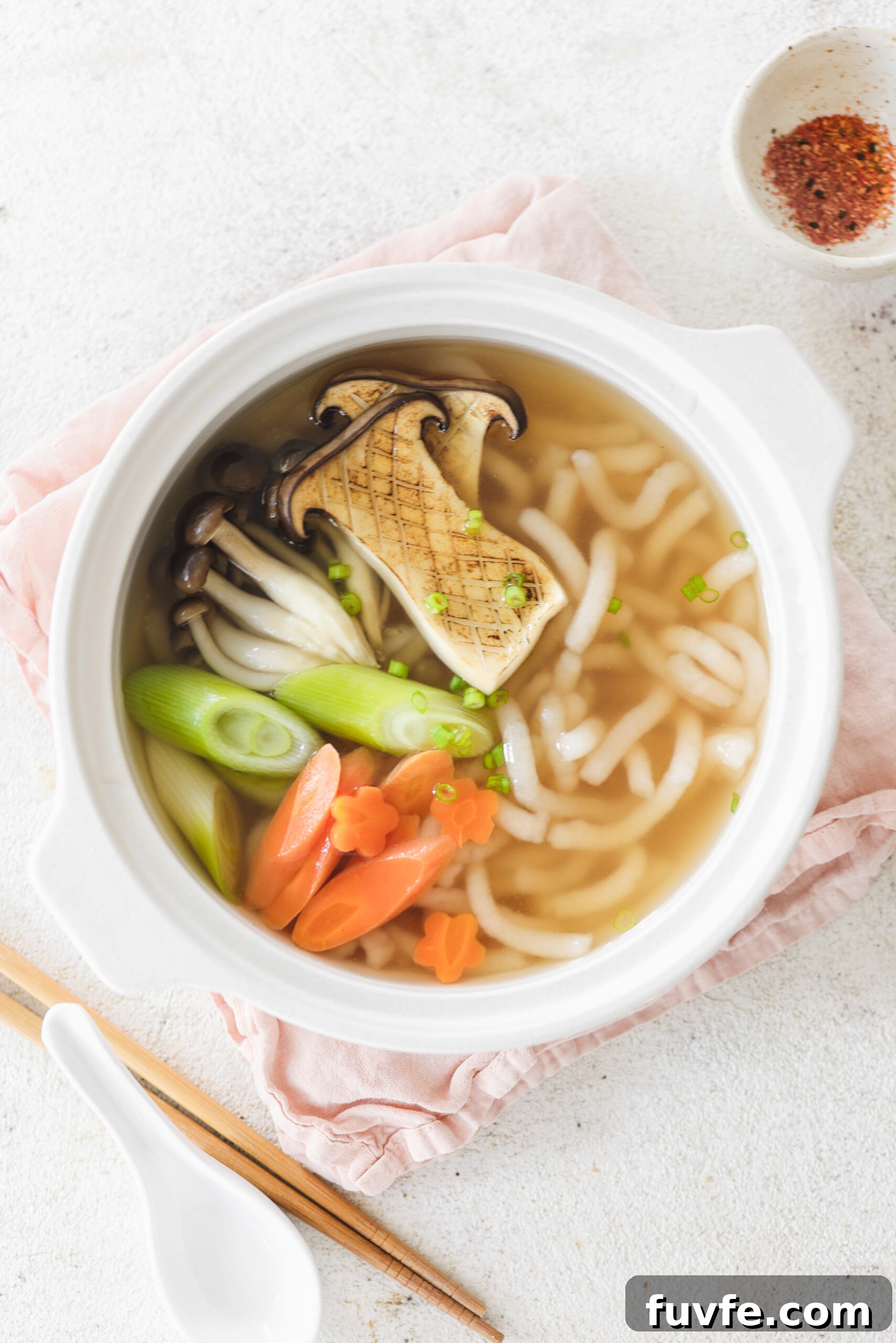
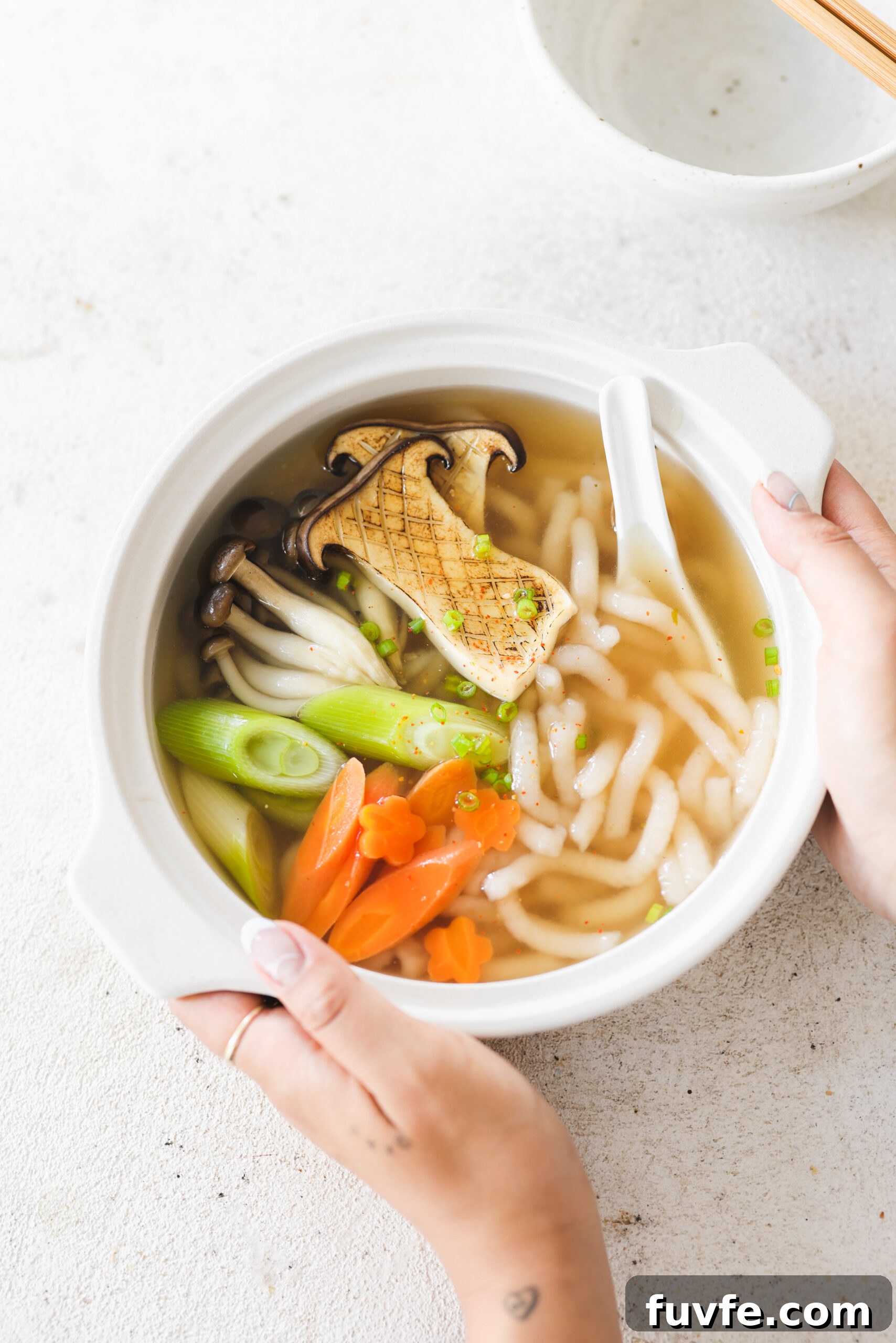
Learn to make thick, chewy gluten-free udon noodles perfect for warming soups and stir-fries. Enjoy them in a comforting broth to slurp for longevity and good luck in the new year.
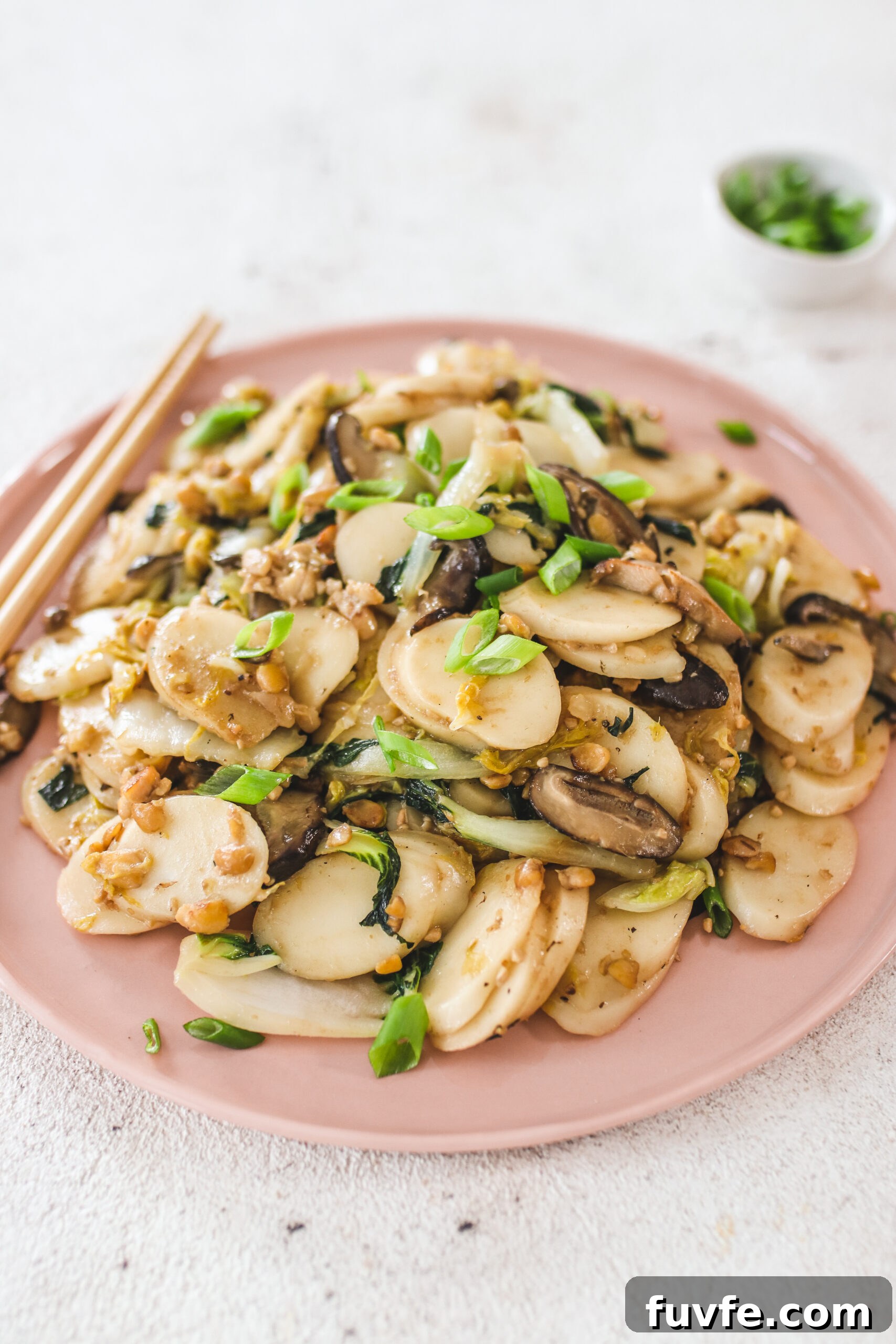
Shanghai Style Rice Cake Stirfry
Rice cake stir-fry (nian gao/年糕) is often enjoyed around Chinese New Year because rice cakes symbolize prosperity. The dish’s name literally translates to “year cake,” and a steaming plate of sliced rice cakes is a common sight at festive dinners.
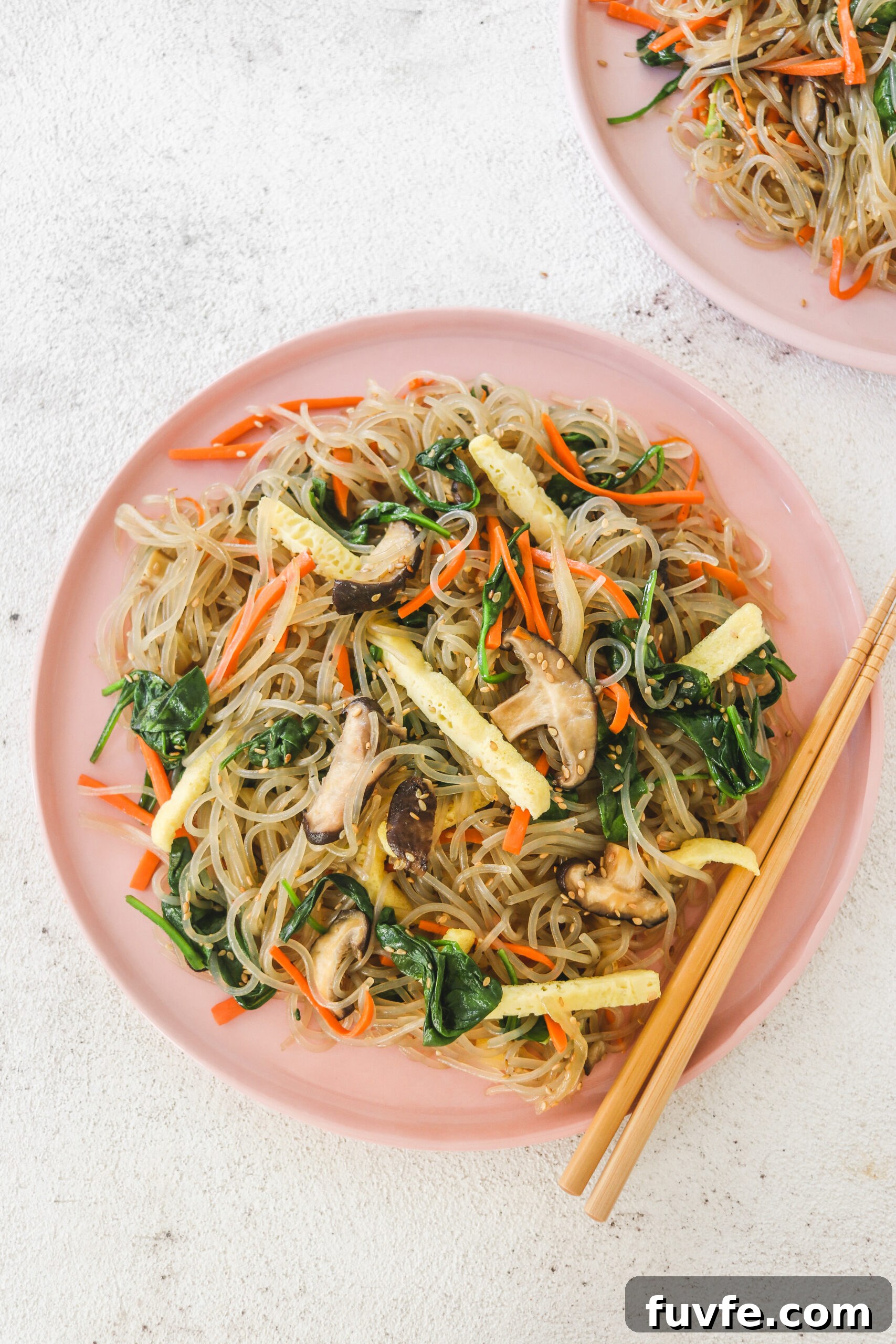
Vegan Japchae
Japchae, meaning “mixed vegetables,” features stir-fried sweet potato starch noodles (glass noodles) tossed in a savory soy and sesame sauce with abundant vegetables. It’s a festive, colorful dish perfect for sharing.
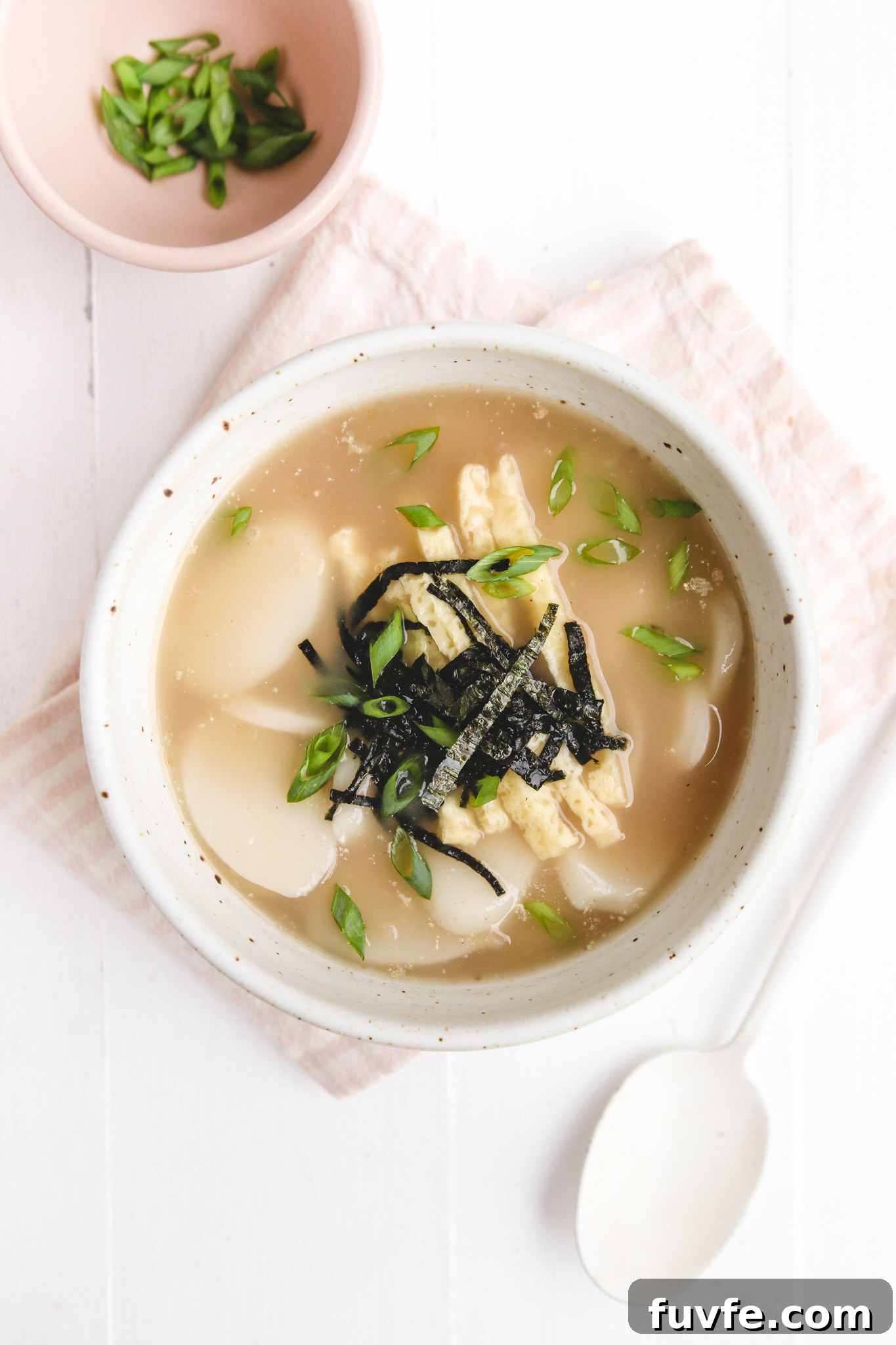
Vegan Dduk Guk (Korean Rice Cake Soup)
This comforting soup is traditionally served during the Korean New Year (Seollal). Slices of rice cake in a savory broth celebrate renewal and growth.
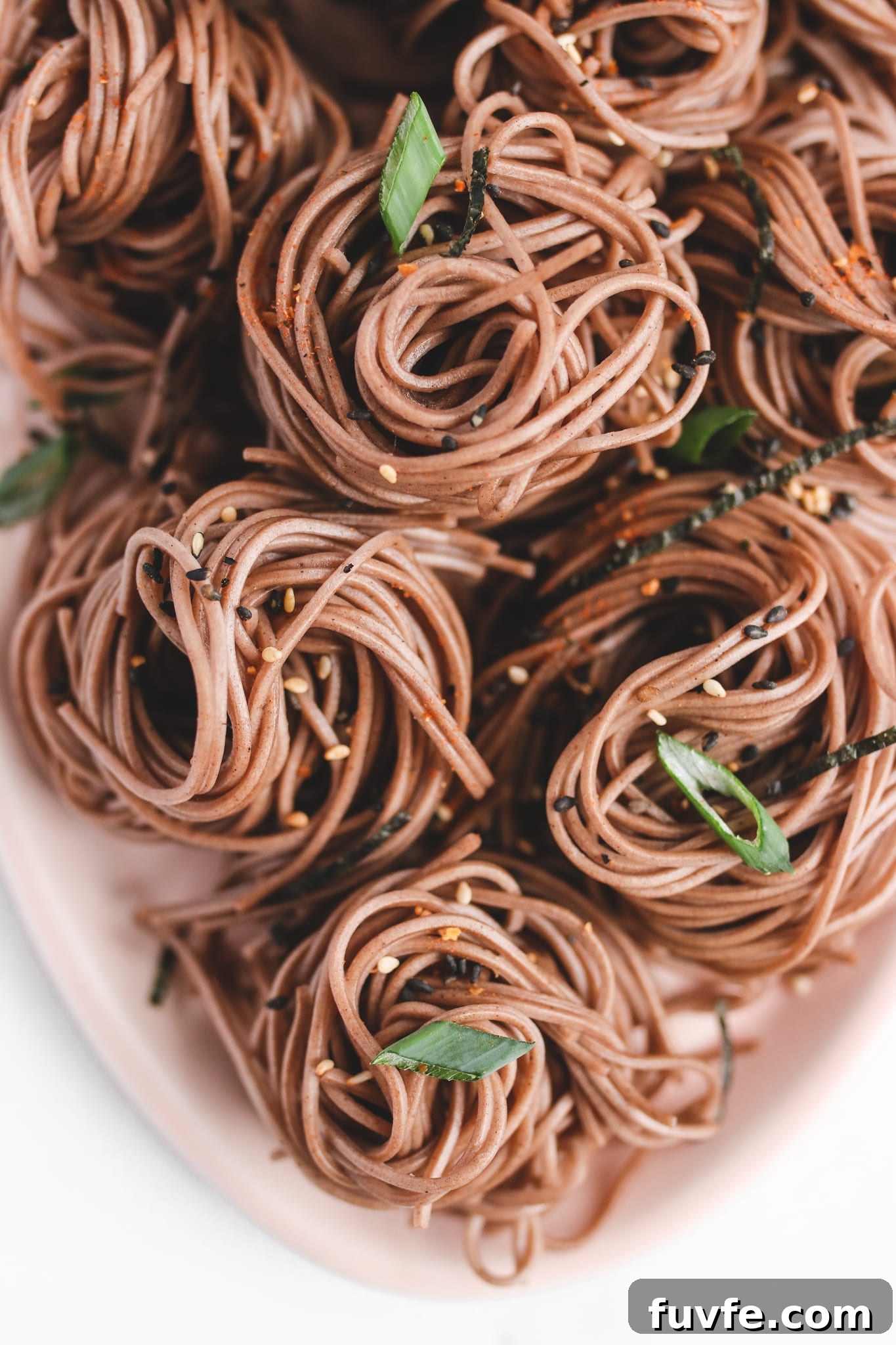
Zaru Soba
Cold buckwheat soba noodles are simple and elegant. While not specifically a Lunar New Year dish everywhere, noodles symbolize long life and can be enjoyed as Toshikoshi Soba for New Year’s Eve.
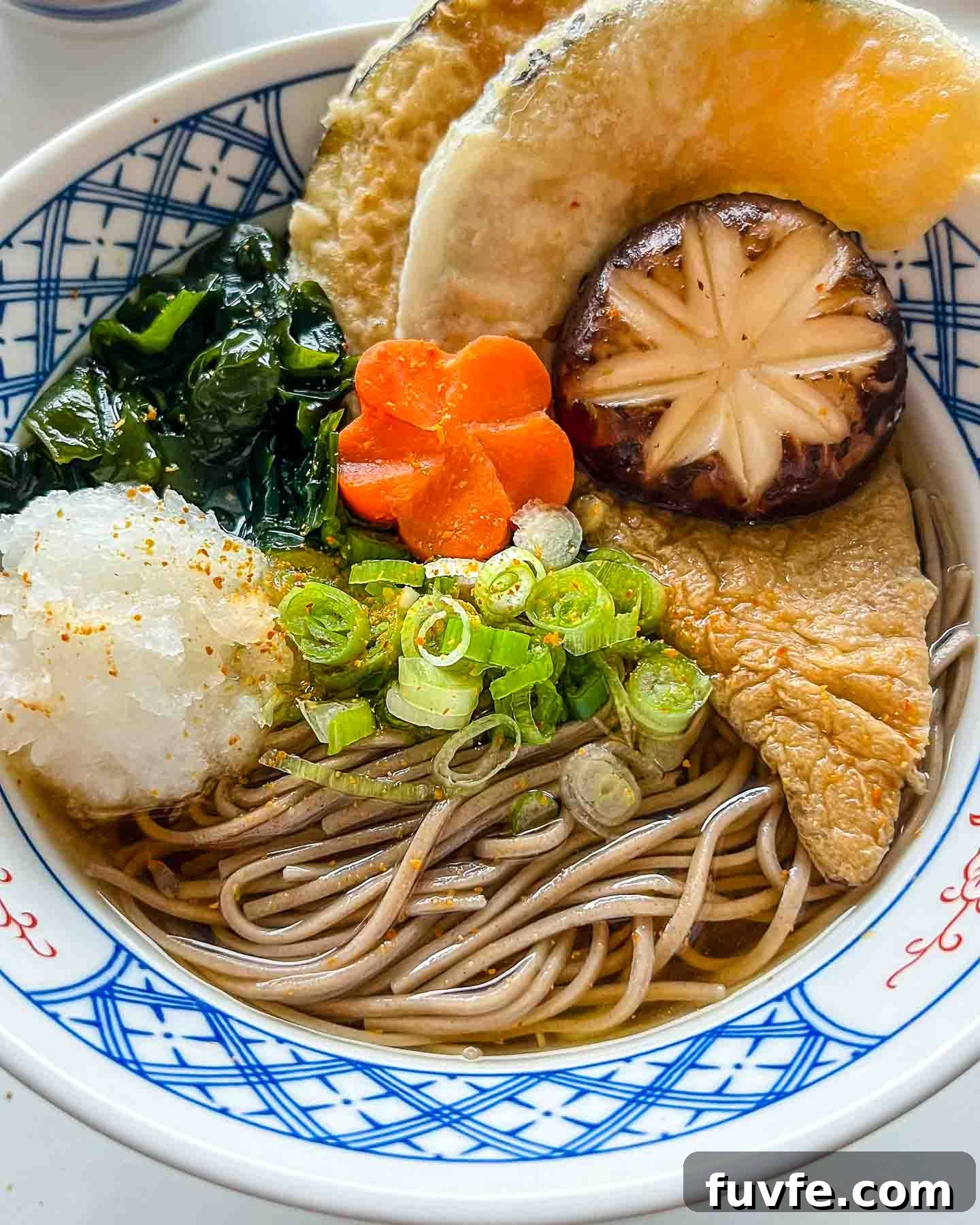
Toshikoshi Soba (New Year’s Soba) by Okonomi Kitchen
Toshikoshi Soba is traditionally served simply with buckwheat noodles, hot dashi-style broth and scallions, although regional and household variations exist.
Ozoni / New Year’s Mochi Soup
Ozoni is a comforting mochi soup enjoyed in many Japanese households during the New Year. Variations differ by region and family tradition.
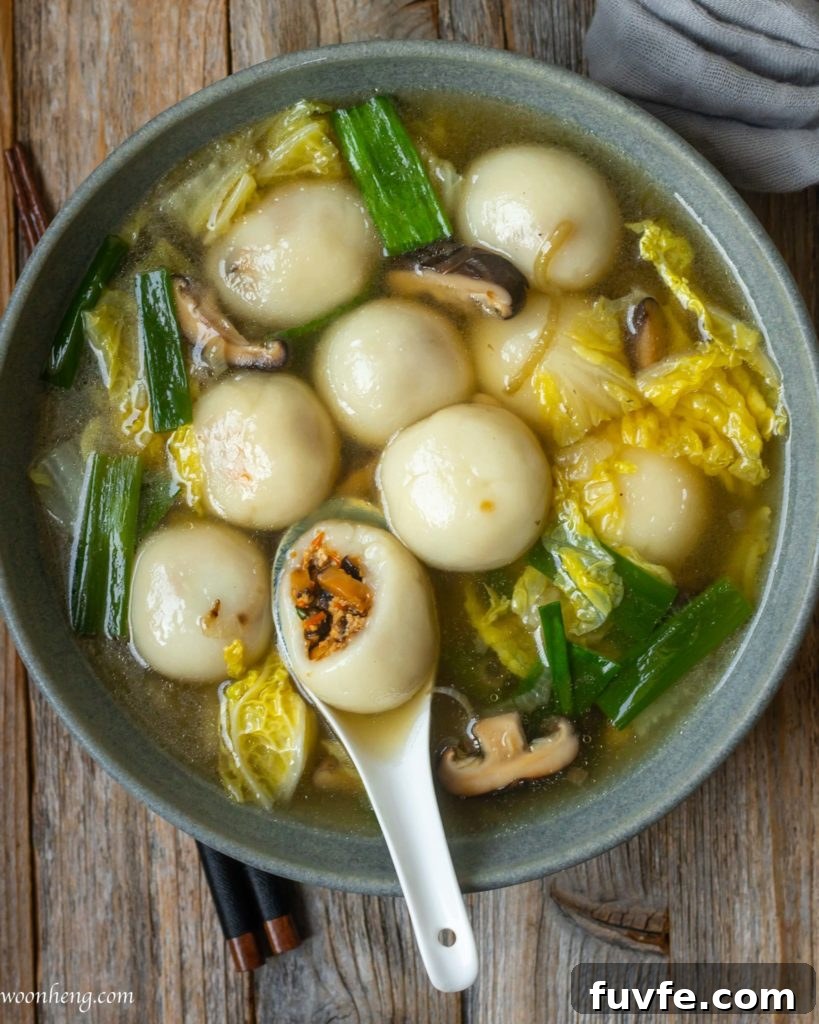
Vegan Savoury Rice Balls (Tang Yuan) by Woon Heng
Vegan savory tang yuan (咸汤圆) are chewy rice balls served in a flavorful vegetable-packed broth — a soothing, celebratory comfort food.
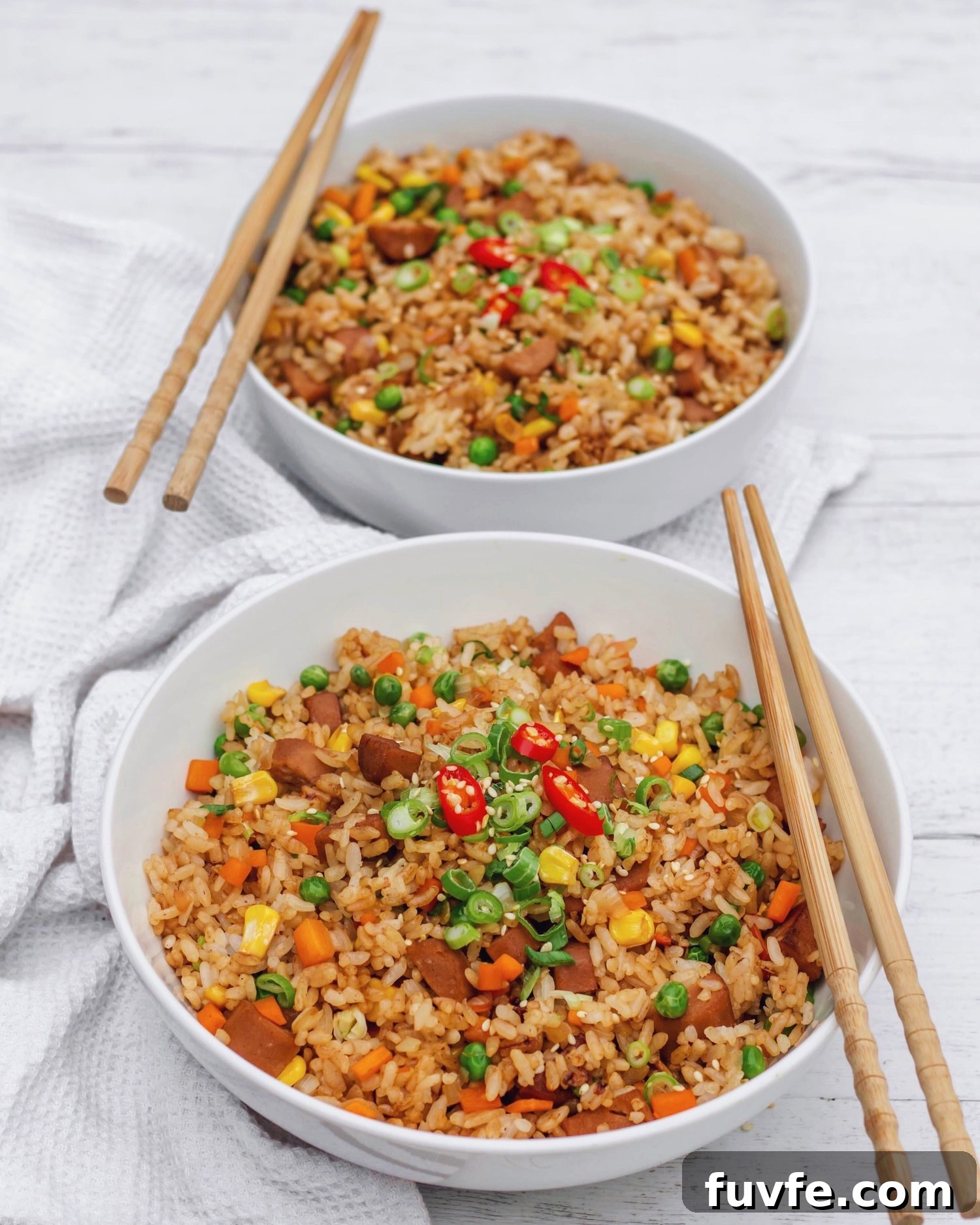
Veggie Fried Rice by Thriving on Plants
Veggie fried rice is a classic, flexible dish ideal for using leftover rice and vegetables. Quick to prepare and full of flavor, it’s a popular choice for festive gatherings and everyday meals alike.
Lunar New Year Sides
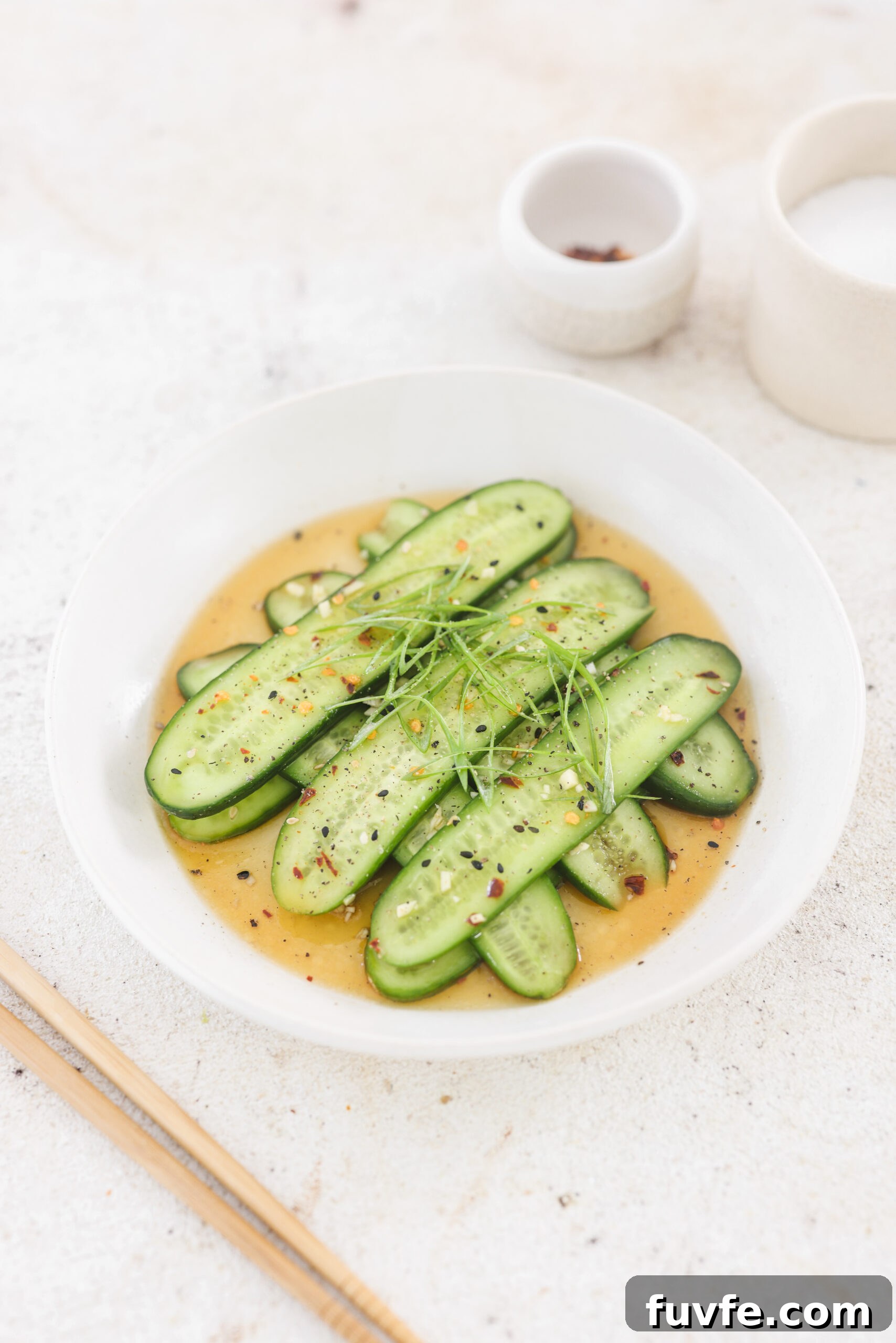
Spicy Cucumber Salad
This fresh, crunchy spicy cucumber salad uses a garlicky maple-soy dressing for a simple no-cook vegan side. It blends Taiwanese and Korean cucumber salad styles; chill briefly for crispness or longer for a softer texture.
Sautéed Lotus Root
Kinpira renkon, or sautéed lotus root, features crunchy, visually striking slices that resemble flowers. Often part of New Year meals, lotus root is believed to bring good fortune—its holes symbolically offering a glimpse into the future.
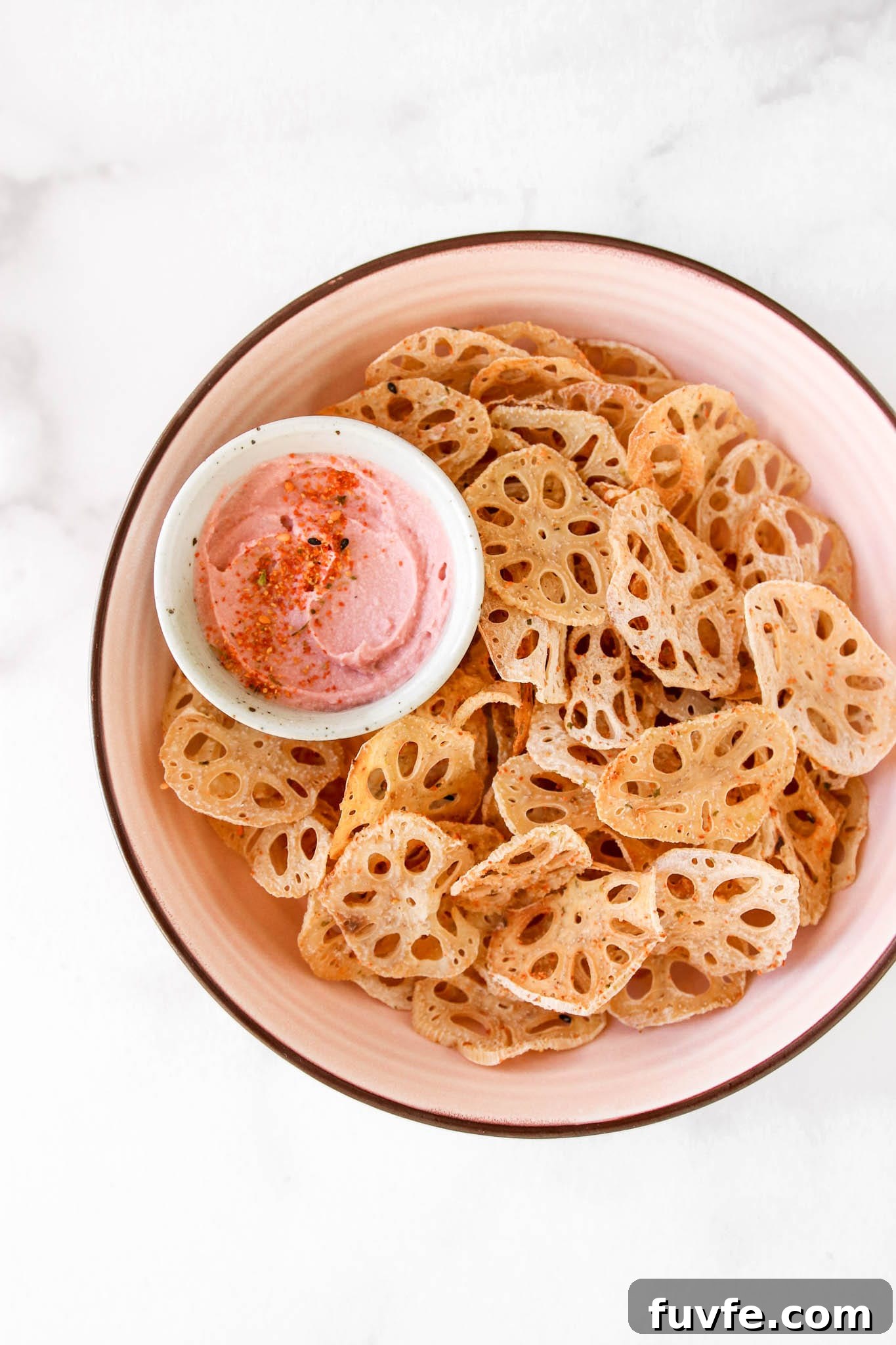
Lotus Root Chips
Crispy lotus root chips are vegan, gluten-free and oil-free. They make a beautiful, crunchy snack or appetizer and are meal-prep friendly.
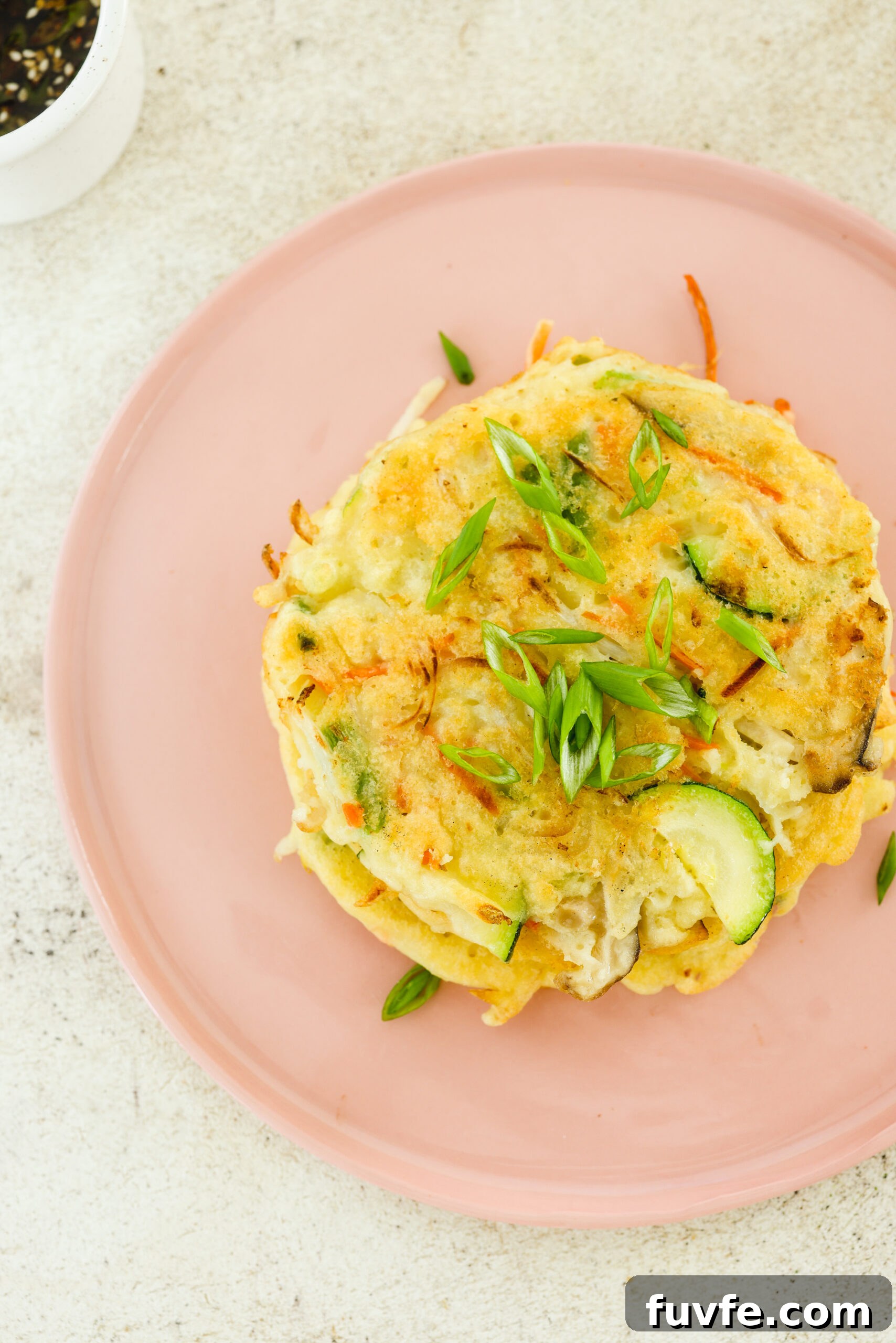
Mung Bean Pancakes / Bindaetteok
Bindaetteok are Korean mung bean pancakes traditionally made with mung bean and rice flour, often filled with meat and vegetables. This vegan version focuses on a vegetable-packed filling and offers a hearty, gluten-free side or snack.
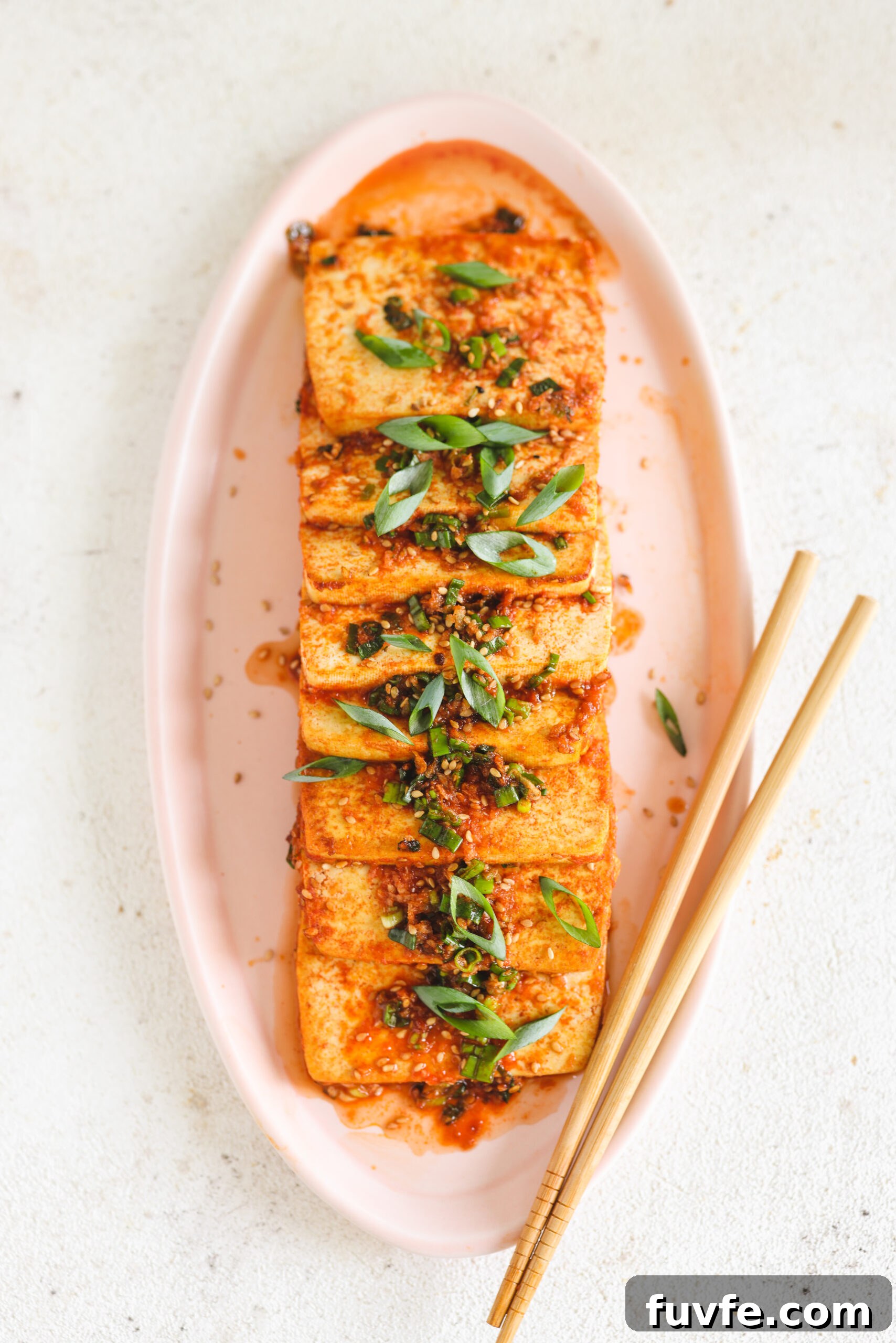
Dubu Jorim / Braised Korean Tofu
Dubu jorim is a classic Korean banchan: braised tofu in a savory-sweet sauce. It’s an easy way to add plant-based protein to your Lunar New Year spread.
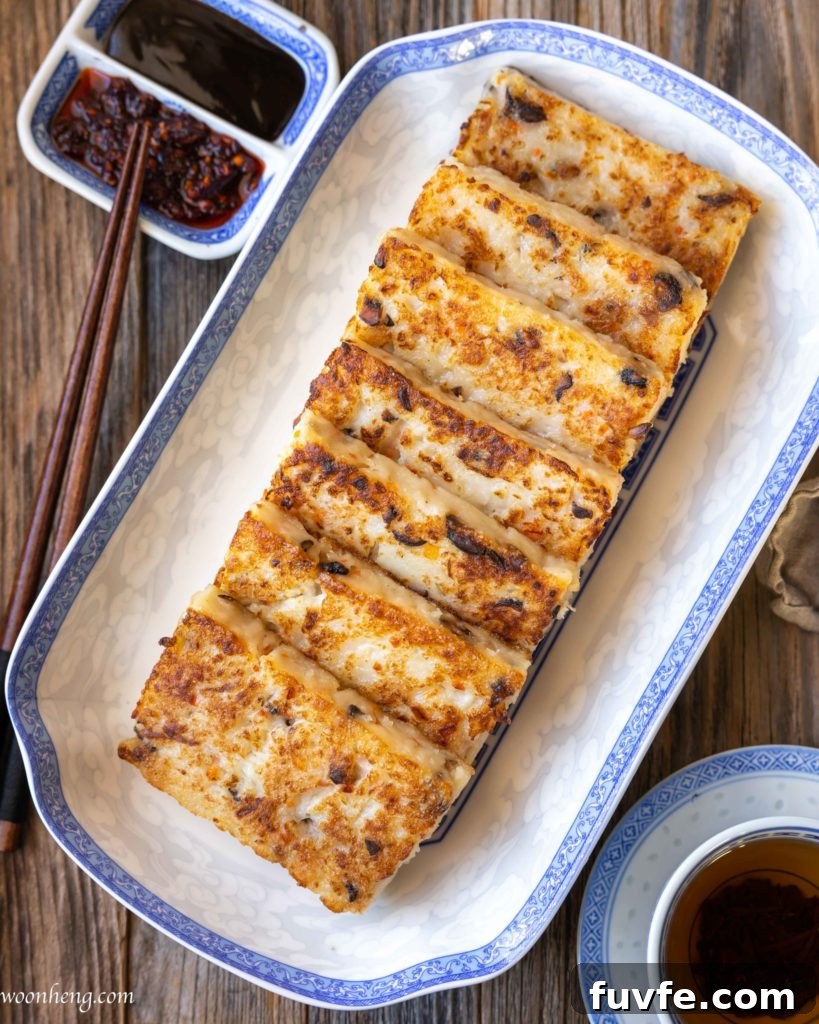
Luo Buo Gao (Turnip Cake) by Woon Heng
Lo bak gou (萝卜糕), or turnip cake/daikon cake, is a staple for many families during Lunar New Year. Each household may have its own auspicious dishes, and turnip cake is a popular, savory specialty often enjoyed at festive meals.
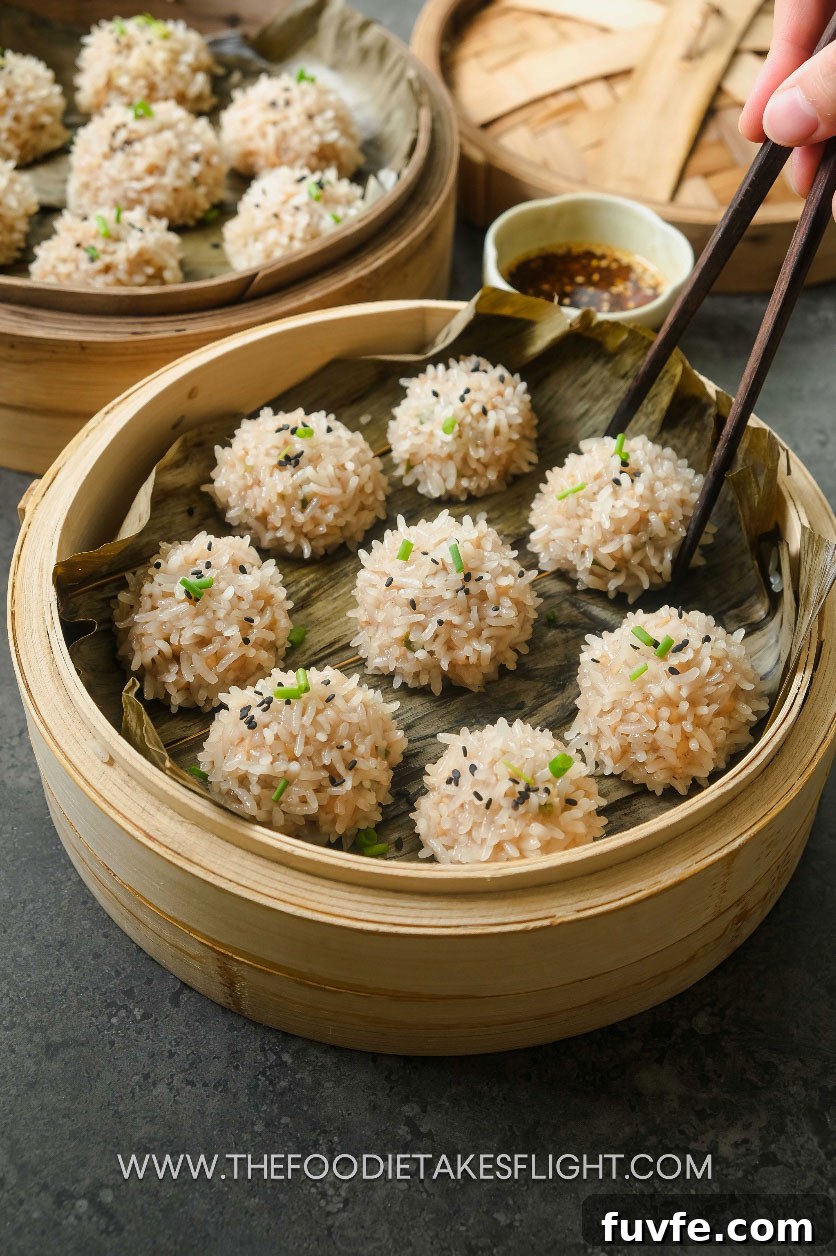
Sticky Rice Pearl Meatballs by The Foodie Takes Flight
Pearl Balls (珍珠丸子) are meatballs coated with glutinous rice that glisten like pearls. They are hearty, shareable, and commonly served for Lunar New Year, birthdays, and dim sum gatherings.
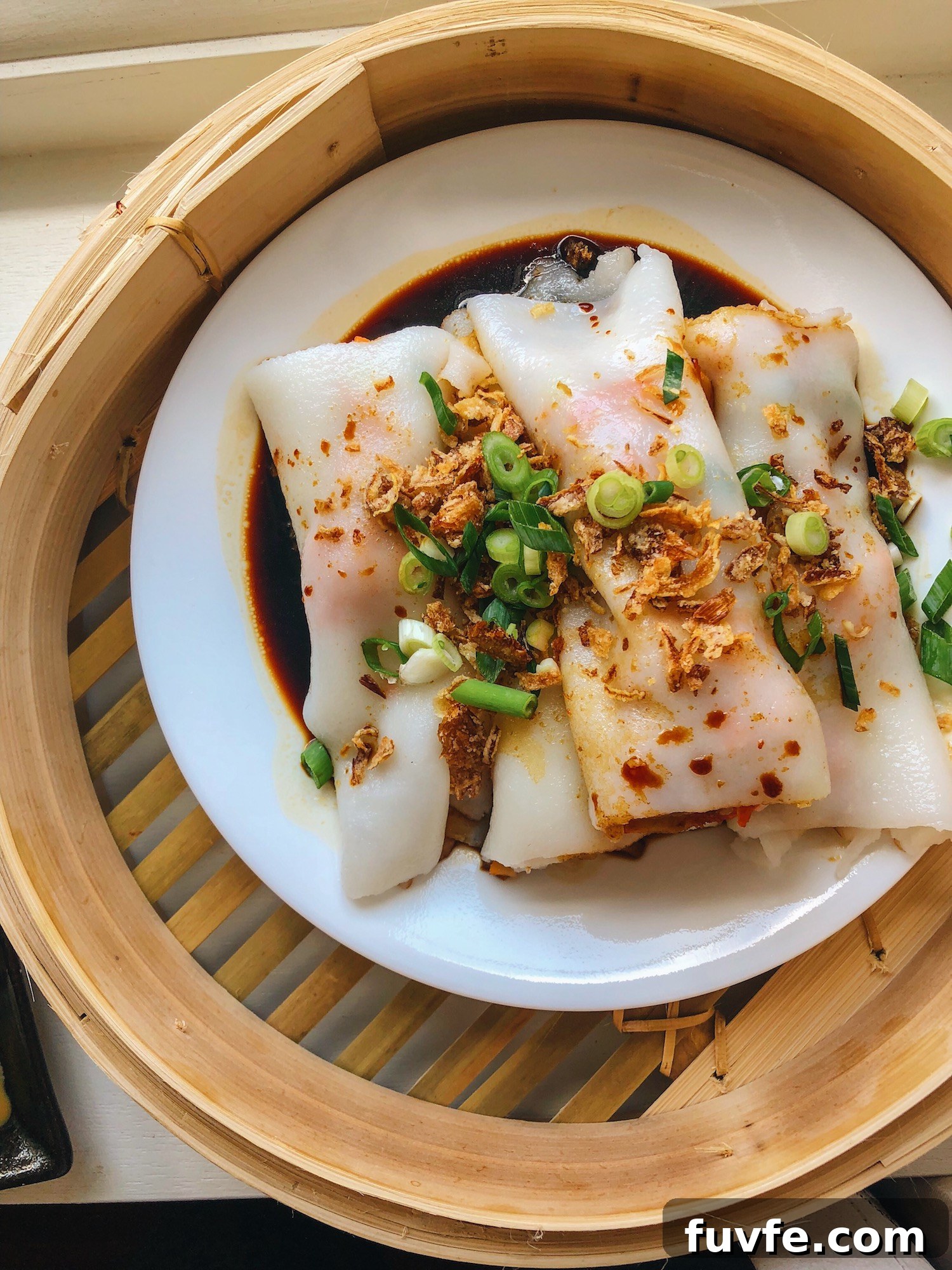
Rice Noodle Roll (Cheung Fan) by Liz Miu
Cheung fun are thin steamed rice noodle crepes rolled around fillings such as vegetables or plant-based proteins and served with a sweet soy sauce. They’re a beloved Cantonese dim sum item and a delicate addition to any celebration menu.
Vegan Lunar New Year Desserts and More
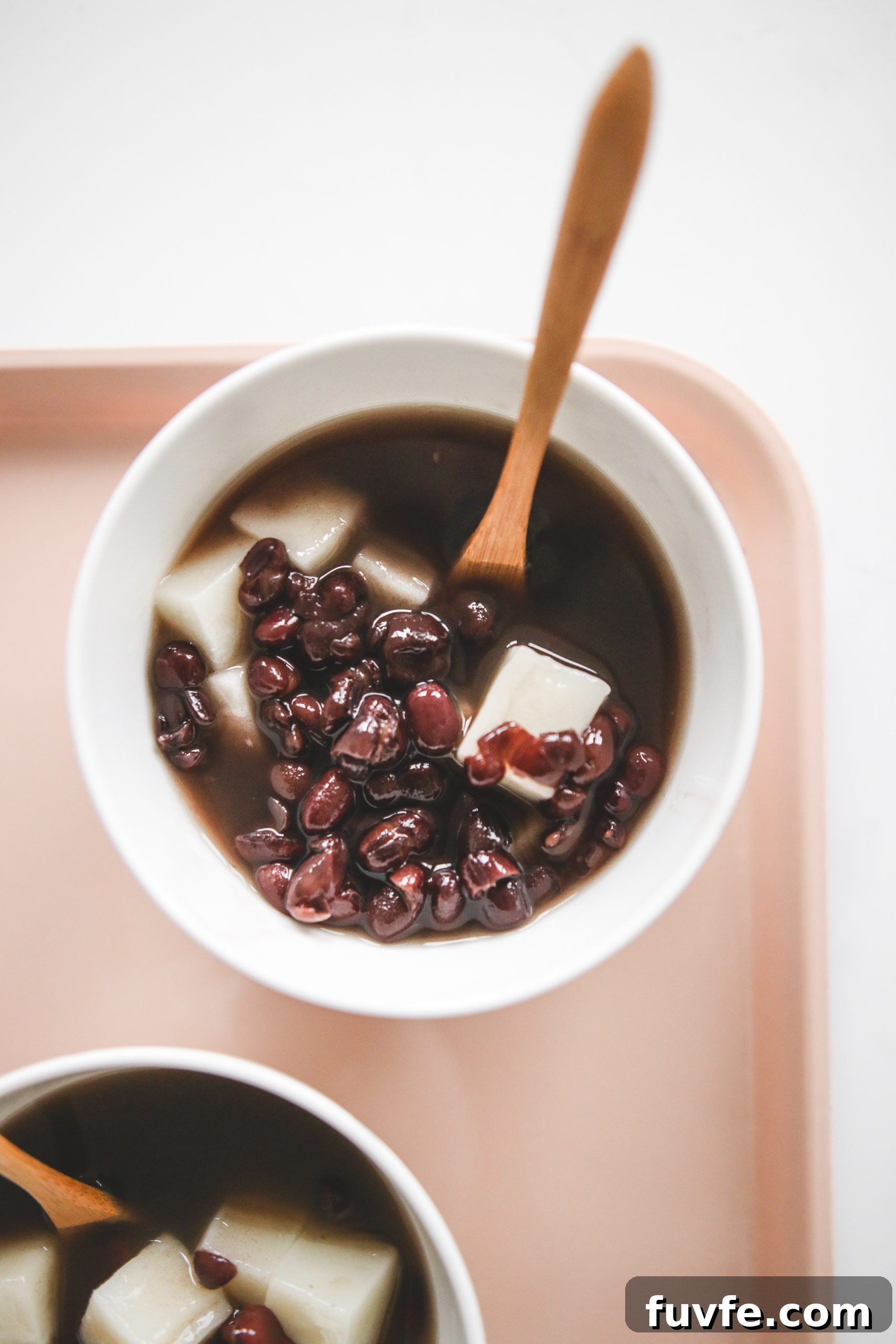
Red Bean Dessert Soup with Mochi (Zenzai)
Zenzai is a traditional Japanese dessert made from azuki (sweet red beans) and mochi. The beans are cooked until soft and gently sweetened, creating a thick, comforting sweet soup that pairs beautifully with chewy mochi.
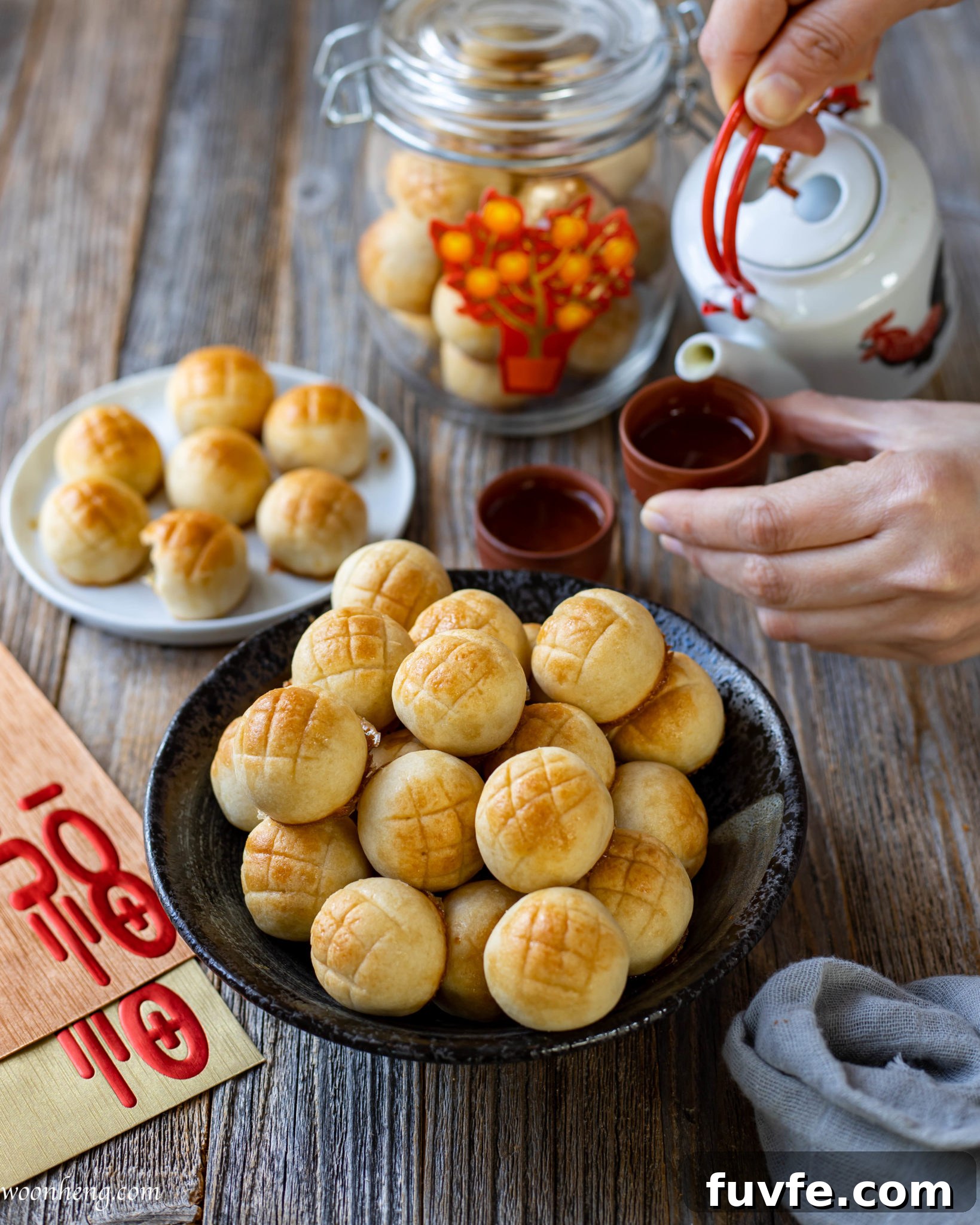
Vegan Pineapple Tart by Woon Heng
Nastar or pineapple tarts (凤梨酥) are a beloved Lunar New Year treat. This vegan version features a tender, melt-in-your-mouth crust and a tangy-sweet homemade pineapple filling — perfect for gifting or serving at gatherings.
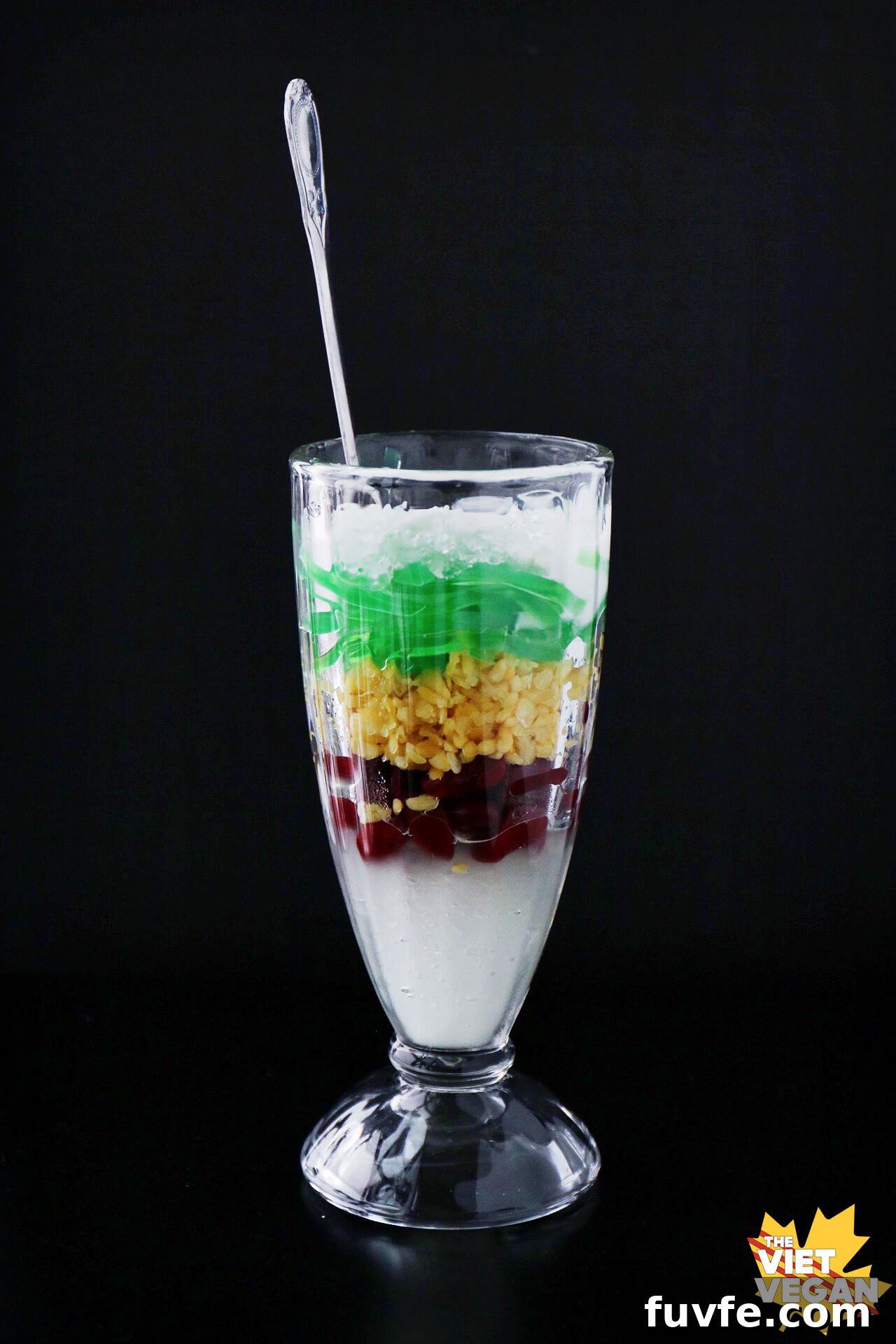
Che Ba Mau / Vietnamese Three-Colour Bean Dessert by The Viet Vegan
Che Ba Mau, or three-colour bean dessert, combines different textures and colors with sweetened coconut cream and crushed ice. It’s a nostalgic, refreshing dessert that’s especially delightful in warm weather or as a light finish to a festive meal.
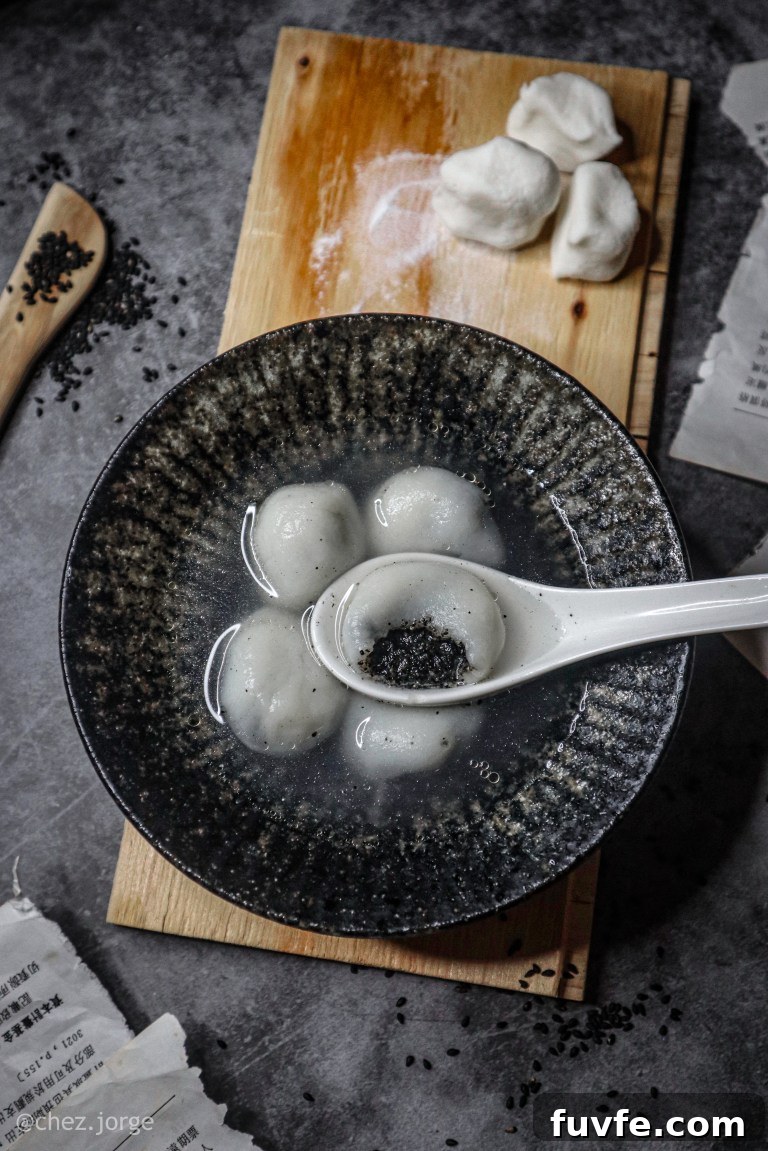
Black Sesame Tang Yuan by Chez Jorge
Black sesame tang yuan are sweet glutinous rice balls filled with a rich black sesame paste. Often enjoyed during the Winter Solstice and Lunar New Year, they are a meaningful and indulgent vegan-friendly dessert.