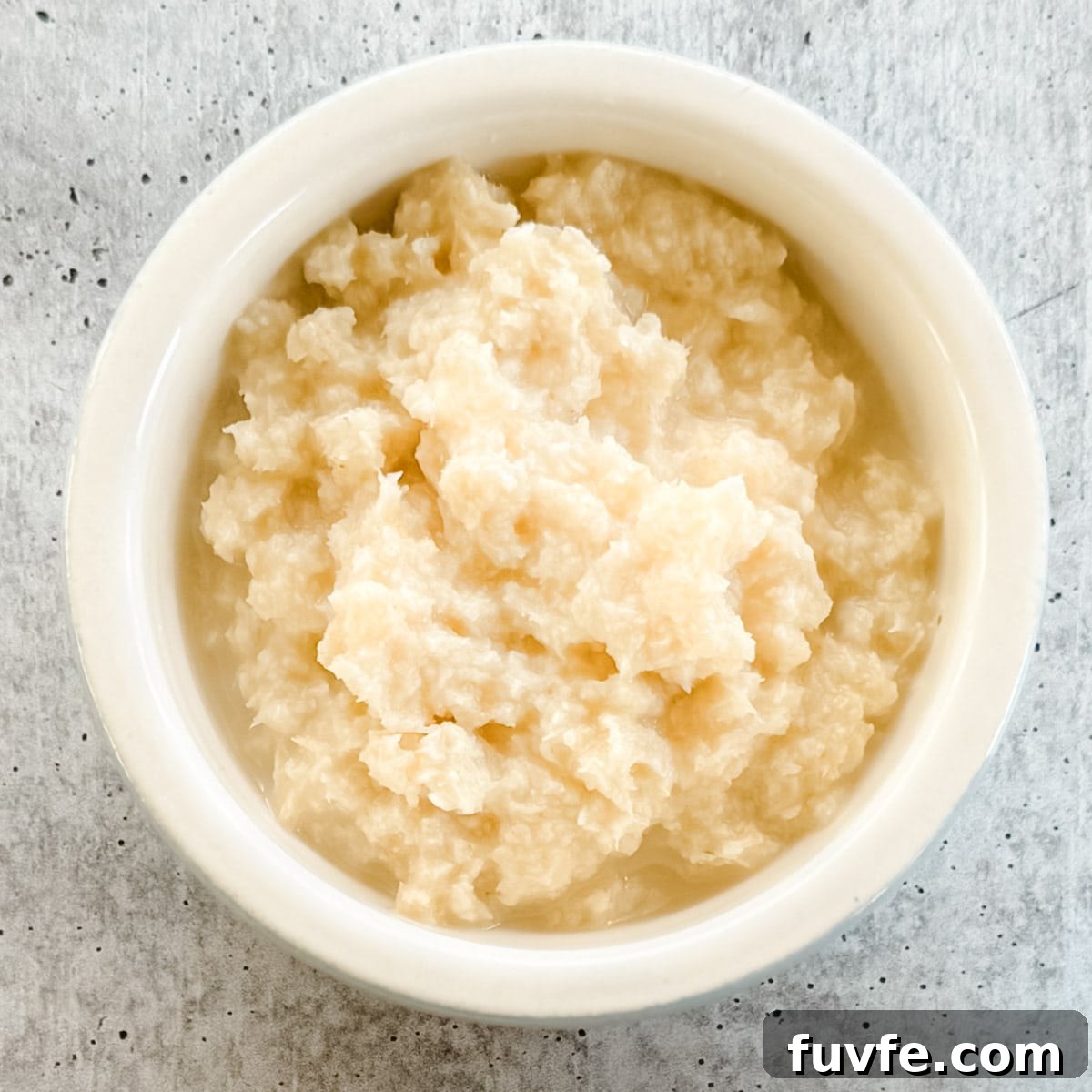
This guide explains the different forms of horseradish you’ll encounter at the grocery store, how to choose them, and practical ways to use each.
About the Horseradish Plant
Horseradish belongs to the Brassicaceae family, along with mustard, wasabi, broccoli, cabbage, and radish. The plant typically grows 2 to 4 feet tall and is harvested in fall or spring. While its leafy greens are edible, the root is the primary food crop. The root is long with a rough beige-brown skin, tapering ends and a firm white interior.
Its flavor is robust, sharp, spicy and earthy. The heat from horseradish is volatile and hits the nasal passages quickly, similar to wasabi or strong mustard. That pungency comes from an enzymatic reaction that produces allyl isothiocyanate when the root is cut, grated, or chewed—an effective natural deterrent that cooks have turned into a valued flavor element.
Varieties You’ll Find at the Market
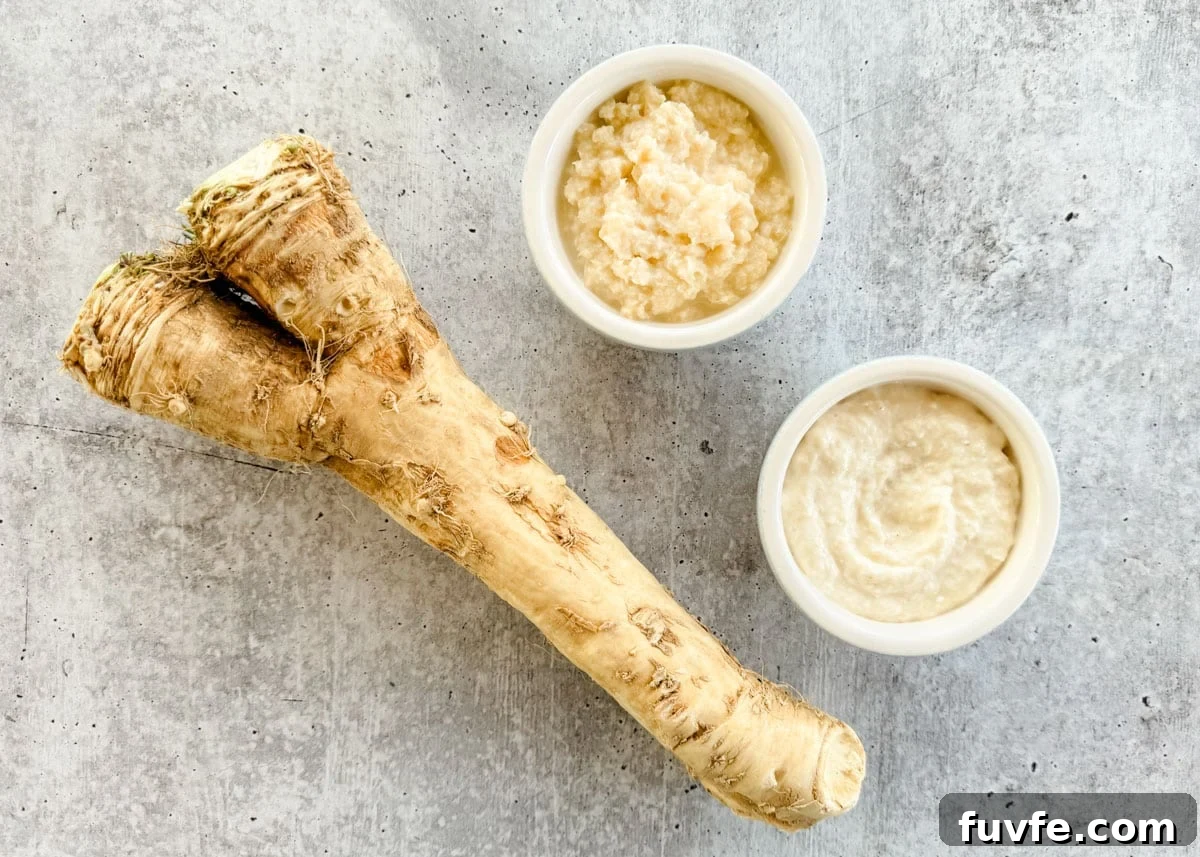
In stores you’ll commonly see three forms of horseradish: fresh horseradish root, prepared horseradish (grated root preserved in vinegar), and cream-style horseradish or horseradish sauce. Each type has different intensity, shelf life and culinary uses.
Fresh Horseradish Root
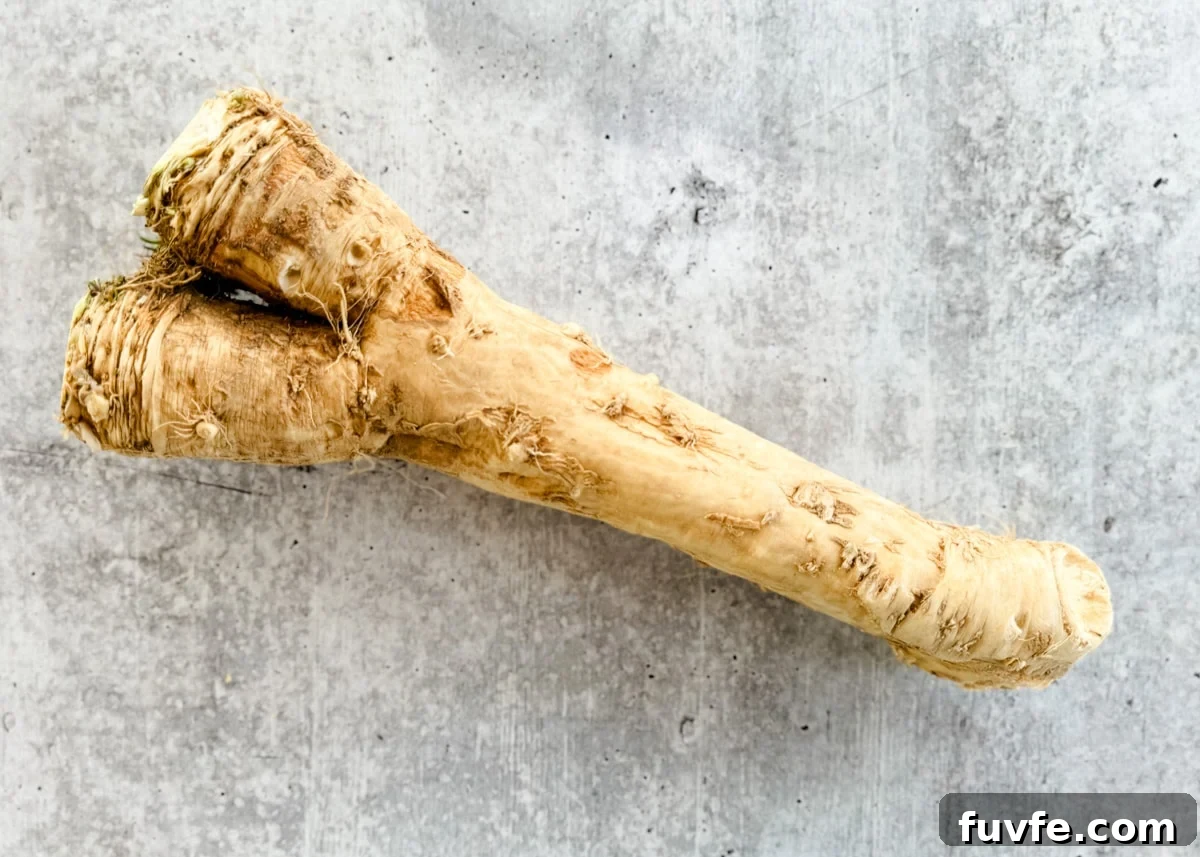
What it is: Fresh horseradish root is the purest and most intense form. When you grate or process it yourself, you get the sharpest heat and the most aromatic results.
Where to find it: Look in the produce section of supermarkets or at farmers’ markets. Choose firm roots without soft spots, mold, or vigorous sprouting, which can indicate an older root.
How to use it: Peel the outer skin with a vegetable peeler or knife, then grate, shred, chop, or grind the white interior. Freshly prepared horseradish oxidizes quickly, losing pungency and turning darker and bitter, so it’s best to grate only what you need or to stabilize it immediately with vinegar.
Safety note: Grating or chopping fresh horseradish releases strong vapors that can irritate eyes and nasal passages. Work in a well-ventilated area, use a vent fan or open windows, and consider protective eyewear. Preparing it outdoors can reduce irritation.
Fresh horseradish brings a bright, spicy punch to mashed potatoes, beet salads, and other vegetable dishes. It’s also classic with steak and seafood, often incorporated into creamy sauces.
Prepared Horseradish
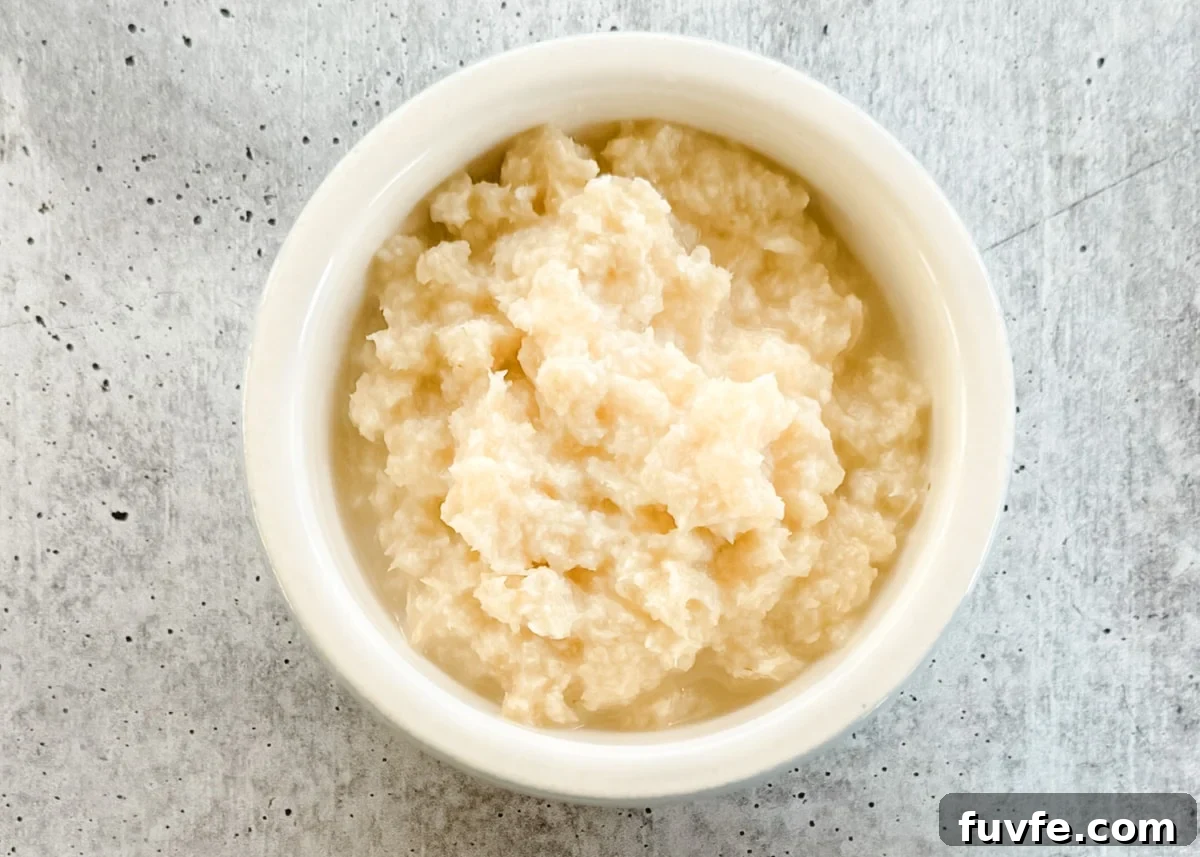
What it is: Prepared horseradish is grated horseradish root preserved in a brine of vinegar and salt. The vinegar stabilizes the heat-producing compounds and adds tang, producing a spicy yet less volatile product than fresh root.
Where to find it: For the best flavor, buy refrigerated prepared horseradish, typically found in the dairy, produce, seafood or deli sections. Shelf-stable versions may contain fillers and additives; check labels for simple ingredients such as horseradish root, vinegar and salt.
How to use it: Prepared horseradish is convenient and versatile. Use it to:
- Stir into sauces and dressings for a zesty kick.
- Fold into mashed potatoes or vegetable purées for depth and heat.
- Add to Bloody Marys for extra spice.
- Mix into ground meat before cooking for a peppery lift.
- Create quick creamy sauces for roasted meats or dips for chips and vegetables.
- Brighten soups or stews with a spoonful added near the end of cooking.
You can also make prepared horseradish at home from fresh root by grating and mixing it with vinegar and salt to preserve its flavor and color.
Cream-Style Horseradish and Sauce
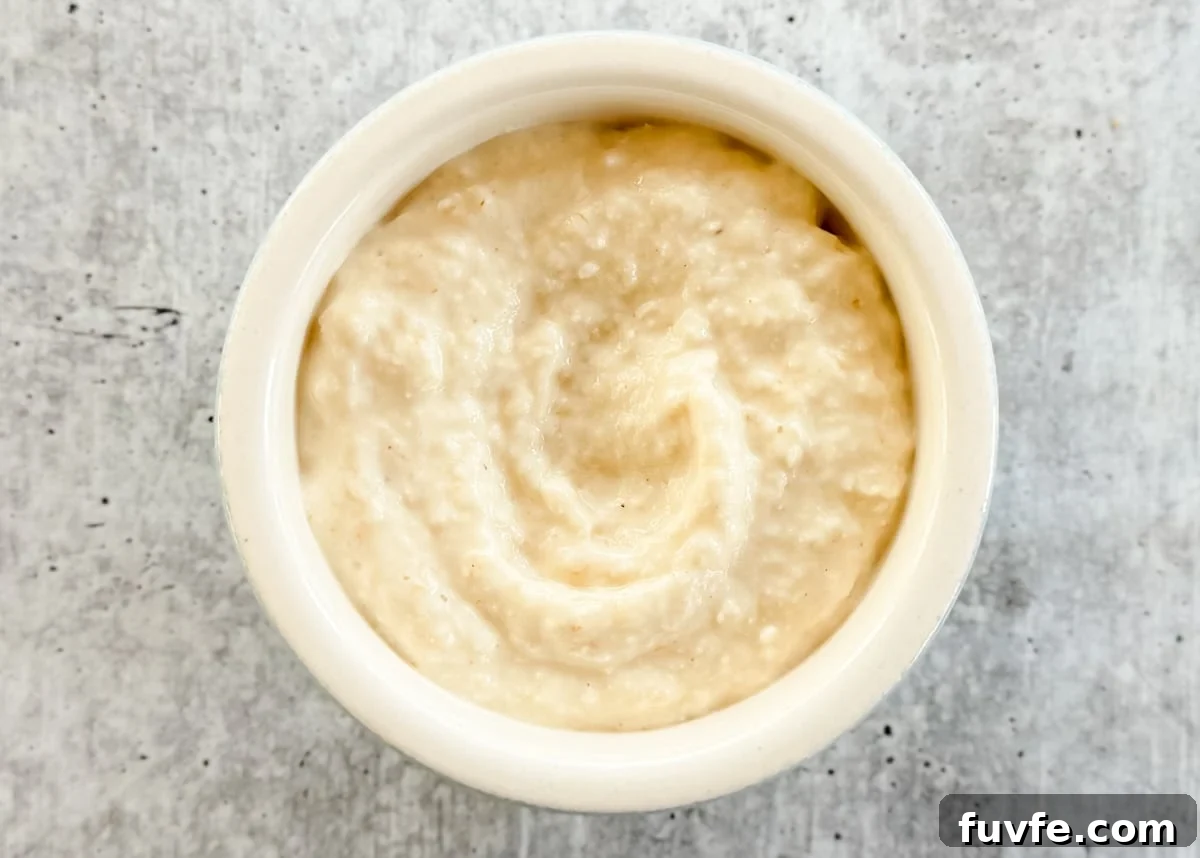
What it is: Cream-style horseradish blends grated or prepared horseradish with a creamy base such as sour cream, crème fraîche, mayonnaise or cream. The result is a smoother, milder condiment that retains horseradish’s flavor without the full bite of the raw root.
Where to find it: Look in the condiment aisle or in chilled sections near prepared horseradish. Heat level varies by brand; some shelf-stable varieties deliver good balance of creaminess and punch.
How to use it: Cream-style horseradish is a ready-to-use condiment useful for:
- Spreading on sandwiches, sliders or in puff-pastry appetizers.
- Filling deviled eggs or mixing into egg salads for a tangy lift.
- Serving as an easy accompaniment to steak, prime rib, or corned beef.
- Using as a dip for fries, chips or roasted vegetables.
You can prepare your own horseradish sauce by combining prepared horseradish with sour cream, mayonnaise or crème fraîche, then adjusting acid, salt and sweetness to taste. Homemade versions let you control heat and texture so the sauce complements your roast, sandwich or appetizer perfectly.
In summary, choose fresh root when you want the most intense, immediate heat; prepared horseradish for a convenient, shelf-stable punch; and cream-style horseradish when you prefer a mellow, spreadable condiment. Each has its place in the kitchen depending on how bold or subtle you want horseradish’s signature flavor to be.