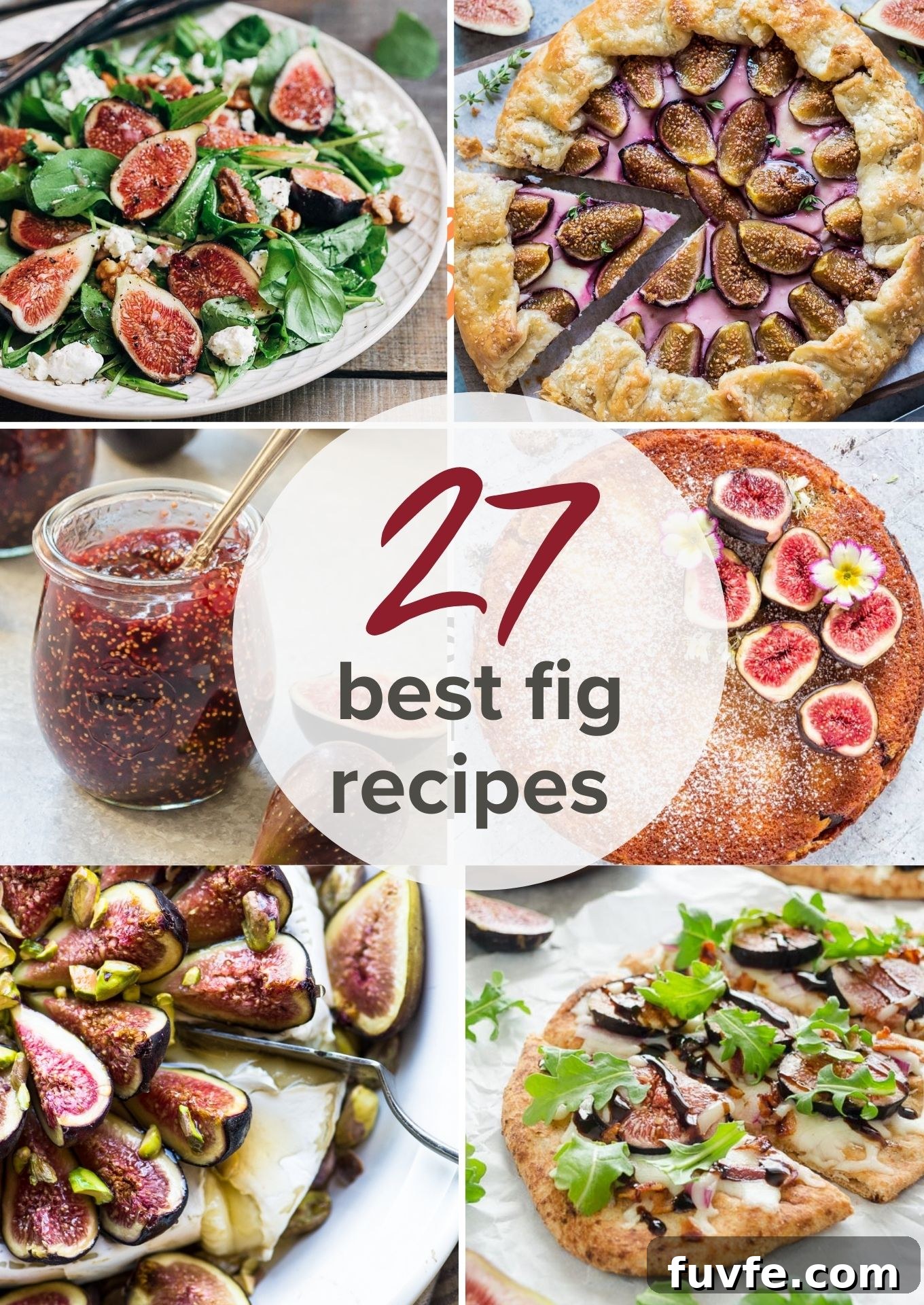
Celebrate fig season with 27 of the Best Fig Recipes. Below you’ll find a practical produce guide and an inspiring roundup of sweet and savory dishes—from fig jam and baked figs to salads, pizzas, and elegant appetizers—perfect for enjoying fresh figs while they’re in season.

Figs tend to inspire strong opinions: people usually either love them or dislike them. I didn’t try fresh figs until my adult years—my exposure as a child was mostly Fig Newtons. A beloved family member finally convinced me to sample a fresh fig, and I instantly understood the appeal. Their soft, jammy flesh and sweet, floral flavor were a revelation, and now fig season is one of my favorite times of year.
That first taste remains a special memory, and I often think of that moment when I enjoy fresh figs. Their short season makes them even more precious, and I love using them in both desserts and savory dishes throughout summer and early fall.
This post is designed to help you get the most from figs: learn what they are, how to choose and store them, and find 27 tested recipes to try. I also dug into how figs are pollinated—it’s an interesting process, and I’ve summarized the essentials in the FAQ below.
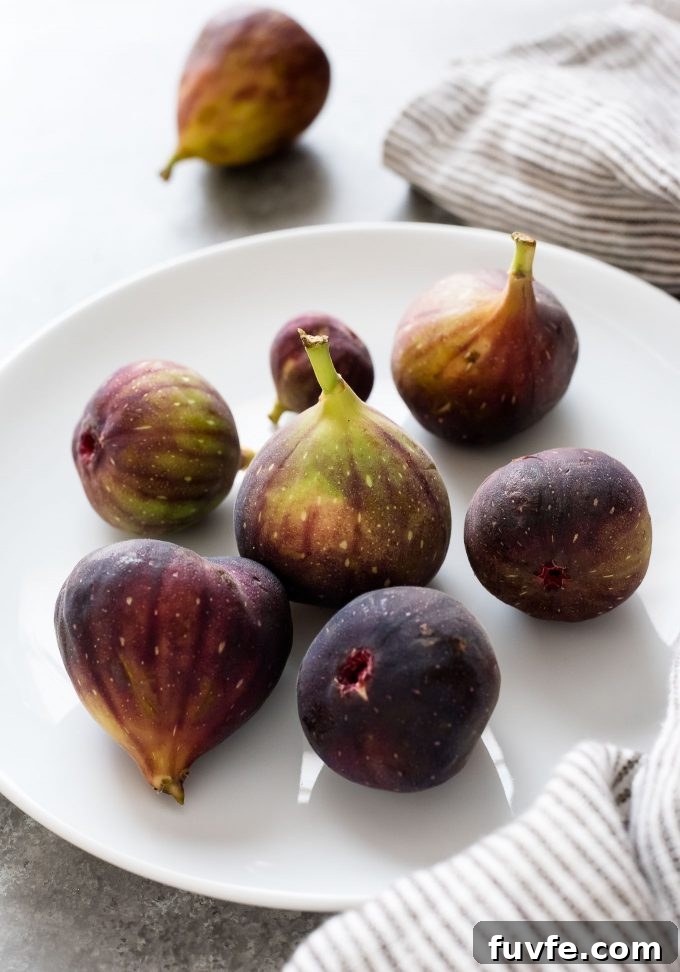
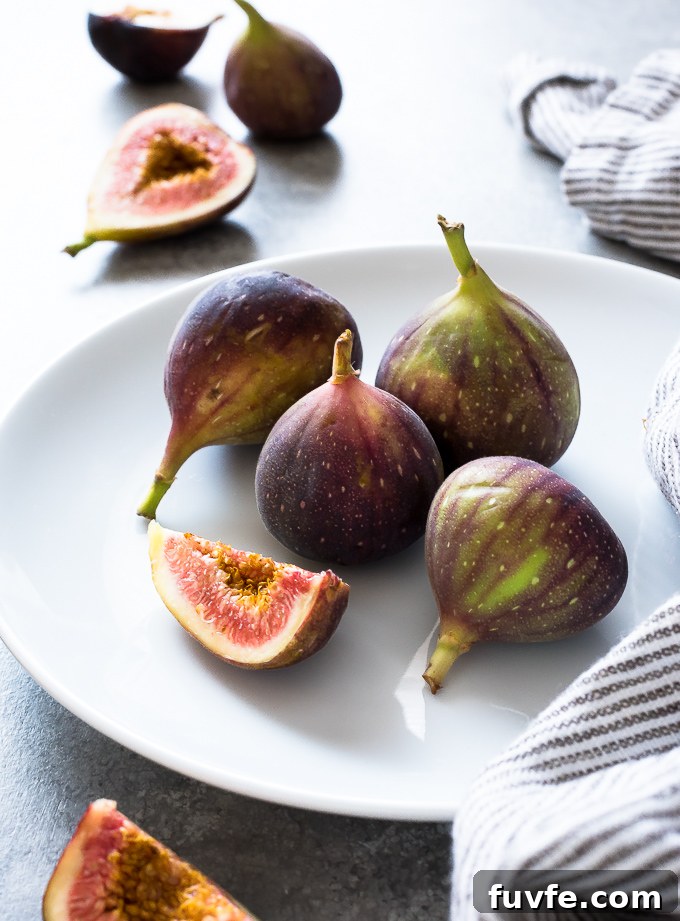
Figs are small, pear-shaped fruits with thin, soft skin and a tender interior filled with tiny, crunchy seeds. Ripe figs are very soft and have a deep pink to red flesh. Common varieties include Brown Turkey, Black Mission, Calimyrna and Sierra; some are darker while others remain green when ripe.
Trim off the stem, rinse the fruit under cool water and pat dry. Figs can be eaten whole—skin and all—or halved for salads, baking, or spreading on toast.
Figs are naturally sweet with subtle floral notes. The exact flavor and sweetness will vary by variety, ripeness and growing conditions.
Figs are botanically unique: the fruit forms from an inverted flower. Wild figs rely on tiny fig wasps for pollination, a close mutual relationship between species. Many commercially grown figs (common figs) do not require pollination to produce the edible fruit you find at the market, which is why most store-bought figs are free from that ecological complexity.
Most commercially grown figs do not need pollination, but in nature some figs are pollinated by tiny wasps. Because of that rare possibility and the natural enzymatic processes involved, some people avoid classifying all figs as strictly vegan. For most consumers, figs are treated as a plant-based food.
Common fig trees are well suited to home gardens because they typically produce fruit without pollination. Plant them in full sun in early spring or late fall while dormant. Fig trees prefer warm climates but can also thrive in containers that move indoors during cold weather. Young trees may take a season or two to begin bearing fruit.
Figs are most commonly harvested in early summer, with a second, later harvest in late summer through early fall, depending on variety and region.
Figs are a natural source of sugars and minerals, including potassium, calcium, magnesium, iron and copper. They provide soluble fiber and contain vitamins such as A, E and K in varying amounts.
Select figs that are plump and soft but not overly squishy. Avoid fruits with bruising or excessive wrinkling. Figs are highly perishable—store them in the refrigerator and plan to use them within a day or two, or preserve them as jam.
Figs work wonderfully in both sweet and savory dishes. They shine in tarts, cakes and jams, and pair beautifully with cheeses, nuts and greens in salads, pizzas, and appetizers.
If you love seasonal produce, explore other recipe roundups and guides focused on fresh ingredients and seasonal cooking.
- August seasonal produce guide
- Corn recipes
- Leek recipes
- Fava bean recipes
- Fennel recipes
- Fresh herbs
- July seasonal produce guide
- Poblano pepper recipes
- Radish recipes
- Rhubarb recipes
- Tomatillo recipes
- Shishito pepper recipes
- Swiss chard recipes
27 Fresh Fig Recipes to Make
If you’re discovering figs for the first time or want fresh ideas, this curated collection includes dishes that highlight figs’ sweetness and texture. Try them raw, roasted, baked, or paired with cheeses and greens—there’s a recipe here for every taste.
Below are recipe highlights and links to full instructions. These selections cover breakfasts, desserts, appetizers, salads, pizzas and simple preparations that make the most of fresh figs.
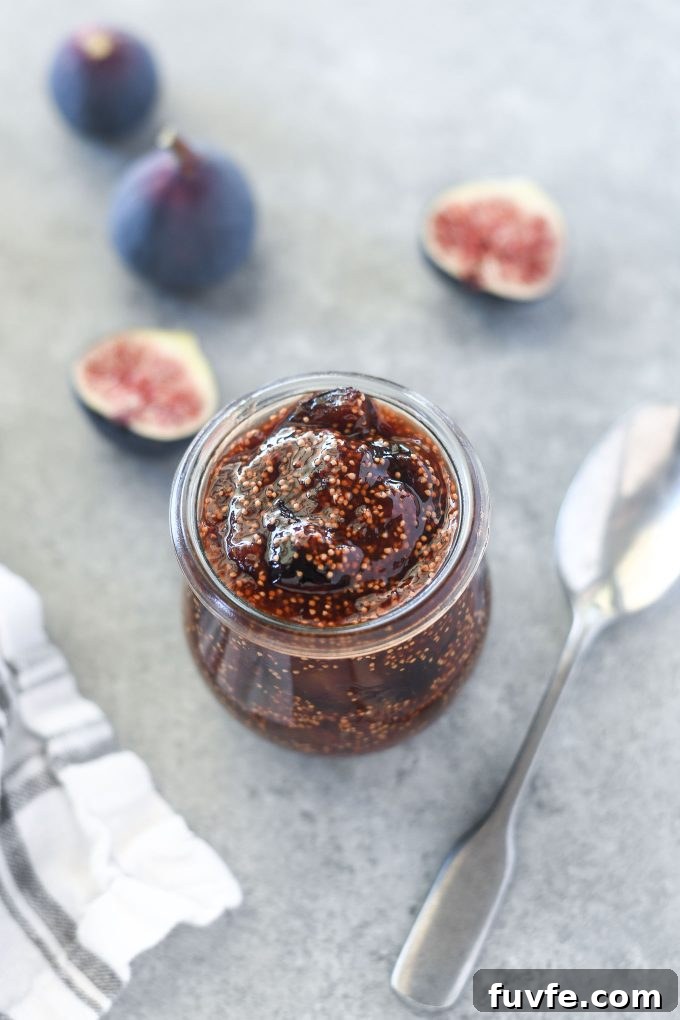
Small-Batch Fig Jam
Get the Recipe
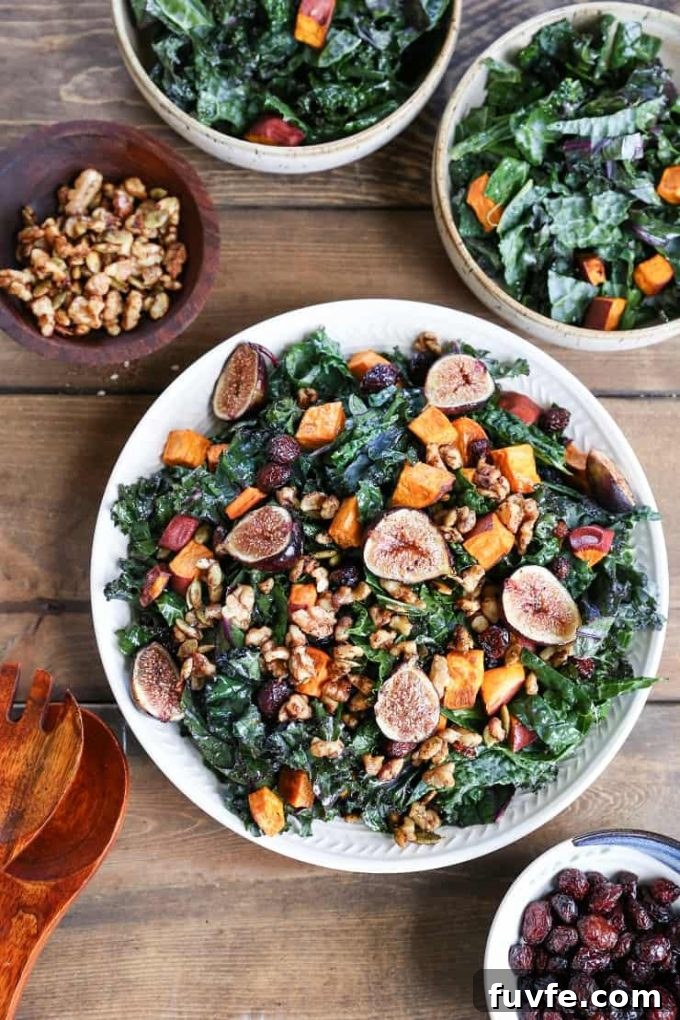
Roasted Sweet Potato and Fig Kale Salad
Get the Recipe
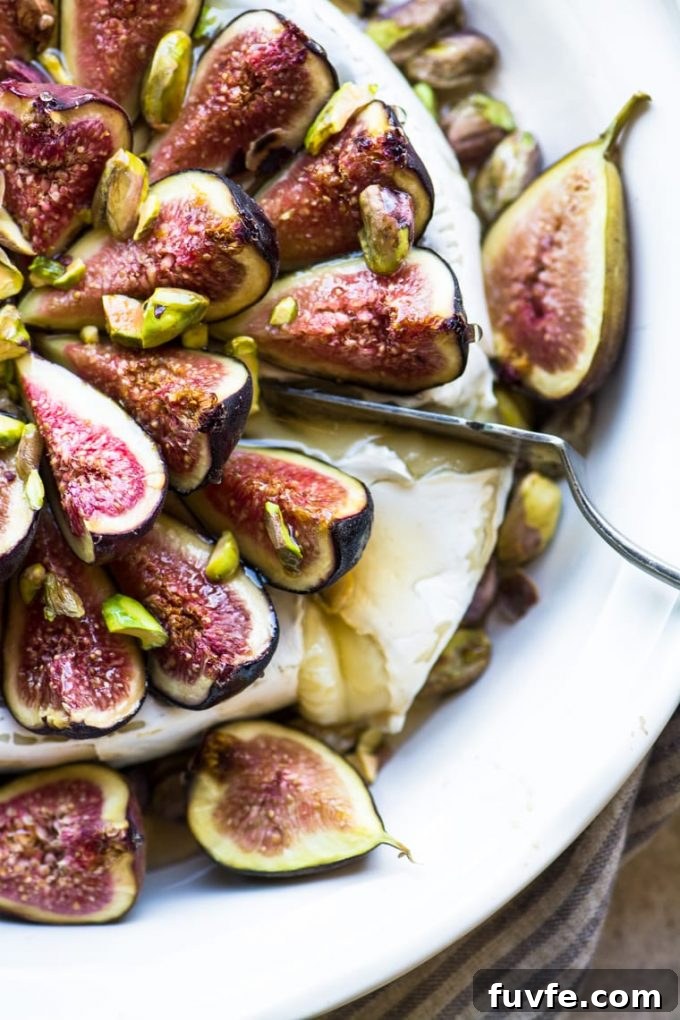
Easy Baked Brie with Figs and Honey
Get the Recipe
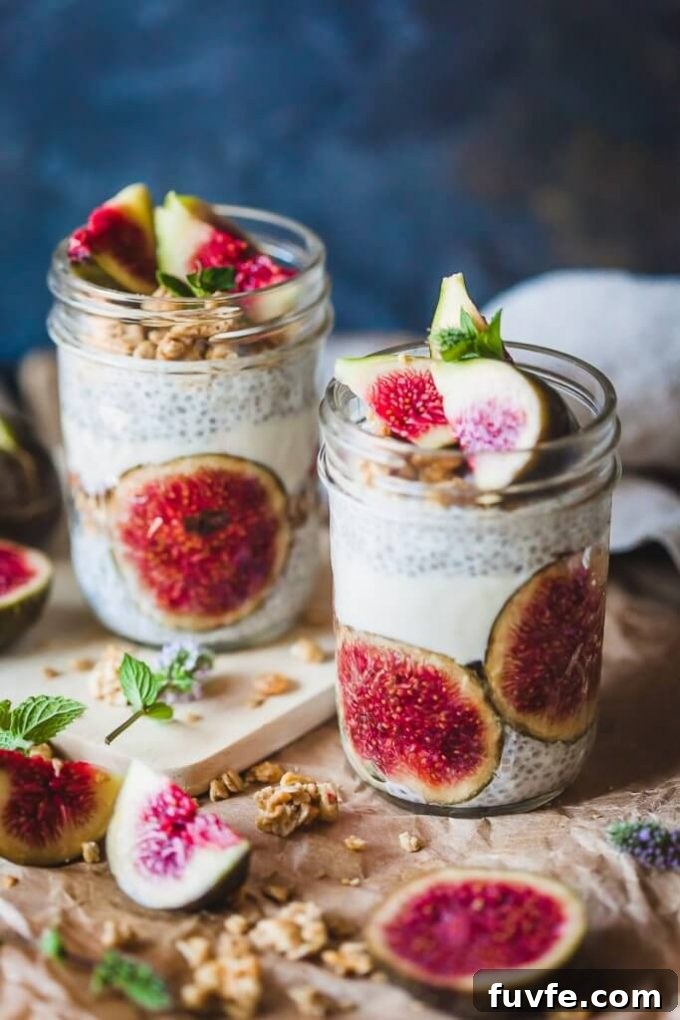
Almond Milk Fig Chia Pudding
Get the Recipe
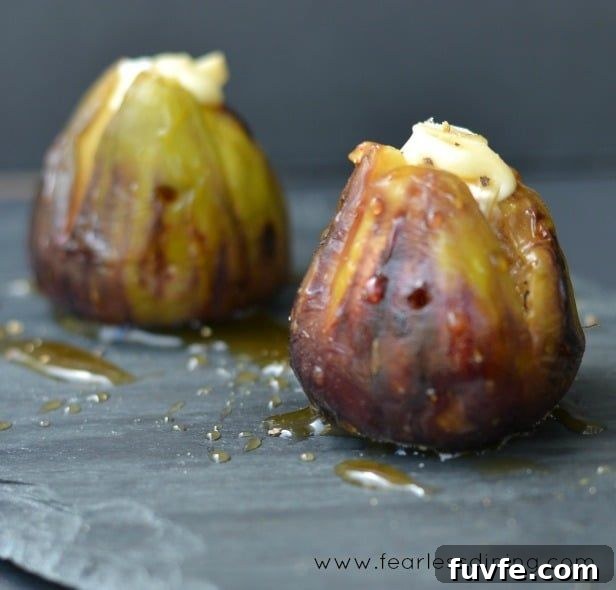
Easy Grilled Figs Stuffed with Brie and Honey
Get the Recipe
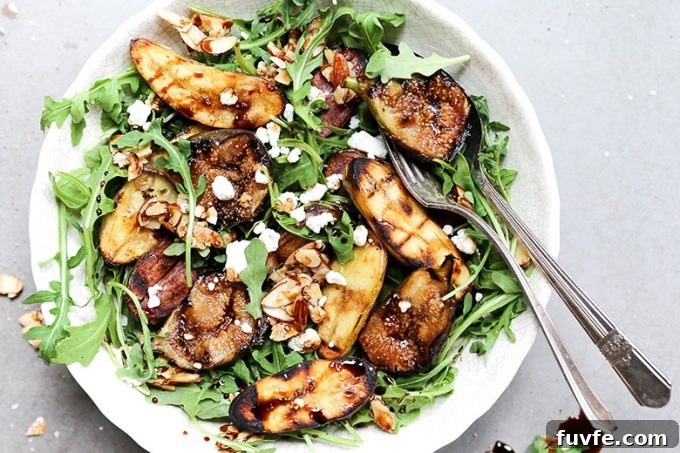
Grilled Fig and Potato Salad
Get the Recipe
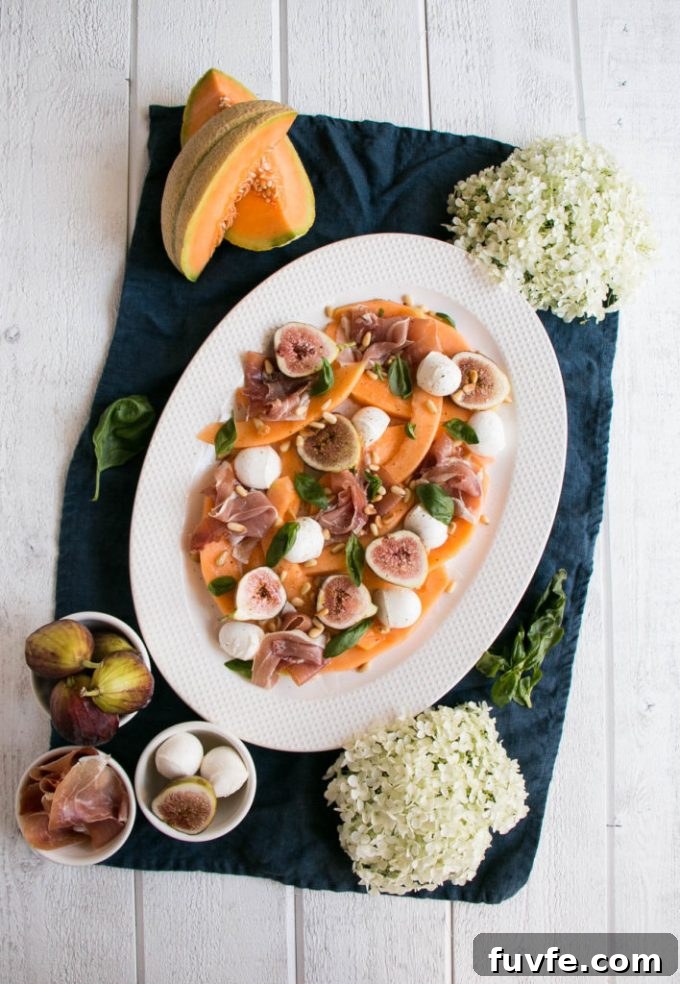
Melon, Fig, and Prosciutto Salad
Get the Recipe
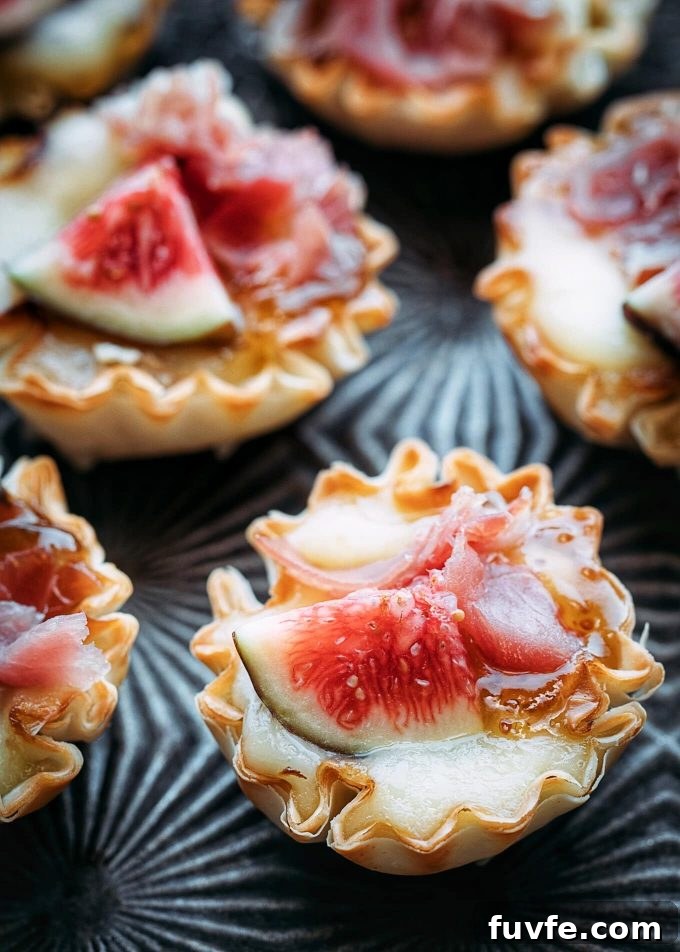
Baked Brie Bites with Figs and Prosciutto
Get the Recipe
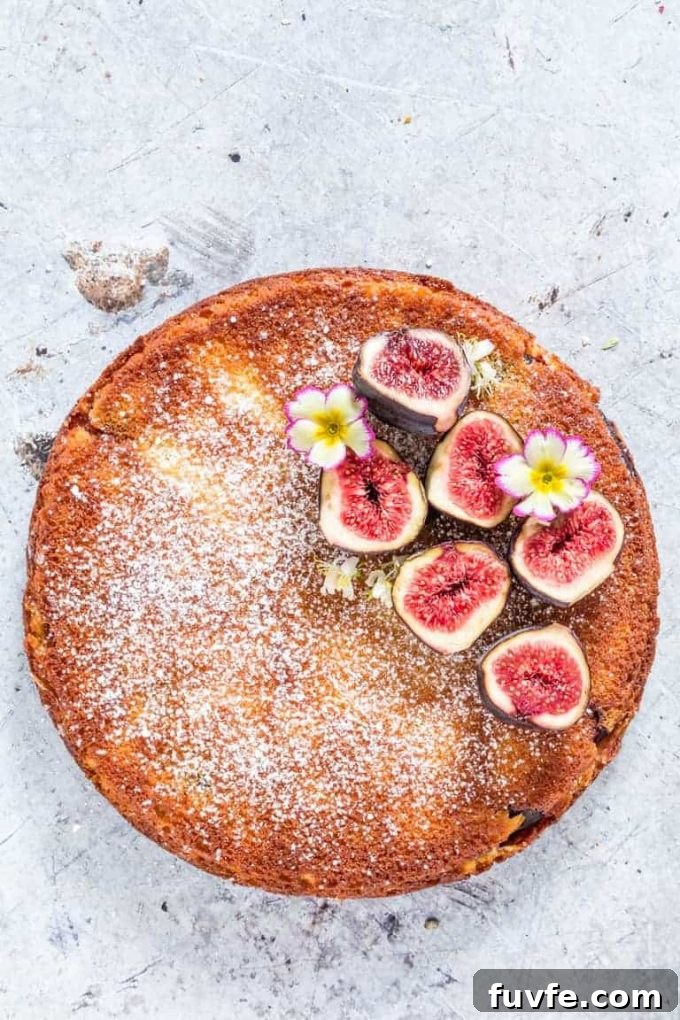
Fig Semolina Cake
Get the Recipe

Fig, Honey and Goat Cheese Galette
Get the Recipe

Fig Mojito
Get the Recipe
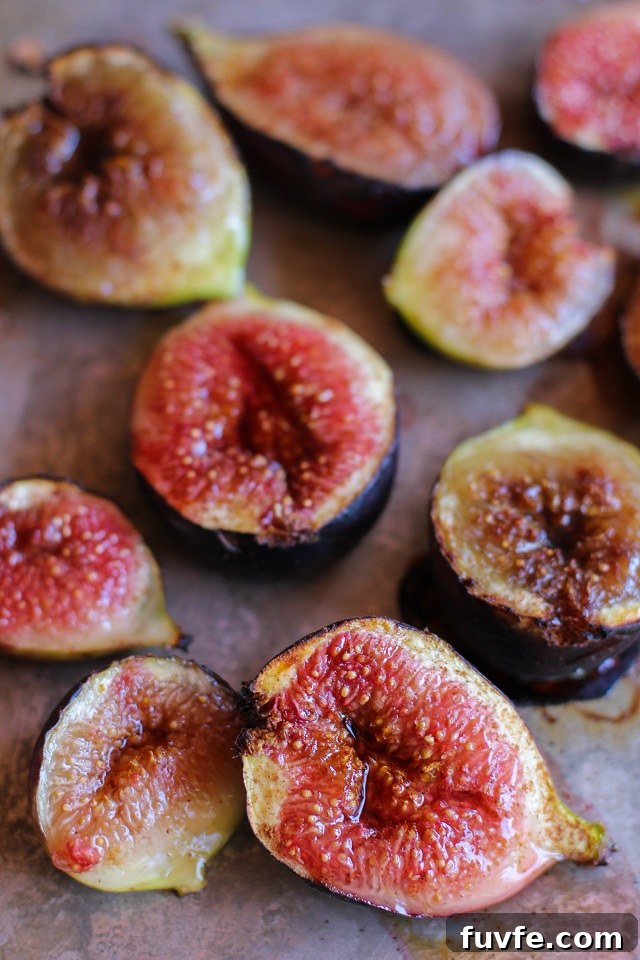
Maple Roasted Figs
Get the Recipe
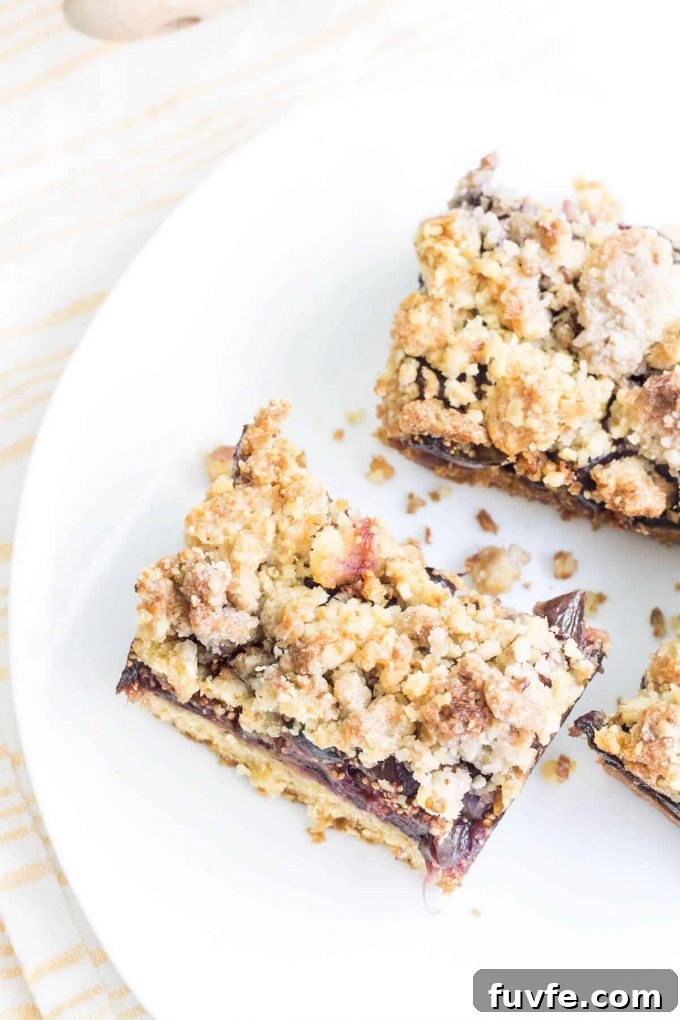
Fig Crumble Bars
Get the Recipe
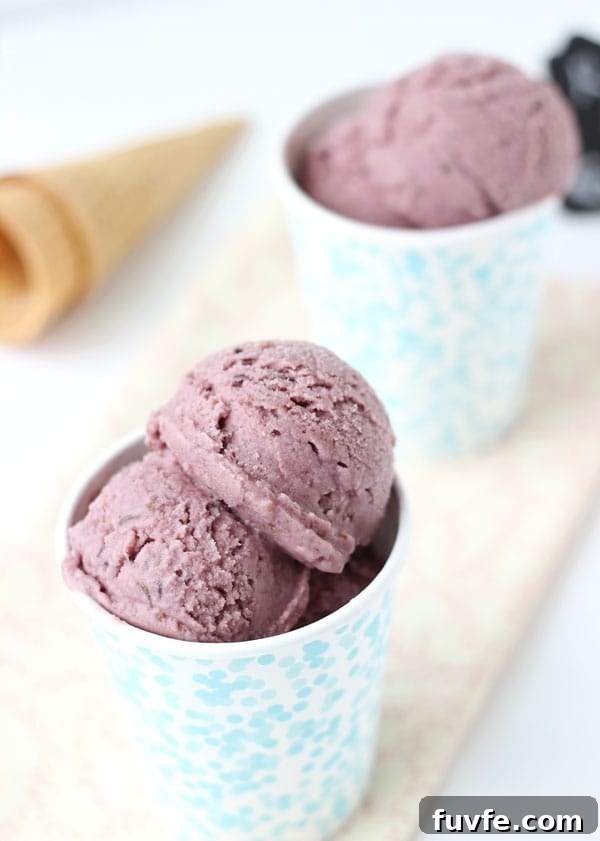
Roasted Fig & Ginger Ice Cream
Get the Recipe
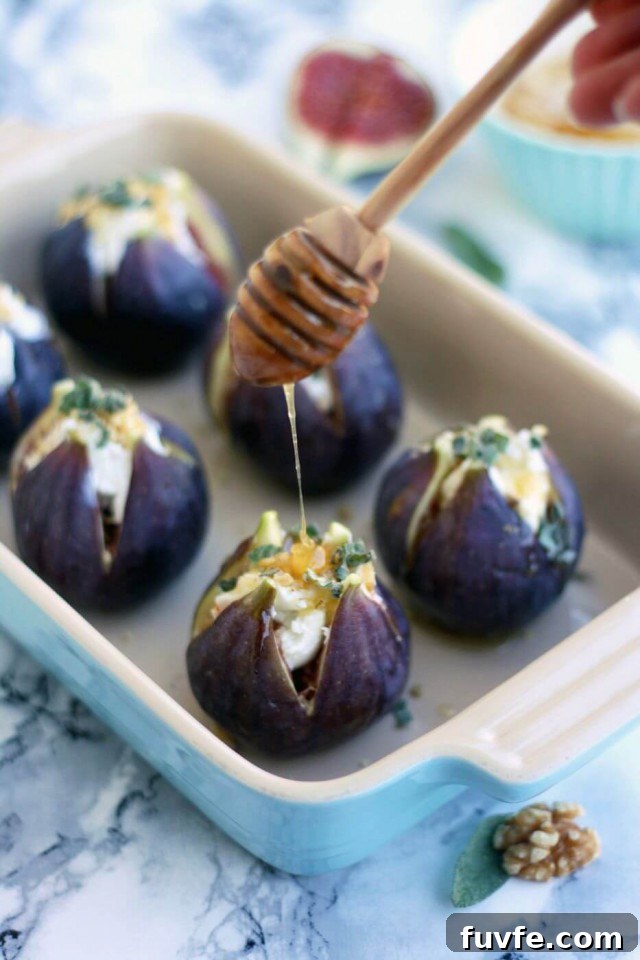
Baked Figs with Goat Cheese
Get the Recipe
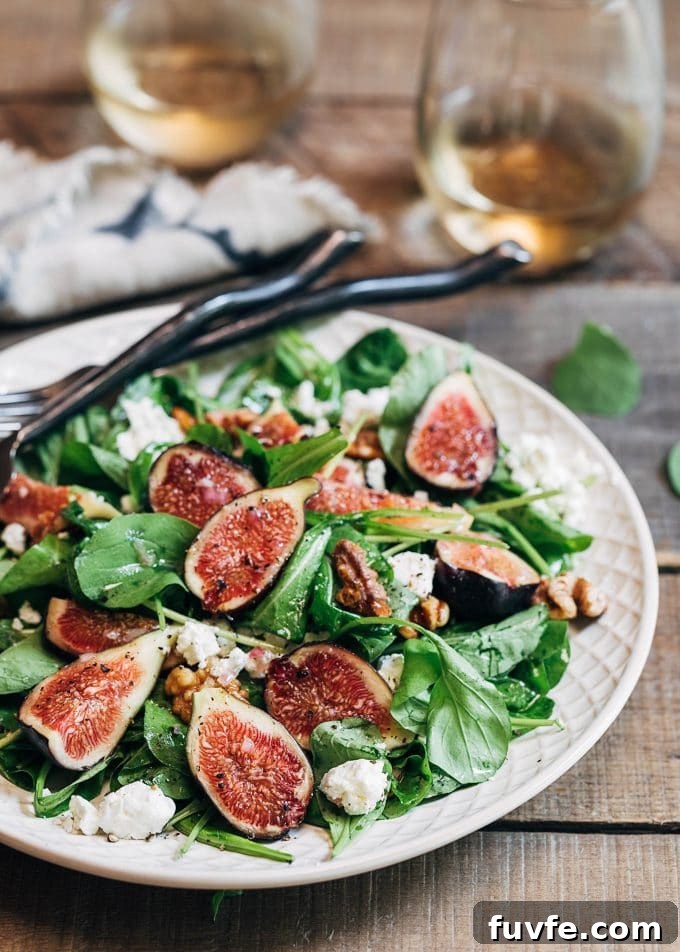
Fig Salad with Goat Cheese and Baby Arugula
Get the Recipe
Easy Gluten Free Fig Cake
Get the Recipe
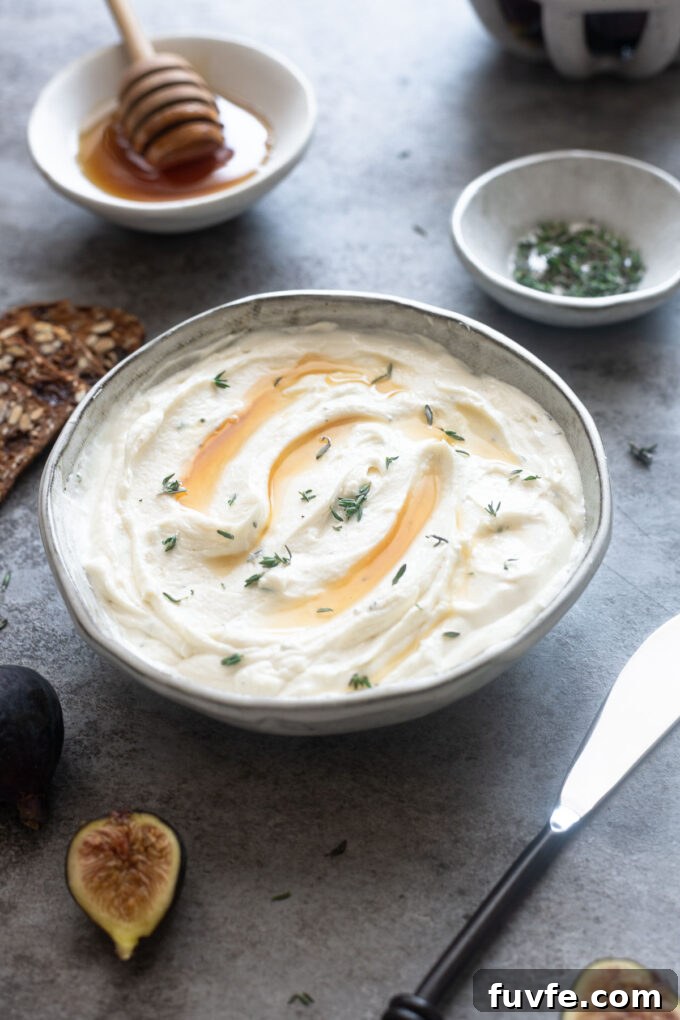
Whipped Goat Cheese
Get the Recipe

Honey Fig Pizza with Feta and Walnuts
Get the Recipe
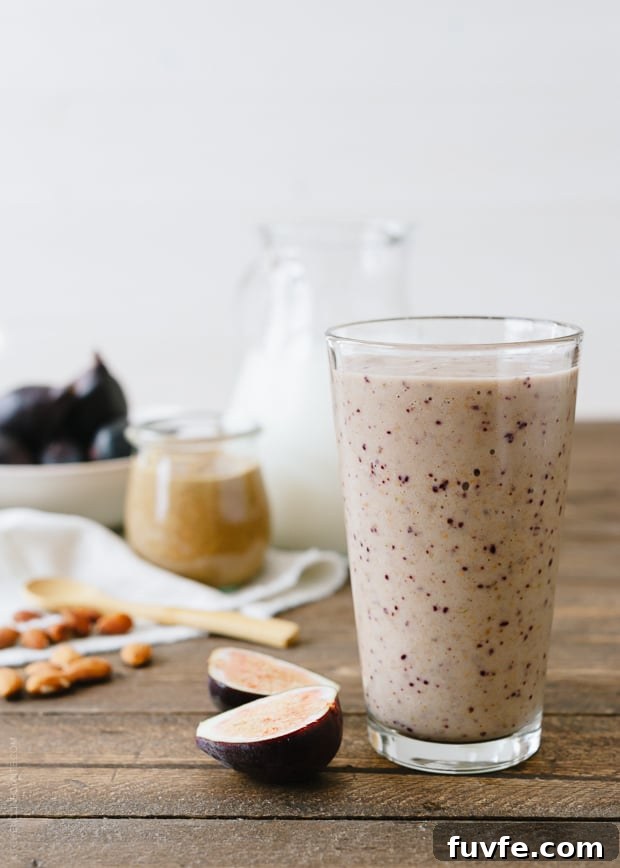
Fig and Almond Butter Smoothie
Get the Recipe
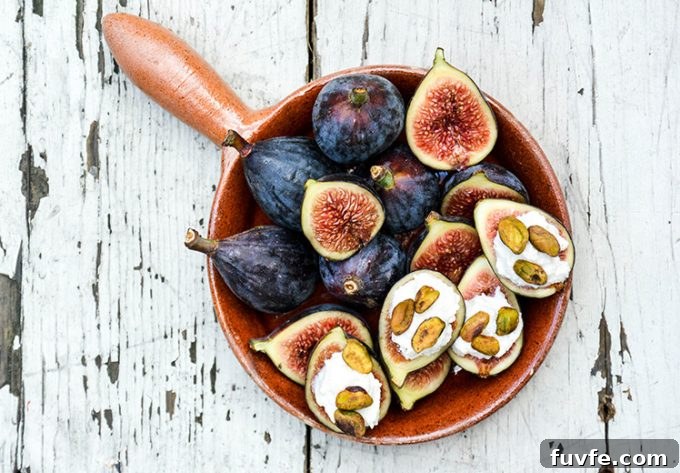
Fresh Figs with Lemon-Vanilla Ricotta and Toasted Pistachios
Get the Recipe
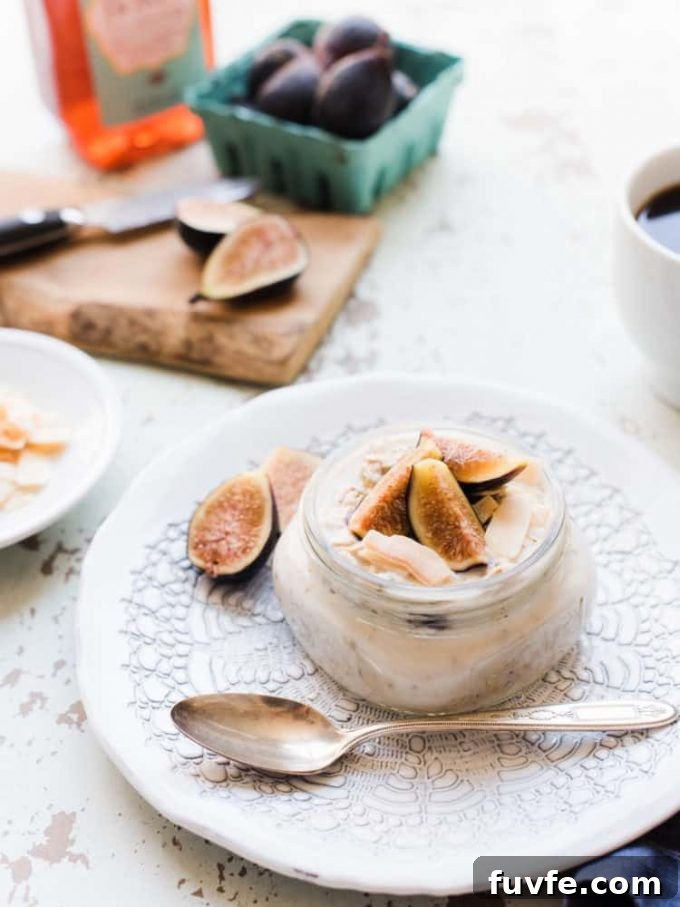
Overnight Oats with Figs, Honey and Toasted Coconut
Get the Recipe

Caramelized Onion, Fig & Ricotta Pizza
Get the Recipe
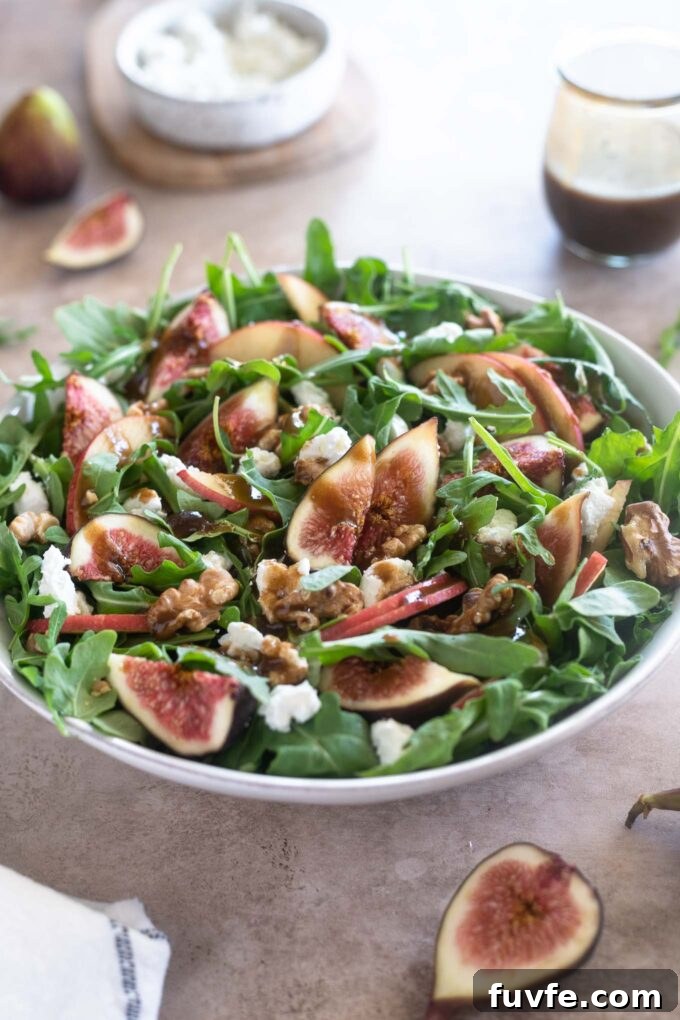
Arugula Fig Salad
Get the Recipe
Sources:
- Gardener’s Path
- The Spruce Eats
- Wikipedia