
If you’re wondering what to do with persimmons, this curated collection of 23 Persimmon Recipes will inspire you. Inside you’ll find ideas for persimmon cookies, cake, salads, jam and more, plus a concise produce guide covering varieties, ripeness, storage and health benefits for this delicious fall fruit.

Fall is my favorite season, and persimmons are one of the highlights. I always miss summer tomatoes and berries, but the arrival of persimmon season quickly lifts my spirits.
My introduction to persimmons was unexpected: my son came home from third grade after a persimmon tasting at school and raved about them. He handed me a few recipes from the event, including a salad recipe. I picked up the ingredients and tried it that day.
That simple salad became a family favorite, and since then I’ve used persimmons in both sweet and savory dishes. They’re versatile, fragrant, and add a lovely sweet note to many recipes.
FAQs
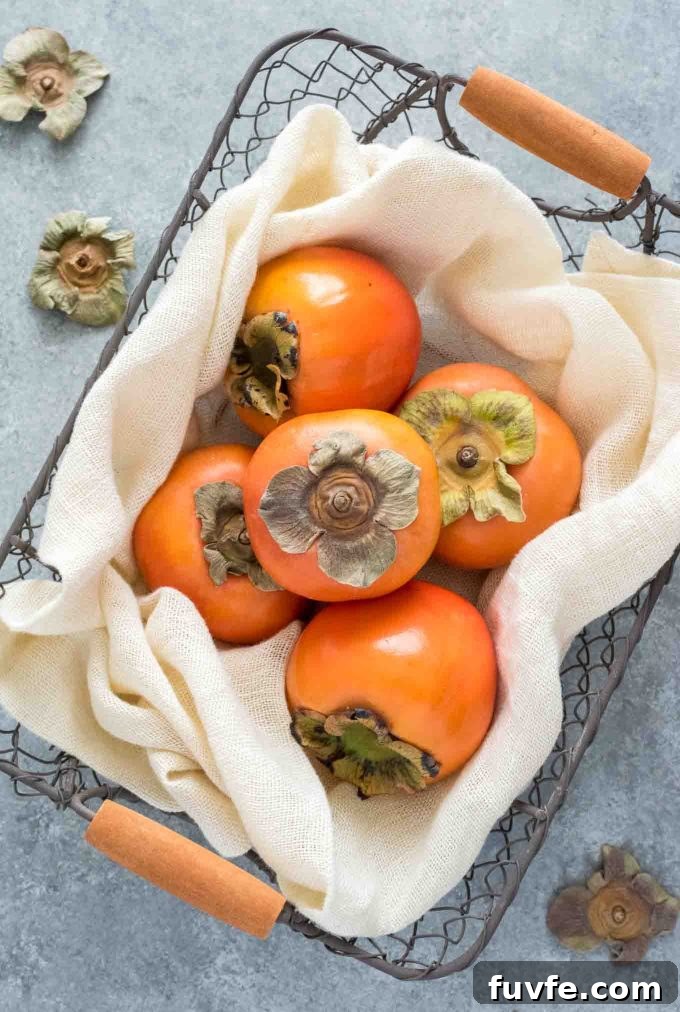
What are persimmons?
Persimmons are edible fruits from the Diospyros genus, long cultivated in East Asia. Their flesh ranges from golden to deep orange and their shapes vary from round and squat to oblong or acorn-like. The name is often associated with the meaning “divine fruit.”
Common persimmon varieties
The two varieties you’ll see most often are Fuyu and Hachiya. They look similar at a glance but behave differently in recipes, so it’s important to know which you have before using them.
When are persimmons in season?
Persimmons are a fall and early winter fruit. You’ll typically find them in markets once temperatures cool and through the early winter months.
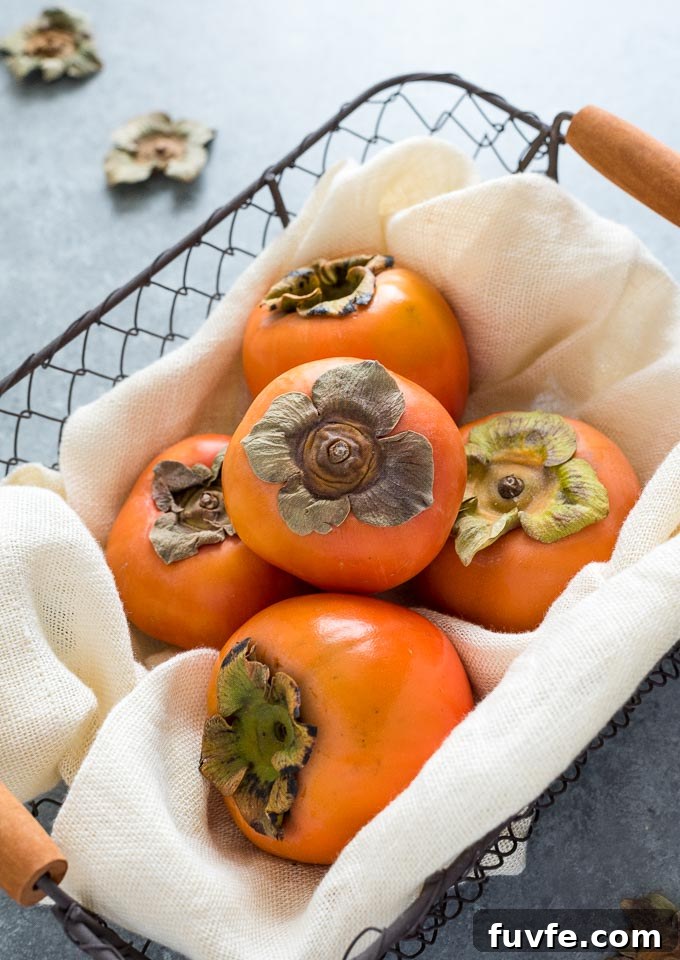
How can you tell when a persimmon is ripe?
Ripe persimmons darken in color and become soft to the touch. Texture and sweetness increase as they ripen.
What does a persimmon taste like?
Ripe persimmons have a sweet, honeyed flavor often compared to apricot or brown sugar. A fully soft fruit is significantly sweeter and more aromatic than a firm one.
Fuyu vs. Hachiya — what’s the difference?
Fuyu persimmons are squat with a flat bottom and can be eaten crisp, like an apple, or fully ripe. Hachiya persimmons are more acorn- or heart-shaped and are astringent until completely soft; when fully ripe they become very tender and sweet.
How do you eat a persimmon?
Fuyu: Trim the top and slice into rounds or wedges; the thin skin is edible and adds texture. Use firm fuyu in salads, salsas, or as an apple substitute; very ripe fuyu works well in smoothies, jam, and baking.
Hachiya: Only eat when extremely soft. Cut off the top and scoop out the jelly-like flesh for use in smoothies, baking, or preserves.
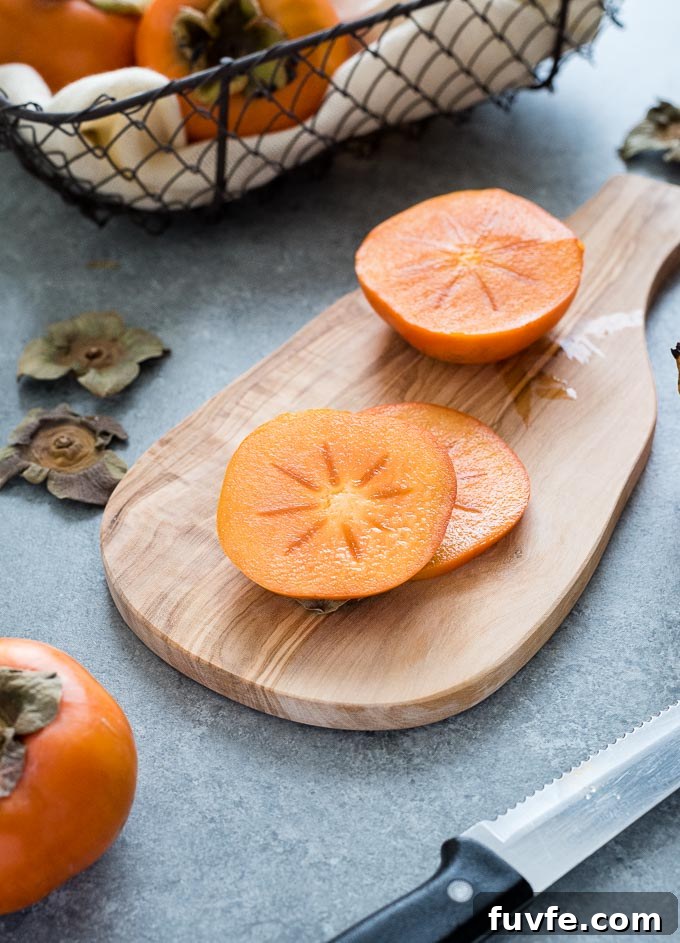
Can you eat persimmon skin?
Fuyu skin is edible and pleasant in texture. Hachiya skin is typically avoided because of the fruit’s astringency when unripe.
Health benefits of persimmons
Persimmons offer vitamins A and C, B vitamins, potassium and manganese, and plant compounds like tannins and flavonoids. They are also a good source of antioxidants such as beta-carotene and flavonoids.
How to store persimmons
Store firm persimmons at room temperature for a few days. Once they soften, refrigerate and use within a day or two. For longer storage, scoop ripe pulp into an airtight container and refrigerate for up to three days or freeze for several months.
How to cut a persimmon
Remove the leafy collar, slice off the top, then scoop the soft core or cut the fruit into wedges depending on type and ripeness.
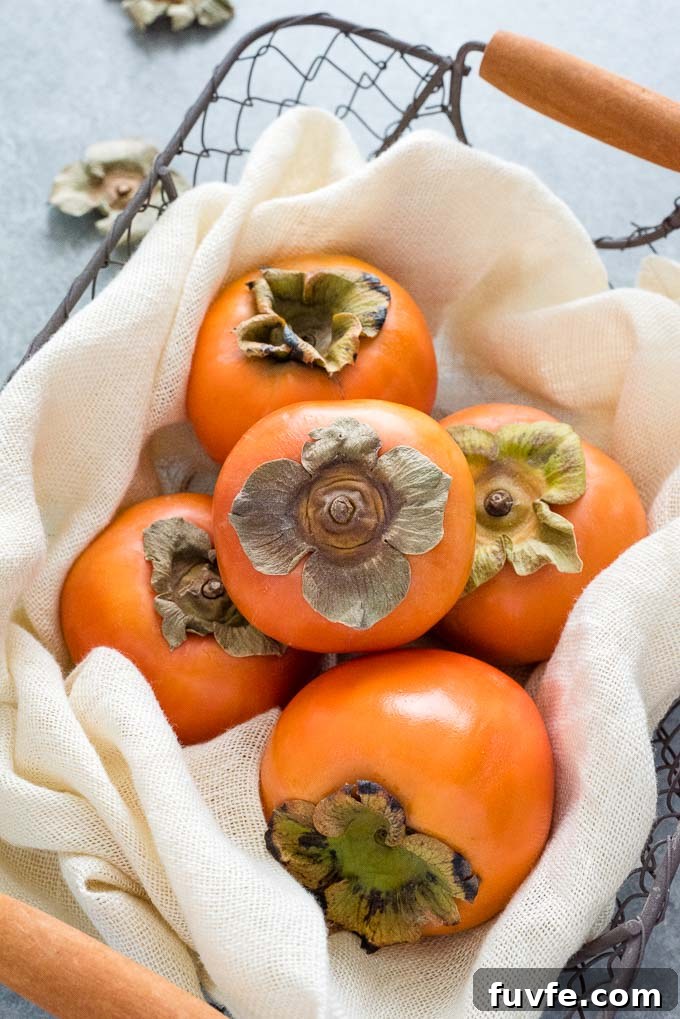
More seasonal recipe round ups you’ll love:
- Apple recipes
- Butternut squash recipes
- Cranberry recipes
- Delicata squash guide
- Fig recipes
- Leek recipes
- Kabocha squash recipes
- November seasonal produce guide
- October seasonal produce guide
- Poblano pepper recipes
- Pomegranate recipes
- Pumpkin recipes
- September seasonal produce guide
- Swiss chard recipes
23 Persimmon Recipes
If you’ve wondered what to do with persimmons, this list collects a variety of creative ways to enjoy them. There are recipes for quick salads and smoothies, baked goods like cookies and cake, savory bites and preserves. The suggestions below show how well persimmons pair with greens, nuts, cheeses, warm spices and citrus.
These recipes celebrate both Fuyu and Hachiya persimmons, so check the notes above about texture and ripeness before you start. Use firm Fuyu in crisp preparations and fully ripened Hachiya for purees, breads and jams.

Persimmon Salad
Get the Recipe
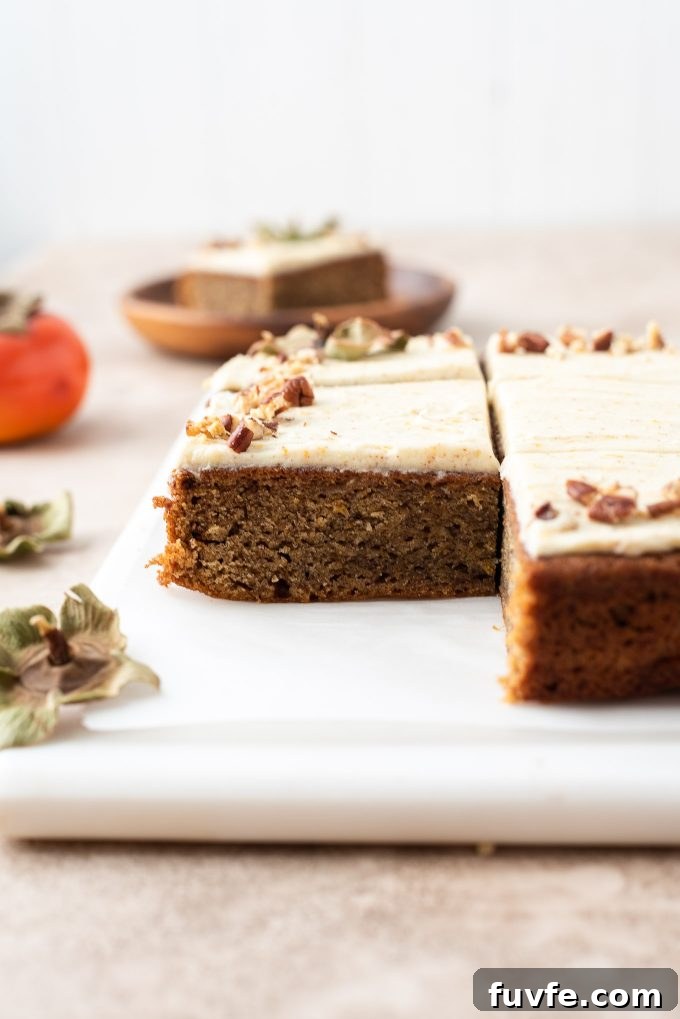
Persimmon Cake with Brown Butter Orange Frosting
Get the Recipe
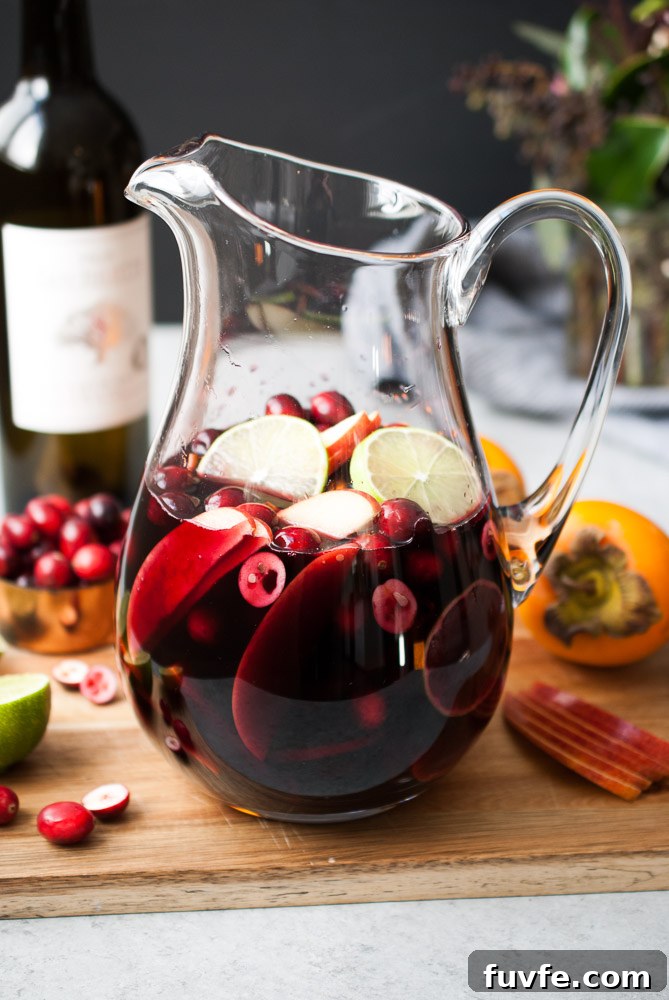
Cranberry Apple Persimmon Sangria
Get the Recipe
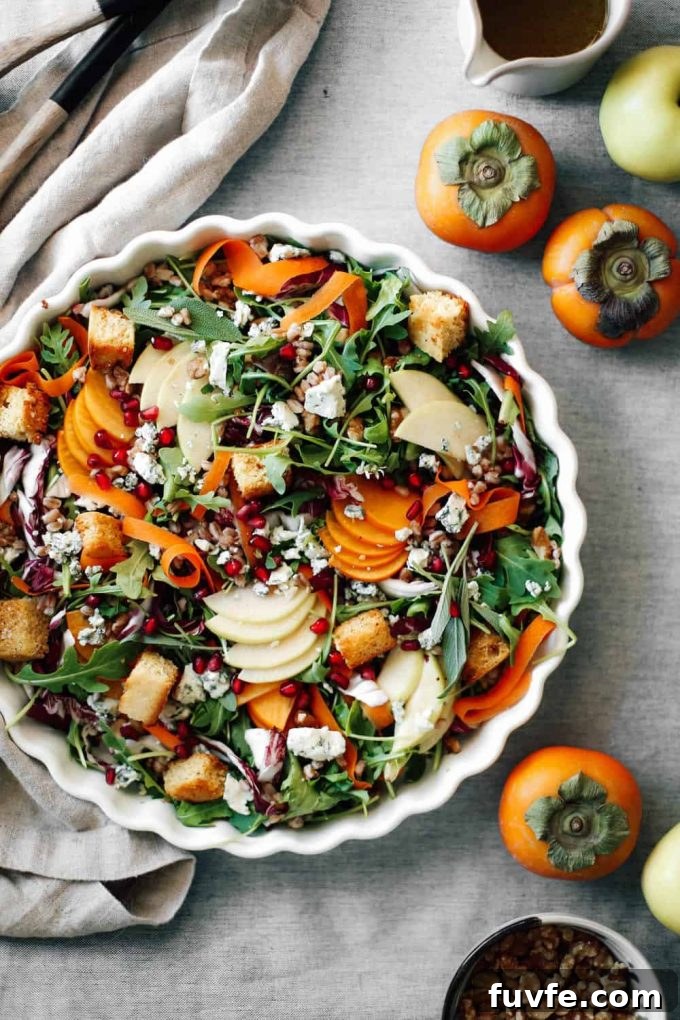
Apple and Persimmon Salad with Chinese 5 Spice Cornbread Croutons
Get the Recipe

Persimmon Cookies
Get the Recipe
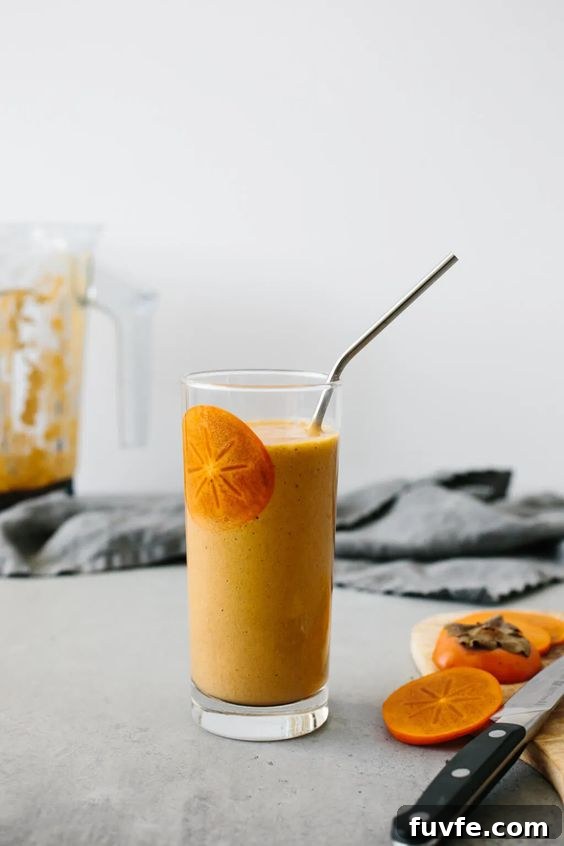
Spiced Persimmon Smoothie
Get the Recipe
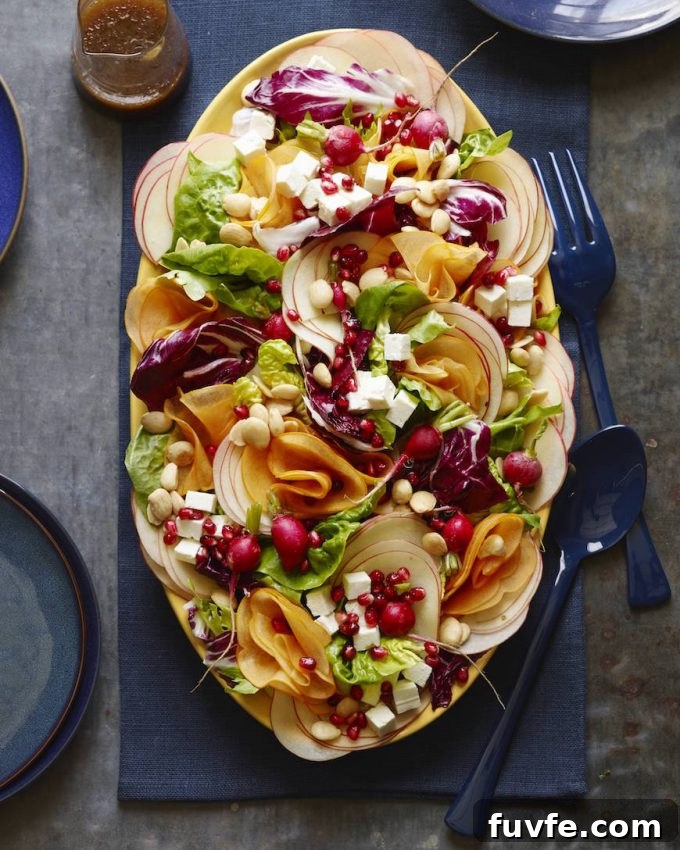
Fall Harvest Salad
Get the Recipe
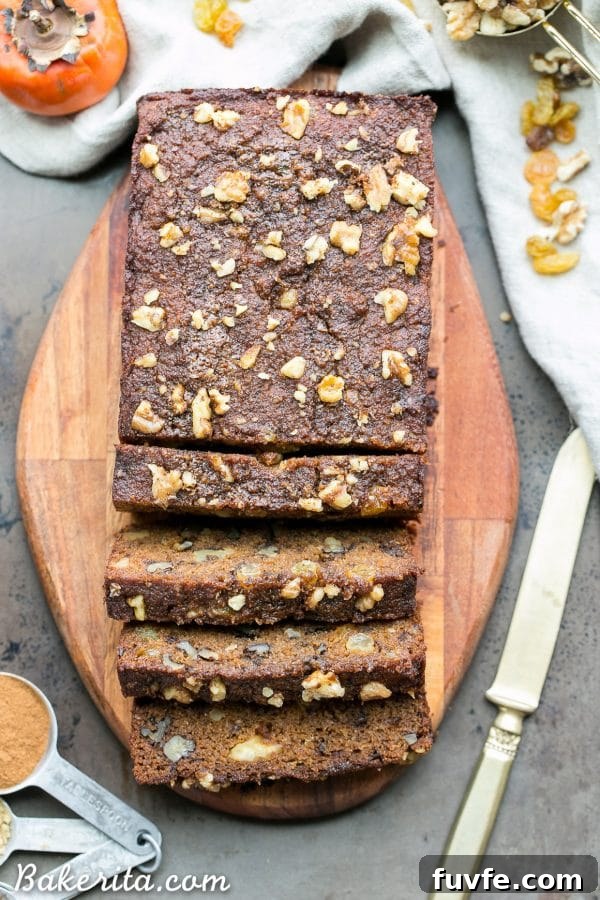
Paleo Persimmon Bread
Get the Recipe
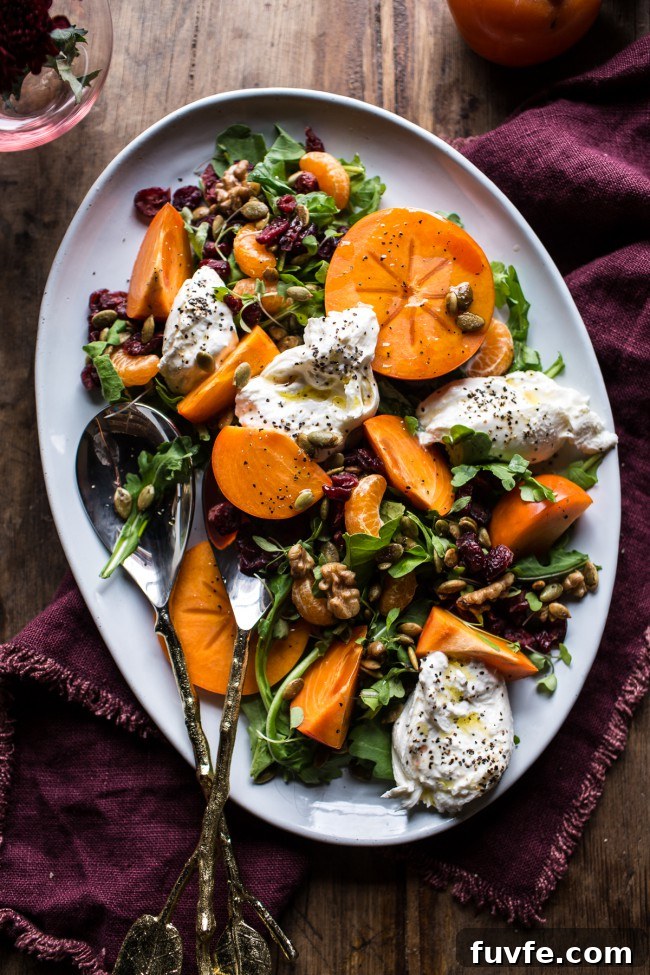
Harvest Cranberry, Persimmon and Burrata Salad
Get the Recipe
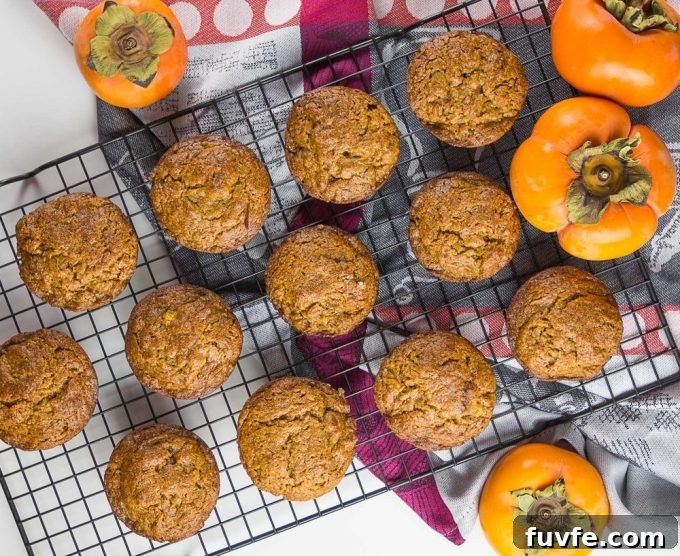
Persimmon Muffins
Get the Recipe
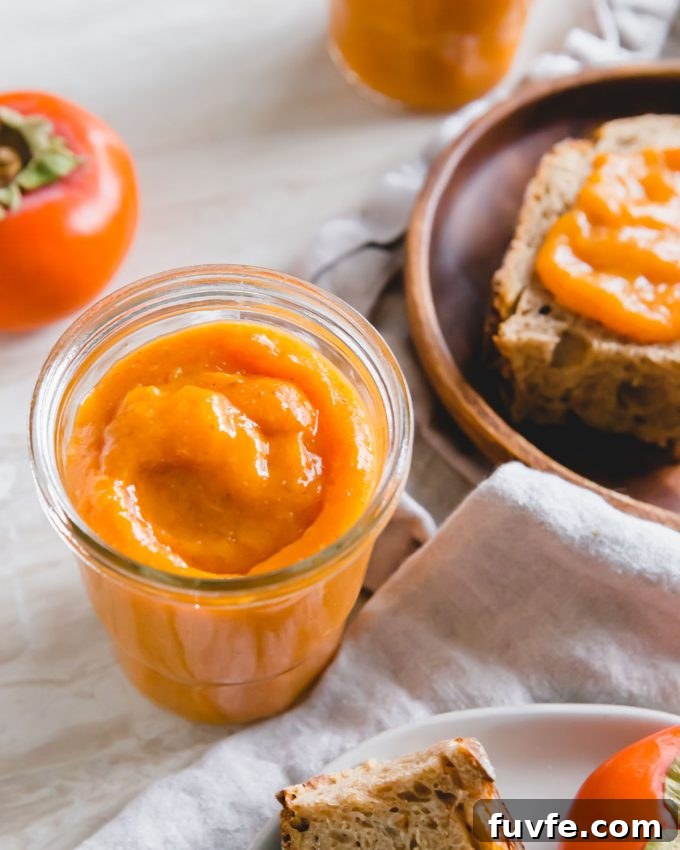
Persimmon Jam — No Sugar Added
Get the Recipe
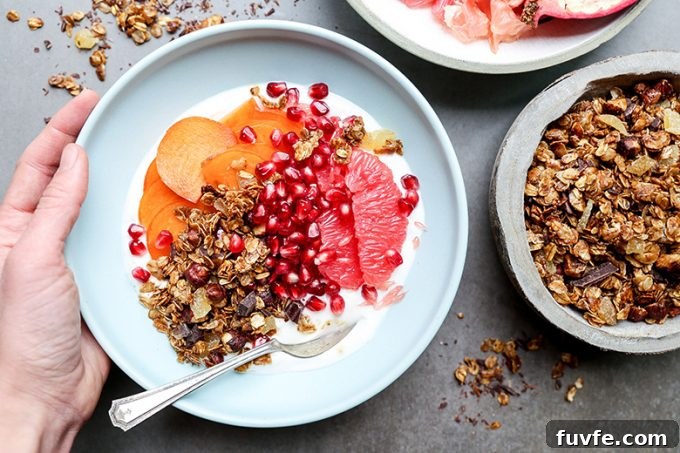
Winter Fruit and Yogurt Breakfast Bowls
Get the Recipe
At a glance: Use Fuyu persimmons when you want crisp texture and fresh slices; reach for fully softened Hachiya for baking, purees and jams. Persimmons pair beautifully with nuts, citrus, warm spices, creamy cheeses and hearty greens. Try them raw, roasted, pureed or preserved to enjoy the full range of flavors this autumn fruit offers.
Sources consulted: Farmer’s Almanac, Healthline, WebMD, Wikipedia (listed for reference).