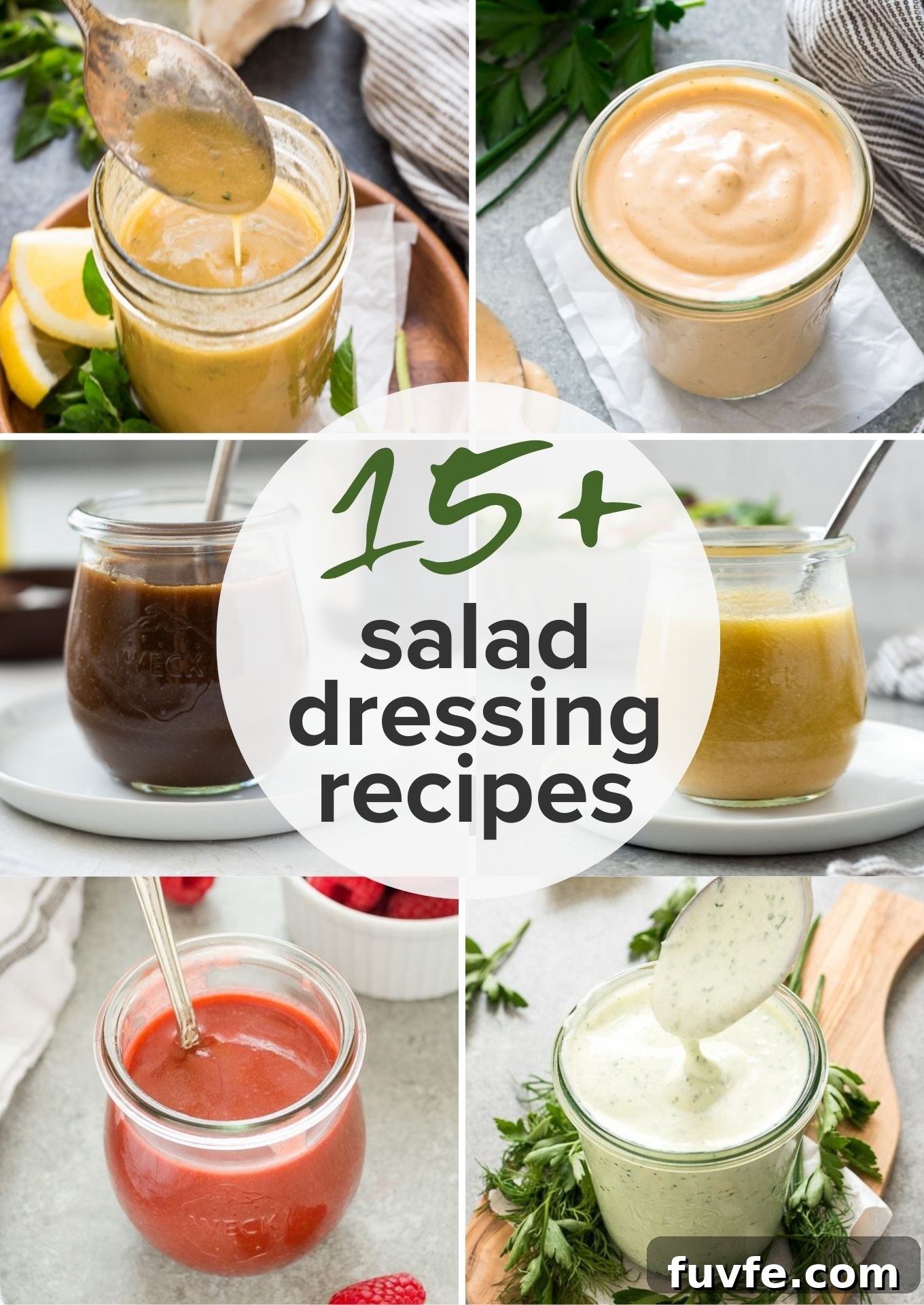
Upgrade every salad with this curated collection of more than 15 delicious salad dressing recipes. Homemade dressings are fresher and more flavorful than many store-bought options because they avoid preservatives and artificial ingredients, and most recipes are quick and simple to make.
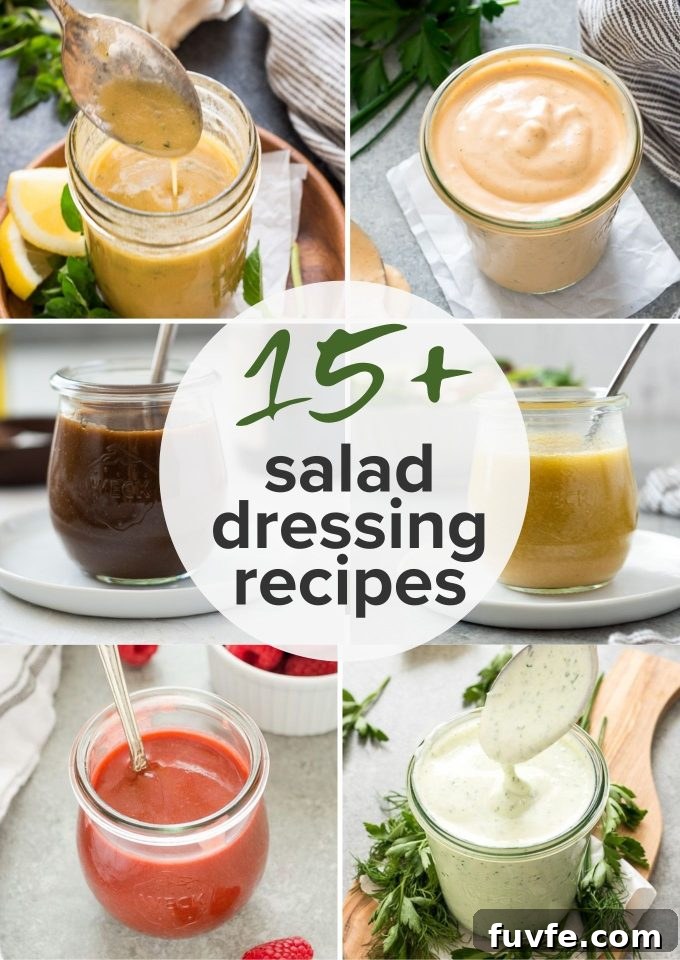
I enjoy salads almost every day and aim to use the freshest seasonal ingredients for the best flavor and nutrition. A homemade dressing transforms simple greens into a satisfying meal.
I started making dressings at home because I wanted cleaner ingredients and brighter flavor than what I found in jars at the store. Homemade dressings are easy to customize and surprisingly quick to prepare.
Great dressings make salads exciting and are perfect for weekly meal prep. Try pairing these dressings with seasonal salads for balanced, vibrant meals.
- Fall salad recipes
- Spring salad recipes
- Summer salad recipes
- Winter salad recipes
Types of salad dressing
Salad dressings generally fall into two categories: oil-and-vinegar vinaigrettes and creamy dressings. Both are versatile and easy to adapt with different acids, oils, herbs and seasonings.
Basic vinaigrette
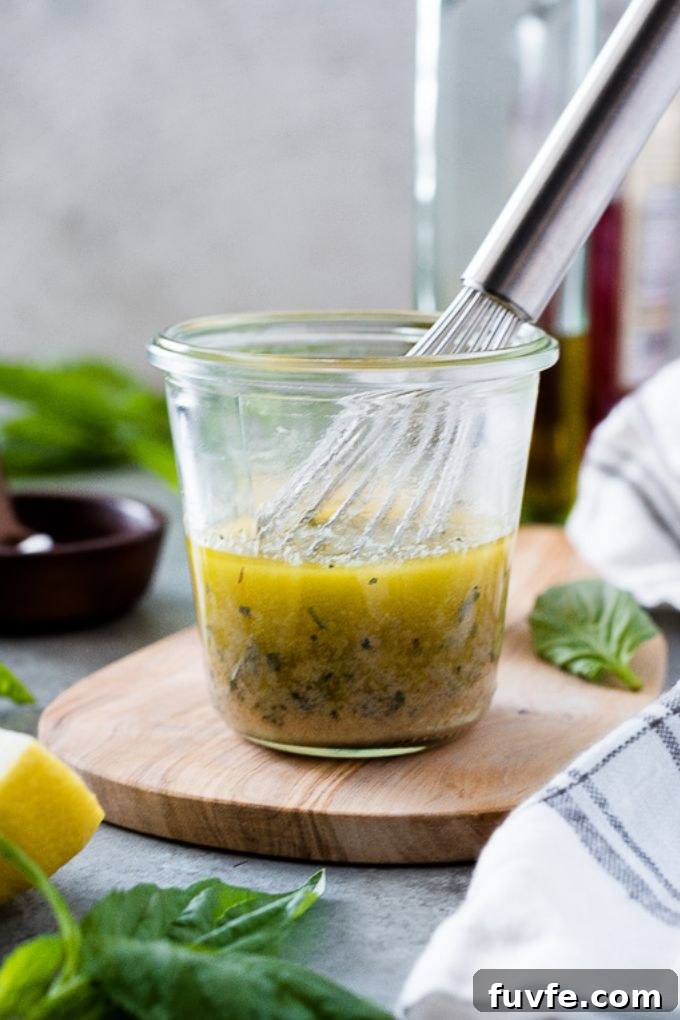
A basic vinaigrette is a healthy, oil-and-acid dressing that also doubles as a great marinade. The classic ratio is about 3 parts oil to 1 part acid, though you can adjust to taste for more tang or richness.
Vinaigrettes emulsify briefly after mixing; if they separate, just whisk or shake to recombine before using.
Vinaigrette ingredients
The core of a vinaigrette is olive oil plus an acid, with optional flavor boosters. Common additions include:
- Olive oil – Choose a good quality extra virgin olive oil for the best flavor.
- Vinegar or citrus – Red wine, balsamic or apple cider vinegars work well; lemon, lime or orange juice add bright acidity.
- Dijon mustard – Adds savoriness, thickens slightly and helps stabilize the emulsion.
- Shallots or garlic – Minced finely for subtle depth; the acid helps mellow sharpness.
- Sweetener – A little honey or maple syrup balances acidity when desired.
- Herbs and seasonings – Fresh or dried herbs, onion powder, cumin, or ginger all lend character.
How to make a basic vinaigrette
There are a few simple methods:
- Mason jar or lidded container – Add ingredients, seal and shake until emulsified. Quick, tidy and no dishes to wash.
- Bowl and whisk – Whisk all ingredients except the oil, then drizzle the oil in while whisking to emulsify.
- Food processor – Best if you’re blending shallots, garlic or herbs for a smooth result. Add oil slowly while processing.
Creamy salad dressing
Creamy dressings range from vinaigrettes with a spoonful of yogurt or mayo to full-bodied mixtures based on mayonnaise, sour cream or yogurt. They’re great as dips as well as salad toppers.
To make creamy dressings lighter, substitute some or all of the mayo or sour cream with Greek yogurt, avocado or tahini. Non-dairy alternatives work well for plant-based diets.
Creamy salad dressing ingredients
Typical components include a creamy base, a thinning liquid, acid, seasonings and optional mix-ins:
- Creamy base – Mayo, sour cream, Greek yogurt, avocado or tahini. Greek yogurt boosts protein and lightens the dressing.
- Liquid – Buttermilk, milk, non-dairy milk, water or citrus juice to thin the dressing to a pourable consistency.
- Acid – Vinegar or lemon/lime juice brightens and balances flavors.
- Sweetener – Honey or maple syrup can round out the acidity.
- Herbs and seasonings – Fresh herbs (parsley, chives, basil), garlic or onion powders, cumin, paprika and more.
- Add-ins – Anchovies, capers, dijon, roasted garlic, roasted peppers or pickles add depth and interest.
How to make creamy salad dressing
The easiest method is a food processor for a smooth, well-blended dressing—especially useful when puréeing herbs or avocado. Pulse or process until you reach the desired texture, then adjust seasoning.
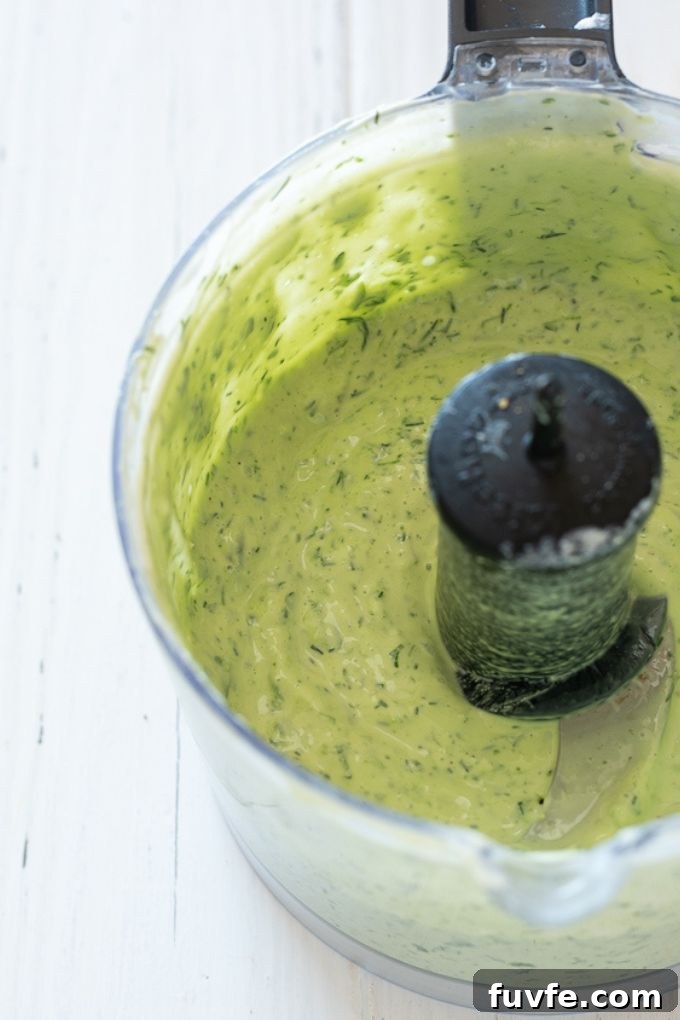
15 Best Salad Dressing recipes
These salad dressing recipes will brighten any greens, grain bowl or vegetable side. They cover a range of flavors—citrus, creamy, tangy, sweet and savory—so you can find the perfect match for your salad.
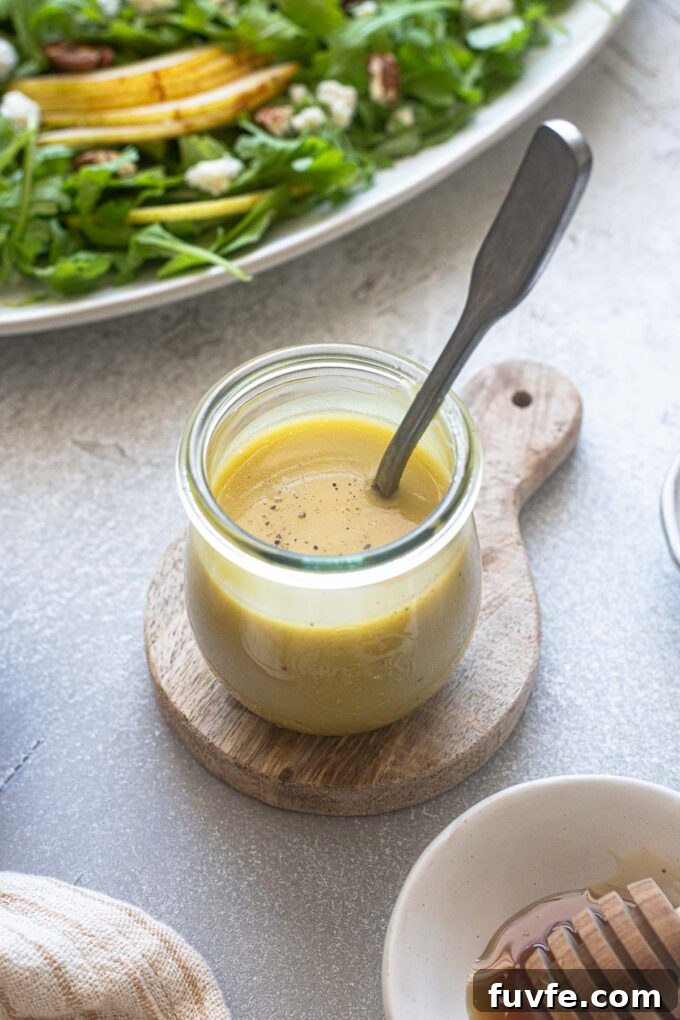
Honey Champagne Vinaigrette
Get the Recipe
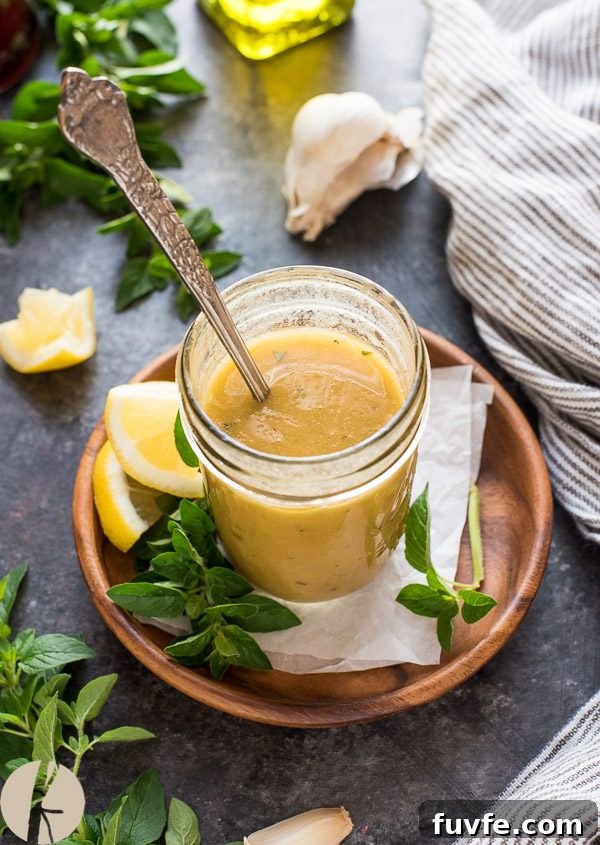
Easy Greek Salad Dressing
Get the Recipe
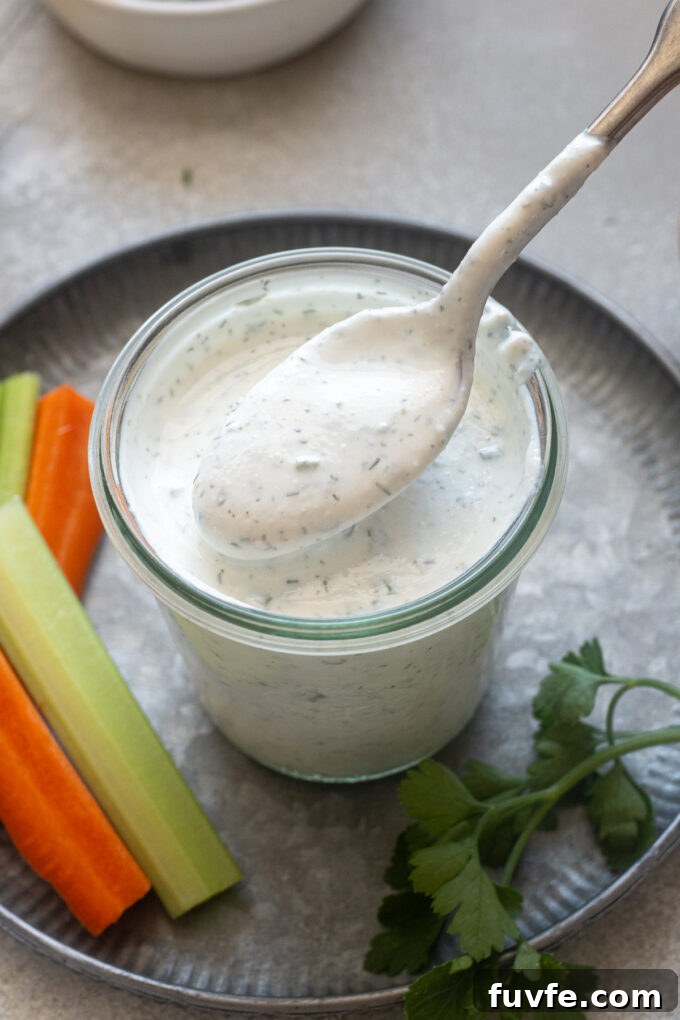
Greek Yogurt Ranch Dressing
Get the Recipe
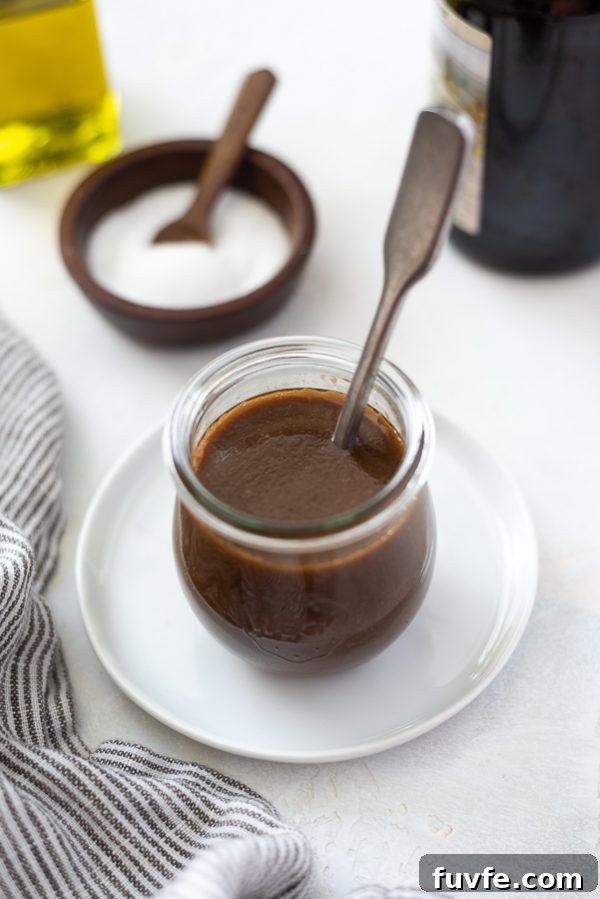
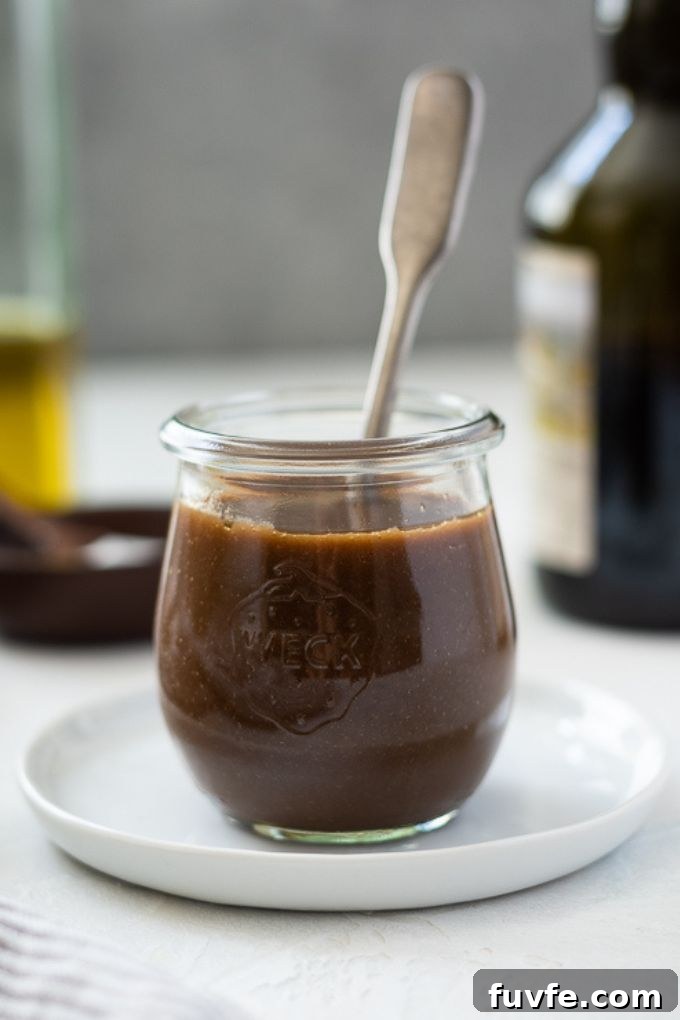
Balsamic Vinaigrette Dressing
Get the Recipe
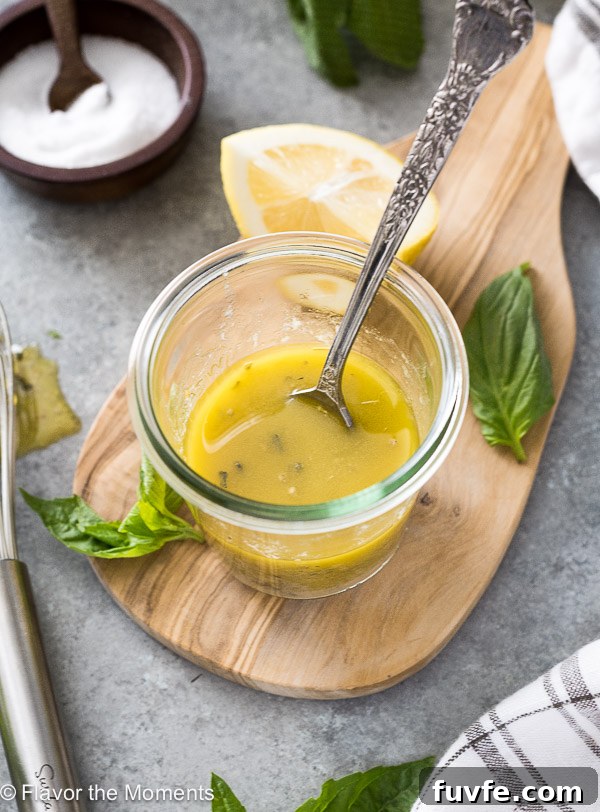
Homemade Italian Dressing
Get the Recipe
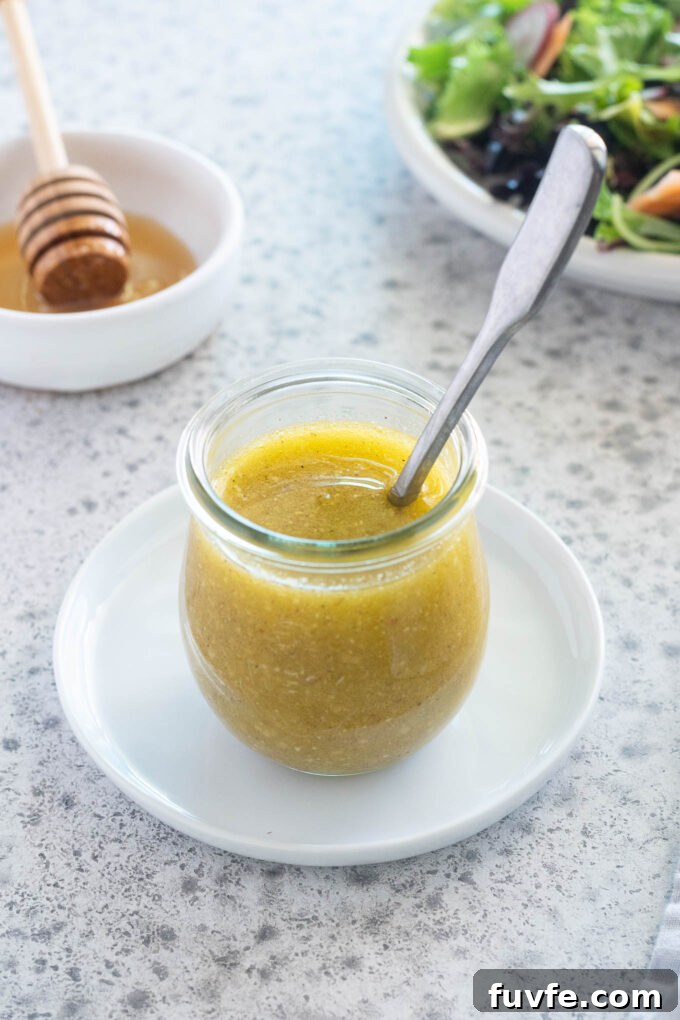
Honey Mustard Dressing
Get the Recipe
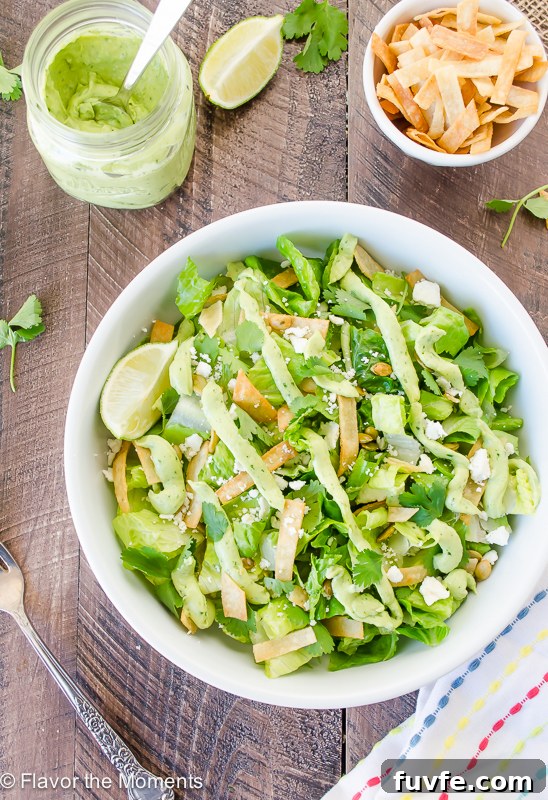
Creamy Avocado Dressing
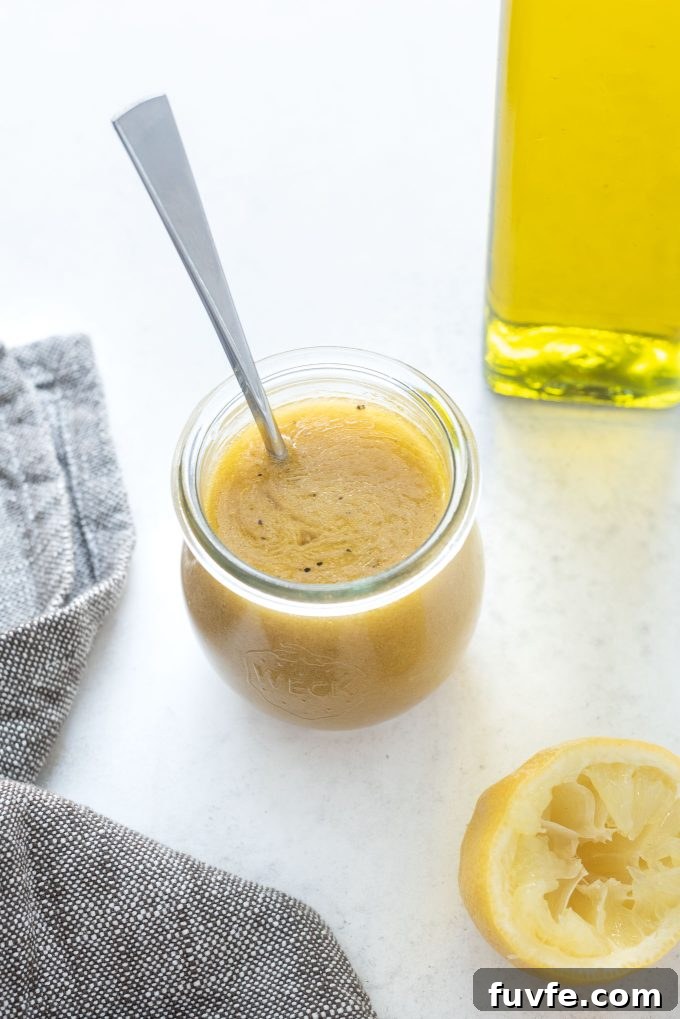
Red Wine Vinaigrette
Get the Recipe
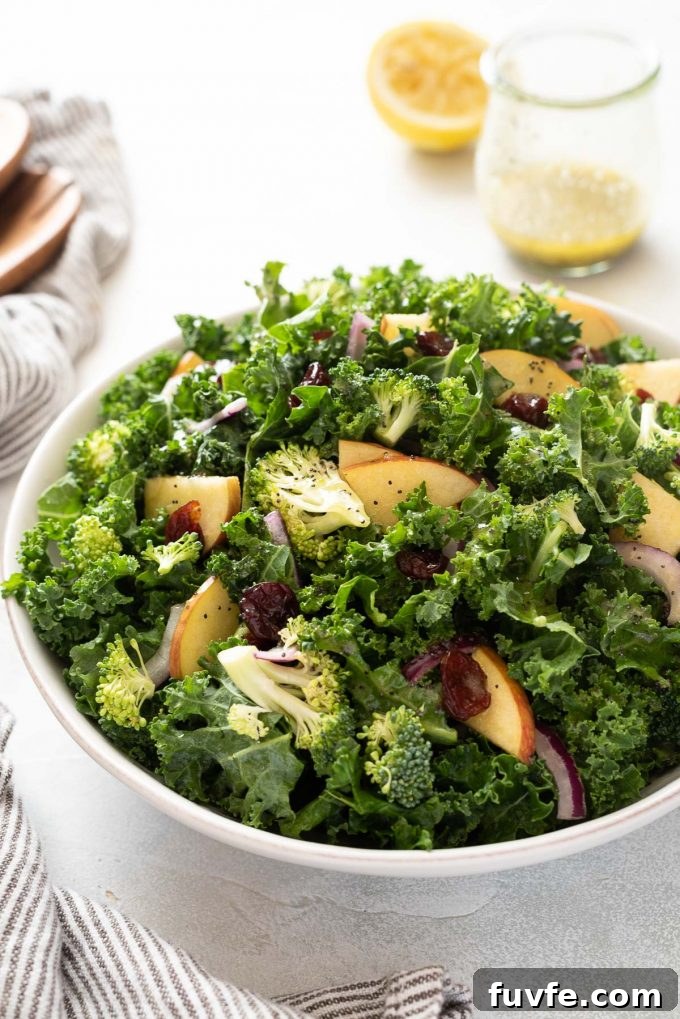
Lemon Poppy Seed Dressing
Get the Recipe
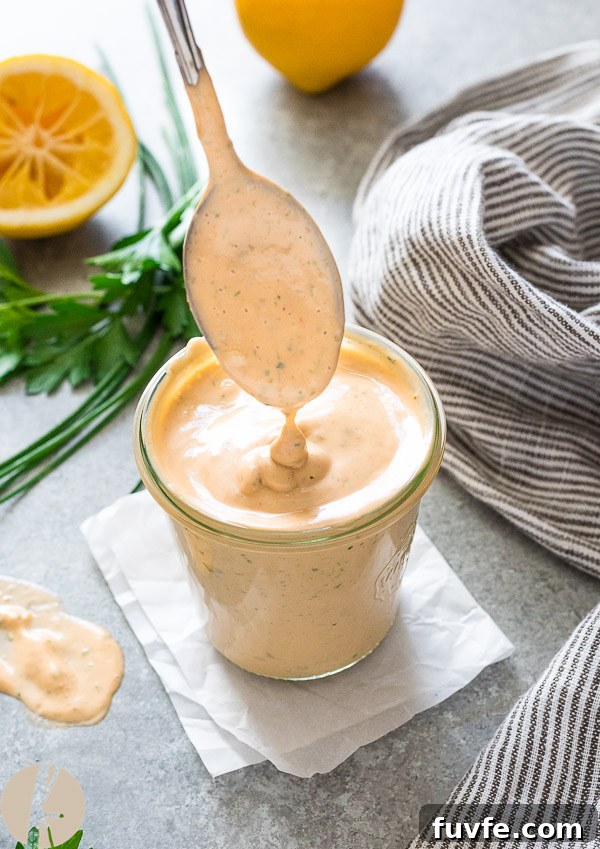
Homemade Louie Dressing
Get the Recipe
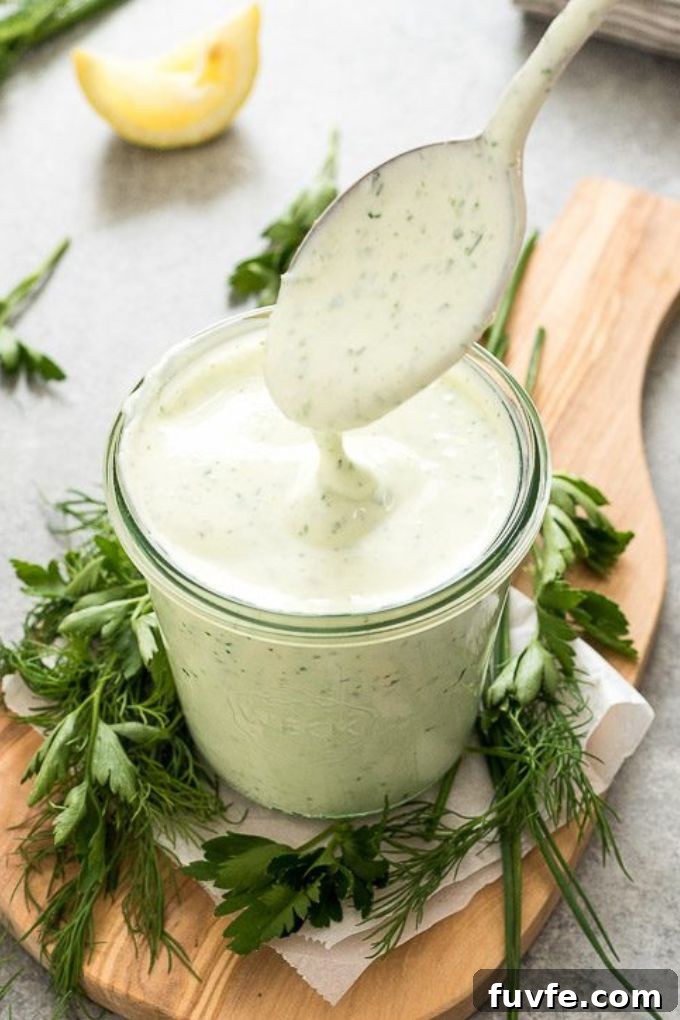
Use these recipes as a starting point: swap oils, vinegars, herbs and sweeteners to create your own signature dressings. Store homemade vinaigrettes in the refrigerator for up to a week and creamy dressings for several days—shake or whisk before serving for best texture. With a few simple ingredients and a little experimentation, you’ll have fresh, flavorful dressings ready to elevate every salad.