“So, it’s a no-brainer that it’s worth a shot, but what if you are vegan, on top of it? The two diets are quite on the opposite ends of the spectrum, but that does not mean it’s not possible to go on a vegan ketogenic diet.”
The ketogenic diet has grown in popularity in recent years because it can be an effective weight-loss strategy that doesn’t leave you hungry. By keeping carbohydrate intake very low and eating moderate protein with higher healthy fats, the goal is to shift the body into using fat as its primary fuel. When blood sugar is low, the body produces molecules called ketones from fat to supply energy. For most people, this metabolic shift can bring benefits such as improved mental focus, reduced inflammation, and better blood sugar control, though some medical conditions make ketosis inappropriate and require professional guidance.
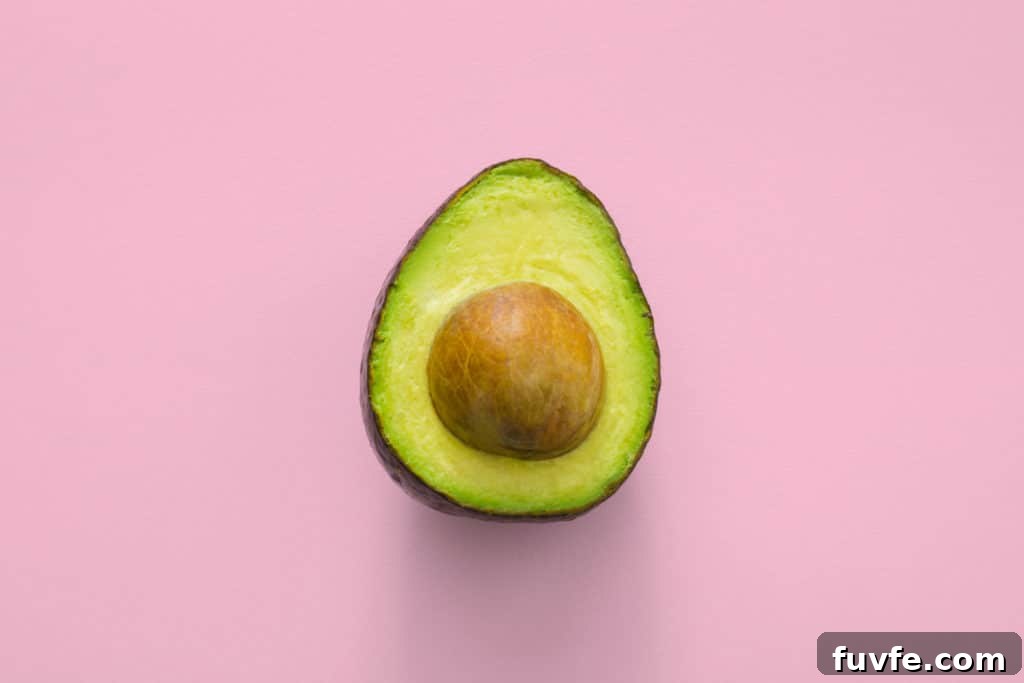
Combining veganism and keto might sound contradictory, but it’s achievable with planning and creativity in the kitchen. While the vegan and ketogenic approaches emphasize different food groups, many plant-based options fit a low-carb, high-fat framework. Below is a clear guide to what to avoid, what to include, and practical swaps to make a sustainable vegan ketogenic diet.
Ketogenic diet vs. veganism
The core idea of keto is to prioritize healthy fats and adequate protein while minimizing carbohydrates to maintain ketosis. That typically means reducing hunger and supporting weight loss without severe calorie restriction. In contrast, a typical vegan diet centers on plant foods like grains, legumes, fruits, and vegetables, many of which are higher in carbs and therefore limited on keto.
Standard keto staples—meat, fish, eggs, and dairy—are excluded on a vegan diet, while common vegan staples—rice, pasta, legumes, and many starchy vegetables—are restricted on keto. Despite these challenges, plenty of plant-based foods are low in carbs and rich in fats and protein, making a vegan keto approach workable when you know what to choose and what to avoid.
What not to eat
On a vegan keto plan, avoid all animal products including meat, fish, poultry, dairy, eggs, honey, and gelatin. Limit high-carbohydrate plant foods: grains (wheat, rice, corn and their products such as bread, pasta, cereal, and oatmeal), legumes (beans, peas, chickpeas, lentils), and starchy root vegetables (potatoes, yams, beets). These foods can quickly exceed your daily carb allotment.
To sustain ketosis, many people aim for around 5% of calories from carbohydrates, roughly 30–35 grams of carbs or less per day depending on individual needs. Most fruits are relatively high in sugar and should be limited; bananas and grapes are best avoided. Sweeteners like corn syrup, maple syrup, and other sugar-heavy syrups should also be eliminated to keep sugar intake low.
And what to eat instead
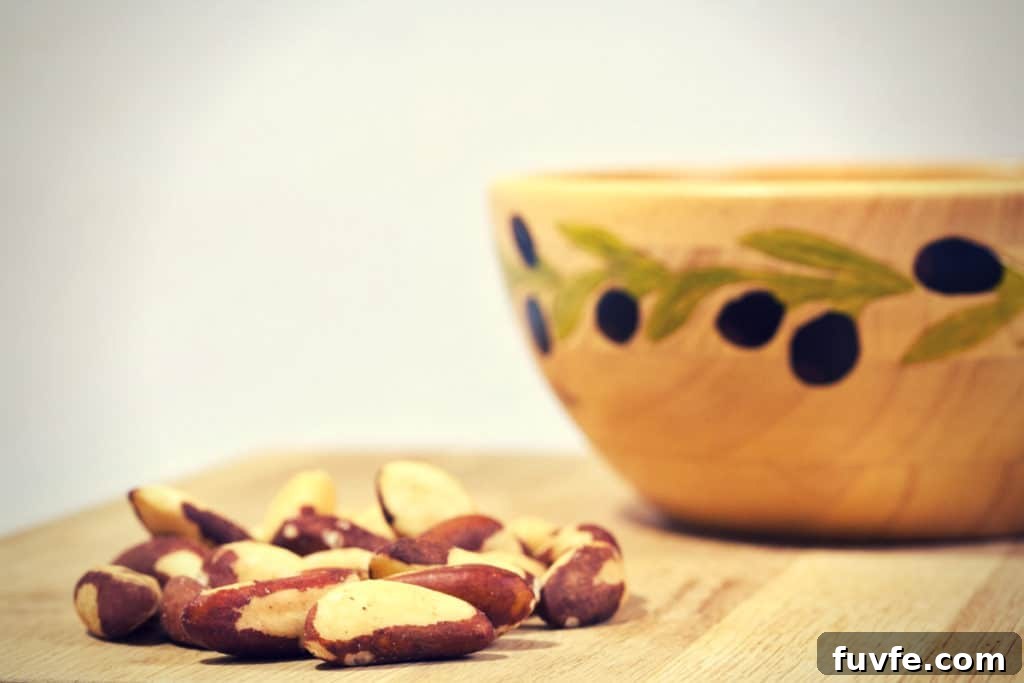
Focus on plant-based healthy fats and oils. Avocados, nuts, and seeds supply fat and some protein; choose oils such as olive, coconut, flaxseed, or other nut oils for cooking and dressings. Protein sources for a vegan keto diet include tofu, tempeh, natto, nutritional yeast, and a variety of nuts and seeds. Some nuts are higher in carbs and should be limited—macadamia nuts, Brazil nuts, and pecans are low-carb options, while cashews and pistachios have more carbs and may need restriction.
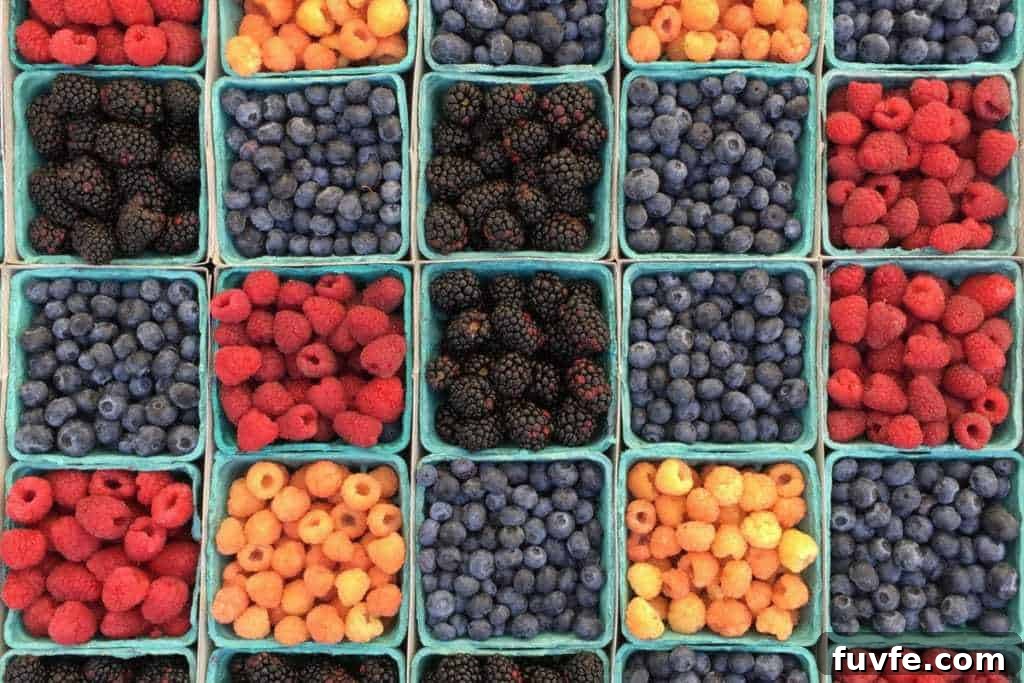
Berries are the most keto-friendly fruits and can be enjoyed in small portions: strawberries, blueberries, blackberries, and raspberries are typical choices. Occasional small servings of cherries, plums, peach, or kiwi may also fit within daily carb limits if tracked carefully.
Non-starchy vegetables should form the bulk of your plate: leafy greens, tomatoes, peppers, eggplant, zucchini, olives, cauliflower, broccoli, and similar low-carb vegetables provide vitamins, fiber, and volume. Root vegetables and other starchy varieties should be eaten sparingly or substituted with low-carb alternatives.
How to go about it

Once you understand suitable swaps, adapting recipes becomes straightforward. Plant-based milks like almond, coconut, or macadamia milk replace cow’s milk. Vegan butter or coconut butter can substitute for dairy butter. Egg replacements include ground flaxseed mixed with water, silken tofu, or other commercial egg replacers designed for baking. For flours, almond flour and coconut flour are popular low-carb alternatives to wheat flour.
Cauliflower is a versatile substitute for potatoes and rice: mashed, riced, or roasted it replicates many textures. Vegetable chips made from zucchini, kale, or eggplant offer crunchy snacks with far fewer carbs than potato chips. Nutritional yeast adds a savory, cheesy note to dishes while contributing B vitamins and protein.
With a little experimentation you can enjoy classic treats reimagined for vegan keto, such as almond-based cakes or muffins using low-carb sweeteners and plant-based ingredients. Tracking macros and planning meals ahead helps you stay within carb limits while meeting protein and fat needs.
Need a Vegetarian Keto Diet Meal Plan?
If you’re starting out, following a structured meal plan can simplify the transition. A vegetarian or vegan keto meal plan provides a helpful framework for macros, recipes, and shopping lists during the first weeks. Whether your goal is weight loss, improved health markers, or aligning your diet with ethical choices, a well-planned vegan ketogenic approach can be sustainable and satisfying with commitment and creativity.
A vegan keto diet is challenging, but far from impossible. With careful food selection, smart substitutions, and consistent tracking, you can meet your goals while enjoying flavorful, nutritious meals that support both ketosis and plant-based principles.