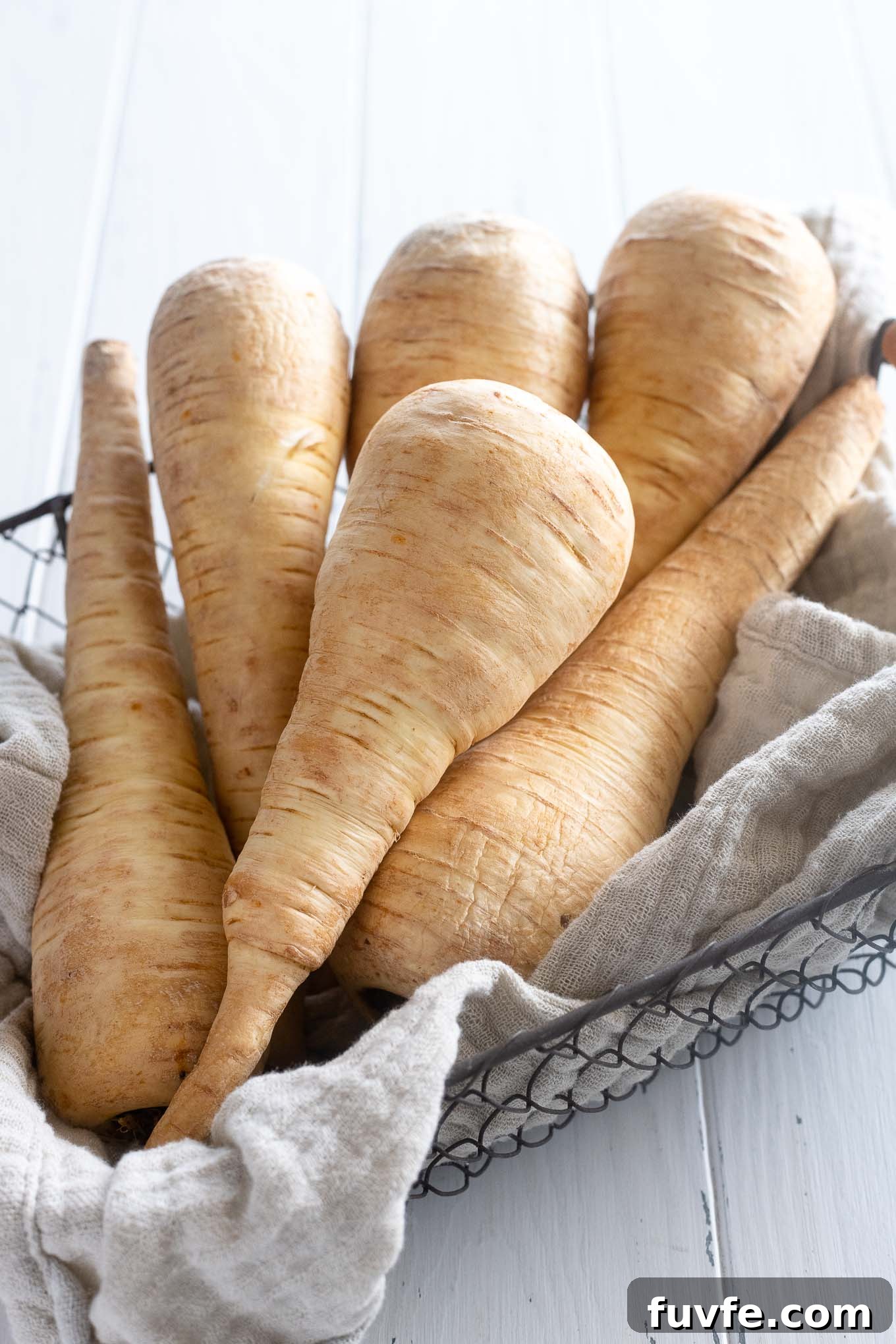
This collection of Parsnip Recipes will inspire you to cook parsnips throughout the fall and winter. Inside you’ll find soups, purées, roasted parsnips, baking ideas, and practical guidance on selecting, storing, and preparing this versatile root vegetable.
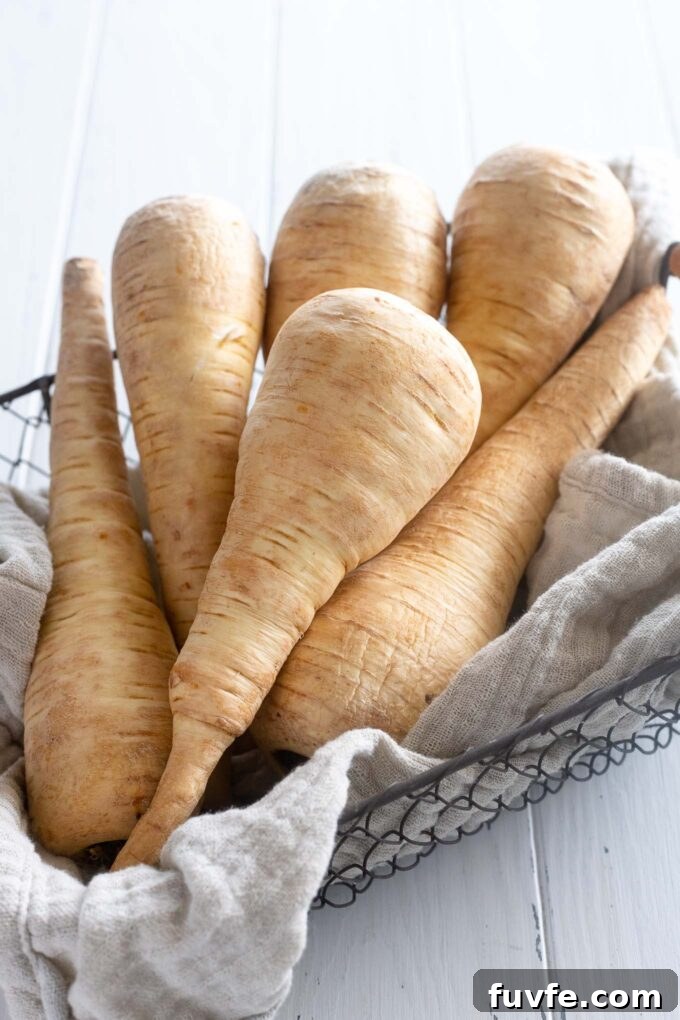
Parsnips are often overlooked, yet they deserve more attention. A member of the Apiaceae family (alongside carrots, fennel and parsley), parsnips are a sweet, earthy root vegetable that shine in cool seasons.
If they are new to you, try them roasted or puréed — those preparations reveal their natural sweetness and woodsy depth. Once you taste well-roasted parsnips or a silky parsnip purée, they often become a regular part of the menu.
Use parsnips the same way you might use carrots or potatoes: roast, mash, purée, boil, air fry, or add to soups and stews. They are also surprisingly good in baked goods like muffins and loaf cakes, where they add moisture and a subtle, nutty sweetness.
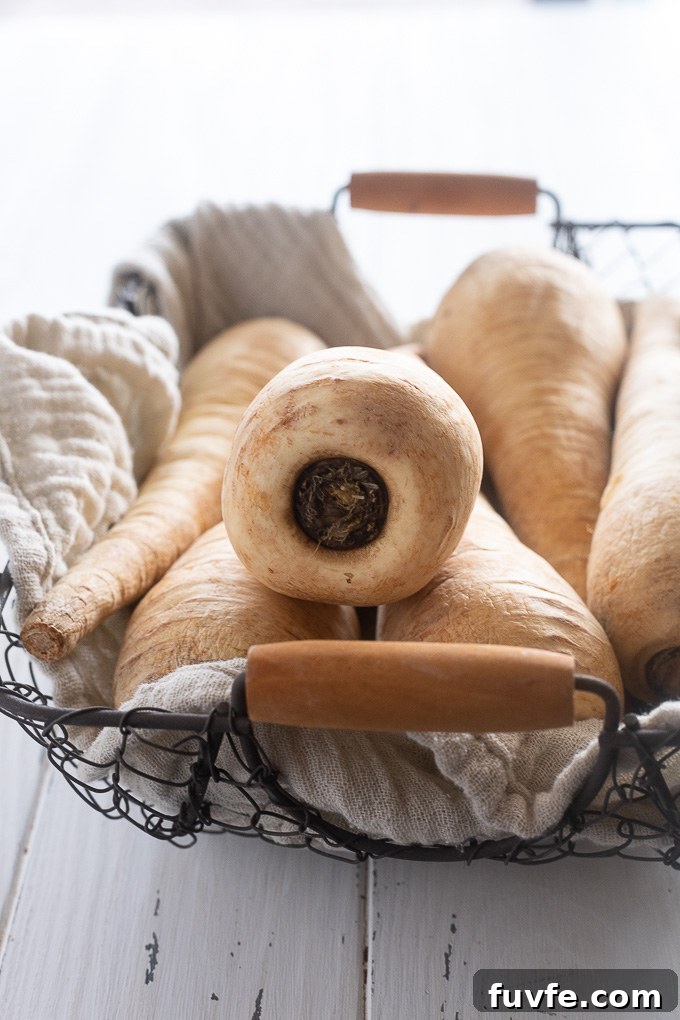
What do parsnips look like?
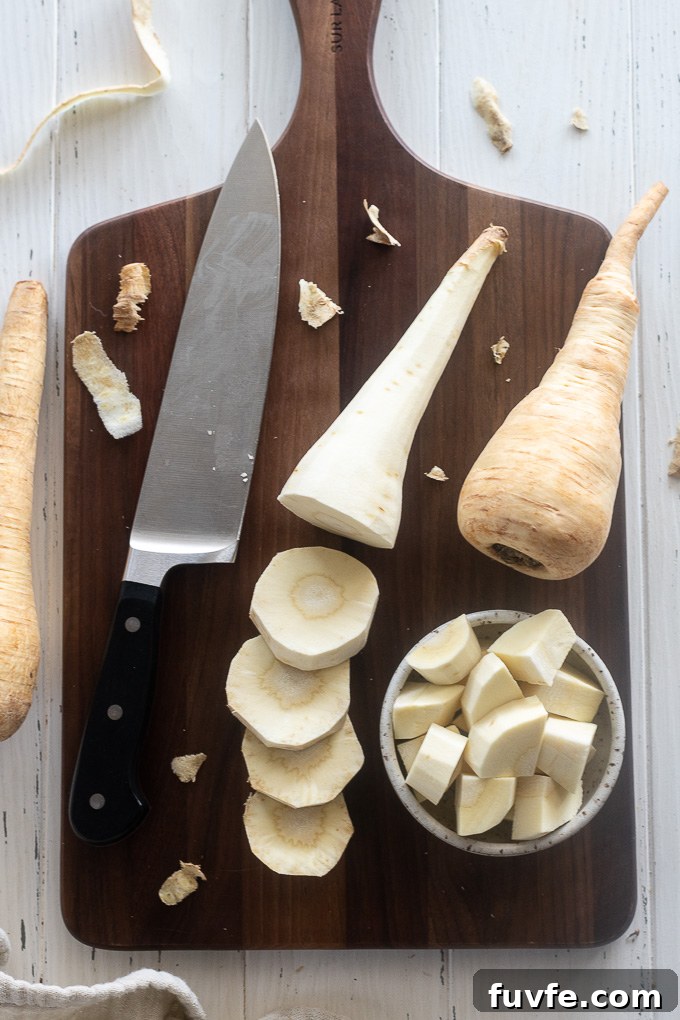
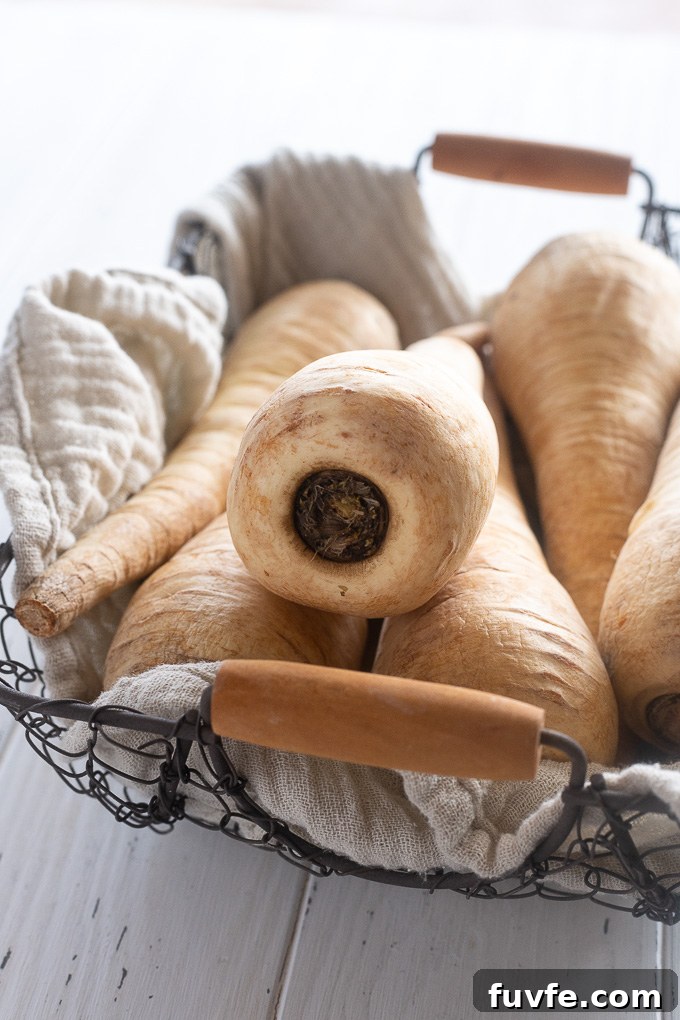
Parsnips resemble pale carrots but are usually larger and a bit more rugged in appearance. Their skin and flesh are cream-colored. Sizes vary from slender, tapered roots to stout, bulky specimens with a smaller tapered end.
What do parsnips taste like?
Parsnips are sweeter than carrots and have an earthy, slightly woody flavor. Their sweetness intensifies after exposure to frost, which is why they are often at their best in autumn and winter.
Can you eat parsnips raw?
Yes. Raw parsnips are crisp and crunchy, similar to raw carrots or jicama. Remove the tough, woody core in large parsnips before eating raw. After scrubbing, cut them into sticks for dipping, peel into ribbons for salads, or grate them into slaws. Because peeled parsnips can brown quickly, store cut pieces briefly in lemon water if not used immediately.
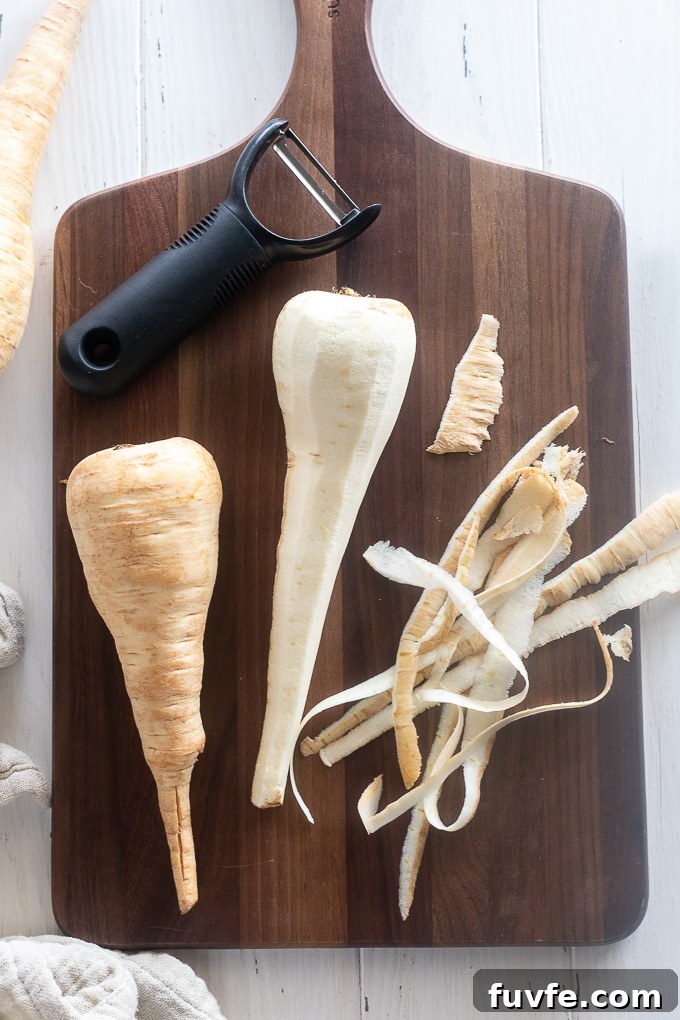
Should I peel parsnips?
Peeling is a matter of texture and age. Small, young parsnips have tender skin and often don’t need peeling. Larger, older parsnips typically have tougher skin and a fibrous core; peeling yields a smoother texture in purées and soups.
Choosing and storing parsnips
Select parsnips that feel firm and heavy for their size and avoid those with dark spots or soft areas. Store unwashed parsnips in the refrigerator, wrapped in a paper towel or placed in a plastic bag, where they keep for up to two weeks. Once cooked, store leftovers in the fridge and use within 3–5 days.
Best parsnip recipes
Below is a curated collection of parsnip recipes and ideas to inspire your seasonal cooking. These recipes showcase parsnips as soups, sides, mains, and even in baked treats.
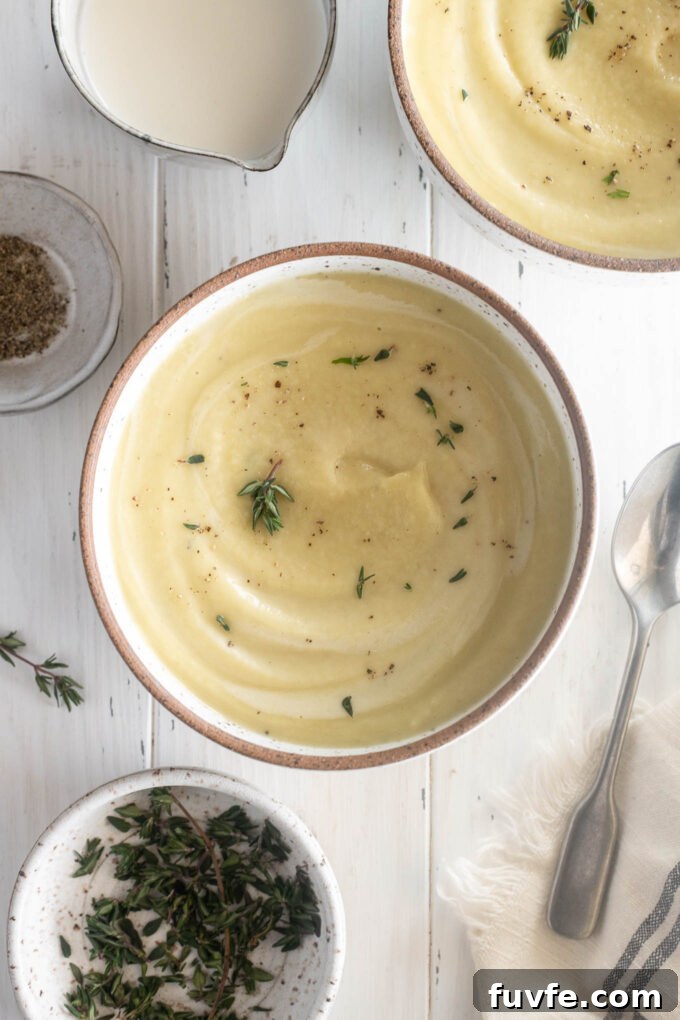
Parsnip Soup Recipe
Silky parsnip soup combines sweet, woody parsnips with leeks, garlic and thyme. It’s easy to make and can be adapted to be vegan.
Get the Recipe
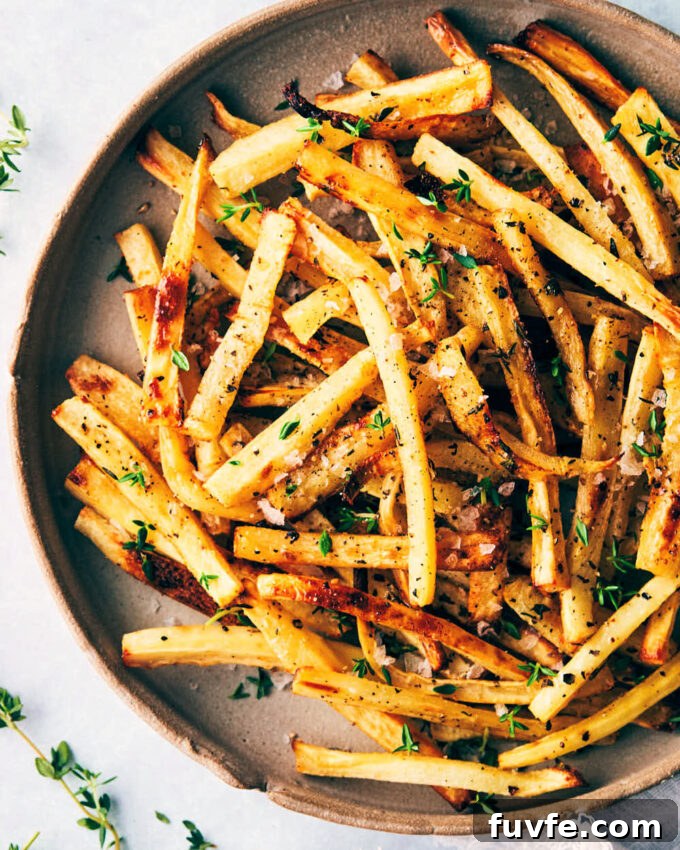
Parsnip Shoestring Fries – Evergreen Kitchen
Crispy oven-baked parsnip fries seasoned to perfection. A great snack or side, especially with a mustard or aioli dip.
Get the Recipe
Oven Roasted Spatchcock Chicken
A one-pan roasted chicken dinner that pairs beautifully with roasted parsnips and other root vegetables.
Get the Recipe
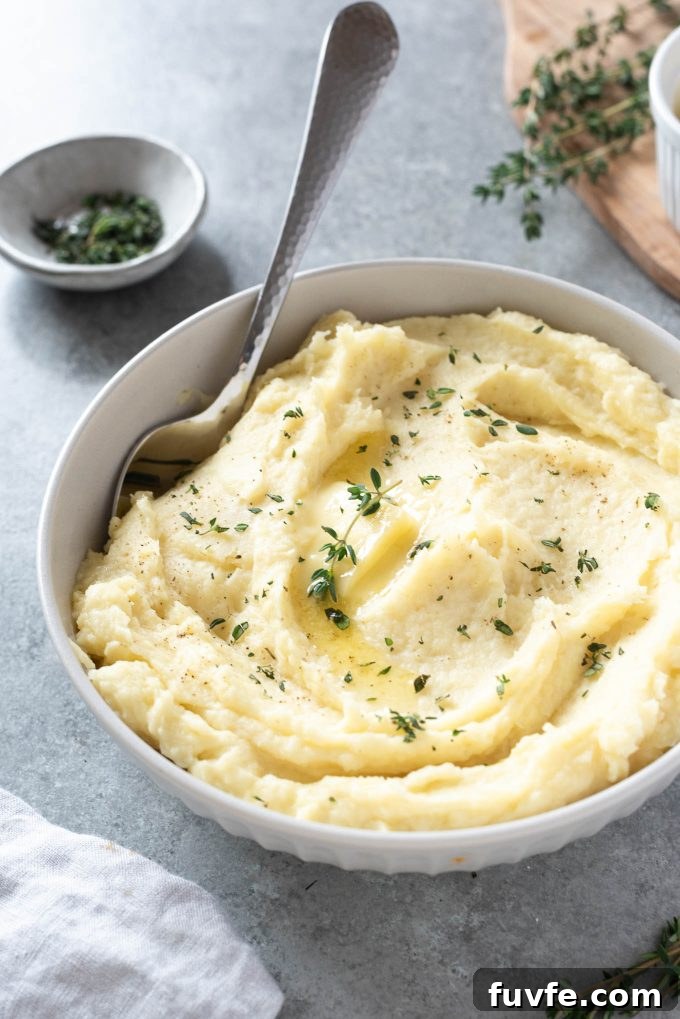
Creamy Parsnip Puree
A luxurious, lower-carb alternative to mashed potatoes. Smooth, flavorful and naturally gluten-free.
Get the Recipe
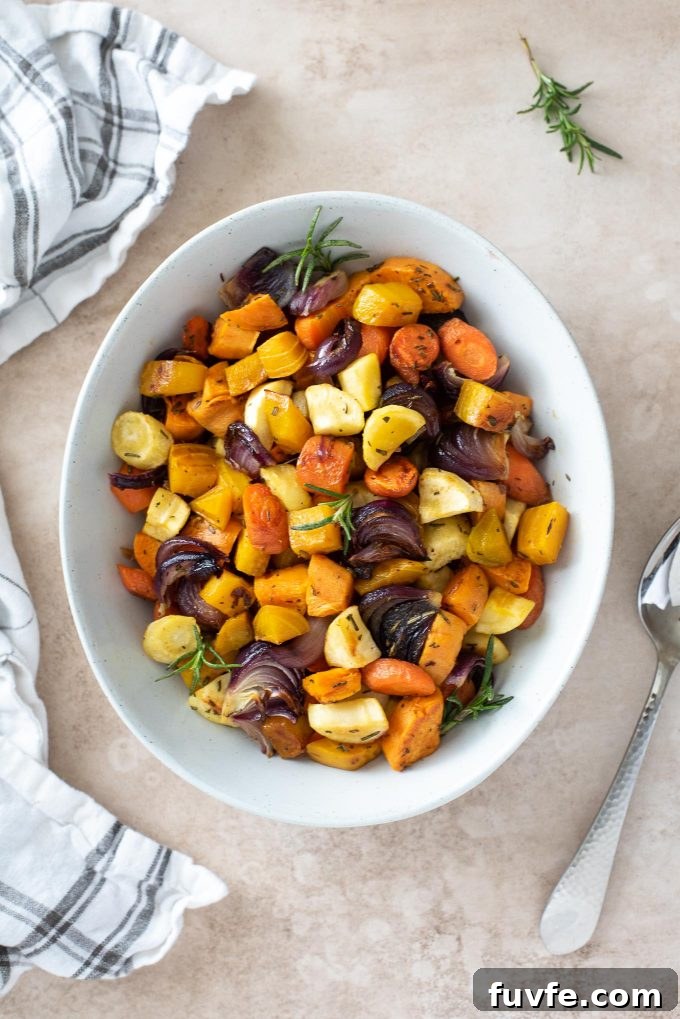
Roasted Root Vegetables
A colorful, customizable vegan side featuring parsnips alongside other seasonal roots.
Get the Recipe
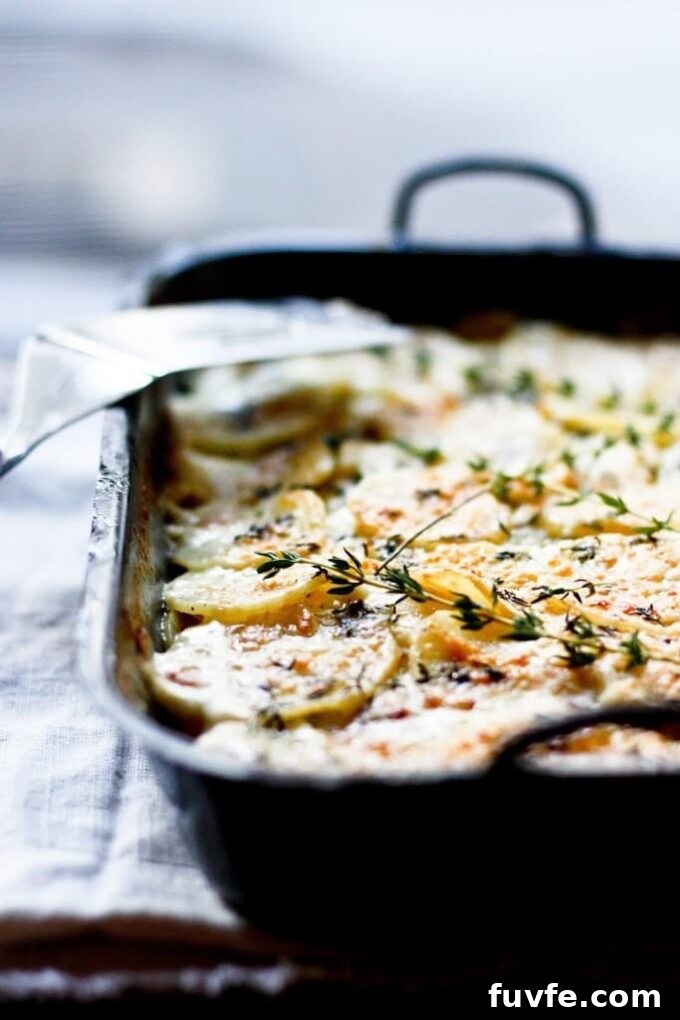
Parsnip Gratin with Gruyere and Thyme
An elegant gratin that highlights parsnips’ natural sweetness with nutty cheese and fresh thyme.
Get the Recipe
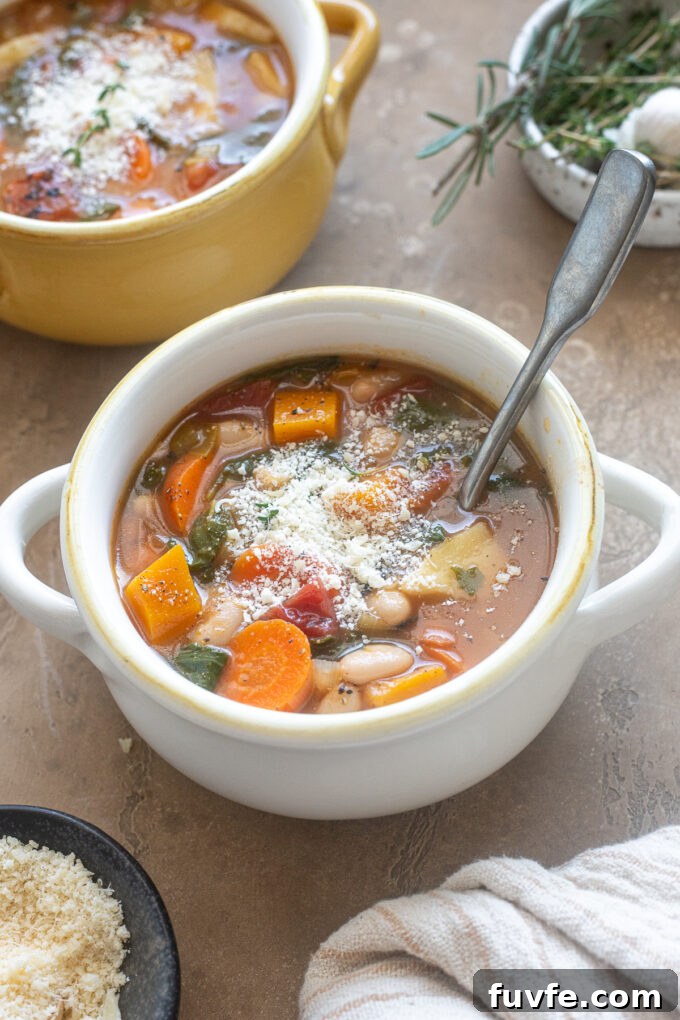
Autumn Vegetable Soup
Chunky fall vegetables, white beans, herbs and kale come together in a hearty, comforting soup that can include parsnips.
Get the Recipe
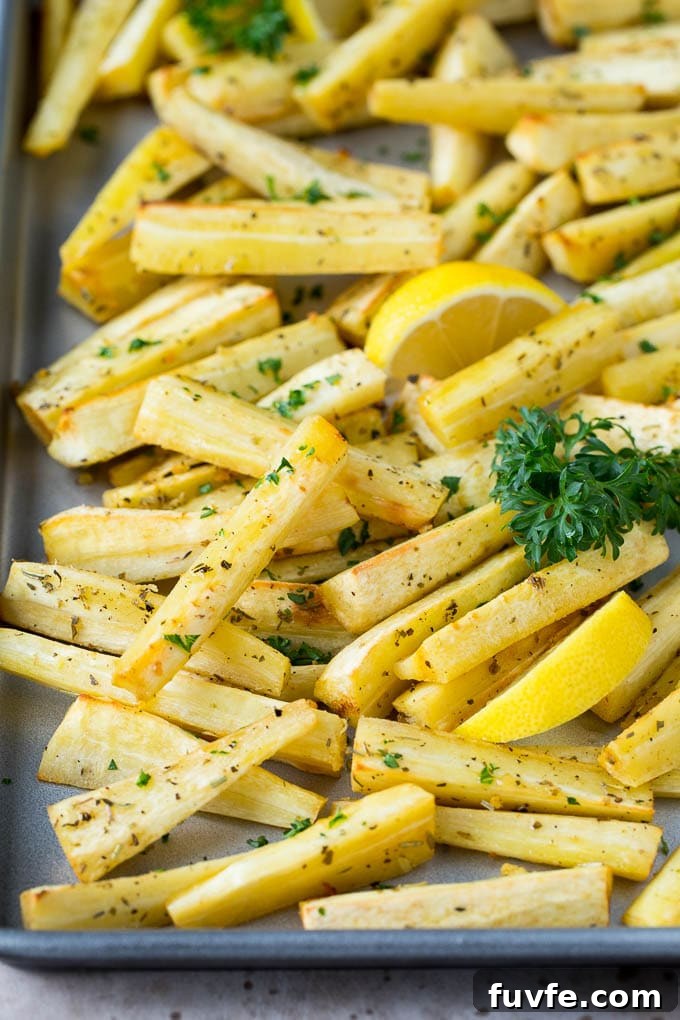
Roasted Parsnips
Simple roasted parsnips with garlic, olive oil and herbs—an easy, crowd-pleasing side.
Get the Recipe
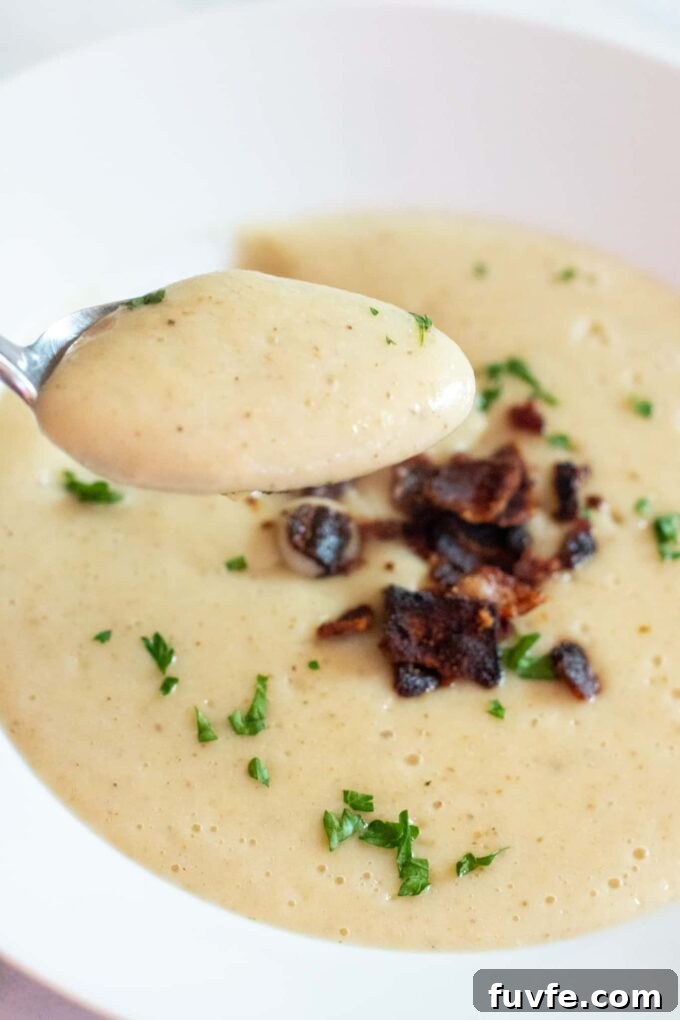
Roasted Parsnip and Potato Soup
A comforting, creamy soup that pairs roasted parsnips with potatoes for depth and texture.
Get the Recipe
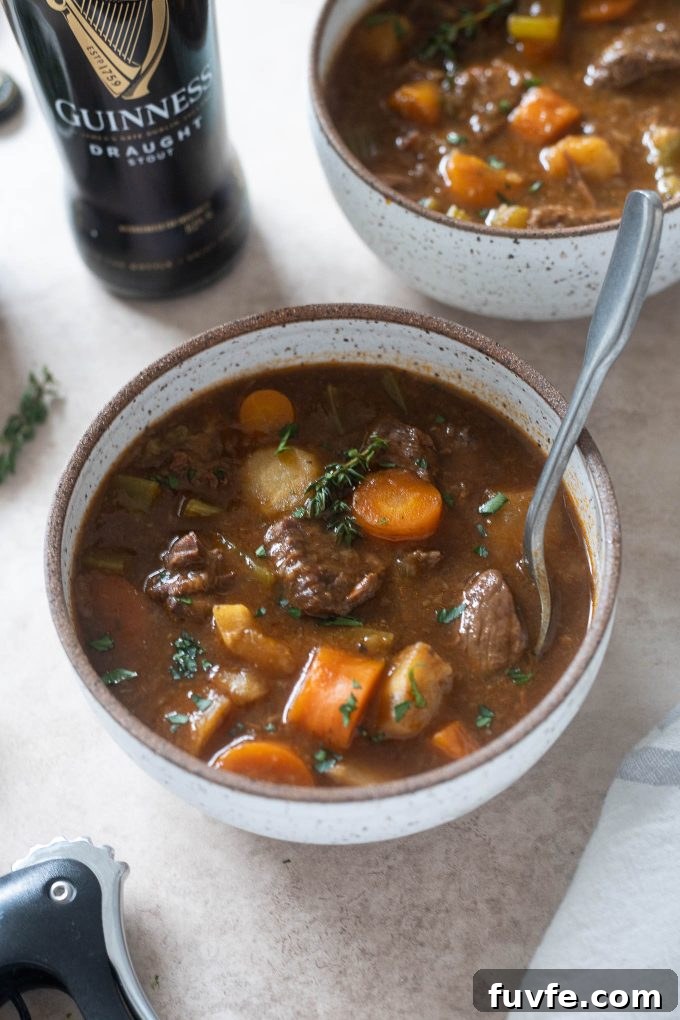
Instant Pot Irish Beef Stew
A rich beef stew with chunky vegetables; parsnips are a great root to include for flavor and body.
Get the Recipe
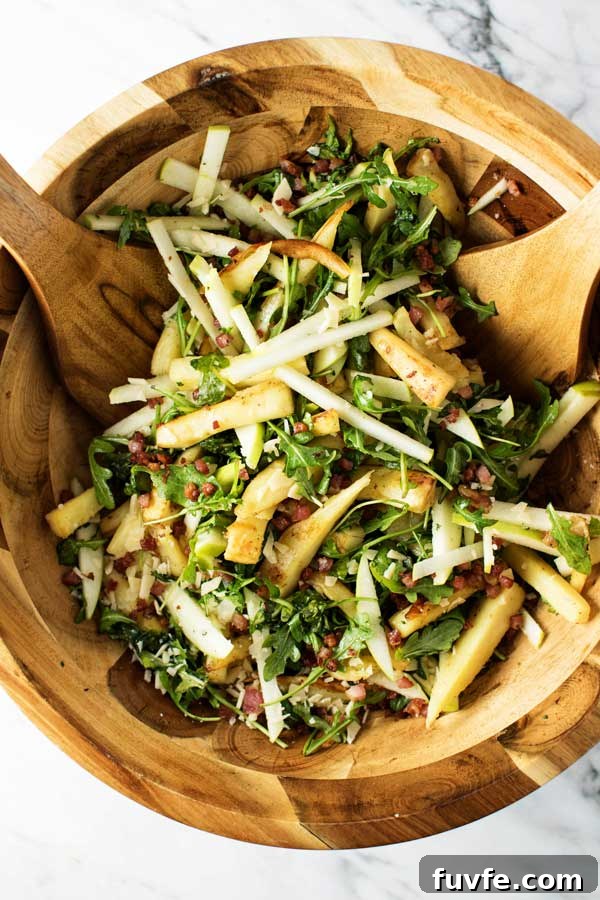
Roasted Parsnip Salad
A salad of roasted parsnips with apple and pancetta (or a vegetarian alternative) tossed with peppery greens and lemon.
Get the Recipe
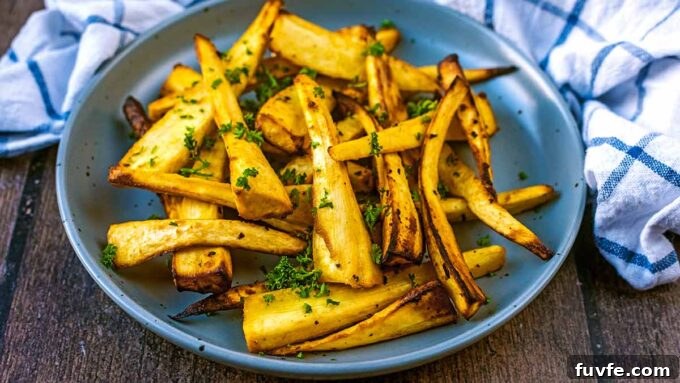
Air Fryer Parsnips
Crispy, golden parsnips made in the air fryer, often finished with a honey-mustard glaze for a sweet-savory hit.
Get the Recipe
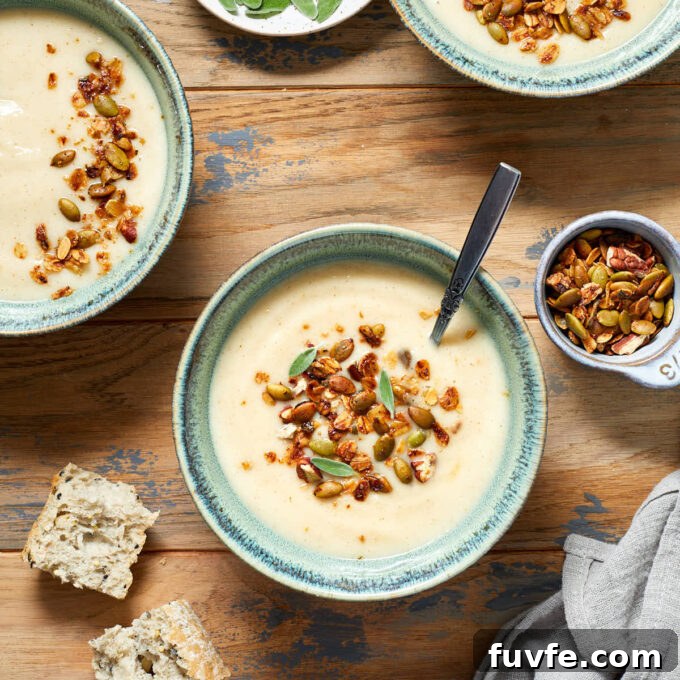
Parsnip and Pear Soup
A sweet-and-savoury roasted pear and parsnip soup that makes a warming starter or light dinner.
Get the Recipe
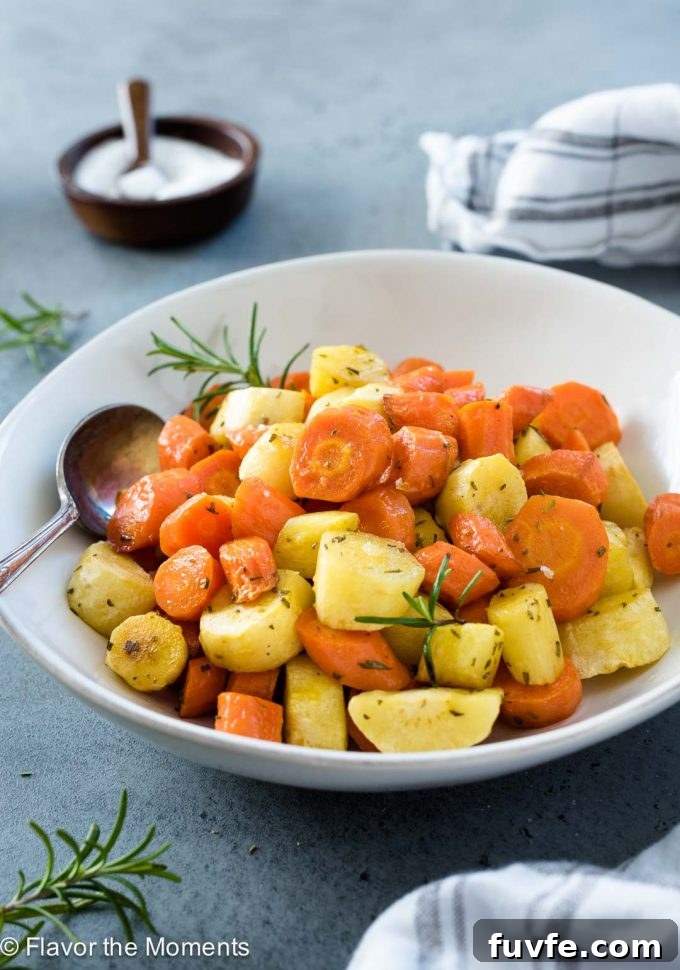
Roasted Carrots and Parsnips
Tender, caramelized carrots and parsnips roasted to perfection—an easy, naturally vegan side dish.
Get the Recipe
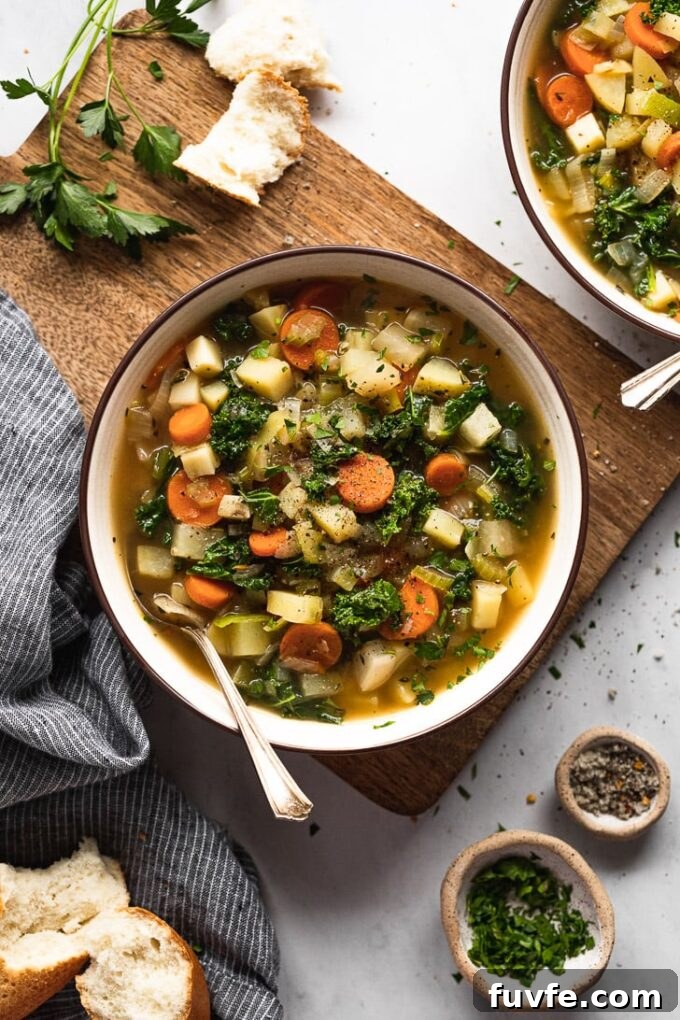
Hearty Root Vegetable Soup
A chunky, one-pot root vegetable soup loaded with texture and warming flavors.
Get the Recipe

Lemon, Poppy Seed and Parsnip Muffins
Zesty lemon muffins studded with poppy seeds and grated parsnip for moisture and a mild earthy note.
Get the Recipe

Parsnip Loaf Cake
A simple one-bowl loaf that uses parsnip for moistness and subtle sweetness—similar in spirit to carrot loafs.
Get the Recipe

Parsnip Cake with Cream Cheese Frosting
A warmly spiced parsnip cake topped with cream cheese frosting, a close cousin to carrot cake with its own character.
Get the Recipe
How to cook parsnips: quick tips
- Roasting: Toss parsnip pieces in oil, salt and herbs and roast at high heat until caramelized—this brings out sweetness.
- Puréeing: Peel and boil or steam until very tender, then blend with butter, cream or a dairy-free alternative for a smooth side dish.
- Frying/Air frying: Cut into sticks or coins for crisp, golden results—air frying reduces oil use while delivering crunch.
- Soups and stews: Add parsnips to give soups depth and natural sweetness; roast first for extra flavor.
Nutrition and benefits
Parsnips are a nutritious root vegetable and a useful addition to a balanced diet. They provide dietary fiber and a range of vitamins and minerals that contribute to overall health. Including parsnips in soups, roasts and side dishes is an easy way to add variety and seasonal flavor to meals.
More seasonal produce recipe collections you’ll love
- Apple recipes
- Butternut squash recipes
- Chicory recipes
- Fennel recipes
- Fresh cranberry recipes
- Kabocha squash recipes
- Pomegranate recipes
- Pumpkin recipes
- Winter fruits and vegetables
References
- Healthline (for general nutrition information)
- Wikipedia (for botanical background)