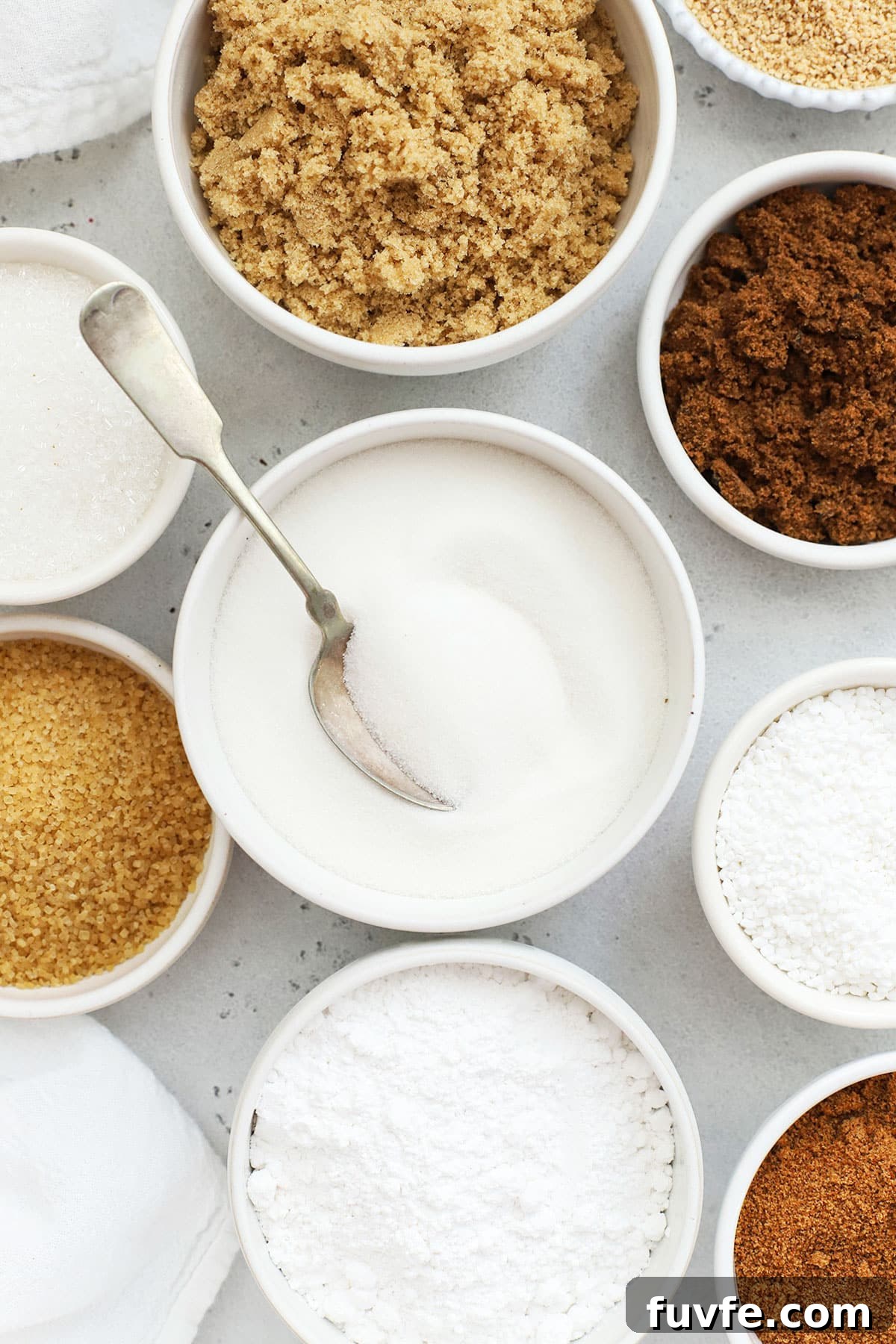
Ever wondered if sugar is gluten-free? We break it down by sugar types, common brands, and buying tips so you can bake and cook with confidence.
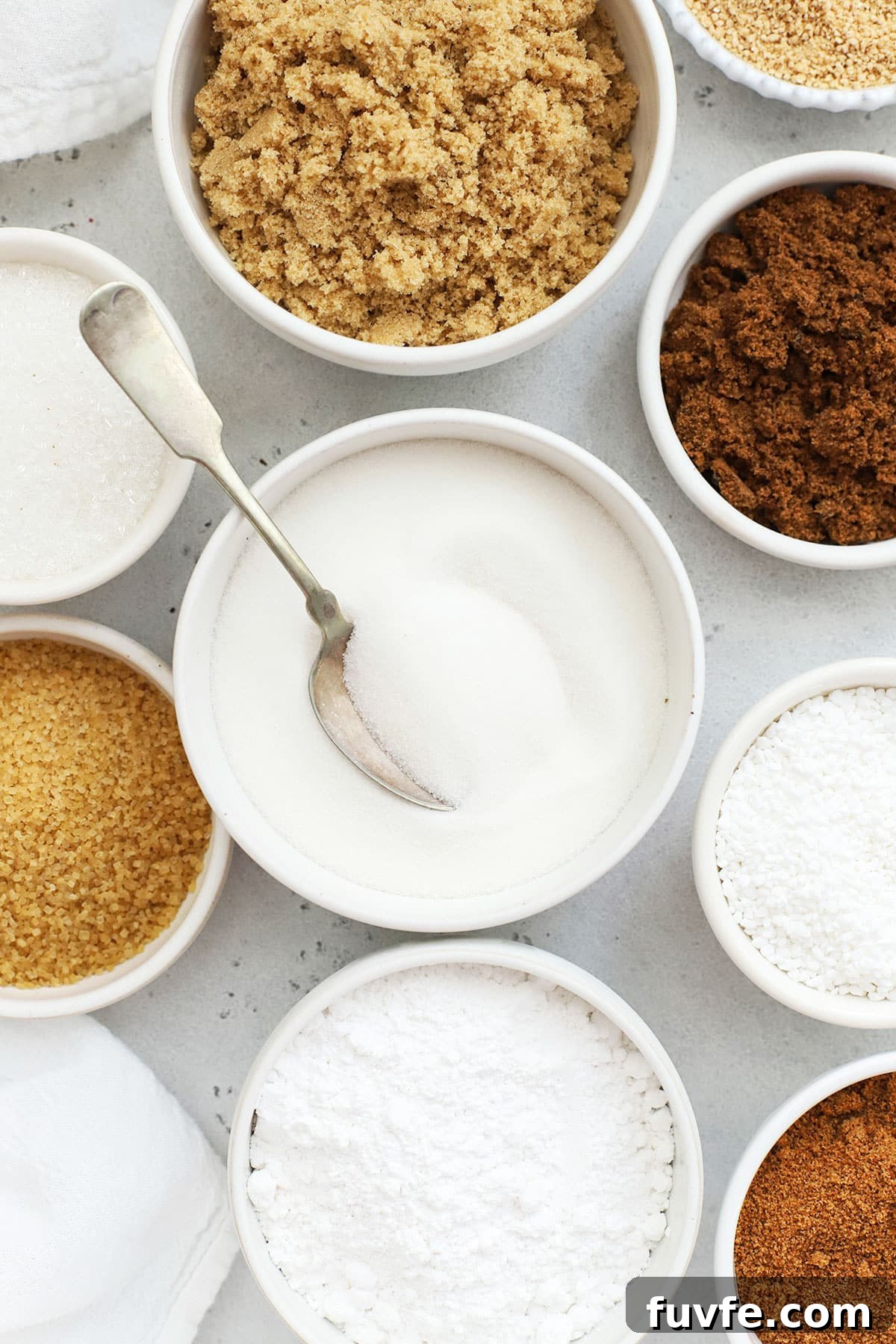
If you’re switching to a gluten-free diet, you might be asking: is sugar gluten-free?
It’s understandable — early on it can feel like every ingredient needs a careful label read. The good news is sugar is straightforward in most cases. Below is a clear, practical guide to help you choose the right sugar for gluten-free cooking and baking.
Gluten-Free Sugar, At a Glance
- Short answer: Pure sugar is gluten-free
- White granulated sugar
- Brown sugar
- Powdered/confectioner’s sugar
- Other sugars and sweeteners (coconut, maple, honey, alternatives)
- FAQ and tips for buying and avoiding cross-contamination
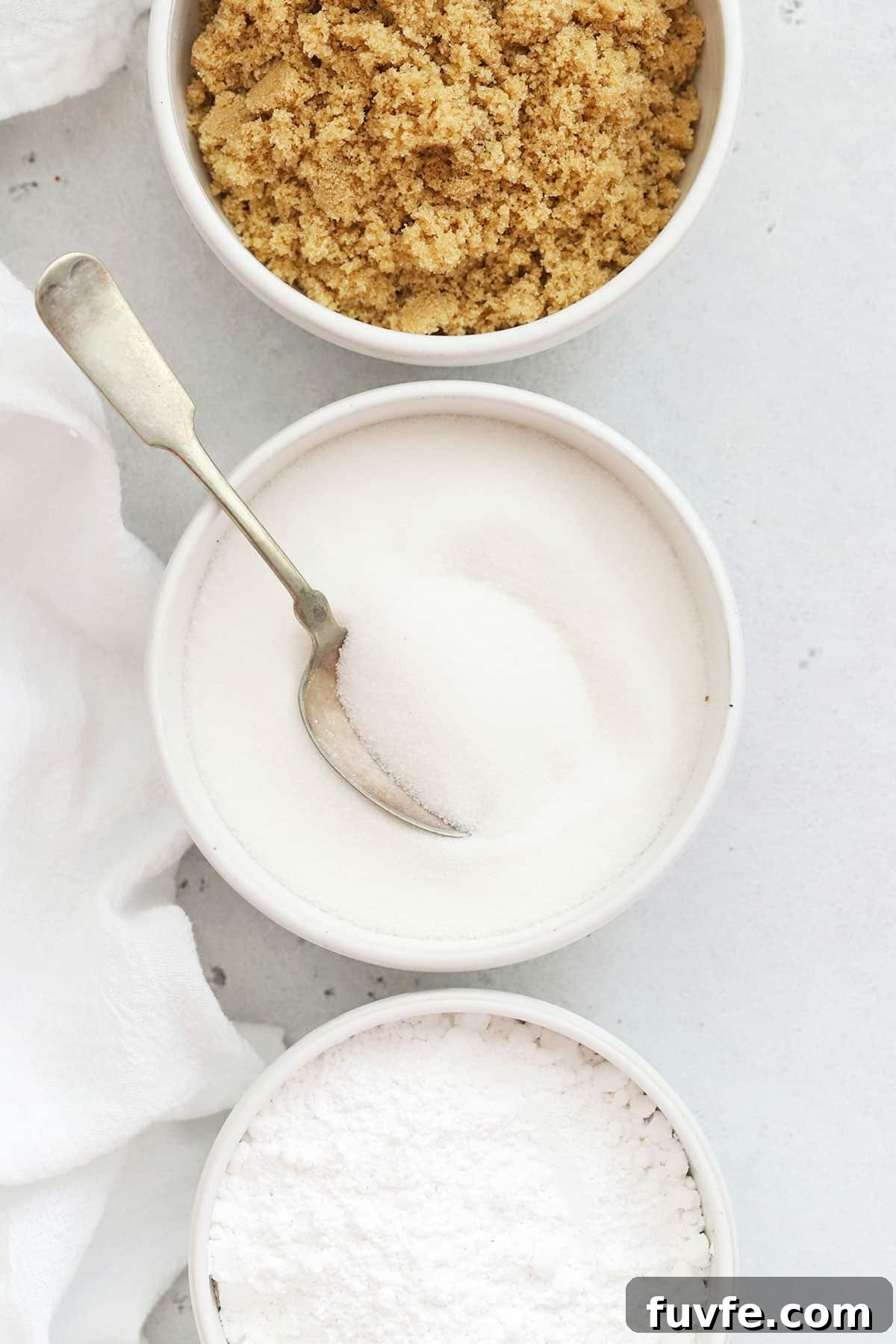
Short Answer: Is Sugar Gluten-Free?
Yes. Pure sugar — with no added flavorings or gluten-containing additives — is considered gluten-free and safe for people with celiac disease or gluten sensitivity. Gluten is a protein found in grains like wheat, barley, and rye; sugar is produced from cane, beet, or plant nectars and does not contain those grains.
That means most sugars can be used freely in gluten-free cooking. The main caveats are additives or handling practices that could introduce gluten — details for each sugar type are below.
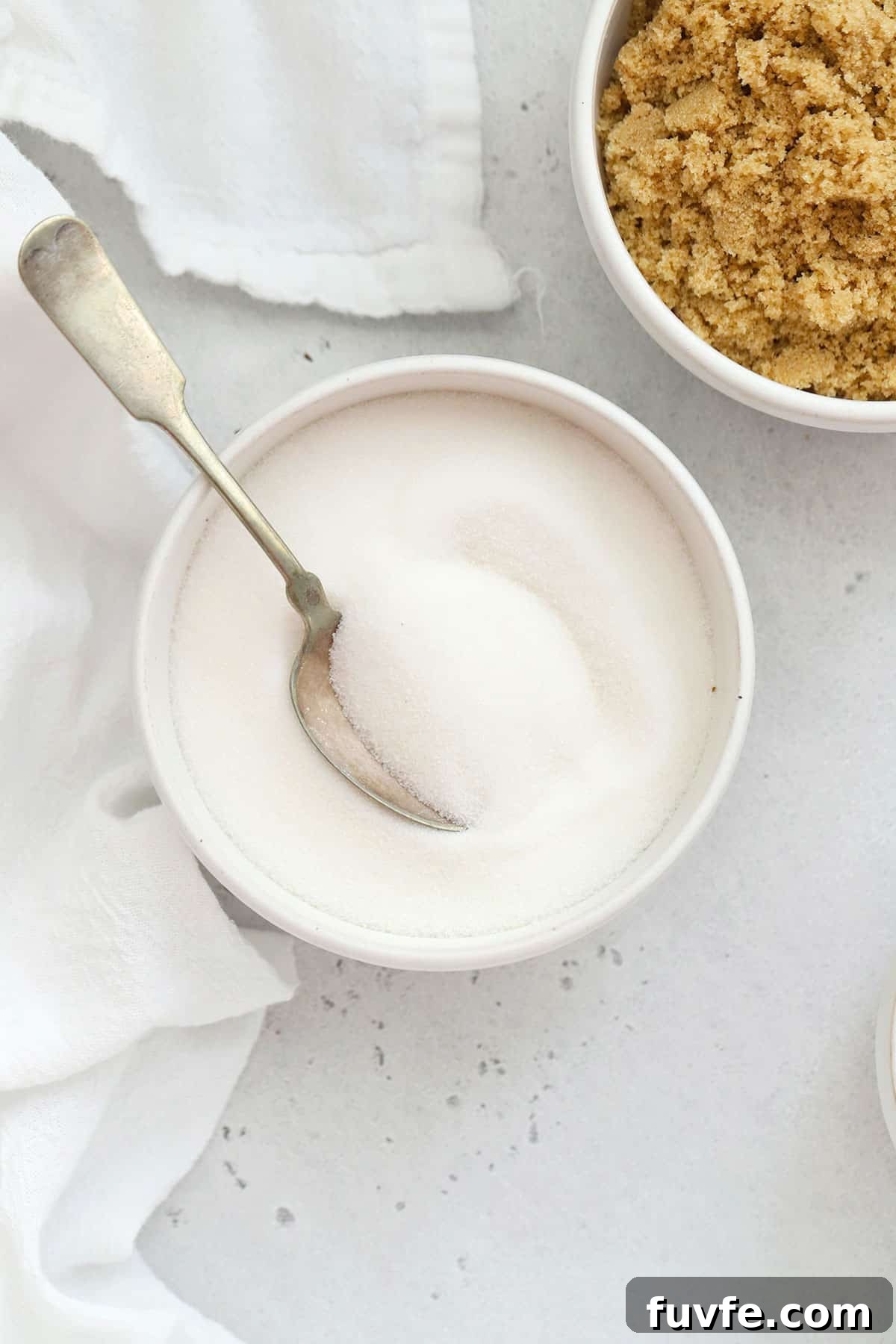
Is White Sugar Gluten-Free?
Granulated white sugar is considered gluten-free. Whether it’s derived from sugarcane or sugar beets, granulated sugar is a single-ingredient product and does not contain gluten.
Note: many commercial white sugars are filtered with bone char to achieve a very white appearance. This is unrelated to gluten but may affect vegan status. Organic white sugar in the U.S. is not processed with bone char.
Is Brown Sugar Gluten-Free?
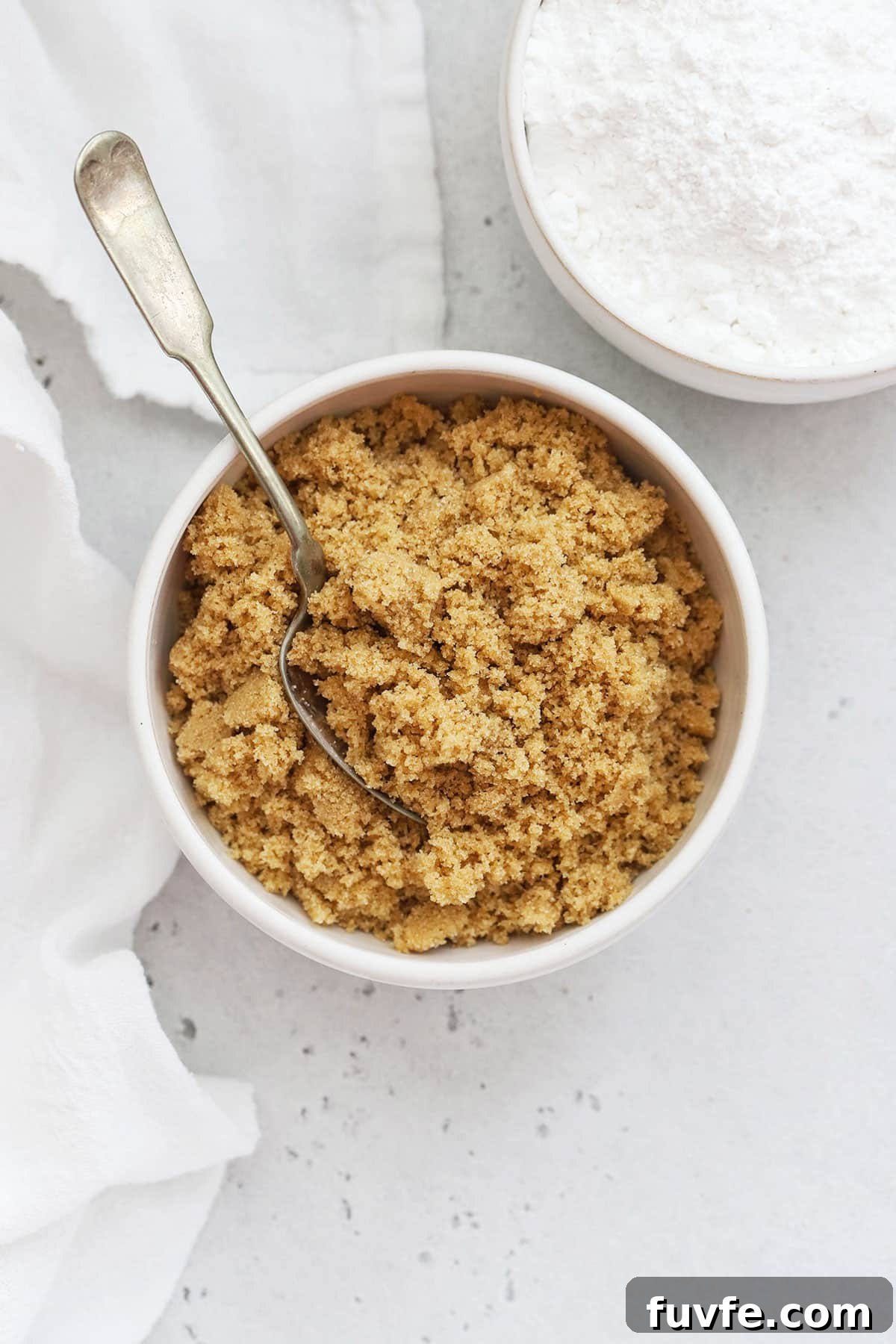
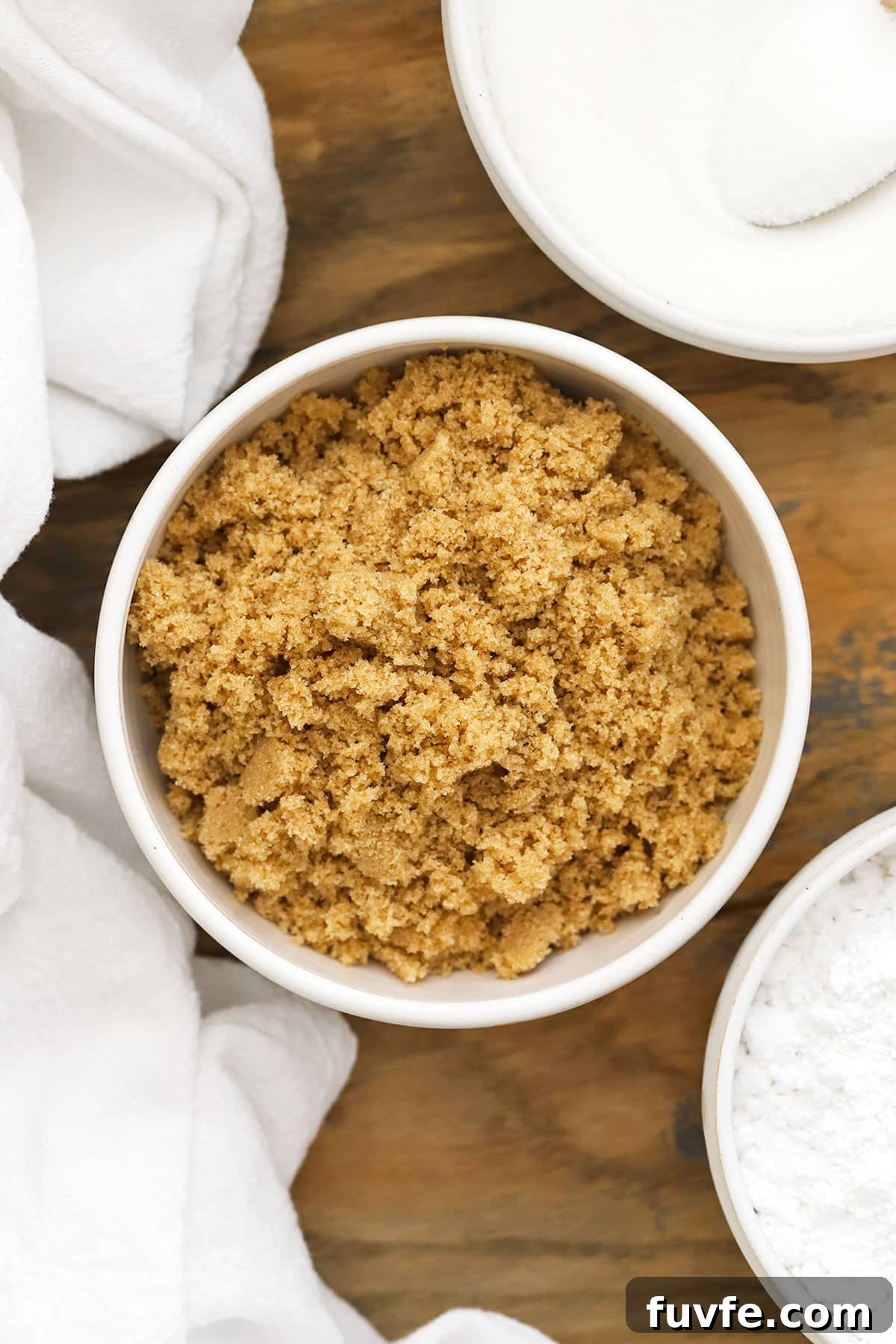
Yes. Brown sugar is simply white sugar with molasses added, and both components are gluten-free. Light and dark brown sugars only differ by molasses content; both are safe for gluten-free diets.
Is Powdered Sugar Gluten-Free?
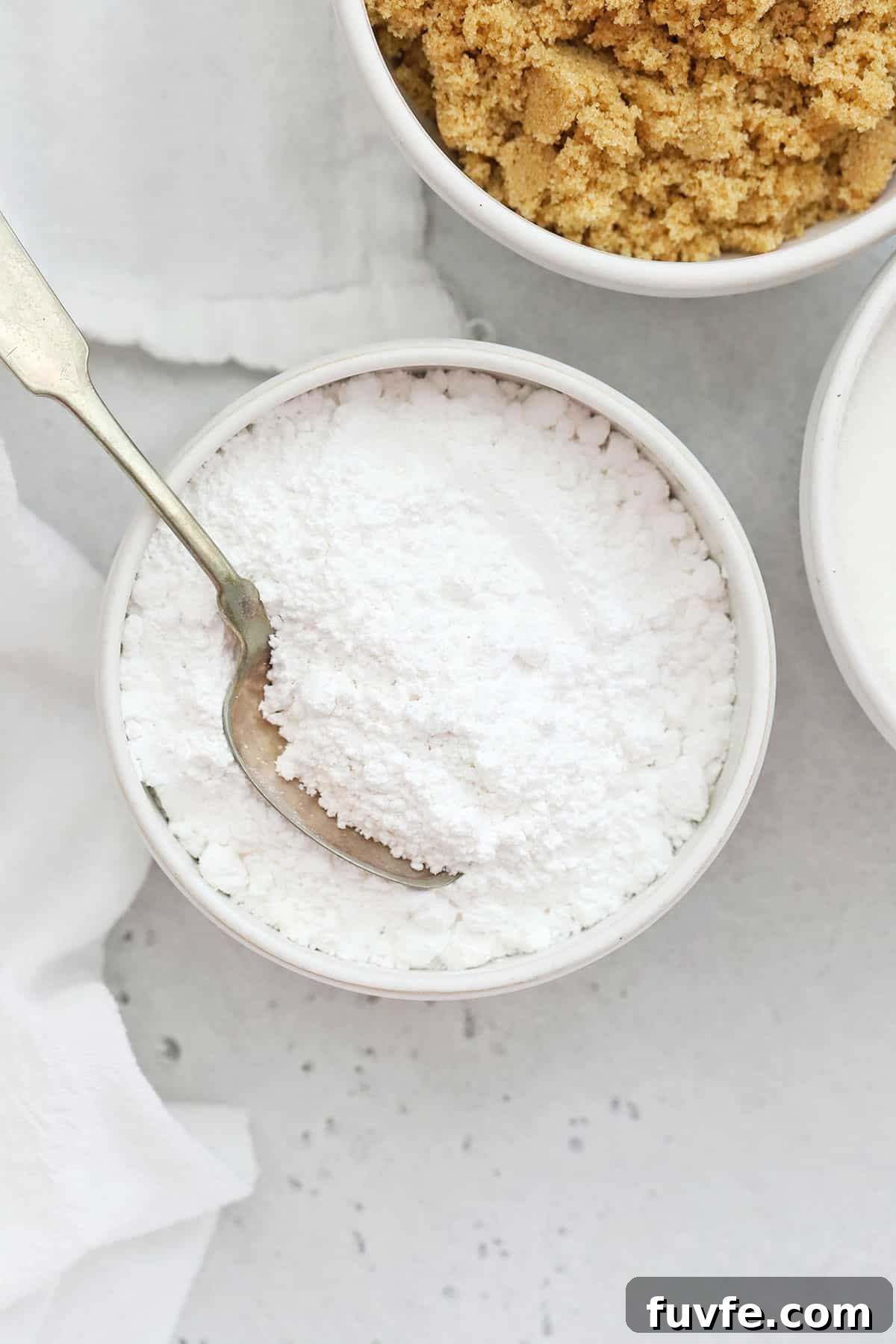
Often yes, but check the label. Powdered sugar (confectioner’s or icing sugar) usually contains a small amount of starch to prevent clumping. Most brands use cornstarch or arrowroot, both gluten-free. However, because starch sources can vary, verify the ingredient list before use.
Other Common Sugars and Sweeteners
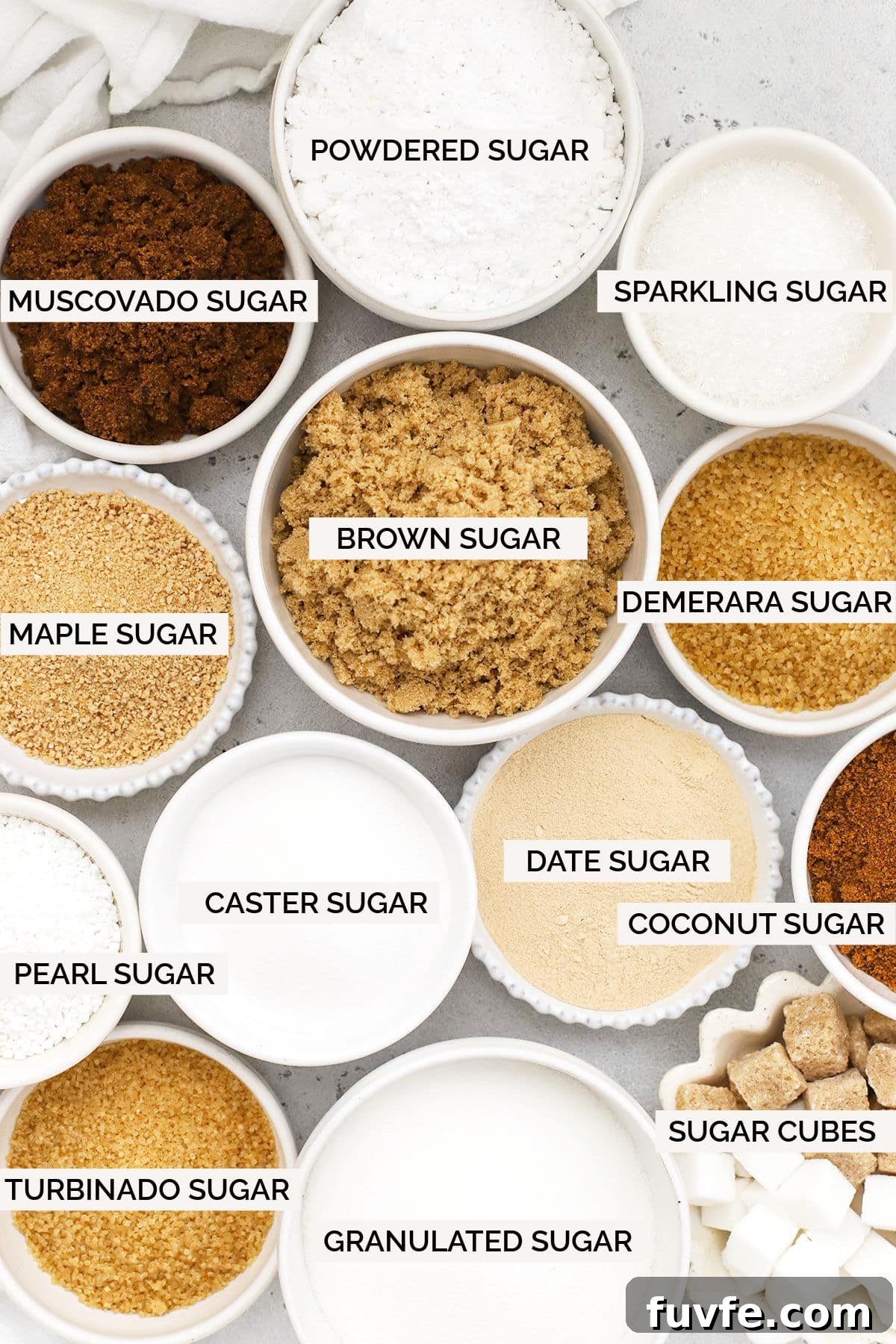
Many specialty sugars and natural sweeteners are gluten-free in their pure forms. Here’s a quick breakdown of commonly used options:
- Coconut sugar — made from coconut blossom nectar; gluten-free.
- Date sugar — dehydrated dates ground into granules; gluten-free.
- Maple sugar — crystallized maple syrup; gluten-free.
- Muscovado sugar — an unrefined dark sugar; gluten-free.
- Pearl sugar — decorative, non-melting sugar used for toppings; gluten-free.
- Superfine/caster sugar — fine-grained white sugar; gluten-free.
- Sparkling and sanding sugars — decorative sugars; gluten-free.
- Sugar cubes — pressed sugar or sugar syrup; gluten-free in most cases.
- Demerara and turbinado — raw cane sugars used for garnish and beverages; gluten-free.
- Honey, agave, and pure maple syrup — gluten-free in their pure forms.
- Sugar substitutes and alternative sweeteners — most erythritol, xylitol, stevia, monk fruit, allulose, sucralose, and other common substitutes are gluten-free. Always check labels for added ingredients.
FAQ + Tips for Buying Gluten-Free Sugar
Brands
Most mainstream sugar brands offer gluten-free products. Examples include common grocery and specialty brands. If vegan status matters, look for brands that are not processed with bone char or choose certified organic cane sugar.
Avoiding Cross-Contamination
Cross-contamination is a real concern for people with celiac disease or severe gluten sensitivity. To reduce risk:
- Keep a separate container or bag of sugar designated for gluten-free baking.
- Do not use utensils or measuring cups that have contacted wheat flour without washing them thoroughly first.
- Pour sugar into clean measuring cups or use tools reserved for gluten-free ingredients.
Flavored or Infused Sugars
Check labels on flavored or infused sugars. Many use simple gluten-free ingredients like vanilla or citrus zest, but some products may contain malt or other barley-derived ingredients — avoid those if you need to be strictly gluten-free.
When to Ask a Professional
If you ever have doubts about a product or how it affects your health, consult a doctor, registered dietitian, or nutrition professional. They can provide personalized advice about diet, blood sugar management, and managing any symptoms related to gluten exposure.
Bottom line: Pure sugars and most natural sweeteners are gluten-free. Check ingredients and handling practices when using processed or flavored products, and take precautions to avoid cross-contamination when baking for someone with celiac disease or severe gluten sensitivity.