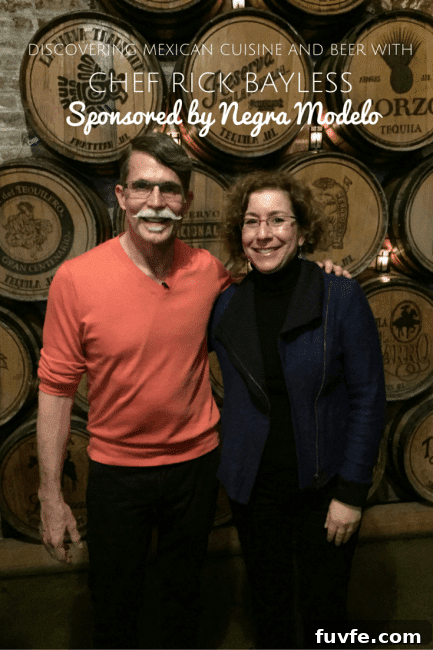
A Tour of San Francisco’s Mission Sponsored by Negra Modelo
Over the past several months I’ve been exploring beer across the country — from Portland to Vermont to Anaheim and, most recently, San Francisco — developing a deeper appreciation for its flavor complexity. In Portland we visited Burnside Brewing and sampled an unfiltered beer paired with inventive appetizers. In Vermont I tried Hill Farmstead’s Edward Pale Ale at the Farmhouse Tap & Grill, where its citrus and pine notes were a welcome reward after bicycling along Lake Champlain. In Anaheim a pumpkin ale surprised me by pairing well with a variety of foods at the Fresh Summit Conference. Then I had the opportunity to join a blogger tour of San Francisco’s Mission District sponsored by Negra Modelo and led by Chef Rick Bayless. I couldn’t resist the chance to learn about Mexican cooking, a dark Mexican beer, and how to pair beer and food under the guidance of a renowned chef.
The tour began in the Mission, a neighborhood where renovated homes and trendy shops sit alongside long-standing, character-filled businesses. We visited three original food establishments to learn foundational elements of Mexican cuisine.
Our first stop was a local Mexicatessen that produces an endless supply of fresh ground masa — the base for tamales, tortillas, and huarache. Huarache, named after the Spanish word for sandal, is a masa-based flatbread shaped like its namesake and sold as street food. This shop’s masa is free of GMOs and preservatives. Chef Bayless described authentic corn masa as “the canvas on which Mexican food must be painted.” We watched huaraches made to order and enjoyed carne asada–topped versions right off the griddle.
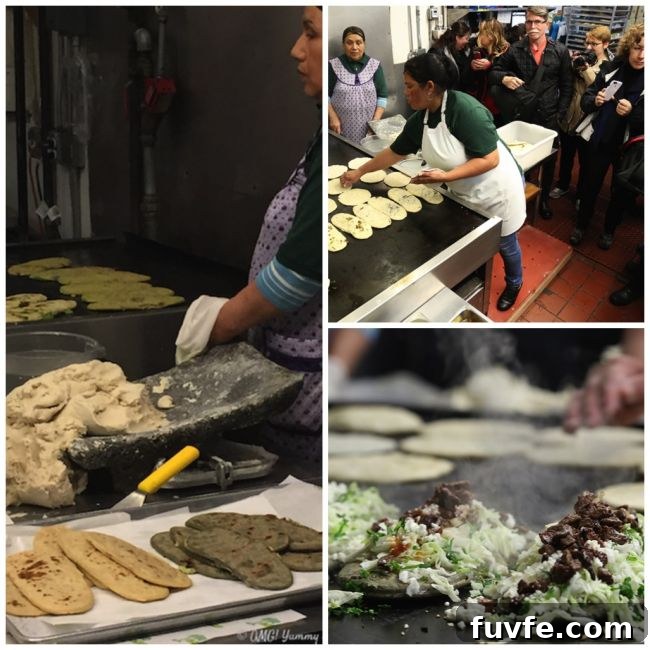 (Two photos on the right of the collage are courtesy of Negra Modelo)
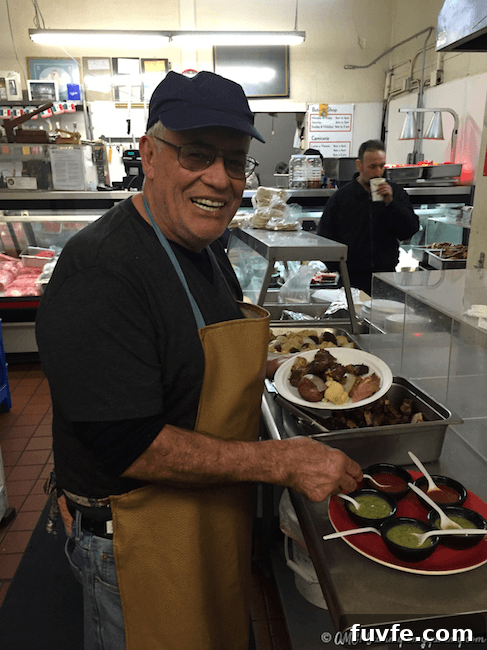
Next we toured a neighborhood meat market where the owner and butcher explained flap meat, the cut commonly used for carne asada. Flap meat comes from the belly area, similar to flank steak: after removing the flank and trimming fat layers, what remains is the flavorful flap. Salvador Vasquez, the owner, helped popularize this cut in the United States at a time when many butchers were discarding it or using it only for grinding.
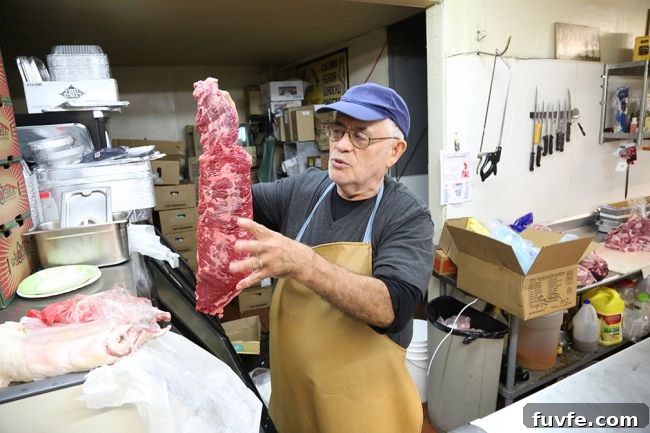
After sampling a comforting stew and bright salsas at the meat market, we moved on to a third stop: a family-run bakery.
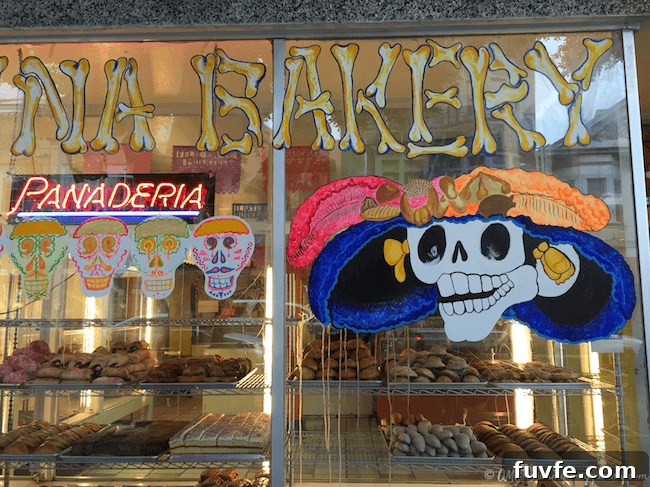
La Reyna Bakery, now overseen by the third generation of the founding family, brightens the block with colorful decor and the scent of fresh baking. The bakery produces more than 25 different breads and pastries each day. Embracing artisanal techniques, the family now makes its own custard and chocolate fillings and plans to produce house-made jams and jellies. Baking starts at 3 AM and continues through mid-afternoon. Their specialties include cheesecakes, bread pudding, and custard empanadas, all made on site.
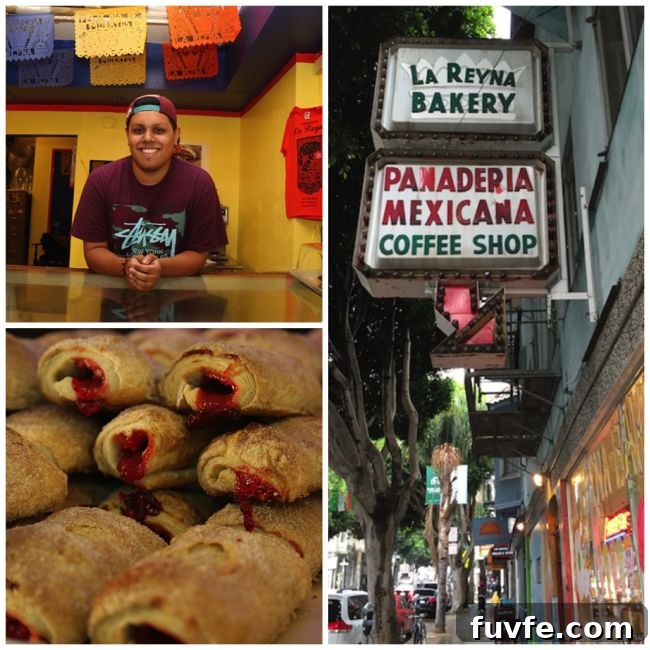 (Two photos on the left of the collage are courtesy of Negra Modelo)
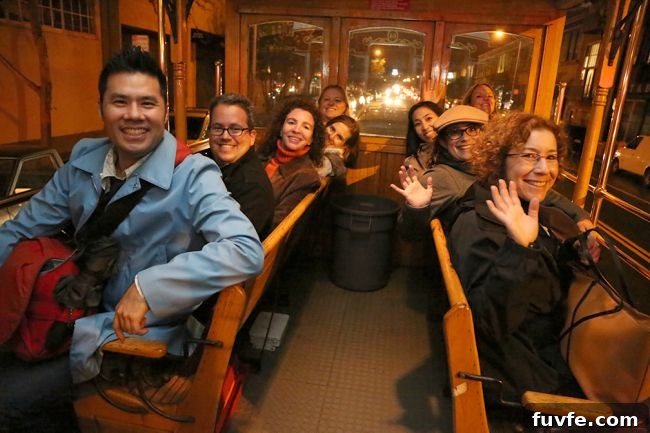
After tasting several bakery items, our group boarded a trolley and headed to a modern Mexican restaurant near AT&T Park, where Negra Modelo had a generous spread waiting for us.
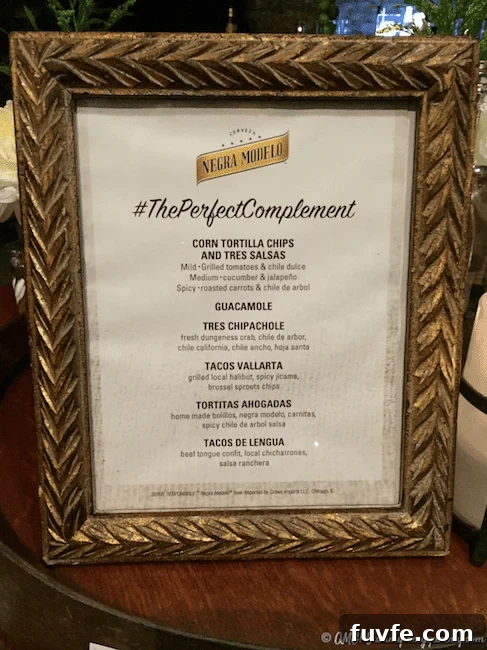
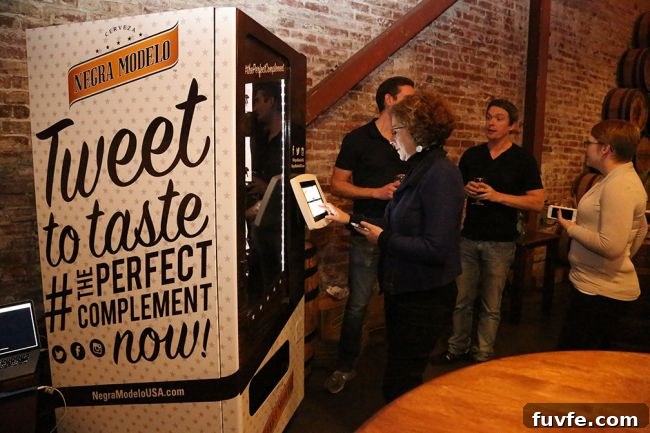
Alongside plated dishes paired with Negra Modelo beers, there was a Twitter vending machine called “ThePerfectComplement” that dispensed prizes when attendees tweeted about the event. I won a flash drive with Chef Bayless recipes and a copy of his cookbook Frontera: Margaritas, Guacamoles, and Snacks.
Chef Bayless presented four short tutorials on avocados, chili peppers, onions, and pairing beer with food. His knowledge is detailed and exacting — the kind of care he brings to his cookbooks and kitchens. Highlights from his demonstrations:
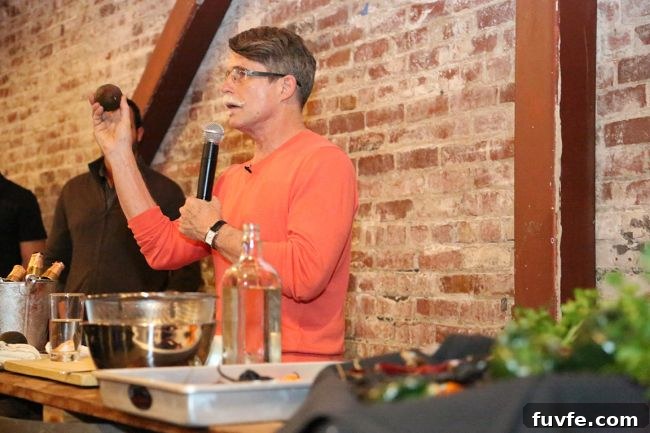
Avocados:
Chef Bayless recommended buying avocados from Mexican grocery stores because they often handle them properly and offer ripe fruit ready to use. For guacamole he suggested using a potato masher for texture, adding only a touch of lime juice and a bit of salt, and keeping it cold to prevent discoloration.
Chili Peppers:
Contrary to common belief, most of a pepper’s heat comes from the veins (ribs), not the seeds — the seeds are hot because they sit close to those veins. In Mexico the focus is often on a pepper’s flavor rather than just its heat, since different varieties contribute unique aromas and nuances to dishes.
Onion:
White onion is preferred for salsas and guacamole. If you’re using raw onion, rinse it briefly to remove some of the sulfurous compounds that can dominate the flavor.
Pairing beer with food:
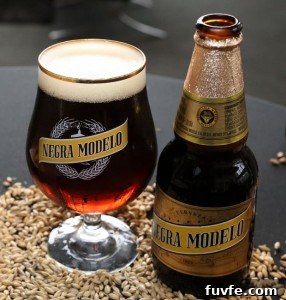
Negra Modelo is brewed in the Munich Dunkel style, a slow-roasted malt process that yields a rich amber color and notes of caramel and chocolate. Chef Bayless pointed out that when you taste Negra Modelo with your eyes closed, you might not immediately identify it as a dark beer — it’s flavorful without the heavy, coffee-like bitterness often associated with darker brews. He uses Negra Modelo in both savory dishes and desserts; his restaurant serves a popular chocolate ice cream flavored with the beer’s toasty malt character.
Bayless suggested pairing Negra Modelo with a hearty fish stew, black mole, or barbacoa — especially lamb. At our dinner it complemented a Dungeness crab and tomato bisque, a halibut taco with crispy Brussels sprout chips, and a carnitas torta whose pork had been braised in Negra Modelo.
I often cook with beer; my crock-pot carnitas recipe calls for beer as a key ingredient, and after this tour I plan to use Negra Modelo both in the slow cooker and as a table-side pairing.
The tour provided a delightful perspective on the Mission through Chef Bayless’s eyes and was generously sponsored by Negra Modelo USA. It was also a chance to meet Bay Area bloggers and reconnect with old friends. Below is the list of bloggers who joined the tour; their posts offer additional insights into the Mission, Mexican cuisine, Negra Modelo beer, and Chef Rick Bayless.
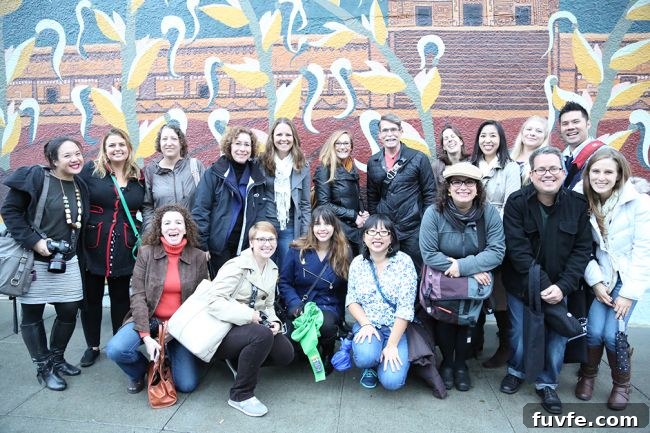
Amy of Amy’s Healthy Baking
Amy of Cooking with Amy
Amy of Very Culinary
Annelies of The Food Poet
Anita of Dessert First
Cassie of Ever in Transit
Gabi of Broke Ass Gourmet
Irvin of Eat The Love
Jane of This Week for Dinner
Jasmine of Simply Real Moms
Kimberly of Bake Love Give
Sara Deseran, cookbook author and restaurateur
Sean of Hedonia & Punk Domestics
Stephanie of Lick My Spoon
TerriAnn of Cookies & Clogs
Trish of Mom On Timeout
Do you drink or cook with beer? Share your beer knowledge or questions in the comments below!
I was compensated for this post and for social media sharing during the tour by Negra Modelo. All opinions are my own, and I’m pleased to share what I learned about Mexican cuisine, beer, and the historic eateries of San Francisco’s Mission District.