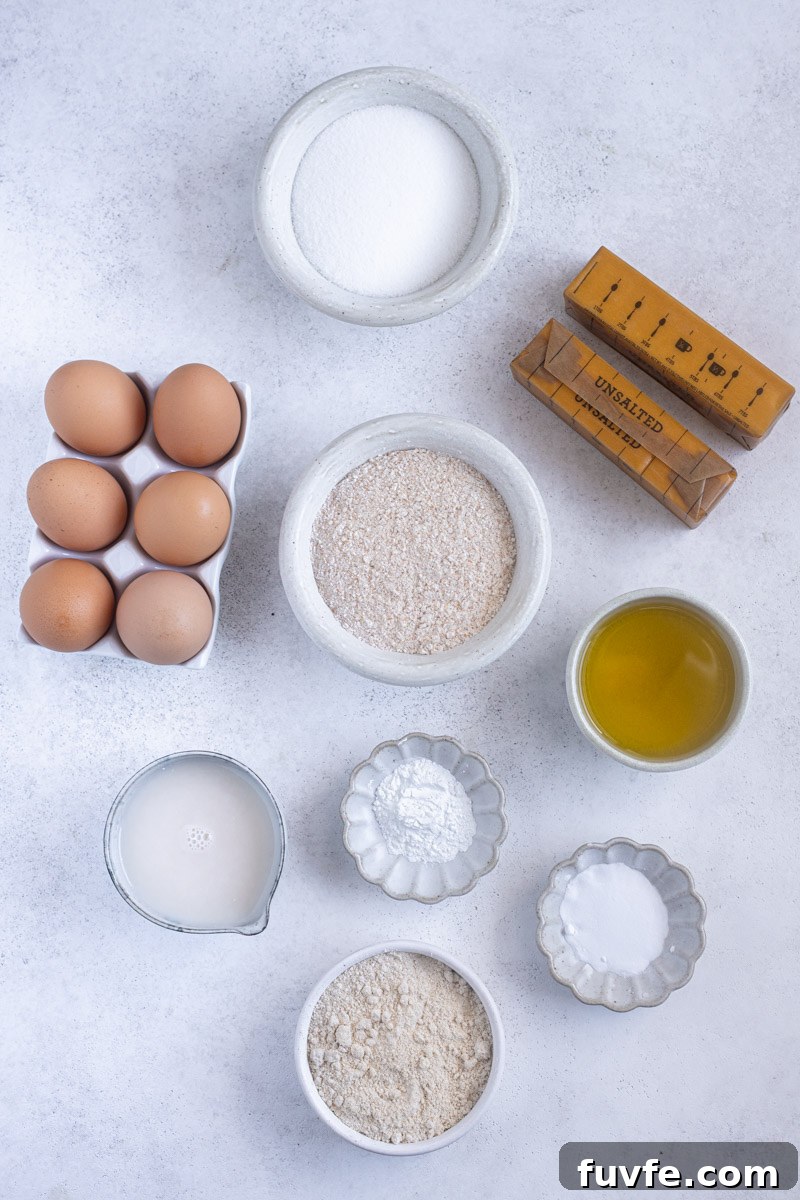
This guide explains common ingredient substitutions for cooking and baking, covering swaps for baking staples, flours and grains, sweeteners, pantry items, and refrigerator staples so you can cook confidently with what you have or adapt recipes for dietary needs.
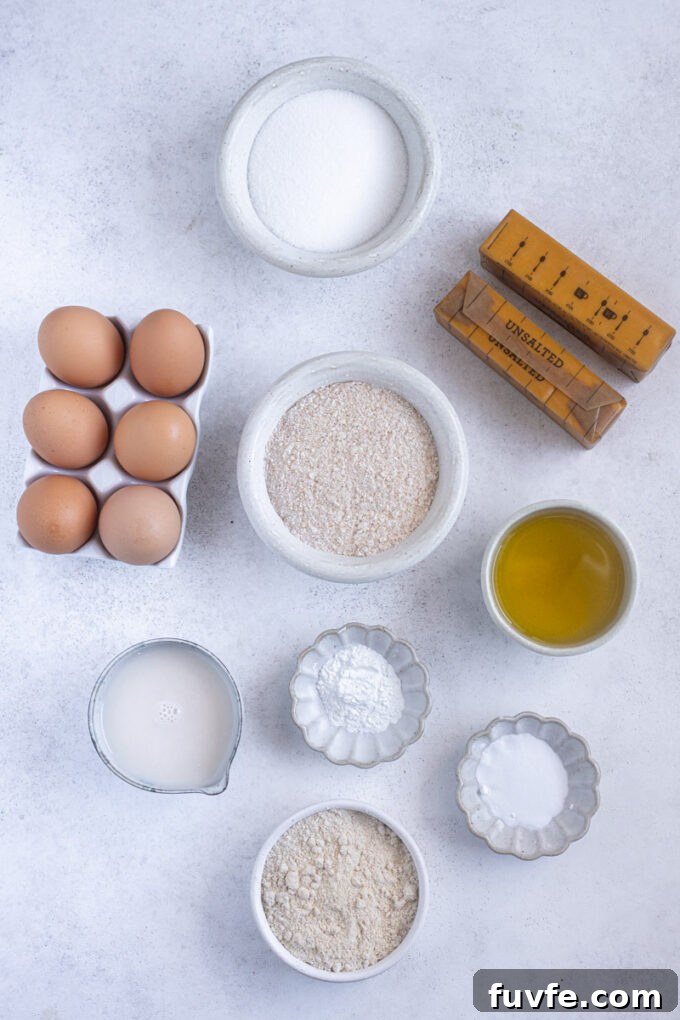
Running out of an ingredient mid-recipe is a familiar kitchen moment. Maybe you’re baking muffins and realize you’re out of eggs, or you’re preparing dinner and don’t have the grain or dairy the recipe calls for. The good news is many ingredients can be swapped with staples you likely already have.
Knowing reliable ingredient substitutions for cooking and baking makes your kitchen more flexible, reduces food waste, and saves last-minute grocery trips. Substitutions are also useful for adapting recipes to dietary preferences or allergies—whether you need gluten-free, dairy-free, vegetarian options, or simply want to use more whole-food ingredients.
This guide focuses on practical, commonly used swaps that work well in everyday recipes. Some substitutions are 1:1, while others require small adjustments. Cooking is generally more forgiving than baking, so swaps are easiest for soups, grain bowls, salads, casseroles, and sauces. Baking changes texture more easily, but many substitutions still produce excellent results.
When to Use Ingredient Substitutions
Ingredient swaps are especially helpful when:
- You’re missing an ingredient and want to avoid an extra trip to the store
- You need to adapt a recipe for dietary preferences or food allergies
- You want to replace refined ingredients with whole-food alternatives
- You’re cooking with what’s already in your pantry
Cooking is generally more forgiving than baking. Use swaps freely in savory dishes, stews, and casseroles. In baking, expect small texture or flavor changes but often very satisfying results.
How to Use This Guide
The substitutions below are grouped by category so you can quickly find what you need. Categories include:
- Baking ingredients
- Flours and baking grains
- Whole grains, pasta, and legumes
- Sweeteners
- Pantry staples
- Refrigerator staples
Many swaps can be made 1:1; others include notes about adjustments for best results.
Baking Ingredients
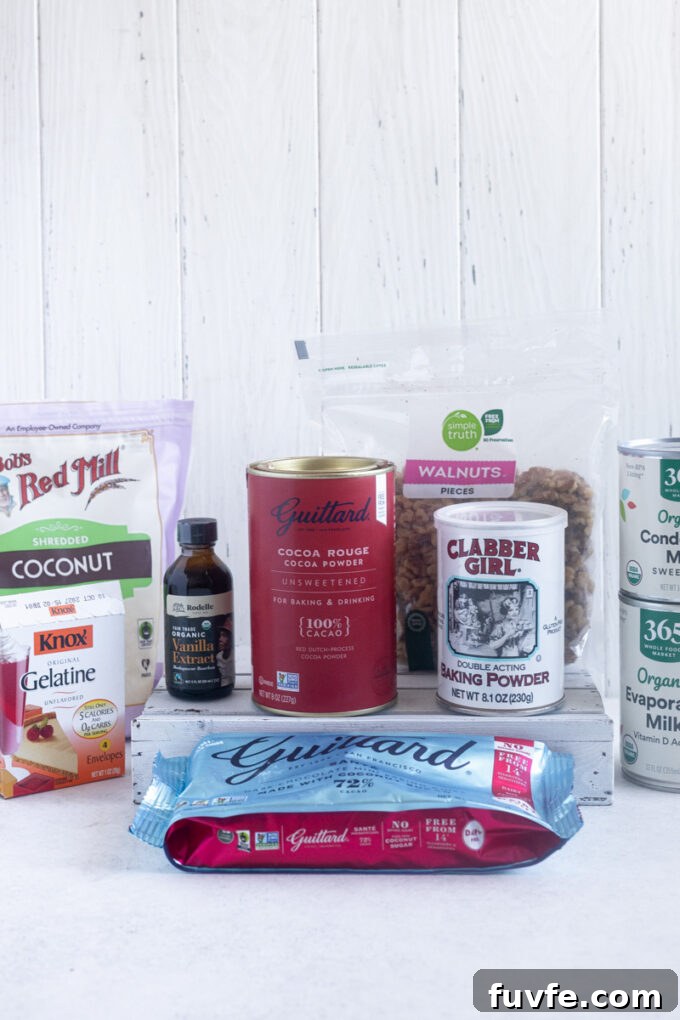
Eggs
Eggs provide structure, moisture, and binding in many baked goods. If you need an egg-free option, the following substitutions work well in muffins, cakes, pancakes, and quick breads.
Replace 1 egg with:
- Flax egg: 1 tablespoon ground flaxseed + 2½ tablespoons water
- Chia egg: same ratio as flax egg
- Unsweetened applesauce: ¼ cup
- Mashed banana: ¼ cup (adds sweetness and banana flavor)
- Plain yogurt: ¼ cup
Flax and chia eggs are excellent binders; fruit or yogurt add moisture and may change flavor slightly.
Milk
Most dairy and plant-based milks can be swapped 1:1 in recipes. Common options include almond milk, oat milk, soy milk, cashew milk, and coconut milk. Unsweetened plant milks tend to work best in baking. Canned coconut milk gives added richness when you want a creamier texture.
Buttermilk
To mimic buttermilk’s acidity and tenderness, stir 1 tablespoon lemon juice or vinegar into 1 cup milk and let sit 5–10 minutes. This works with dairy or dairy-free milks.
Butter
Butter contributes flavor and richness. Substitutes include:
- Coconut oil — 1:1 swap
- Ghee — 1:1 swap
- Olive oil or avocado oil — use ¾ cup oil per 1 cup butter
Olive oil pairs especially well with muffins, cakes, and savory bakes.
Oil
Melted butter or coconut oil can replace oil 1:1. For a lighter option, you can replace up to half the oil with applesauce or Greek yogurt in many baked goods to reduce fat while keeping moisture.
Baking Powder and Baking Soda
To replace 1 teaspoon baking powder, combine ¼ teaspoon baking soda + ½ teaspoon cream of tartar. To replace 1 teaspoon baking soda, you can use 3–4 teaspoons baking powder (adjust flavor and acidity accordingly).
Cornstarch
Use arrowroot powder or tapioca starch 1:1, or substitute 2 tablespoons all-purpose flour for 1 tablespoon cornstarch when thickening sauces and pie fillings.
Cocoa Powder and Unsweetened Chocolate
Cocoa powder comes in natural and Dutch-processed varieties. If a recipe doesn’t specify, natural cocoa is often assumed and pairs with baking soda, while Dutch-processed works with baking powder. You can sometimes swap the two 1:1, but acid and leavening may need adjustment.
To replace 1 ounce unsweetened chocolate, use 3 tablespoons cocoa powder + 1 tablespoon butter or oil.
Chocolate Chips
Chopped chocolate works 1:1 as a substitute for chips. If chocolate is simply folded into batter, you can omit it entirely if desired.
Sweetened Condensed Milk
Homemade version: combine 1 cup evaporated milk and ¾ cup sugar, simmering and stirring over medium-low heat for 10–15 minutes until slightly thickened. The homemade version may be a bit thinner than store-bought.
Evaporated Milk
Good swaps include half-and-half 1:1, whole milk 1:1 (slightly thinner), or a blend of ¾ cup milk + ¼ cup cream to approximate 1 cup evaporated milk. Dairy-free milks can also be used in savory recipes.
Flours & Baking Grains
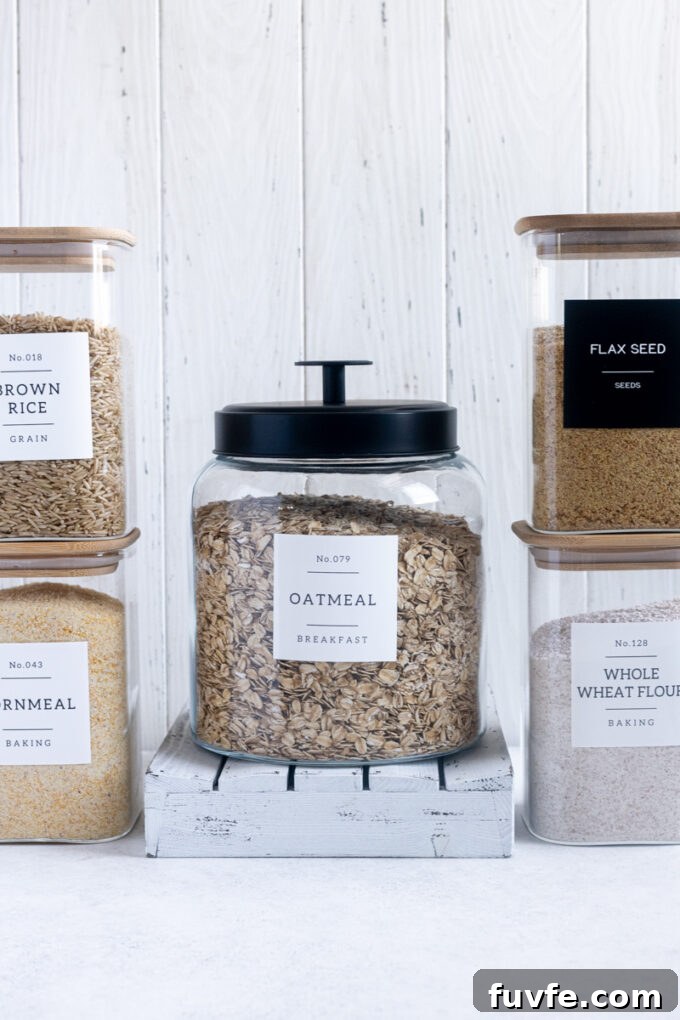
All-Purpose Flour
- White whole wheat flour — 1:1 swap
- Spelt flour — 1:1 in most recipes
- Gluten-free 1:1 flour blend — 1:1 swap
Whole Wheat Flour
White whole wheat flour can be used 1:1, or try a blend of half whole wheat and half all-purpose for lighter texture.
Spelt Flour
Spelt can often replace all-purpose 1:1 and adds a mildly nutty flavor.
Oat Flour
Oat flour is not a direct 1:1 swap for wheat flours because it lacks gluten and usually requires less liquid and sometimes an additional egg. Make oat flour by blending rolled oats to a fine powder; use recipes formulated for oat flour when possible.
Almond Flour
Almond and other nut flours are best used in recipes developed for them; paleo flour blends often swap 1:1 but follow package guidance for best results.
Cornmeal
- Polenta — 1:1 swap
- Fine corn flour — 1:1 swap
- Masa harina — different flavor and processing; not a direct substitute
Whole Grains, Pasta & Legumes
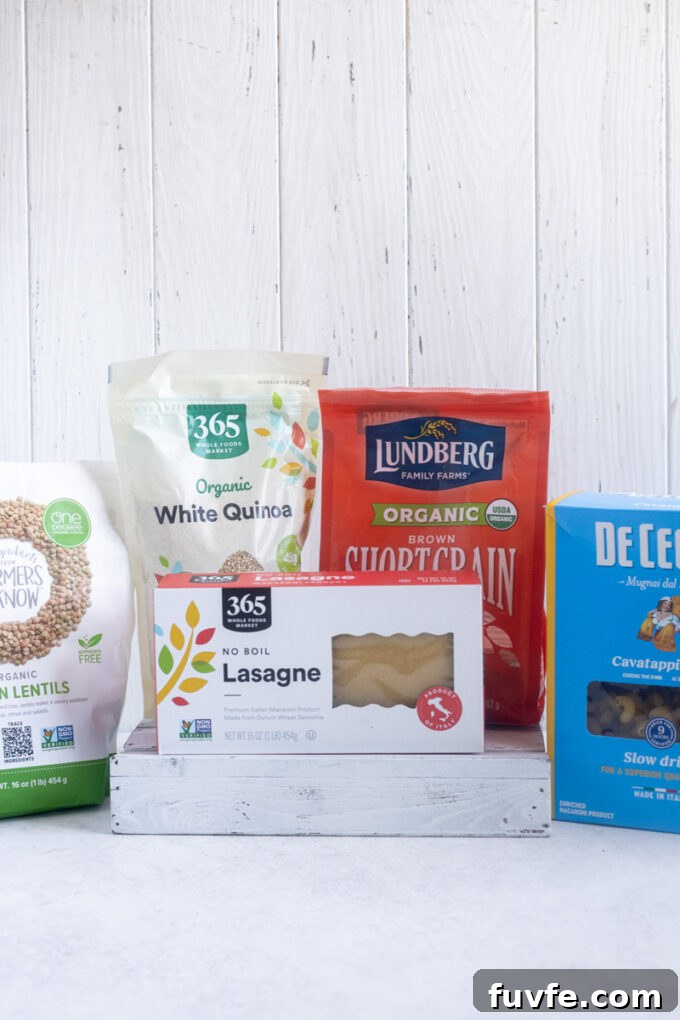
Whole grains, pasta, and legumes are often interchangeable in salads, grain bowls, and soups; cooking times and liquid needs will vary.
Quinoa
- Brown rice (cooked) — 1:1 swap
- Farro (cooked) — 1:1 swap
- Bulgur (cooked) — 1:1 swap
Brown Rice
- Wild rice — 1:1 swap
- Quinoa — 1:1 swap
- Barley — 1:1 swap
White Rice
- Brown rice — 1:1 swap (adjust cooking time)
- Jasmine or basmati rice — 1:1 swap
- Quinoa — 1:1 swap
Lentils
Substitute cooked or canned amounts 1:1 with chickpeas, white beans, or black beans depending on texture and flavor needs.
Chickpeas
Chickpeas swap 1:1 with white beans or cooked lentils in salads, bowls, and stews.
Sweeteners
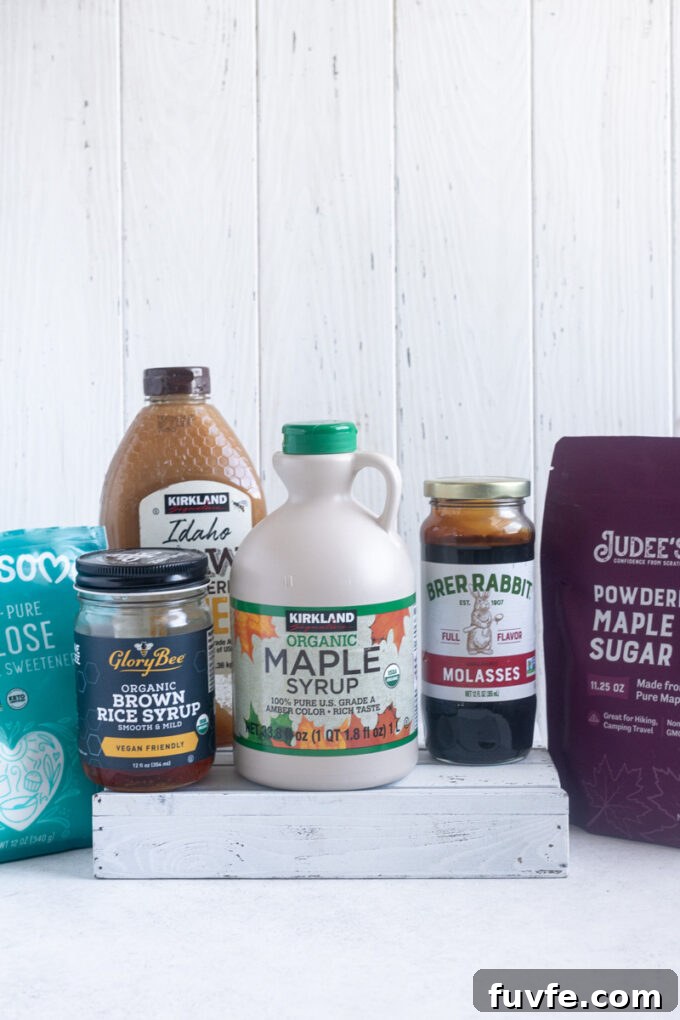
Granulated sweeteners typically substitute 1:1. Liquid sweeteners like honey or maple syrup require slightly reducing other liquids.
White Sugar
- Maple sugar — 1:1 swap
- Date sugar — 1:1 swap
- Coconut sugar — 1:1 swap (milder flavor)
Allulose
Use about 1⅓ cups allulose to replace 1 cup sugar. Allulose produces a softer texture and doesn’t brown or crisp exactly like sugar.
Using Liquid Sweeteners Instead of Sugar
To replace 1 cup sugar, use ¾ cup honey or ¾ cup maple syrup and reduce other liquid in the recipe by 2–3 tablespoons. Liquid sweeteners give softer baked goods and add deeper flavor.
Brown Sugar
Substitute coconut sugar 1:1, or mix 1 cup white sugar + 1 tablespoon molasses to replace 1 cup brown sugar.
Honey & Maple Syrup
Honey and maple syrup can usually be swapped 1:1 for each other, with the same adjustment to overall liquid.
Brown Rice Syrup
Maple syrup can replace brown rice syrup 1:1. Brown rice syrup is milder and less sweet; use honey at about 1¼ cups for every 1 cup brown rice syrup if you need a sweeter substitute.
Pantry Staples
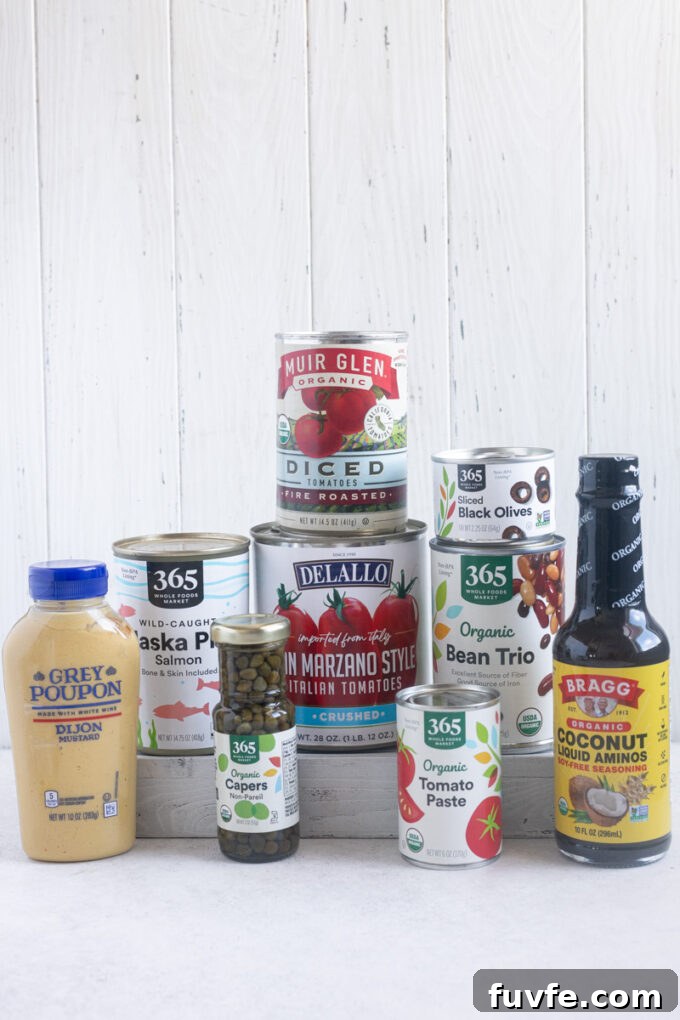
Breadcrumbs
- Panko — 1:1 swap
- Rolled oats — 1:1 swap (pulse first if needed)
- Crushed crackers — 1:1 swap
- Almond flour — 1:1 swap for a gluten-free option
Worcestershire Sauce
Use soy sauce or tamari for savory depth; coconut aminos are a soy-free, milder option.
Soy Sauce
Tamari is a gluten-free 1:1 substitute; coconut aminos work 1:1 for a soy-free alternative.
Tomato Paste
Reduce tomato sauce until thick to substitute for tomato paste; about 2–3 tablespoons reduced sauce can replace 1 tablespoon paste depending on concentration.
Canned Tomatoes
Diced, crushed, and whole canned tomatoes are often interchangeable—pulse diced for a smoother texture or crush whole tomatoes to substitute for diced or crushed varieties.
Vinegar
- Lemon or lime juice — 1:1 swap
- White wine vinegar ↔ apple cider vinegar — 1:1 swap
- Red wine vinegar ↔ white wine vinegar — 1:1 swap
- Rice vinegar ↔ apple cider vinegar — 1:1 swap (mild flavor)
- Balsamic vinegar is sweeter and more concentrated and is not a direct substitute for most light vinegars.
Mayonnaise
Greek yogurt or sour cream are simple 1:1 swaps; mashed avocado also makes a creamy alternative.
Dijon Mustard
Yellow mustard, whole-grain mustard, or stone-ground mustard can typically be used 1:1, with textural and flavor differences to consider.
Capers
Chopped green olives or chopped pickles provide a similar briny, salty hit and can be used 1:1 in many recipes.
Canned Coconut Milk
For rich, creamy texture in soups and sauces, heavy cream or half-and-half work 1:1; full-fat canned coconut milk is a good dairy-free substitute.
Refrigerator Staples
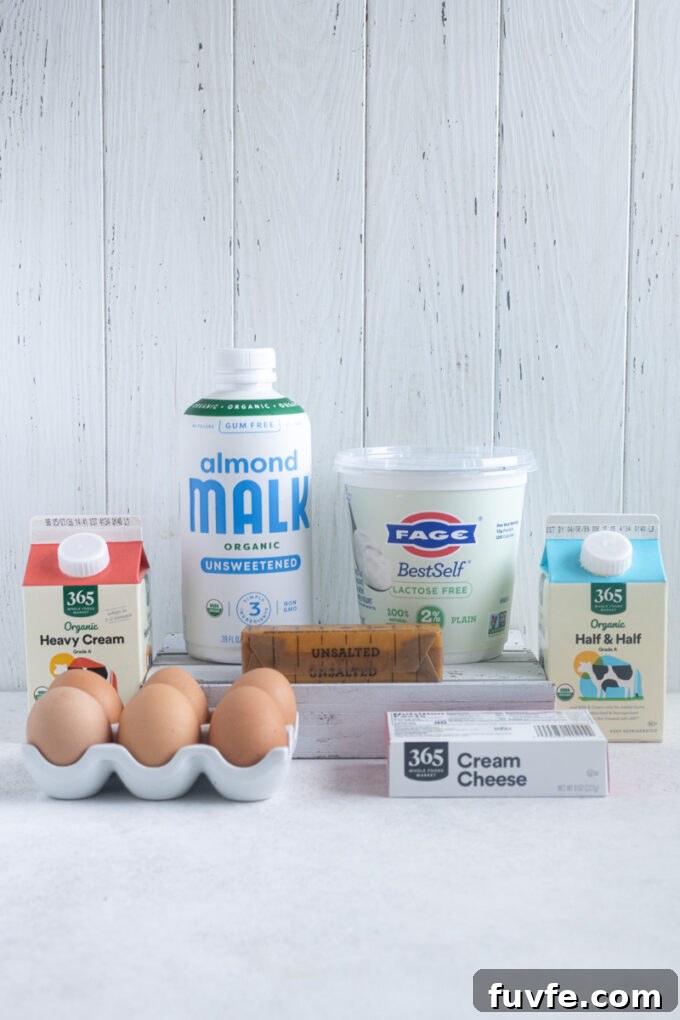
Many refrigerator staples double as baking ingredients and are covered above. Key swaps include:
Sour Cream
Greek yogurt or dairy-free yogurt substitute 1:1 for sour cream in most recipes.
Ricotta
Blended cottage cheese provides a similar texture and can be used in a 1:1 ratio.
Cream Cheese
Mascarpone is a direct 1:1 substitute for a richer result; blended cottage cheese offers a lighter, similar ratio alternative.
Heavy Cream
There’s no true substitute for heavy cream when making whipped cream, but for soups, sauces, and baking you can use:
- Half-and-half — 1:1 swap
- ¾ cup milk + ¼ cup butter — replaces 1 cup heavy cream
- Full-fat canned coconut milk — 1:1 dairy-free option
Greek Yogurt
Sour cream or plain yogurt swap 1:1 with Greek yogurt in recipes.
High-Heat Oils for Cooking and Frying
When sautéing, roasting, or frying, choose oils with higher smoke points to preserve flavor and stability. Avoid oils prone to oxidation at high heat.
Good Oils for High-Heat Cooking
- Avocado oil — high smoke point, neutral flavor
- Ghee — high smoke point with a buttery flavor
- Refined coconut oil — stable at high temperatures
Oils to Avoid for High Heat
Butter can burn unless clarified; avoid unrefined seed oils and any oils containing trans fats or partially hydrogenated fats for high-temperature cooking.
Adapting Recipes for Common Dietary Needs
Simple swaps make it easy to adapt recipes for common dietary needs.
Gluten-Free
Use gluten-free flour blends, almond flour, oat flour, or swap wheat-based grains for quinoa or rice.
Dairy-Free
Replace dairy with plant-based milks, coconut milk or cream, dairy-free yogurt, or use oils instead of butter.
Egg-Free
Replace eggs with flax or chia eggs (1 tablespoon ground seed + 2½ tablespoons water = 1 egg), applesauce (¼ cup per egg), or mashed banana (¼ cup per egg).
Refined Sugar-Free
Swap refined sugar for maple syrup or honey (¾ cup per 1 cup sugar; reduce other liquids by 2–3 tablespoons), coconut sugar 1:1, or date sugar 1:1.
Keeping a list of reliable ingredient substitutions helps you adapt recipes on the fly and cook confidently with what’s on hand. Bookmark or print this guide for quick reference when you need a kitchen-friendly swap.