Homemade gnocchi and fresh pasta often seem intimidating, but both are made from a few simple ingredients and are easier than you might think. This guide explains how to make light, pillowy Potato Herb Gnocchi at home, with tips on ingredients, equipment, and common pitfalls so you can enjoy delicious gnocchi anytime.
What is Gnocchi?
Gnocchi describes small dumplings found across Italy and beyond. The most familiar version is made from potatoes combined with a small amount of flour and egg, shaped into bite-size pillows and boiled. Regional variations include ricotta-based gnocchi, semolina versions, and baked semolina preparations. While some people call gnocchi a type of pasta, most potato- or ricotta-based gnocchi are technically dumplings; either way, they’re delicious and commonly grouped with pasta dishes.
Is gnocchi a type of pasta?
Strictly speaking, potato and ricotta gnocchi are dumplings rather than pasta. However, in everyday conversation and on many menus they’re treated the same as other pasta dishes, so calling them pasta is generally accepted.
Regional types of gnocchi
Gnocchi changes across Italy. In the south potato-based versions are more common, while the north favors ricotta-based varieties. A few notable types:
- Malfatti: Large ricotta-based dumplings often made with spinach and herbs, common in Lombardy.
- Gnudi: Tuscan ricotta dumplings resembling ravioli filling without the pasta casing.
- Ndunderi: Ricotta and pecorino dumplings from the Amalfi Coast, typically served with tomato sauce or ragu.
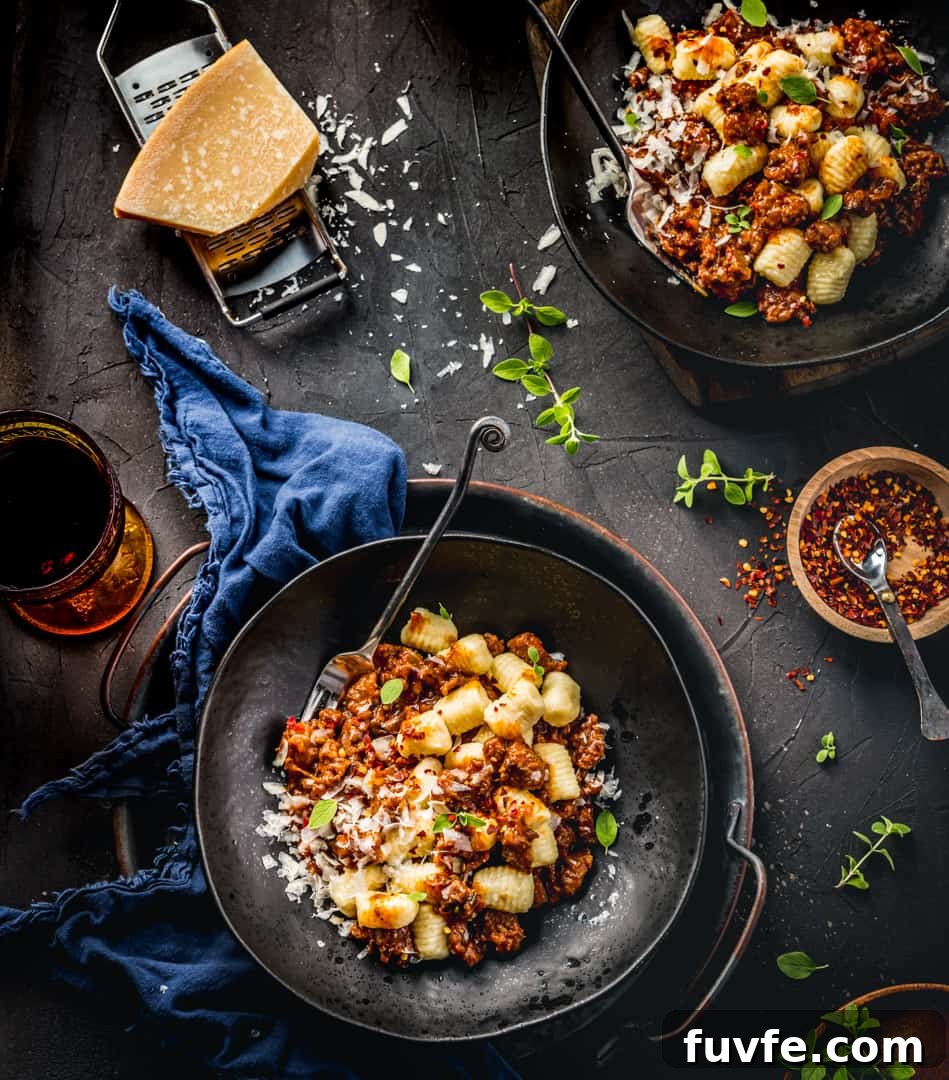
- Malloreddus (gnochetti sardi): Sardinian semolina-based pasta that is closer to pasta than potato gnocchi; often served with sausage and fennel ragu.
- Gnocchi alla Romana: A baked semolina-based dish made with milk, egg yolks, and cheese—comfort food from Rome.
There are many other regional and international variations—each worth trying when you want to explore different textures and flavors.
What You Need to Make Potato Herb Gnocchi
Basic ingredients:
- Potatoes (red-skinned, Yukon Gold, or russet)
- All-purpose or Tipo 00 flour
- Eggs
- Kosher salt
- Herbs (fresh or dried)
- Semolina flour for dusting
Potatoes
Potato moisture is key. Cook potatoes whole with the skin on to limit water absorption. If they do become waterlogged, break them open and dry in a 300°F oven for about 30 minutes. Yukon Gold or red-skinned potatoes are excellent choices; russets also work.
Flour
Use just enough flour to bind the dough without making it dense. Too much flour or overworking the dough creates heavy, gummy gnocchi. Tipo 00 or all-purpose flour are both fine.
Eggs
An egg acts as a binder and adds richness. A single large, fresh egg usually yields the best balance of structure and lightness.
Herbs
Use dried or fresh herbs to flavor the dough. Dried basil, thyme, oregano, and marjoram are convenient; fresh rosemary is an exception—its flavor is best fresh. You can also add pepper, chili flakes, or citrus zest.
Semolina flour for dusting
Semolina prevents sticking better than all-purpose flour and helps keep formed gnocchi separate on the sheet tray.
Do I need special equipment?
You don’t need specialized tools, but a few items make the process easier:
- Large pot
- Large bowl
- Potato ricer (optional but helpful)
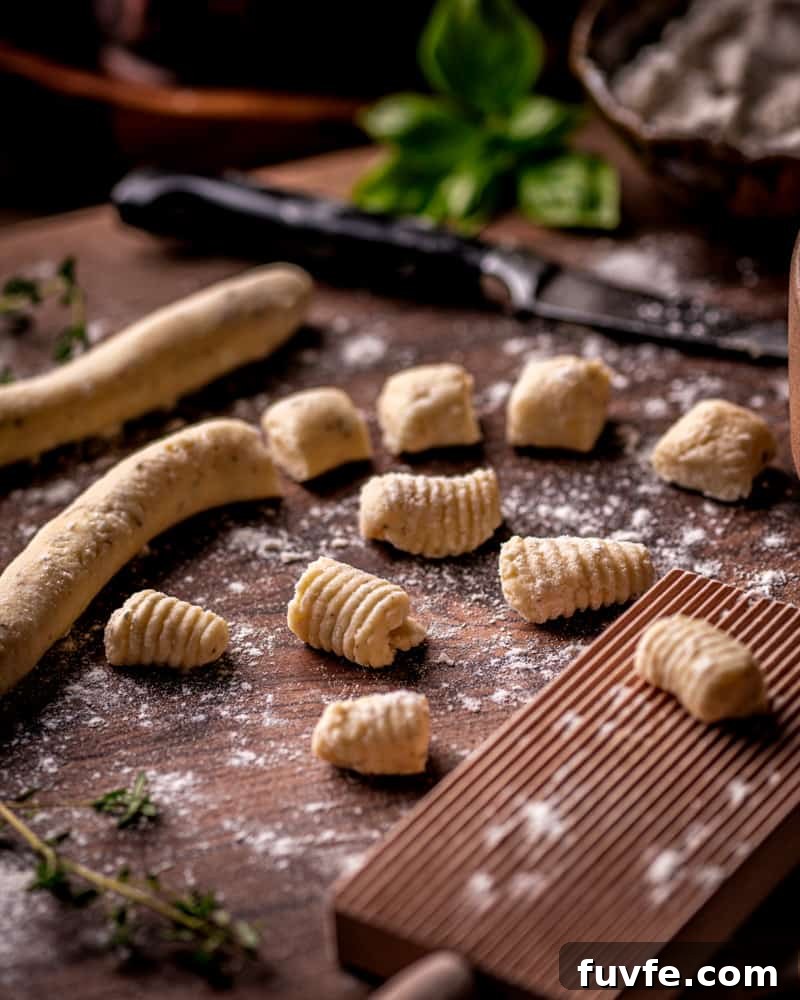
- Gnocchi board or a fork for ridges (optional)
- Bench scraper or knife
- Spider spatula or slotted spoon
A potato ricer produces uniform, airy potatoes without overworking them. If you don’t have one, a fork, masher, or tamis can work—just avoid compressing the potatoes too much. If you don’t have a gnocchi board, roll each piece over a fork to create ridges that hold sauce.
How to avoid dense, chewy gnocchi
Avoid these three common mistakes:
- Over-mashing potatoes: Overworking potatoes turns them gummy. Use a ricer or mash gently to keep the texture light.
- Adding too much flour: Extra flour is often a response to waterlogged potatoes. Prevent this by cooking potatoes whole and drying them if needed.
- Overworking the dough: Knead only until the dough comes together. Excess kneading develops gluten and makes gnocchi tough.
Can you freeze raw gnocchi?
Yes. Arrange formed gnocchi on a sheet tray in a single layer and freeze for at least one hour before transferring to a freezer bag. Cook straight from frozen—add about a minute to the cooking time.
Preparing gnocchi to cook
Place formed gnocchi on semolina-dusted sheet trays in a single layer and freeze for 30 minutes before cooking. This helps them hold their shape and makes transferring to the pot easier.
Top tips for cooking gnocchi
Use a large pot of water: Plenty of space prevents clumping. Salt the water well: Make it taste like seawater; salted water seasons the gnocchi and helps prevent sticking. Wait for a rolling boil: Stir to create a gentle whirlpool before adding gnocchi to keep them from sinking and sticking. They’re done when they float: Remove with a slotted spoon or spider spatula as soon as they rise to the surface.
Sauce pairings
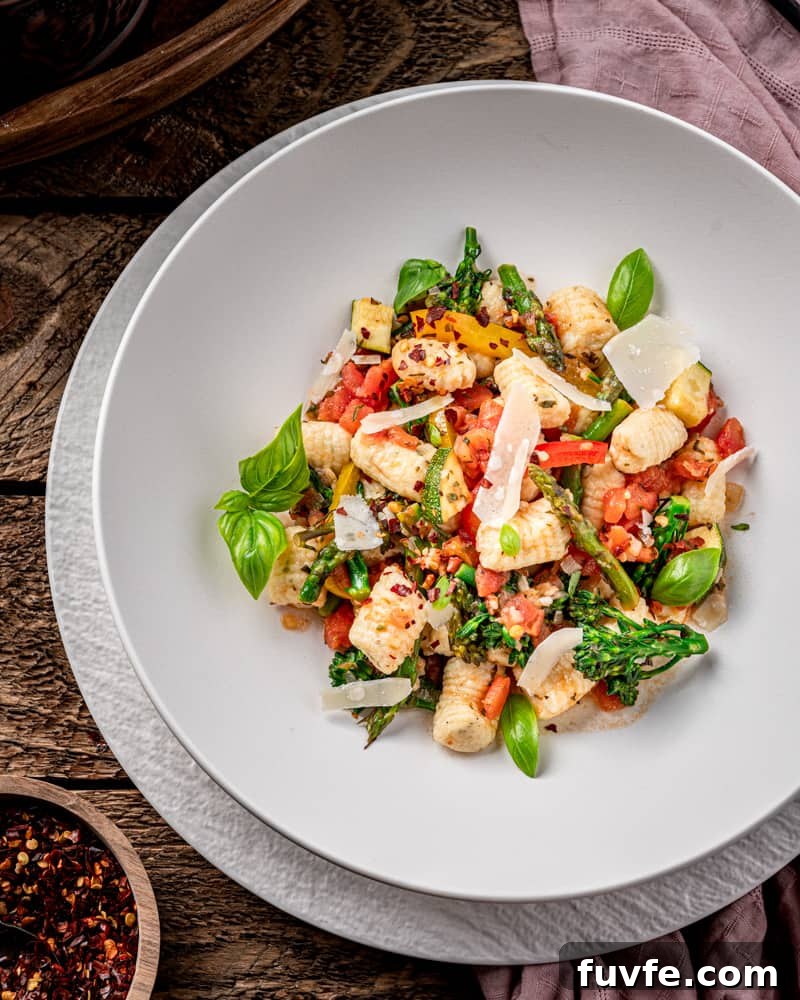
Gnocchi pairs with many sauces. Popular choices:
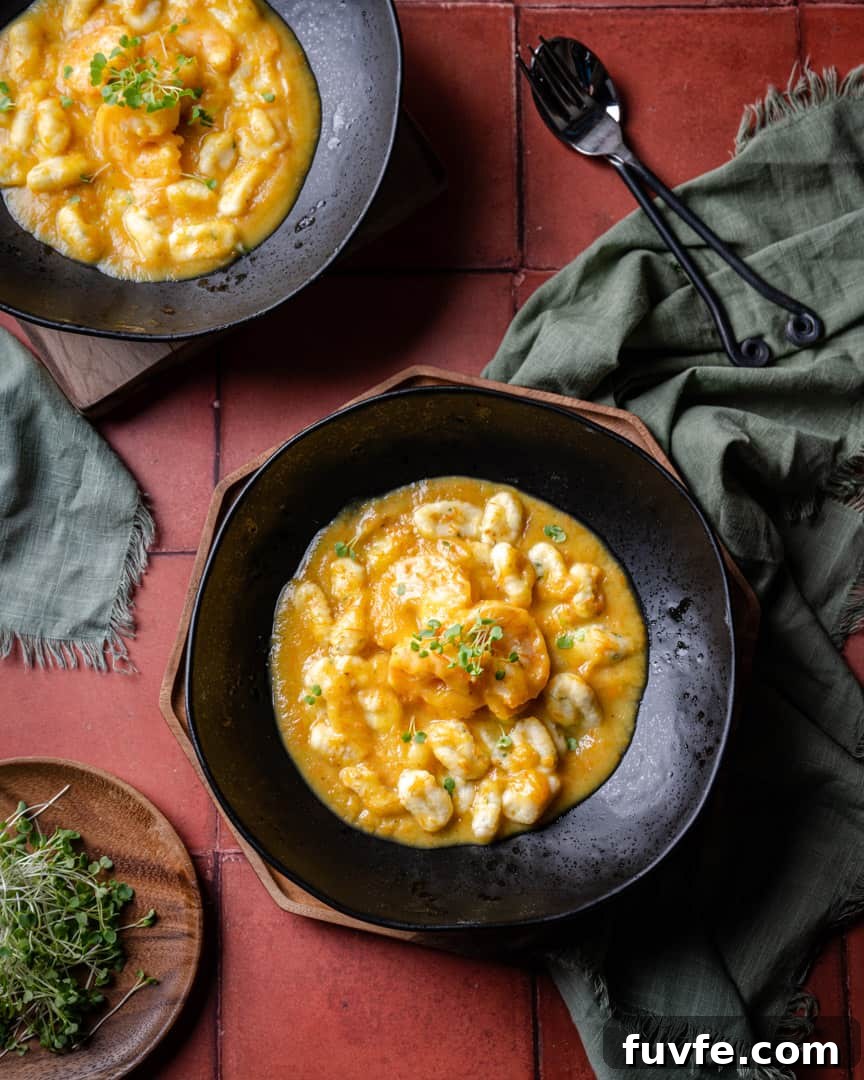
- Cream sauces: Rich mushroom, sausage, or sage-cream sauces complement the pillowy texture.
- Pesto: Basil or roasted red pepper pesto offers bright, herb-forward flavor.
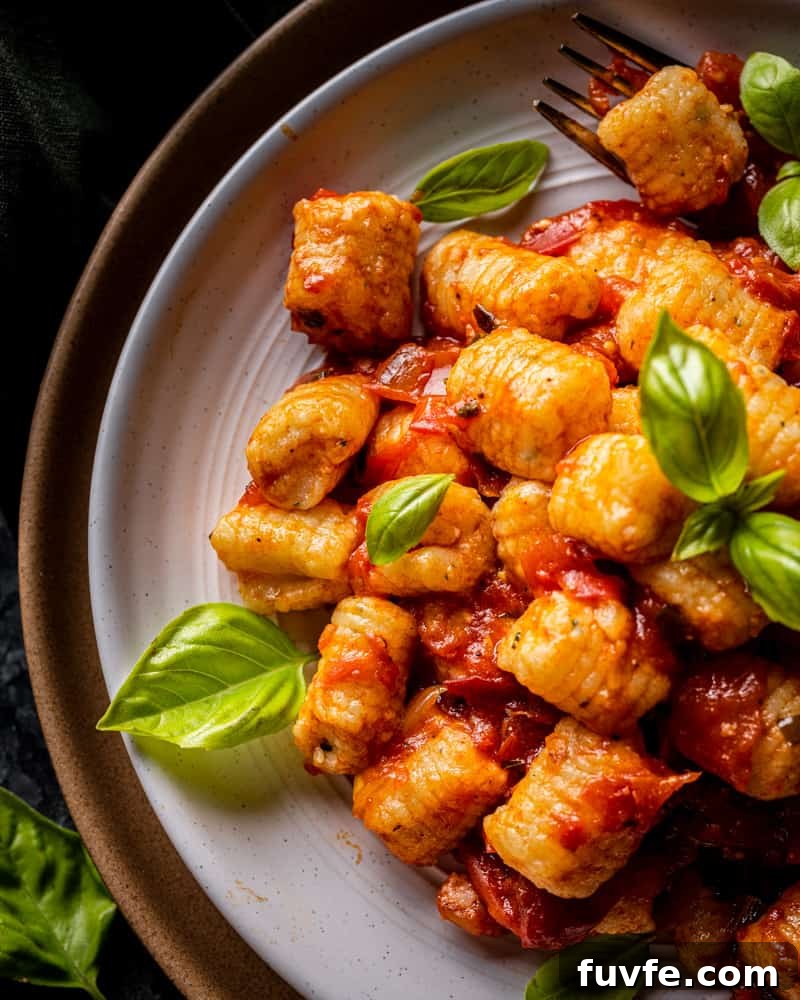
- Tomato sauce: A classic sugo or a yellow tomato sauce works well with herb gnocchi.
- Butter sauces: Brown butter with sage is a classic; try white wine lemon butter or chili butter for variation.
How to store and reheat cooked gnocchi
Store cooled leftovers in an airtight container in the refrigerator for up to five days. Reheat gently in a skillet over low to medium-low heat until warmed through to avoid breaking them down.
Recipe: How to Make Homemade Potato Herb Gnocchi
How to Make Homemade Potato Herb Gnocchi
Equipment
- Large pot to cook gnocchi
Ingredients
- 1 ⅓ lbs (600g) red-skinned or Yukon Gold potatoes of similar size
- 1 ¼ cups (156g) all-purpose flour (plus more as needed)
- 1 large egg
- 2 teaspoons kosher salt
- 1–2 tablespoons dried herbs of your choice
Instructions
Make the Gnocchi
- Add whole, unpeeled potatoes to a large pot of cold water. Bring to a boil, then reduce to a simmer and cook until fork-tender, about 40–55 minutes depending on size. Keep potatoes covered with water while cooking. Drain and let cool until manageable.
- Line a baking sheet with parchment and dust lightly with semolina or flour.
- Peel the cooled potatoes and pass them through a potato ricer into a large bowl. If you don’t have a ricer, mash gently with a fork.
- Add the flour, egg, salt, and herbs to the riced potatoes. Mix gently until combined, then turn the dough onto a lightly floured surface and knead just until it forms a cohesive mass. Don’t overwork the dough.
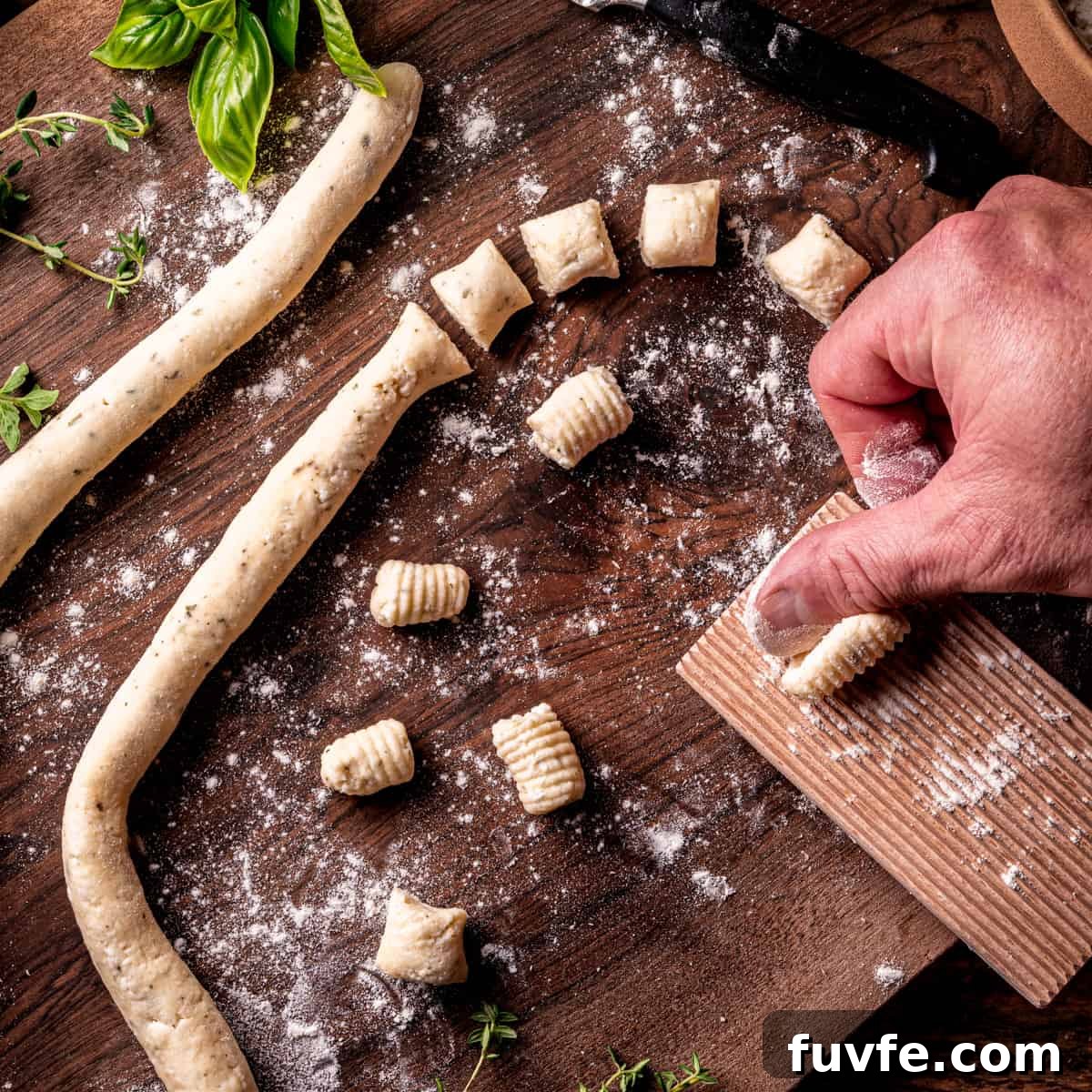
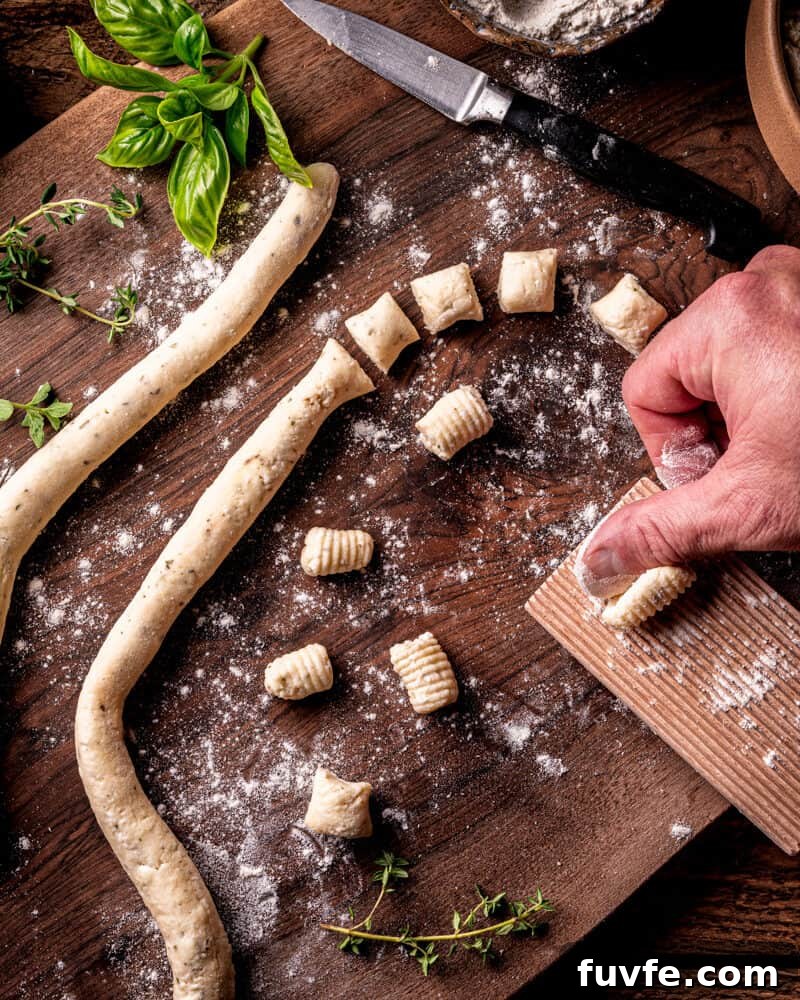
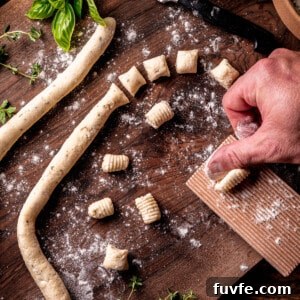
- Divide the dough into four pieces and roll each into a rope about ¾ inch (2 cm) in diameter. Cut into 1-inch (2.5 cm) pieces. Roll each piece over a gnocchi board or the tines of a fork to make ridges, or simply shape into small pillows.
- Place gnocchi on the prepared sheet tray dusted with semolina in a single layer and freeze for 30 minutes to firm. Ensure pieces are not touching.
Cook the Gnocchi
- Bring a large pot of water to a rolling boil and add salt (about ¼ cup per gallon). Stir to create a whirlpool and gently add gnocchi. Cook until they float, about 2–3 minutes. Remove with a slotted spoon or spider and toss with your sauce of choice. Serve immediately.
Nutrition
Technically yes, but freezing cooked gnocchi often leads to a mushy texture. It’s better to freeze raw formed gnocchi on a tray, then cook them straight from frozen when needed.
Ricotta-based gnocchi are often called ricotta gnocchi or gnudi. They tend to be lighter and use less flour than potato gnocchi.
Enjoy!
With a little patience and the right technique, homemade Potato Herb Gnocchi is an achievable and rewarding dish. Make a batch, try different herbs and sauces, and enjoy the fluffy results. If you try this recipe, save a photo and share your experience on your preferred social channel.