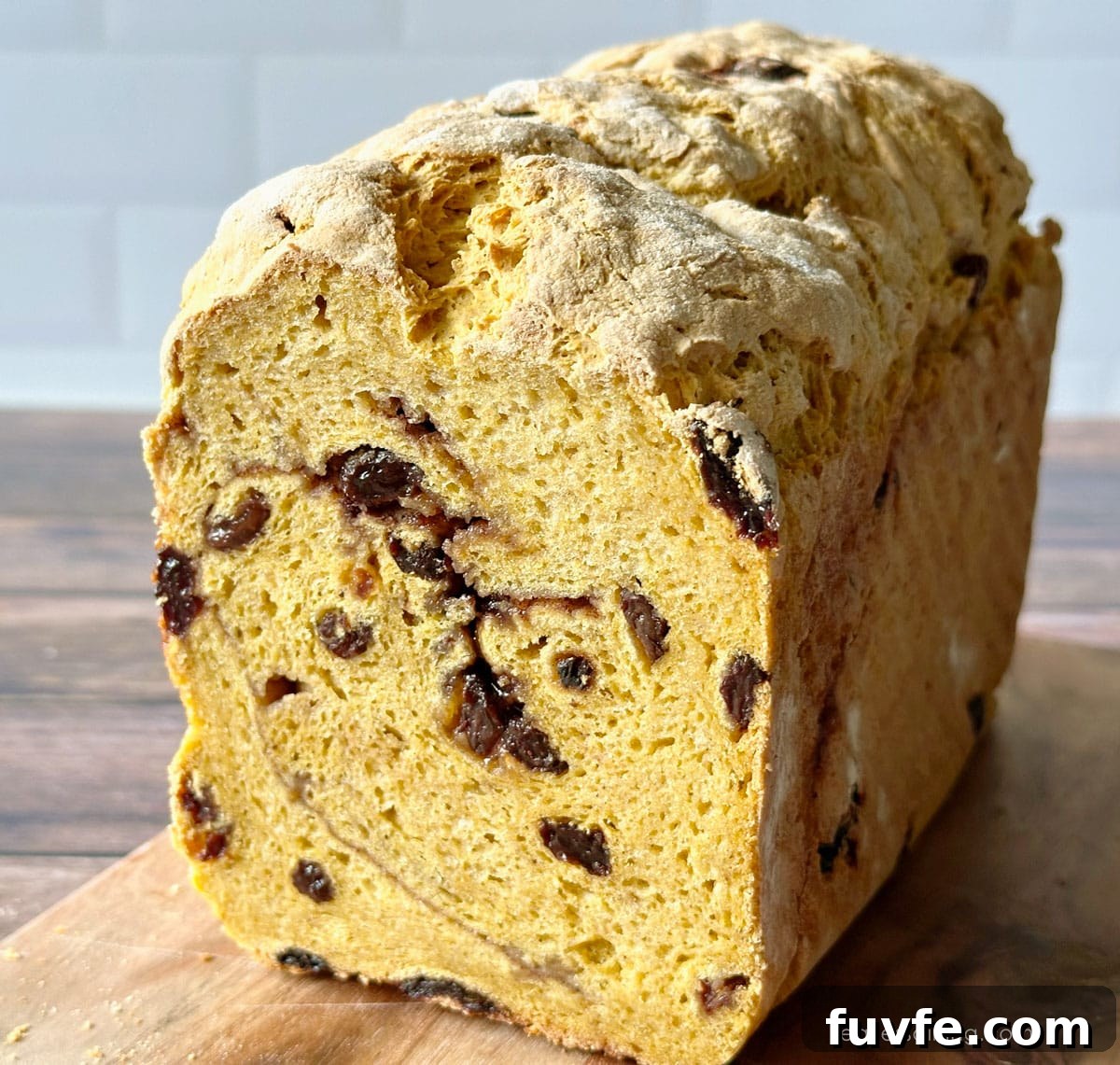
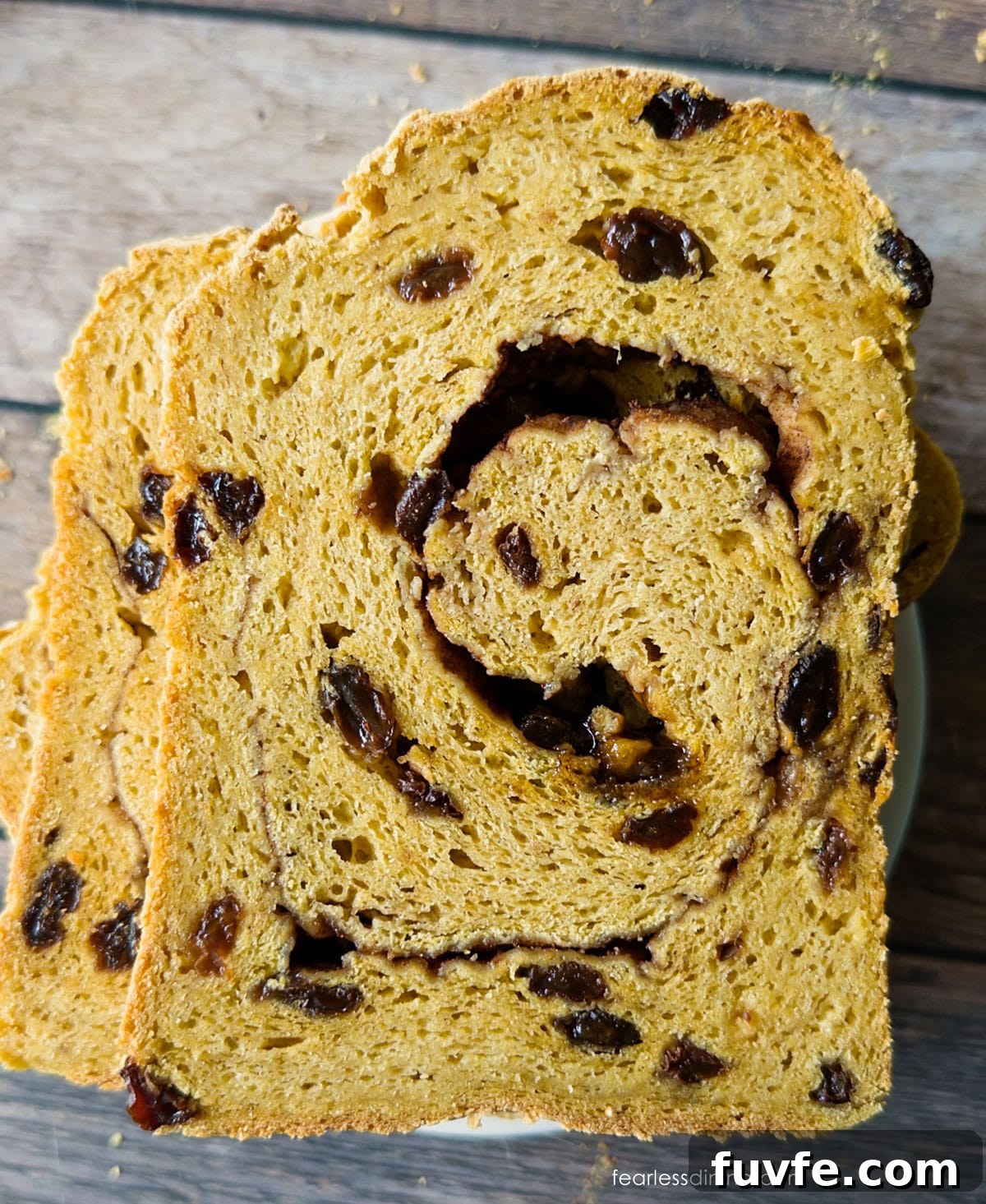
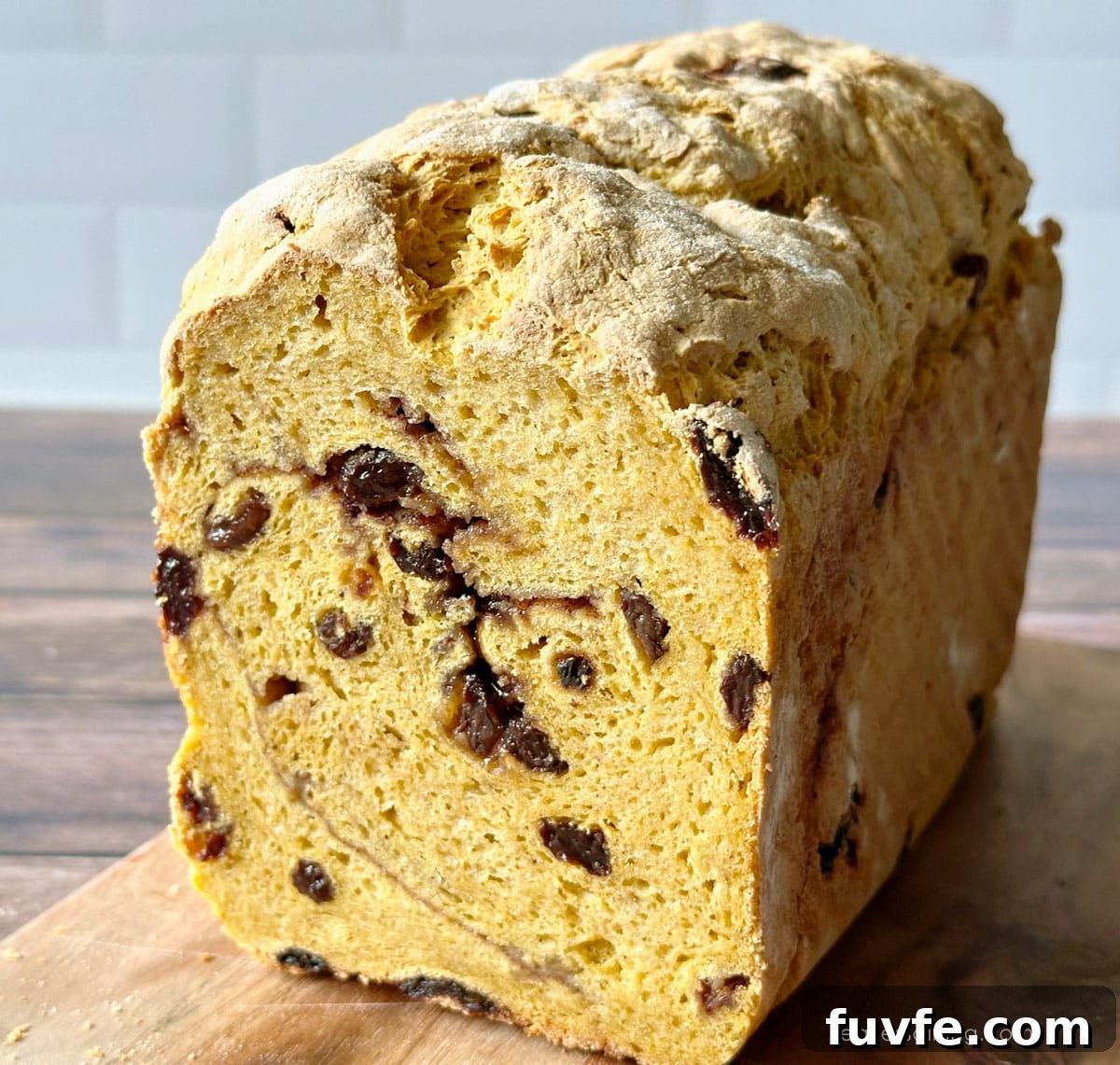
This gluten-free pumpkin raisin bread is soft, tender, and slightly sweet. It bakes into a light fluffy loaf with warm pumpkin spice notes and an optional cinnamon-brown-sugar swirl. Slice it for sandwiches or toast, or enjoy a swirled piece as a fall treat—either way the flavor is comforting and oven-fresh.
❤️ Sandi’s Recipe Summary
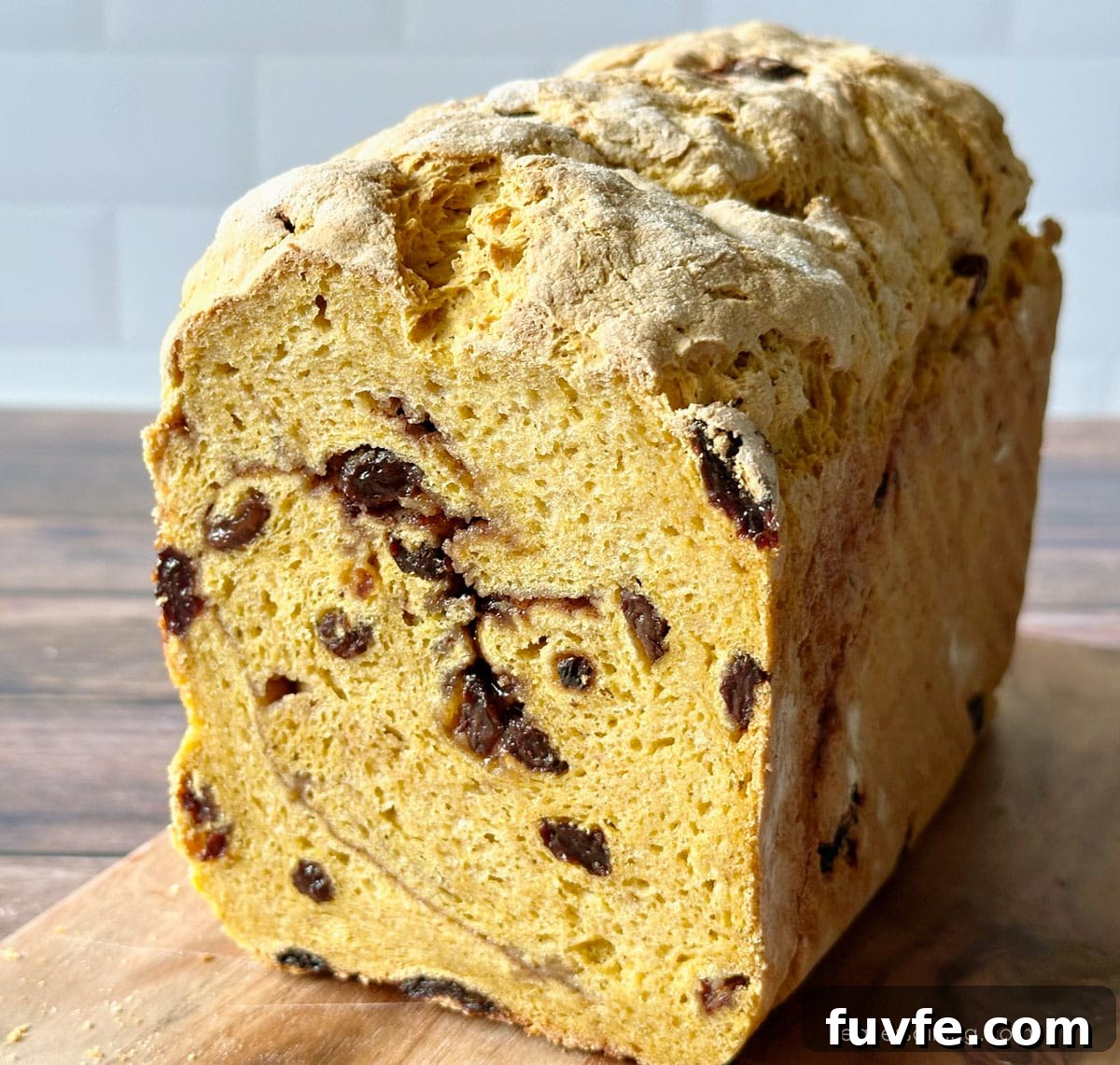
- This homemade gluten-free yeasted pumpkin bread is big and fluffy with a raisin-bread–style sweetness.
- You can add the brown sugar cinnamon swirl for extra sweetness or skip it for a milder loaf.
- The recipe is dairy-free, nut-free, and soy-free when using the allergen-free flour blend.
If you want a cozy gluten-free sandwich bread for autumn, this pumpkin raisin loaf is a great choice. It pairs classic raisin-bread sweetness with pumpkin spice for a comforting, versatile loaf. Use a gluten-free flour blend that is suitable for yeast baking (I tested both versions of Cup4Cup) and follow the yeast-baking tips below for the best rise. Pumpkin purée provides natural sugars that help feed yeast, so the dough rises beautifully—use a Pullman pan or split into two loaves to contain the rise.
Ingredient Notes and Easy Swaps:
See the recipe card below for exact ingredient amounts.
- Gluten-free flour blend – Use a blend known to work with yeast. I tested both versions of Cup4Cup; they performed similarly. Other blends may require moisture adjustments.
- Binder – If your blend lacks a binder, add 1 teaspoon xanthan gum.
- Yeast – Rapid yeast (instant) works well. Confirm your yeast is labeled gluten-free.
- Brown sugar – Light or dark both work; the swirl uses brown sugar for richness.
- Pumpkin purée – Canned pumpkin gives consistent moisture. If using roasted fresh pumpkin, add 1–2 tablespoons water to match canned consistency.
- Light oil – Avocado or any mild-flavored oil is fine.
- Purified water – Use filtered or purified water when possible; chlorine can inhibit yeast.
- Raisins – Optional but adds pleasant sweetness; swap dried cranberries if preferred.

Testing Notes From My Kitchen
Yeast loves pumpkin—during testing the dough rose dramatically but stayed contained when baked in a Pullman pan. I tested both Cup4Cup versions and they performed similarly. If you use a different blend, be prepared to adjust liquid levels; some blends need more moisture than the starchier Cup4Cup.
How to Make Gluten-Free Pumpkin Raisin Bread (Step-By-Step)
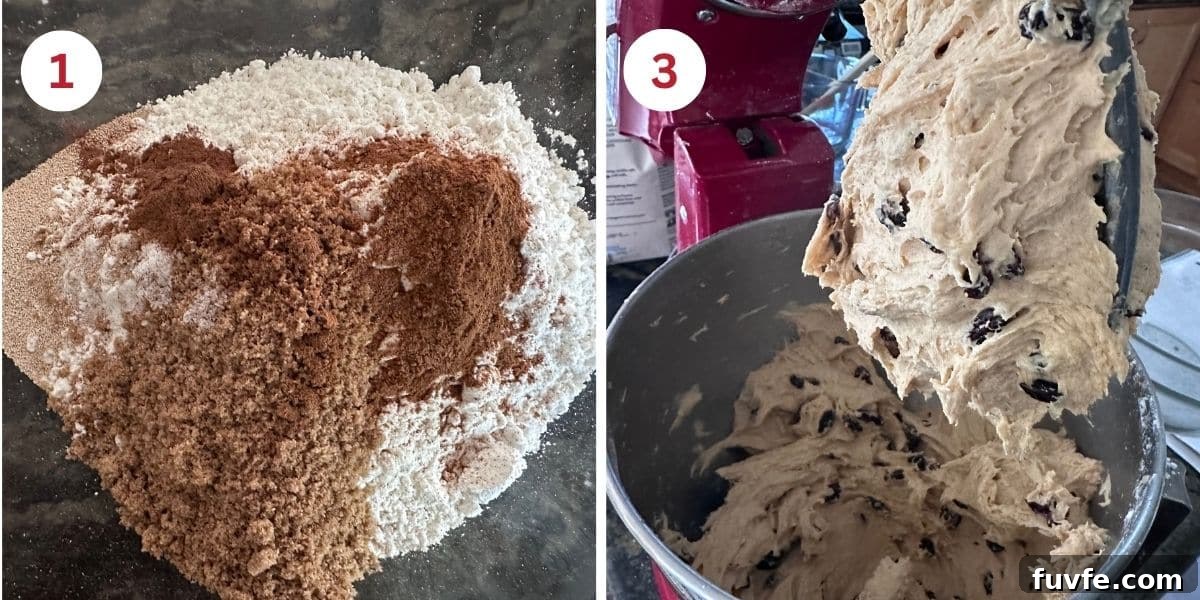
Step 1: Whisk the dry ingredients (flour blend, binder if needed, yeast, salt, and sugar) together so they are evenly combined.
Step 2: Add the wet ingredients to a stand mixer fitted with the paddle attachment and mix on medium speed for about 30 seconds. If you don’t have a mixer, you can combine by hand.
Step 3: Add the dry mix to the wet mix one cup at a time, starting the mixer on low to keep flour from flying. Add raisins, then mix on high for 1 minute. The dough should pull away from the bowl sides.
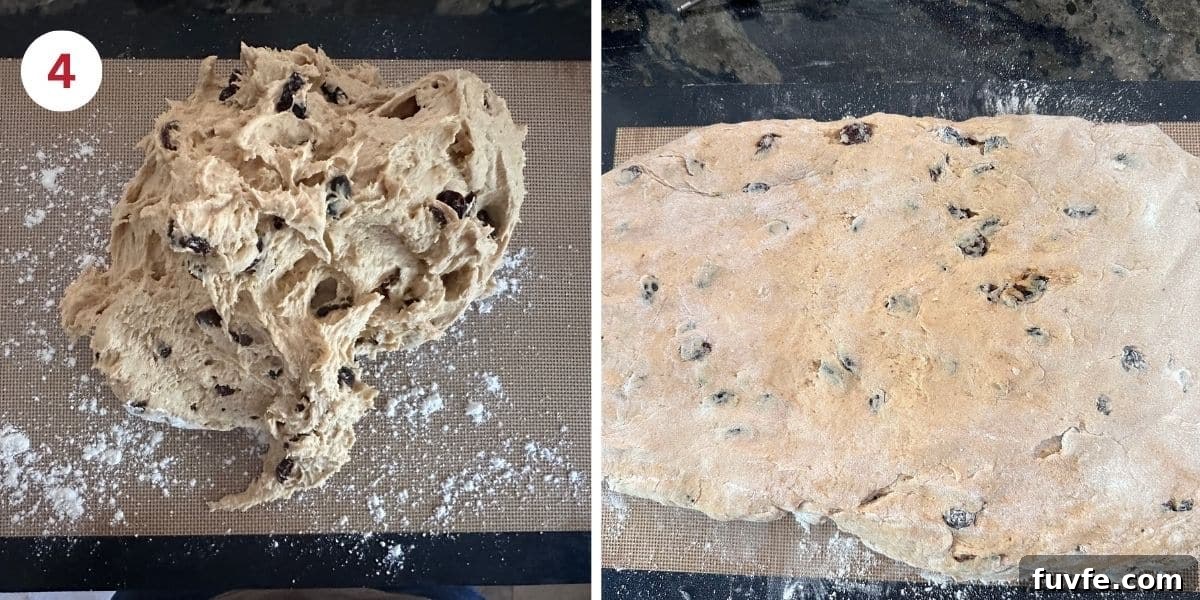
Step 4 (for swirl): If adding the cinnamon swirl, dust a silicone mat with flour and turn the slightly sticky dough onto it. Flatten the dough into an oval roughly 1½ inches thick and the same width as your Pullman pan—this dough rises a lot, so use a Pullman pan or split into two loaf pans.
👀 Sandi Says: If you skip the cinnamon swirl, line the Pullman pan with parchment and shape the dough directly into the pan.
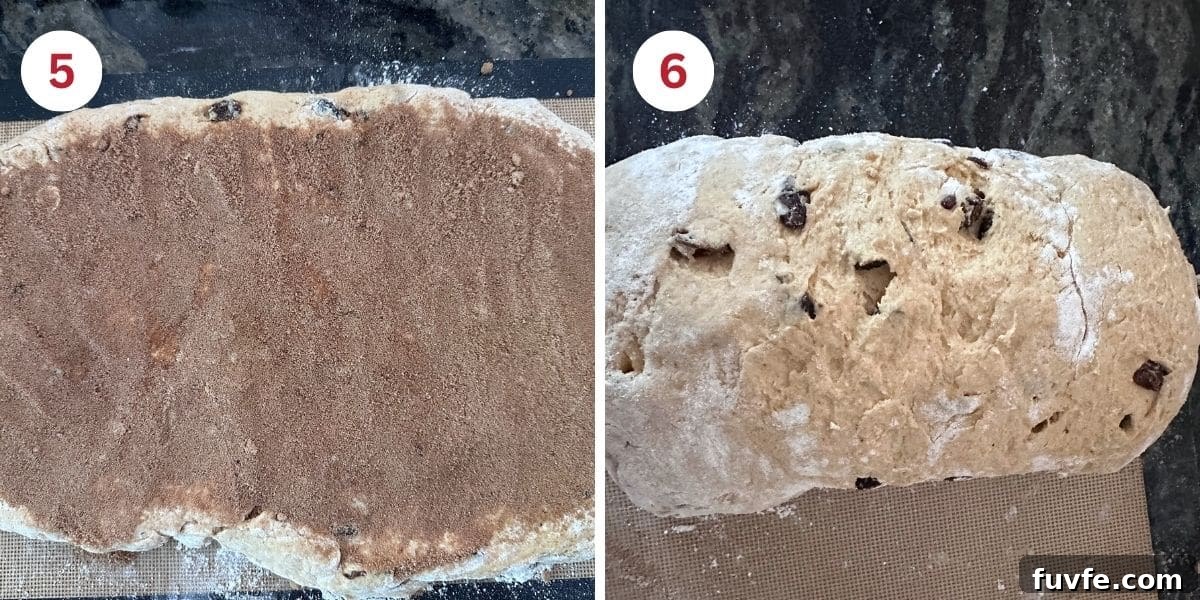
Step 5: Mix brown sugar and cinnamon and spread it evenly over the dough, pressing lightly so it adheres.
Step 6: Roll the dough tightly into a log. Use a dough scraper if it sticks to the mat.
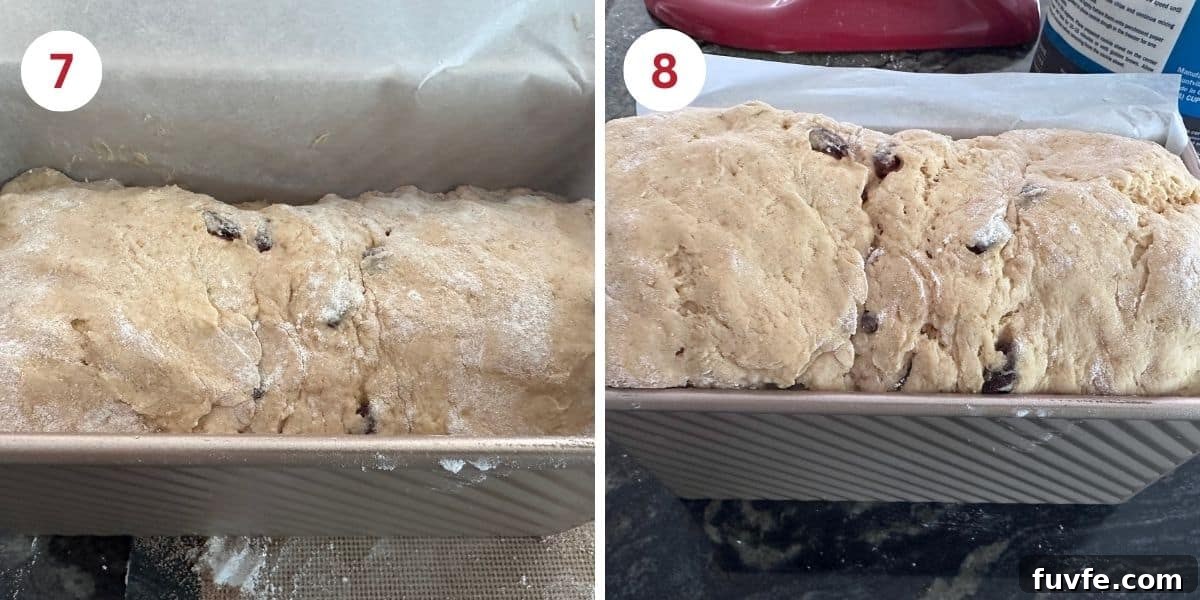
Step 7: Line the Pullman pan with parchment, place the rolled dough inside, cover loosely with plastic wrap, and let it rise in a warm spot until roughly doubled. One easy method is to preheat your oven to 175°F, put the covered loaf inside, and leave the oven door cracked while it rises.
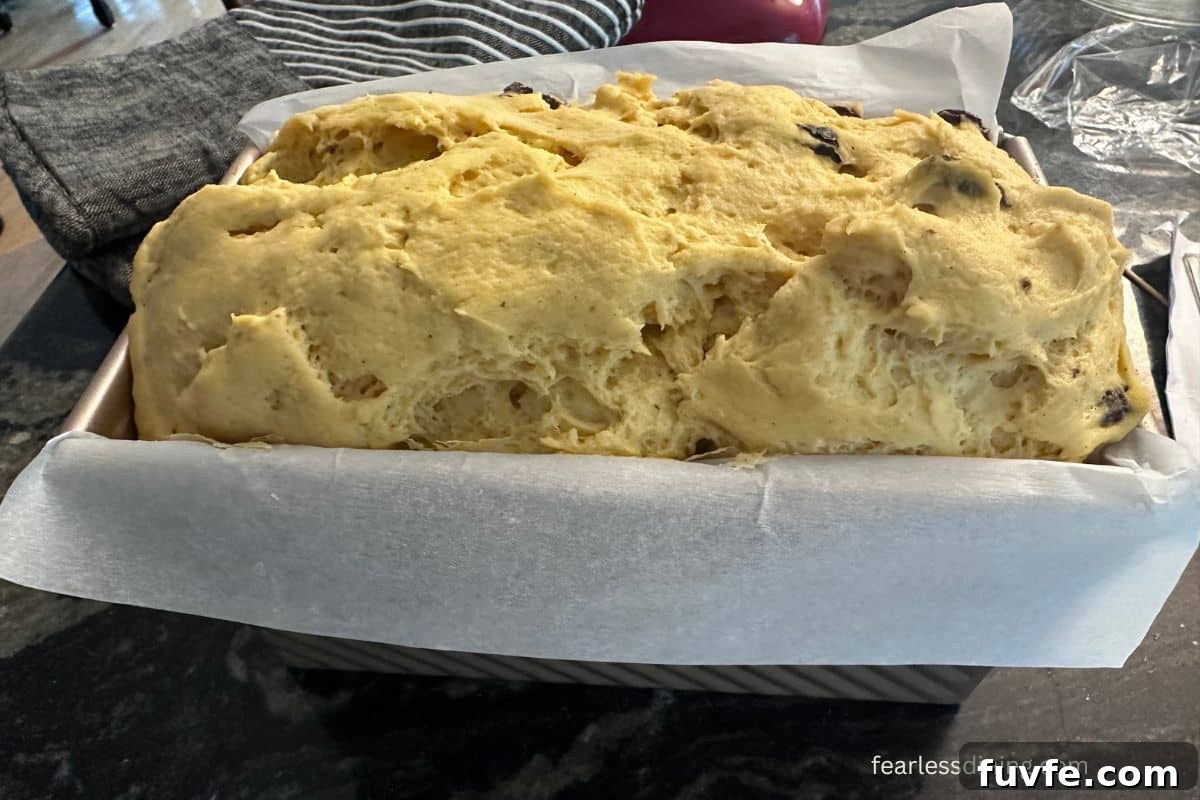
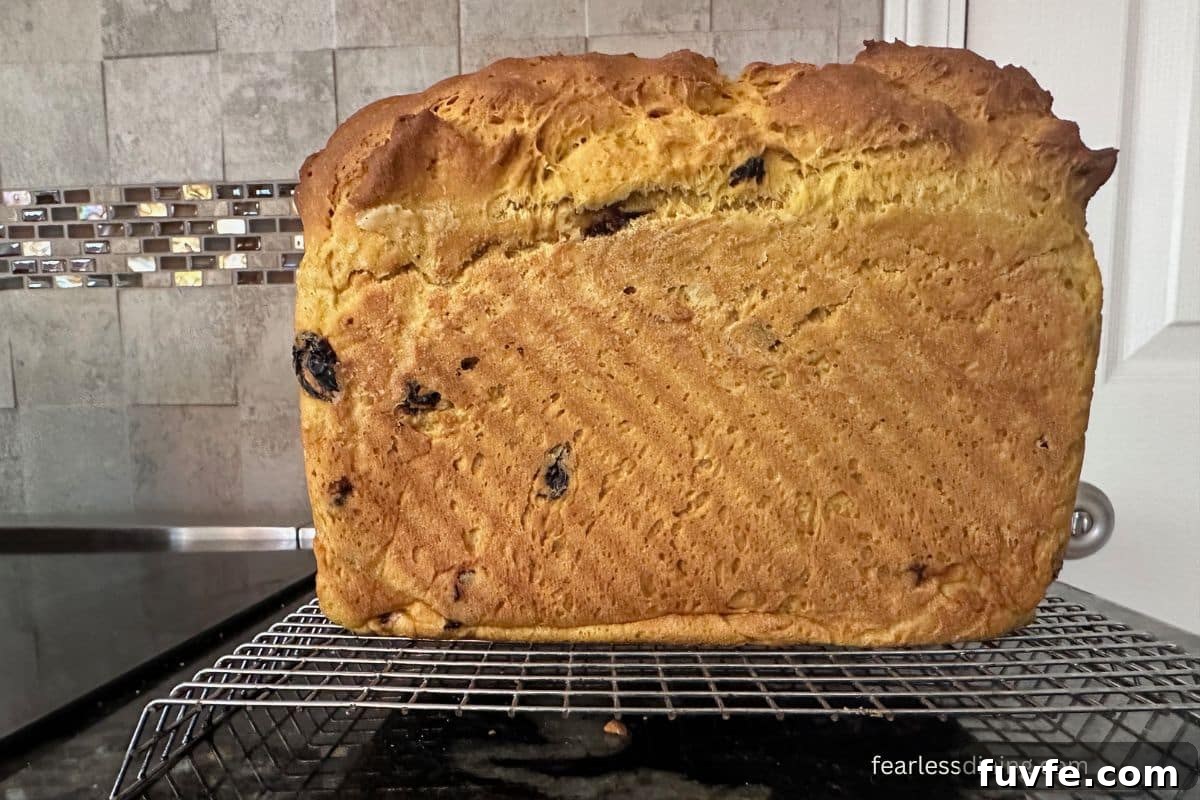
Bake at 350°F until golden and fully cooked through, about 40–50 minutes; the loaf should sound hollow when tapped. Allow the bread to cool completely before slicing.
Tips For Success:
Gluten-free yeast baking requires the right flour blend and attention to moisture and temperature. Common pitfalls arise from using blends that aren’t formulated for yeast. Keep these tips in mind:
- Rise in a warm, draft-free spot; rising time changes with kitchen temperature.
- Use a Pullman loaf pan or split the dough into two pans to prevent overflow—this dough expands significantly.
- Check yeast freshness before baking.
Frequently Asked Questions:
Slice and freeze for best shelf life—gluten-free bread stales faster than wheat bread. Toast or microwave slices to thaw before serving.
Yes. Canned sweet potato works well and adds a touch more sweetness.
Yes. Omit the raisins or substitute dried cranberries if preferred.
More Gluten-Free Sandwich Bread Recipes:
Explore additional recipes for reliable gluten-free loaves, including bread machine and whole-grain options. This recipe adapts well for sandwich-making and toastable slices.
- The Best Gluten-Free Bread Machine Bread
- Easy Gluten-Free Buckwheat Bread
- Gluten-Free Whole Grain Bread
- Fluffy Gluten-Free Hawaiian Bread
- Gluten-Free Sourdough Sandwich Bread
Gluten-Free Pumpkin Raisin Bread (Fluffy Yeasted Bread!)
Ingredients
- 4 ½ cups gluten free flour blend * SEE NOTES
- 2 ¼ teaspoons rapid yeast (1 packet)
- ⅓ cup brown sugar
- ½ teaspoon salt
- 1 ½ cups warm purified water
- 7.5 ounces pumpkin puree
- ¼ cup light oil
- 2 large eggs
- 1 ½ teaspoons pumpkin pie spice
- ½ teaspoon ground cinnamon
- ½ cup raisins (optional)
- ½ cup brown sugar
- 1 teaspoon ground cinnamon
Equipment
- Stand mixer (or large bowl and strong hands)
- Pullman loaf pan (or two standard loaf pans)
- Parchment paper
Method
- Whisk together the gluten-free flour blend, binder (if needed), yeast, salt, and sugar in a large bowl so the dry ingredients are evenly combined.
- Add the wet ingredients to a stand mixer with a paddle attachment and blend on medium for 30 seconds. Alternatively, mix by hand.
- Add the dry ingredients one cup at a time, starting the mixer on low to prevent flour from flying. Add raisins, then mix on high for 1 minute. The dough should pull away from the bowl sides.
- If not adding a swirl, line a Pullman pan with parchment and place the dough in the pan.
- Dust a silicone mat with flour and turn the slightly sticky dough onto it; flour as needed to make it workable.
- Flatten the dough into an oval about 1½ inches thick and the same width as the Pullman pan.
- Mix brown sugar and cinnamon and spread evenly over the dough, pressing lightly.
- Roll the dough tightly into a log and place the rolled dough into the prepared Pullman pan.
- Cover loosely and let rise in a warm spot until roughly doubled. A low oven (about 175ºF) with the door cracked works well.
- Bake at 350ºF until golden and baked through, about 40–50 minutes. The loaf should sound hollow when tapped. Cool completely before slicing.
Notes
- I tested both versions of Cup4Cup (the allergen-free blend and the one with milk powder) and both worked well. If you use a different blend, adjust moisture as needed.
- Use a flour blend that specifies it performs well with yeast; if the bag doesn’t say, check the manufacturer’s site.
- Store sliced bread in the freezer; gluten-free loaves stay fresher when frozen and can be toasted or microwaved from frozen.