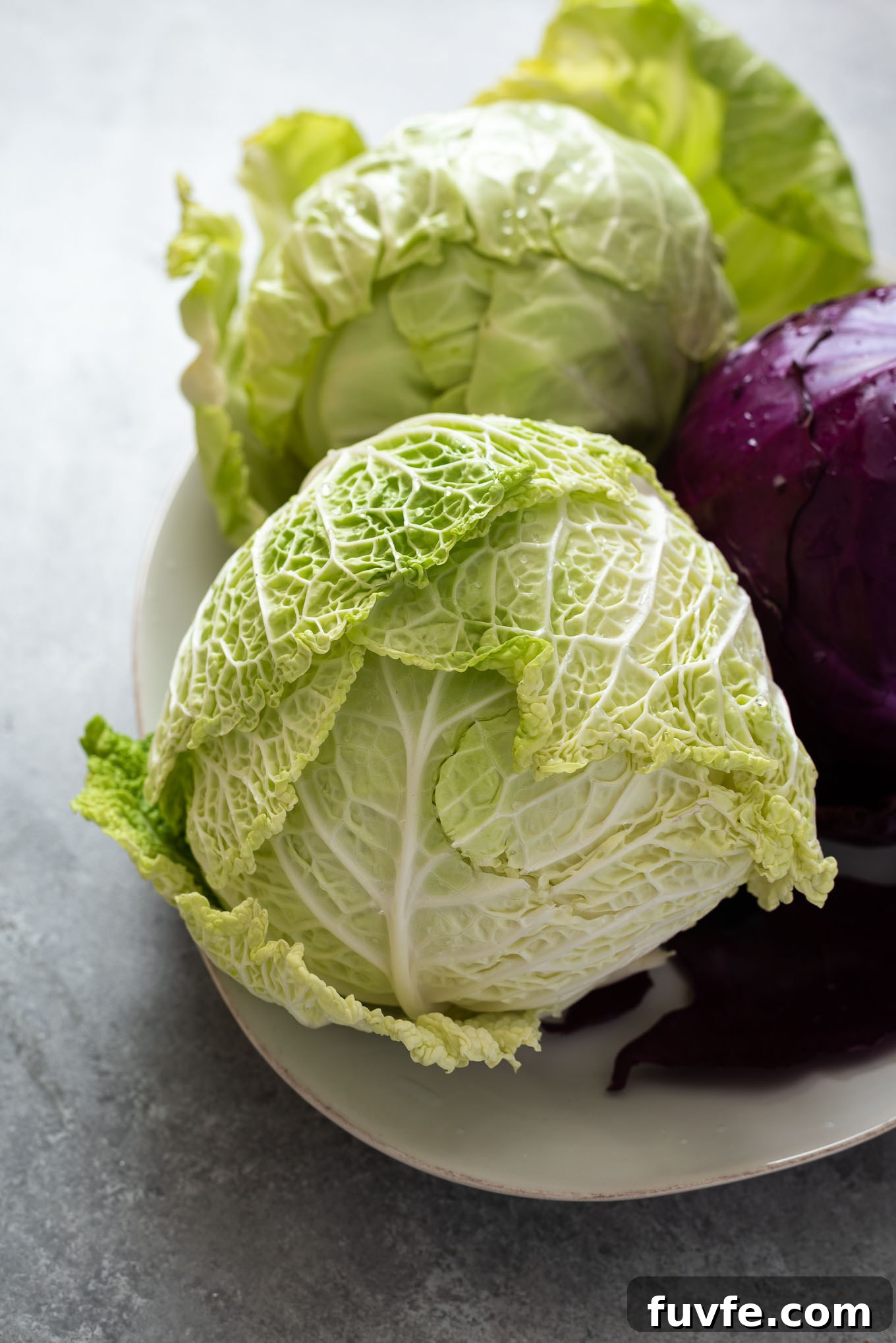
Cabbage is one of the most versatile and budget-friendly vegetables to keep in your kitchen, yet it’s often underestimated. From crisp salads and quick stir-fries to hearty soups and comforting casseroles, cabbage adapts to many cooking styles and flavor profiles. This guide explains practical ways to cook cabbage, offers simple preparation tips, and shares recipe ideas to help you use this nutritious, inexpensive ingredient more often.
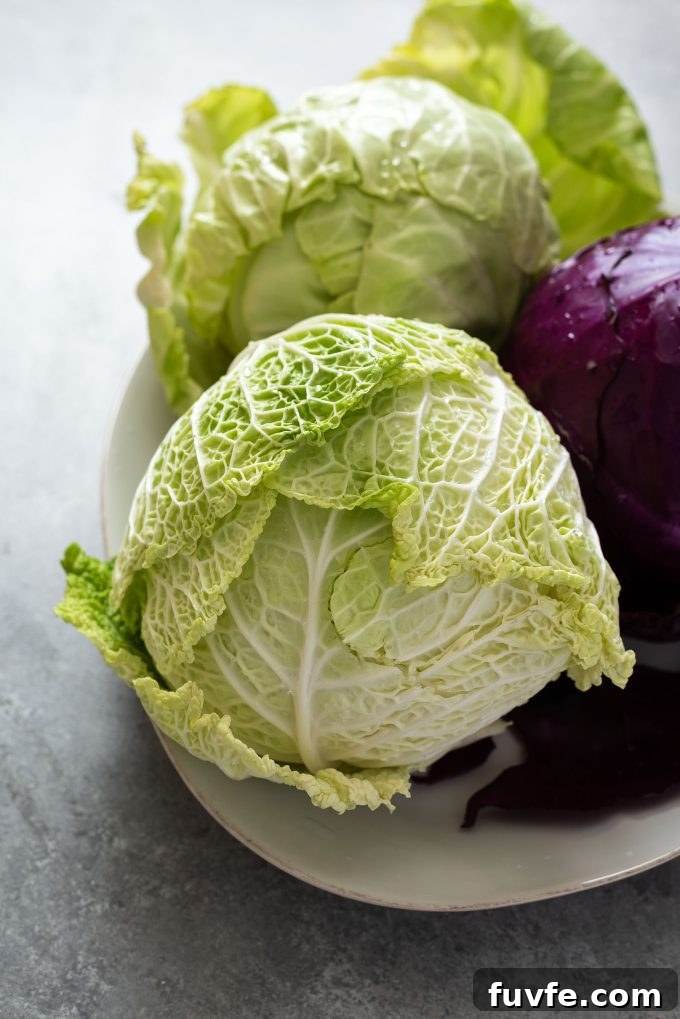
How to use cabbage
Cabbage is incredibly adaptable. While many people reach for it only when making coleslaw or corned beef and cabbage, it can play many roles across meals and cuisines. It’s affordable, stores well, and can be prepared in ways that range from light and refreshing to rich and cozy.
Common uses include:
- Tossed into fresh, crunchy salads and slaws.
- Simmered in soups, stews, and brothy dishes.
- Cooked into classic comfort meals such as braised cabbage or corned beef and cabbage.
- Sautéed or roasted as a simple side that develops sweet, caramelized notes.
- Added to quick, one-pan dinners like stir-fries and skillet casseroles.
Because it’s inexpensive and widely available, cabbage is an excellent pantry staple for everything from weekday dinners to make-ahead meal prep.
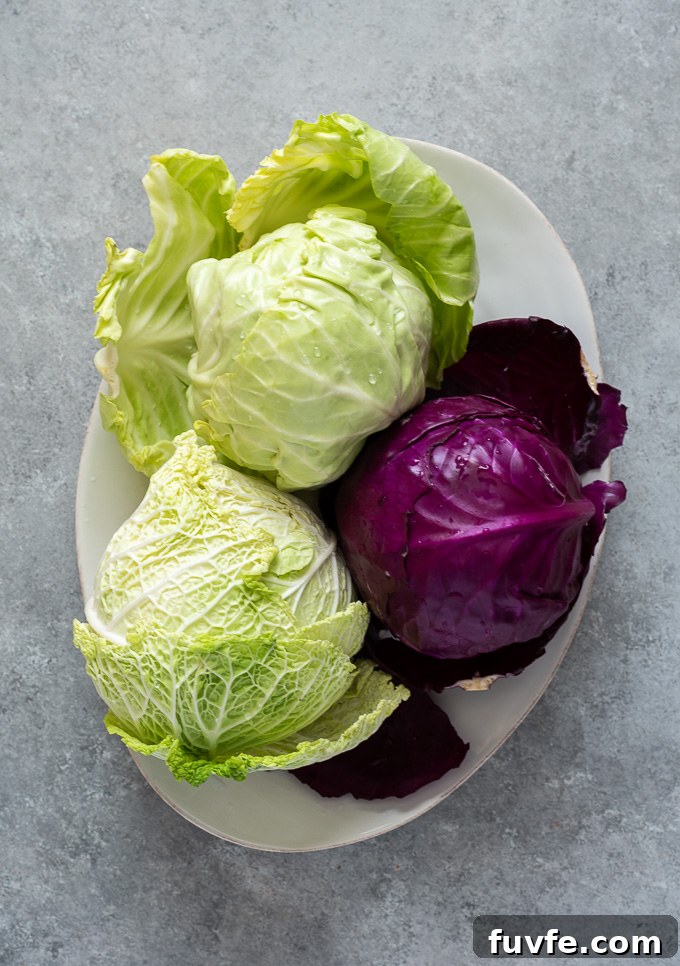
How to cook cabbage (simple methods)
Cabbage cooks well using many techniques. Choose a method based on the texture and flavor you want:
- Sautéing: Quick and simple. Thinly sliced cabbage tossed in oil or butter becomes tender with lightly caramelized edges and a naturally sweet flavor. Add onions, garlic, or bacon for extra depth.
- Roasting: High heat transforms thick wedges or slices into crisp-edged, deeply flavored pieces. Roasting intensifies natural sweetness and makes a satisfying side.
- Simmering: Ideal for soups and stews. Simmered cabbage softens and absorbs the cooking liquid’s flavors, making it perfect for hearty, warming bowls.
- Braising: Slow-cooked in broth or a seasoned liquid, braised cabbage becomes meltingly tender and richly flavored. This technique works well with pork, beef, or smoked meats.
Season simply with salt and pepper for everyday meals, or add vinegar, mustard, soy sauce, or spices to create different flavor profiles.
Choosing and storing cabbage
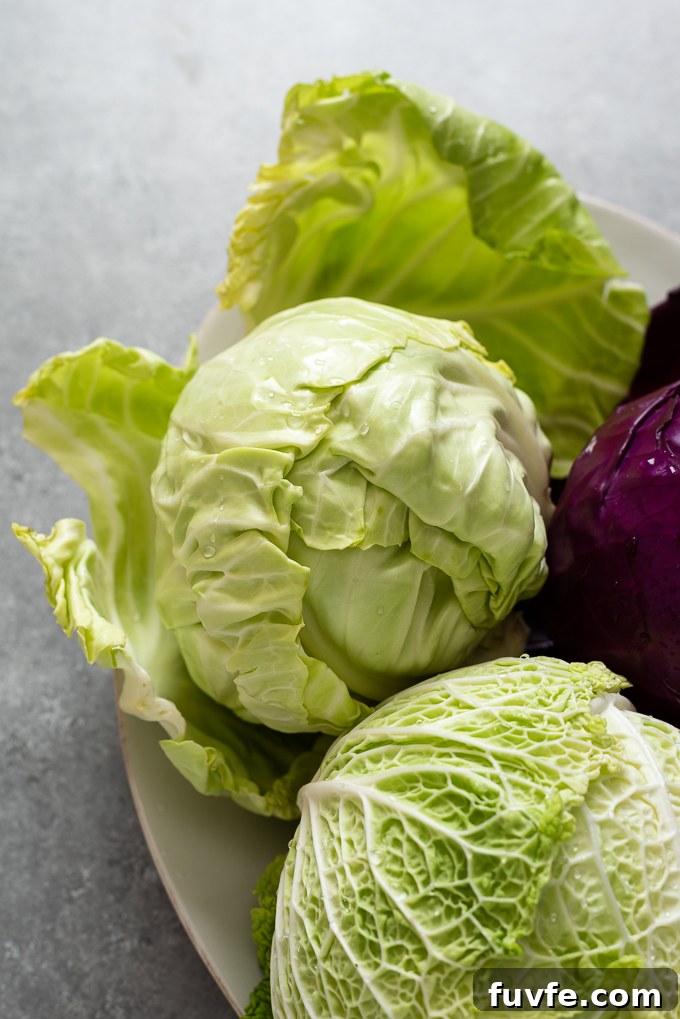
Pick a head that feels firm and heavy for its size, with crisp, bright outer leaves free from large bruises or discoloration. Different varieties—green, red, Napa, and Savoy—offer slightly different textures and flavors, but the selection rules are the same.
Storage tips:
- Keep a whole head uncut in a loose plastic bag in the refrigerator crisper for up to 5–7 days for best texture and flavor.
- After cutting, wrap remaining cabbage tightly in plastic wrap or place it in an airtight container and use within 2–3 days.
- If you want to freeze cabbage, blanch it briefly, cool it completely, then freeze in airtight containers or bags. Note that freezing changes the texture, so frozen cabbage is best used in cooked dishes rather than salads.
Proper storage preserves flavor and reduces waste, helping you get the most out of every head.
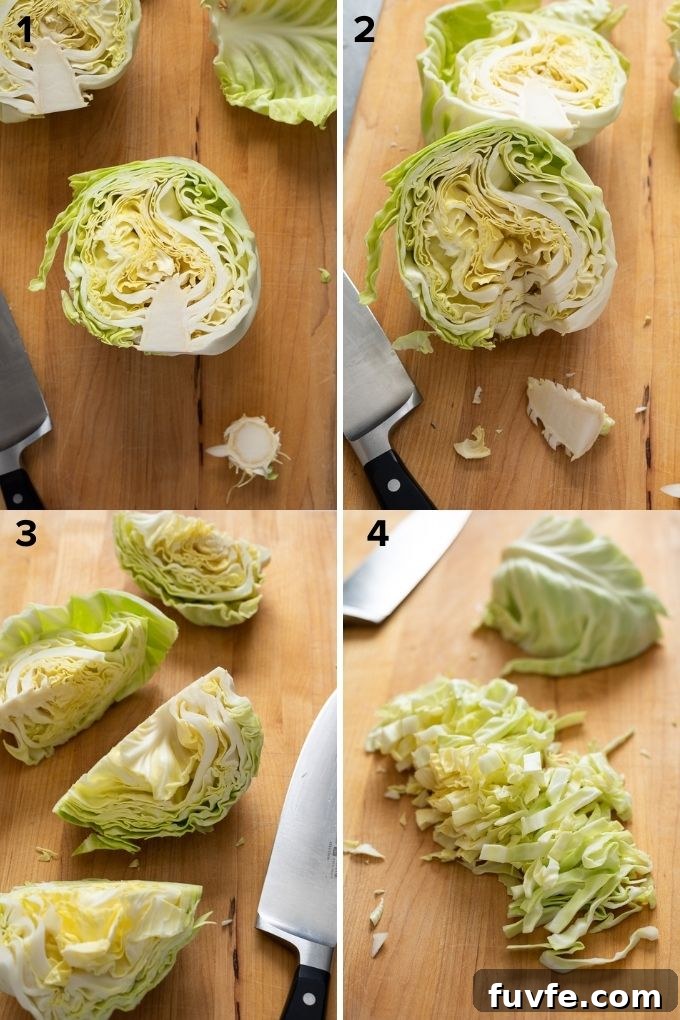
How to cut cabbage
Cutting cabbage is quick and straightforward. Follow these steps for wedges, strips, or finely shredded cabbage:
- Remove the stem and cut the head in half: Stand the head upright and slice top to bottom. Removing the stem first makes the halves easier to manage.
- Remove the core: Cut a triangular wedge around the core and pull it out or trim it away with a paring knife.
- Cut into wedges: Place each half cut-side down and slice into quarters for wedges that roast or braise well.
- Slice into strips: For slaws or sautéing, lay a wedge cut-side down and slice into thin strips across the grain.
Cabbage recipes
Below are a selection of easy cabbage recipes that showcase how flexible this vegetable can be—perfect for salads, soups, mains, and sides.
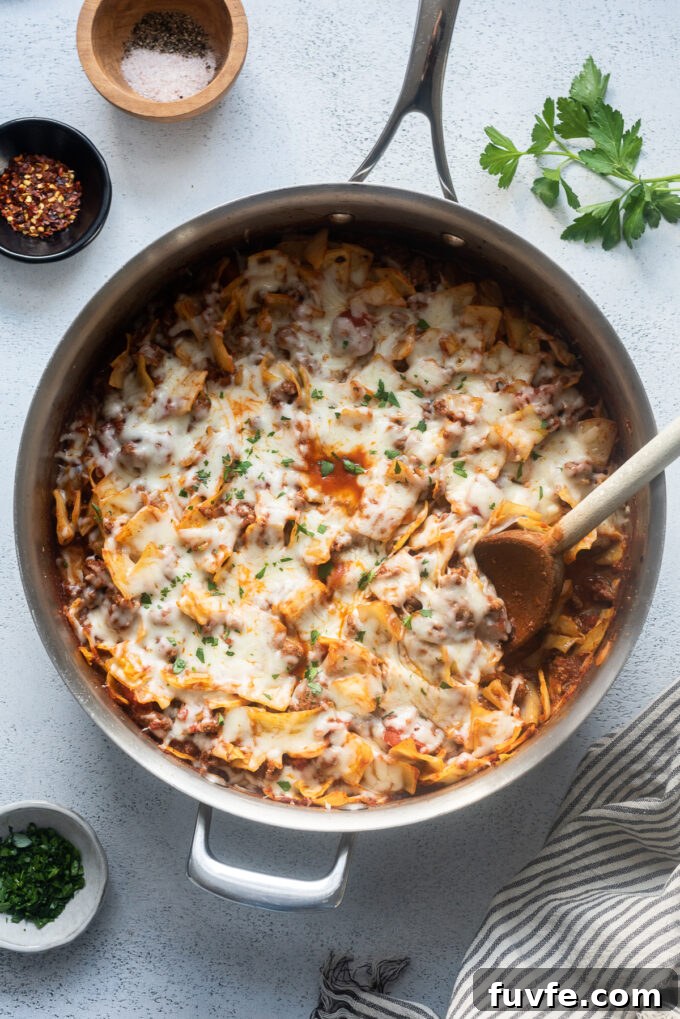
Cabbage and Ground Beef Casserole
An easy one-pot dinner that’s low carb and ready in about 30 minutes. Satisfying, simple, and family-friendly.
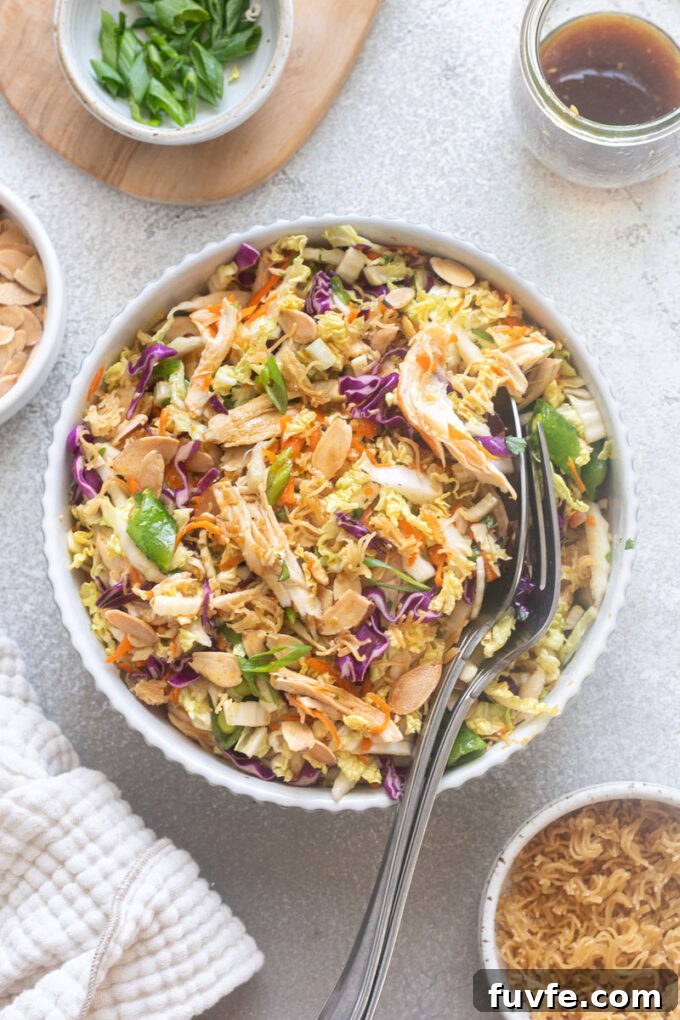
Chinese Chicken Salad with Ramen Noodles
A crisp salad featuring Napa and purple cabbage, shredded chicken, sesame-ginger dressing, and crunchy toasted ramen and almonds.
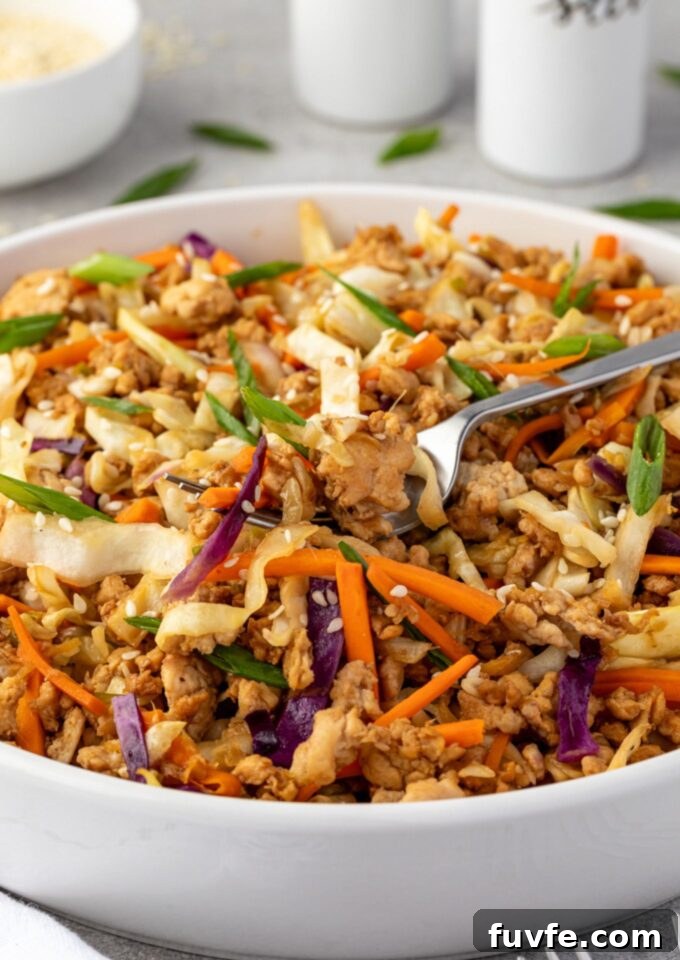
Egg Roll in a Bowl
A low-carb, high-protein skillet meal that captures the flavors of an egg roll without the wrapper. Ready in 30 minutes and packed with vegetables.
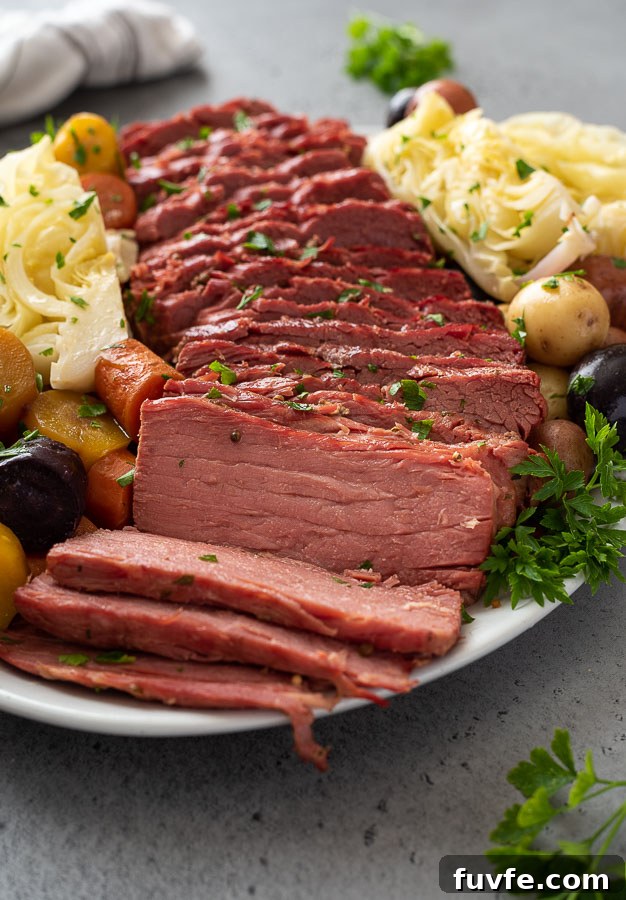
Corned Beef and Cabbage
A classic dish that can be made low and slow in a slow cooker or quickly in a pressure cooker. Hearty and comforting.
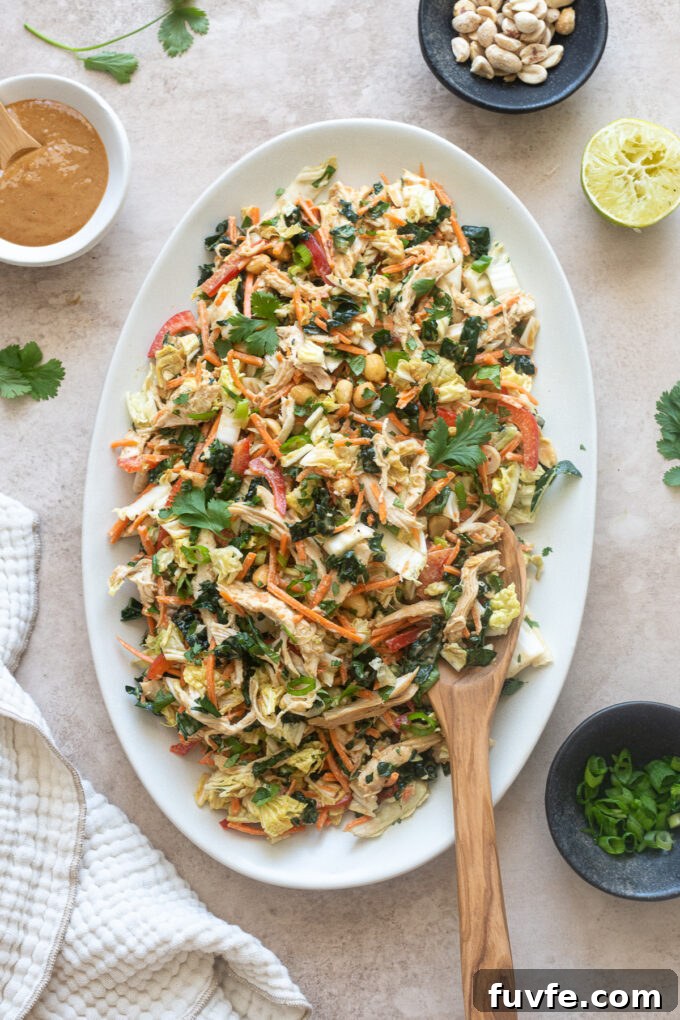
Thai Chicken Salad
Packed with protein and crunchy vegetables, tossed in a peanut-style dressing for bold, satisfying flavor.
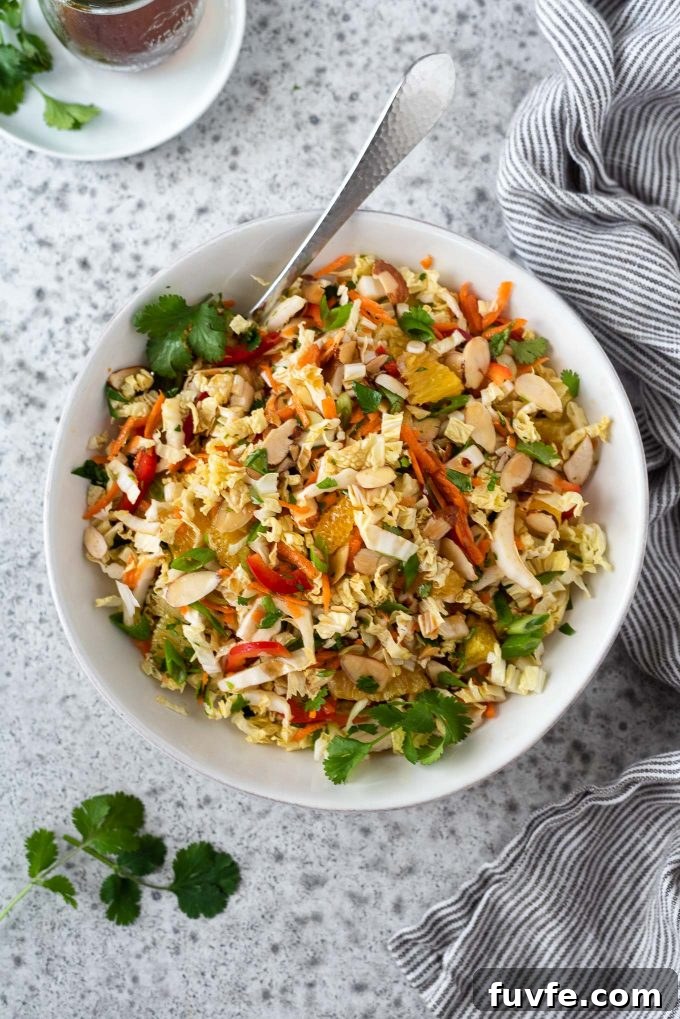
Napa Cabbage Salad with Asian Dressing
A crisp, vegan-friendly salad tossed in a sweet-savory Asian dressing—perfect as a side or light main.
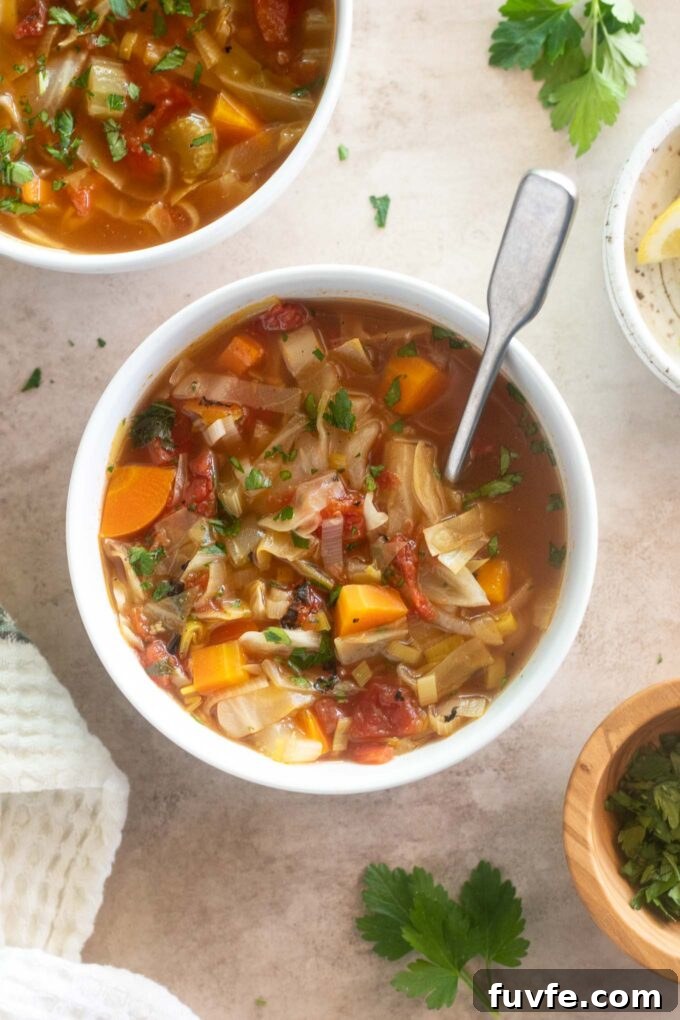
Cabbage Soup
A comforting, veggie-packed soup that’s naturally gluten-free and vegan-friendly—great for meal prep and light dinners.
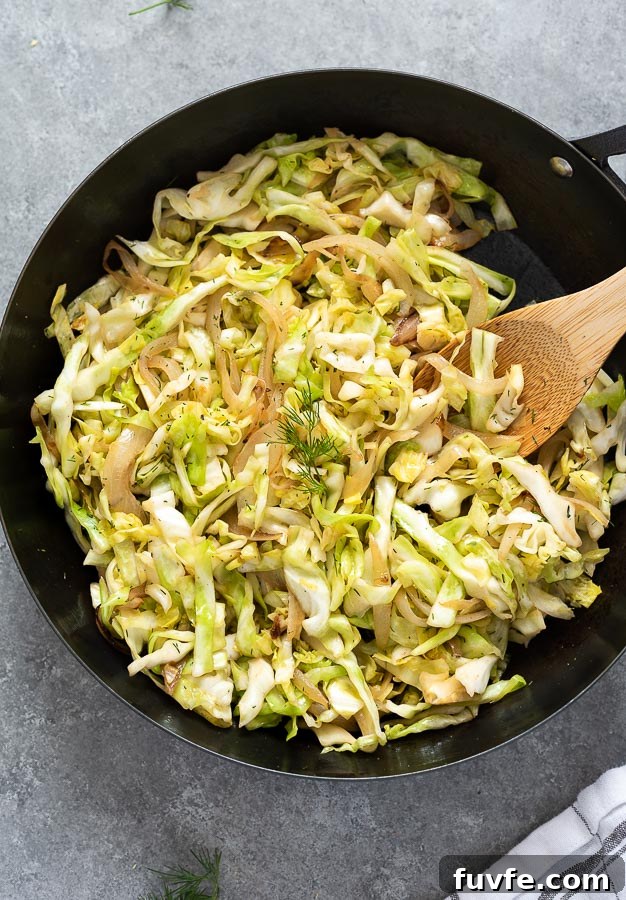
Simple Sautéed Cabbage
Caramelized cabbage and onions make a quick, flavorful side dish that pairs with many proteins and mains.
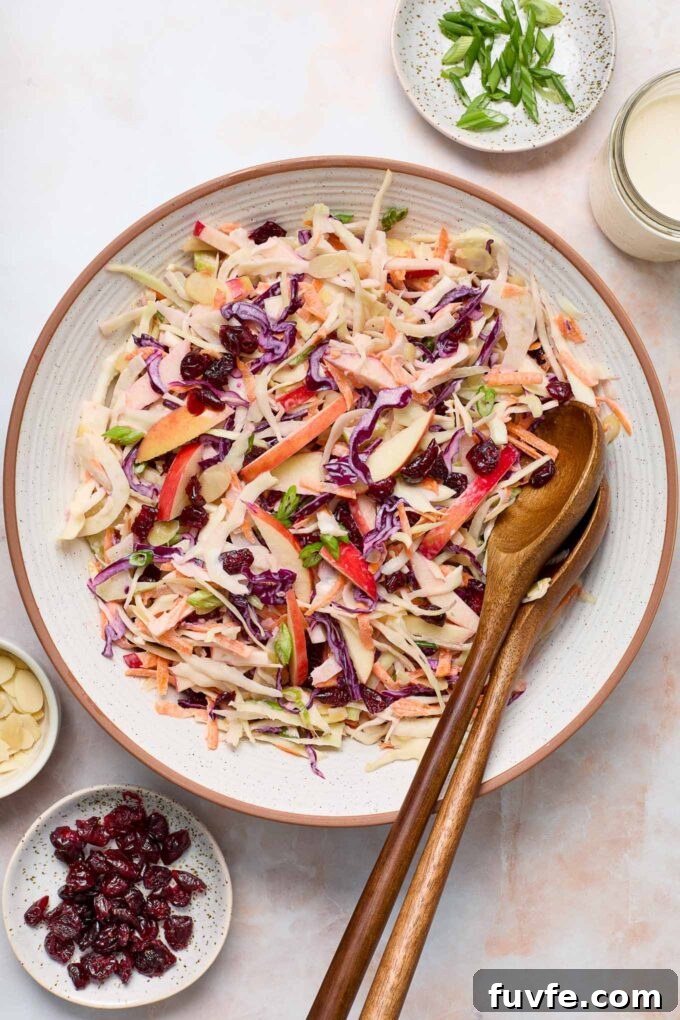
Fennel and Apple Slaw
A crunchy, sweet-and-savory slaw tossed in a creamy, tangy dressing—great for picnics and potlucks.
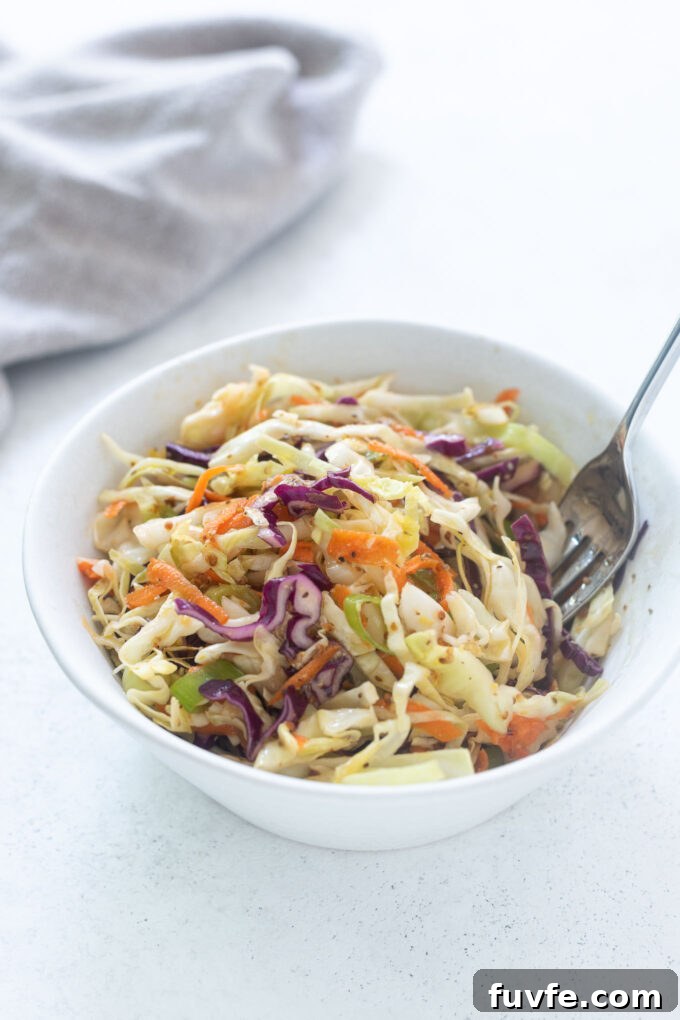
Vinegar Coleslaw
A bright, tangy coleslaw of cabbage, carrots, and green onions dressed with a vinaigrette-style dressing—easy to make ahead.
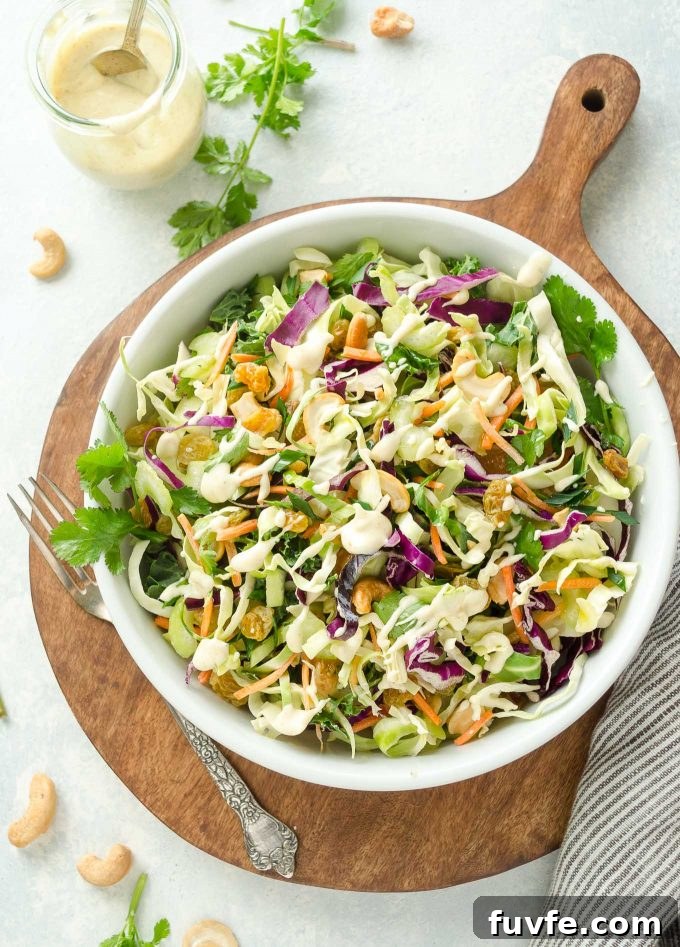
Creamy Curry Coleslaw
A spiced coleslaw with golden raisins and cashews that’s both unexpected and addictive—an excellent side for barbecues.
More seasonal recipe collections
- Butternut squash recipes
- Chicory recipes
- Fennel recipes
- Leek recipes
- March seasonal produce guide
- October seasonal produce guide
- Poblano pepper recipes
- Swiss chard recipes
- Winter fruits and vegetables
Whether you prefer raw, sautéed, roasted, or simmered cabbage, this humble vegetable can be transformed into countless meals. Keep a head in the crisper, practice a few simple cutting techniques, and experiment with different seasonings and cooking methods—once you start, cabbage will quickly become a regular, welcome part of your meal rotation.