
Celebrate chicories with this curated collection of 27 Chicory Recipes and a practical produce guide. Inside you’ll find delicious ways to enjoy radicchio, escarole, frisée and Belgian endive, plus tips for choosing, storing and preparing each type, nutrition highlights and inspiration to feature these winter lettuces on your table.

Chicories are among the standout vegetables of cooler months. If you haven’t cooked with them much, you’re in for a treat: they’re crisp, colorful and pleasantly bitter, which makes them perfect for balancing rich, sweet or creamy flavors. This guide explains how to soften their bitterness, how to store and prep them, and offers recipe ideas that showcase their versatility—raw, braised, roasted or grilled.
Table of contents
- FAQs
- Varieties of chicory lettuce
- Endive
- Escarole
- Frisée (curly endive)
- Radicchio
- 27+ Chicory Recipes
- References
FAQs
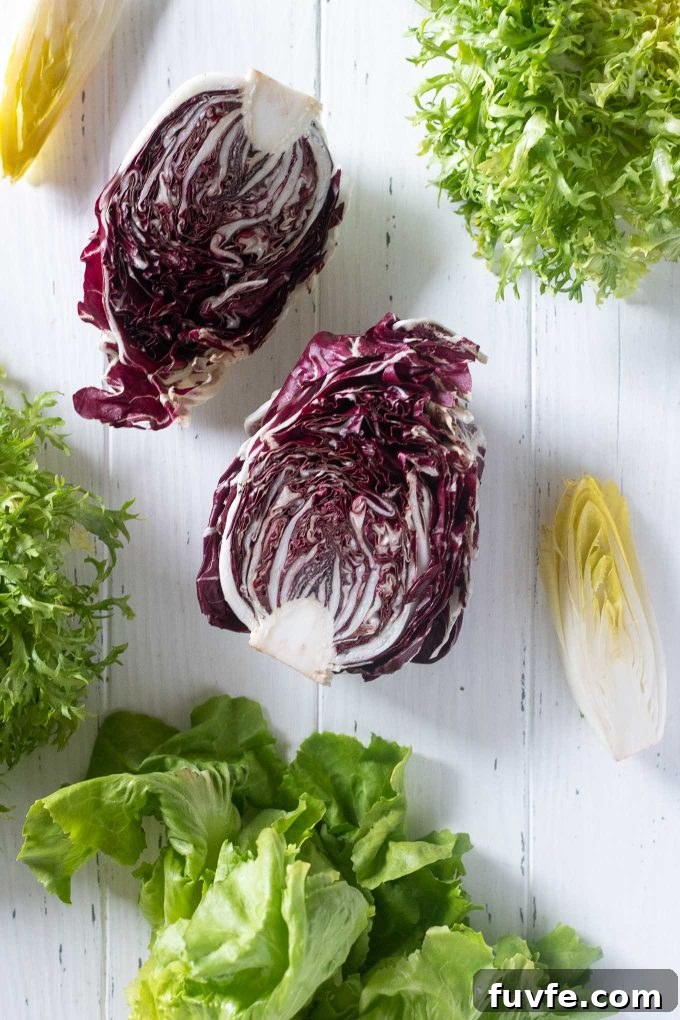
Chicories (Cichorium intybus) are leafy vegetables related to lettuces. They are hardy, crisp and usually in season from late fall through early spring. Traditionally cultivated from the wild chicory plant, parts of the plant including leaves, flowers and roots have culinary uses. Chicory root is also known historically as a coffee substitute due to its bitter, roasted flavor.
Chicories are characteristically bitter, with intensity varying by variety. That bitterness pairs wonderfully with sweet fruits, soft cheeses, toasted nuts, cured meats and acidic dressings. Raw chicories offer crisp texture and assertive flavor; when cooked—sautéed, roasted or braised—the bitterness softens and subtle sweetness emerges.
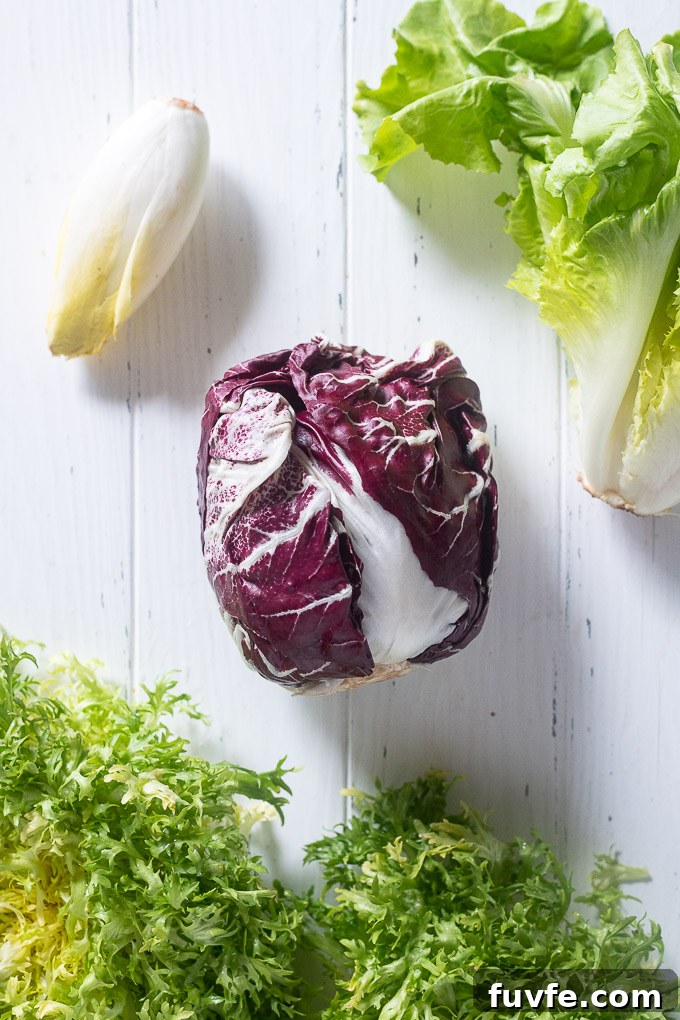
Chicory greens are low in calories and carbohydrates and provide a range of vitamins and minerals, including vitamins A, B, C and K, folate and minerals like calcium, iron and potassium. They make a nutritious addition to a balanced diet.
Varieties of chicory lettuce
Endive
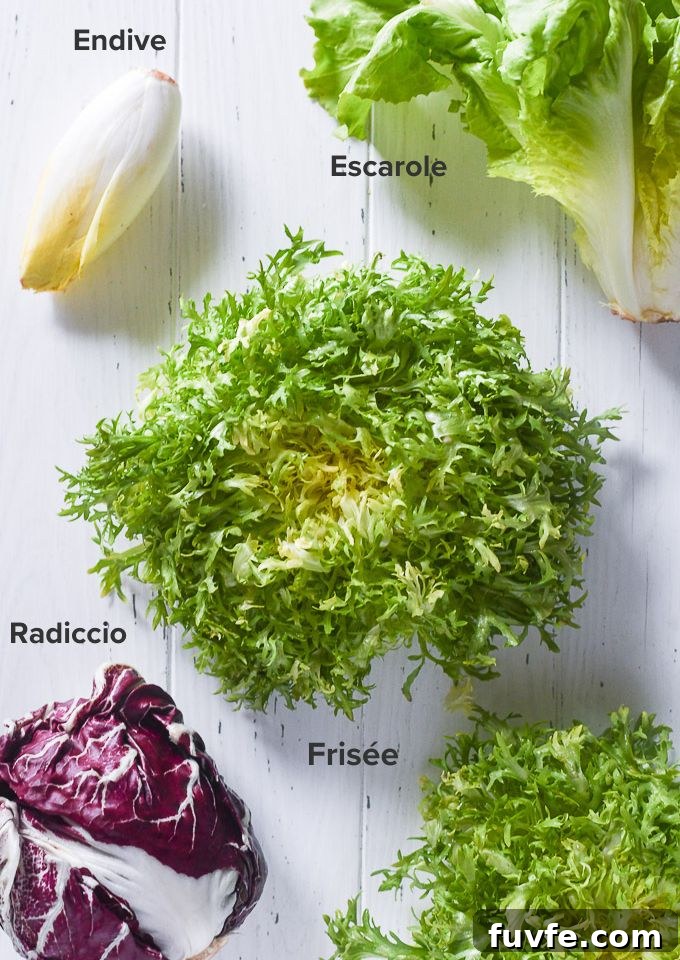
Endive comes in Belgian (pale yellow/white) and red varieties. Leaves are compact and crisp, excellent for stuffing, dipping, grilling, braising, or chopping into salads. To choose endive, look for heads that feel heavy for their size and are free of brown spots. Store in an open plastic bag in the crisper for up to a week. Prepped leaves can be refrigerated for 2–3 days.
Escarole
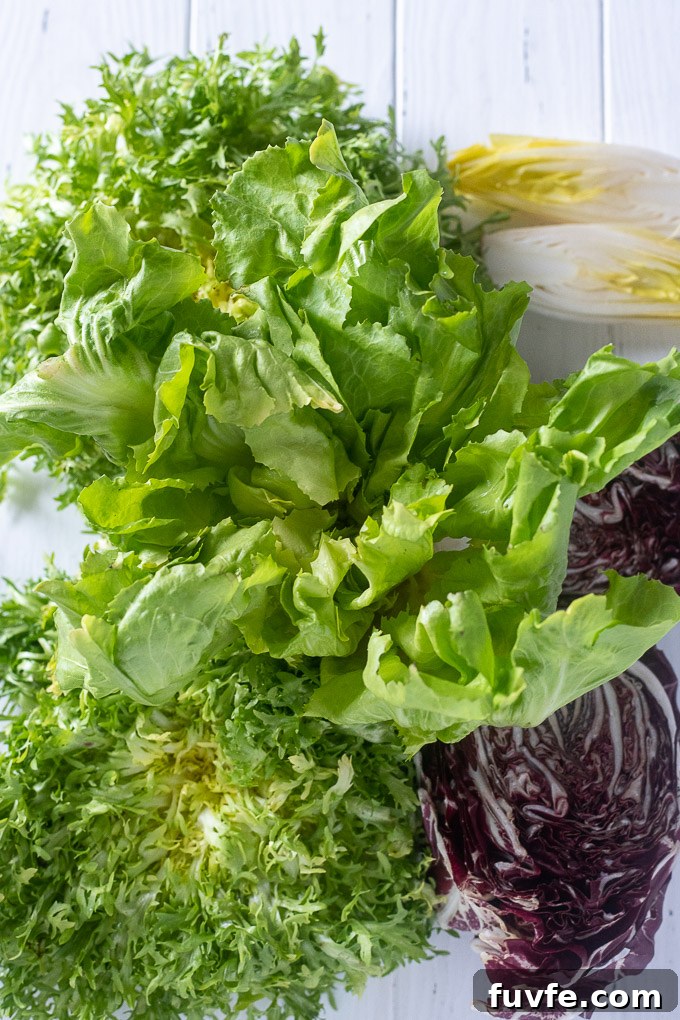
Escarole forms a loose head resembling butter lettuce but with a bitter edge. It’s sturdy enough for raw salads, sautés, soups and stews. Select escarole that is heavy and without discoloration. Store in an open bag in the refrigerator for 5–7 days. Wash thoroughly before use—escarole can trap grit. Prepped escarole keeps 2–3 days refrigerated or can be frozen for longer storage.
Frisée (curly endive)
Frisée is a frilly, open-headed endive with bright green tips and tender pale centers. Leaves are curly and crisp, suitable for raw salads and gentle cooking. Choose frisée that feels substantial and free from browning. Store in an open bag in the crisper for up to a week. Wash carefully to remove grit; dry and store for 2–3 days once prepped.
Radicchio
Radicchio comes in several types—Chioggia (compact red-and-white), Treviso (longer, slightly larger), speckled varieties and Castelfranco with pale, speckled leaves. Radicchio’s vivid color and firm texture make it great for raw salads, grilled wedges, sautéing and roasting. Pick heads that feel heavy and look fresh. Store in an open bag in the crisper for up to a week; once leaves are separated or chopped, use within 3–4 days.
27+ Chicory Recipes

Salade Lyonnaise
Get the Recipe
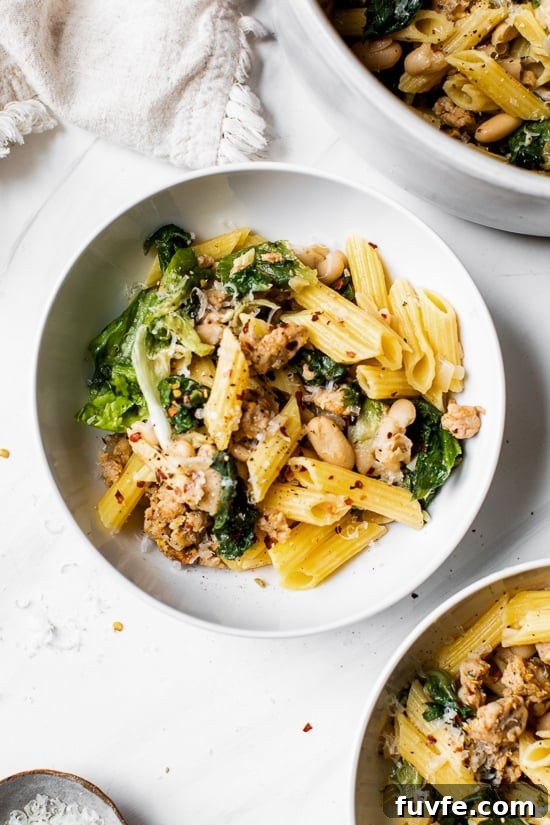
Pasta with Italian Chicken Sausage, Escarole and Beans
Get the Recipe
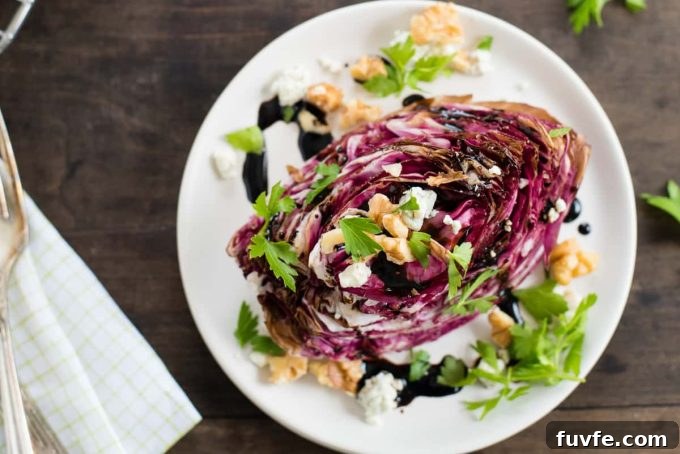
Roasted Radicchio Wedge Salad
Get the Recipe
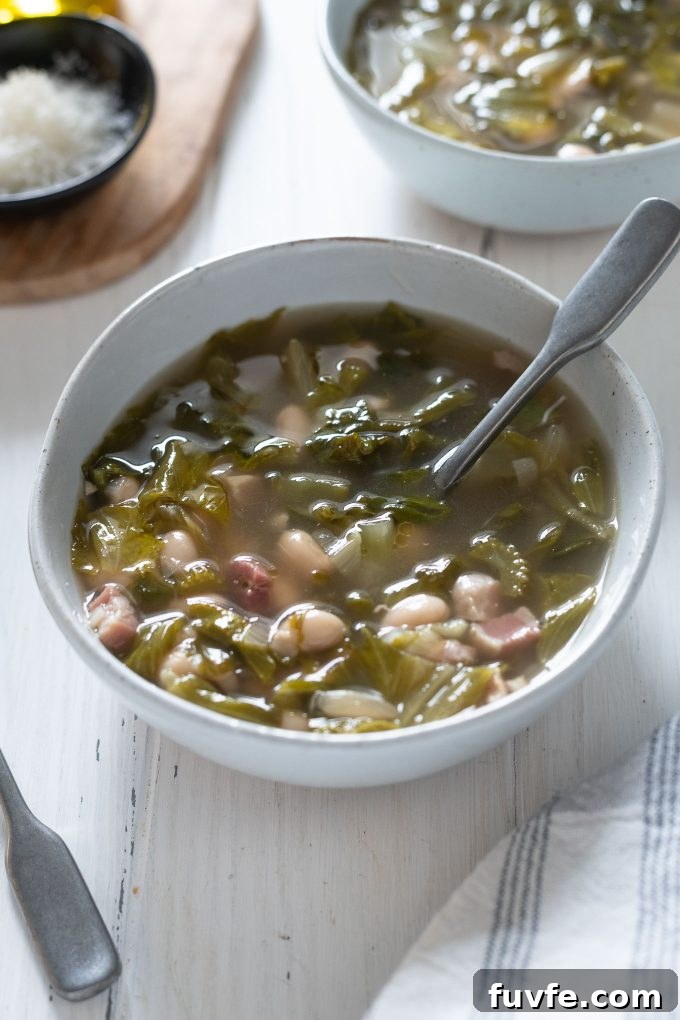
Escarole and Bean Soup
Get the Recipe

Frisée Citrus Salad
Get the Recipe
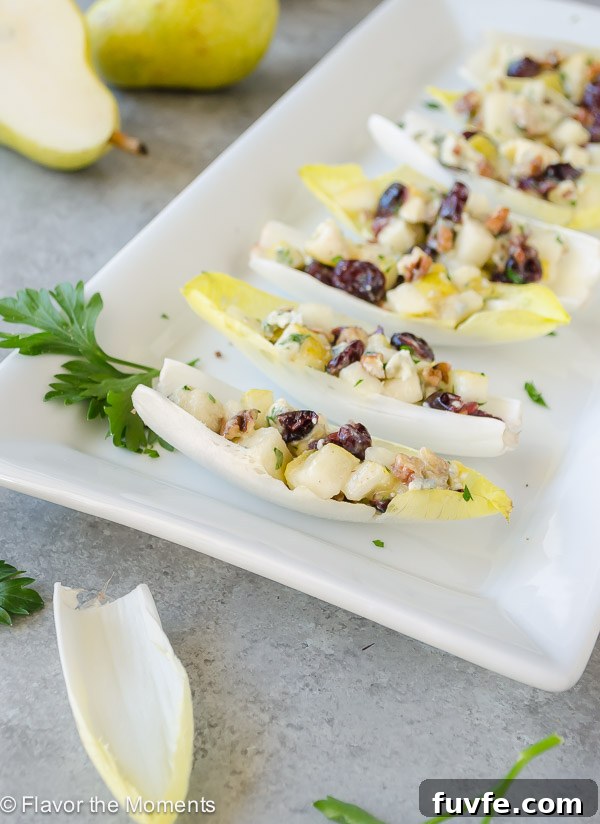
Endive Salad Bites with Pears, Blue Cheese, and Pecans
Get the Recipe
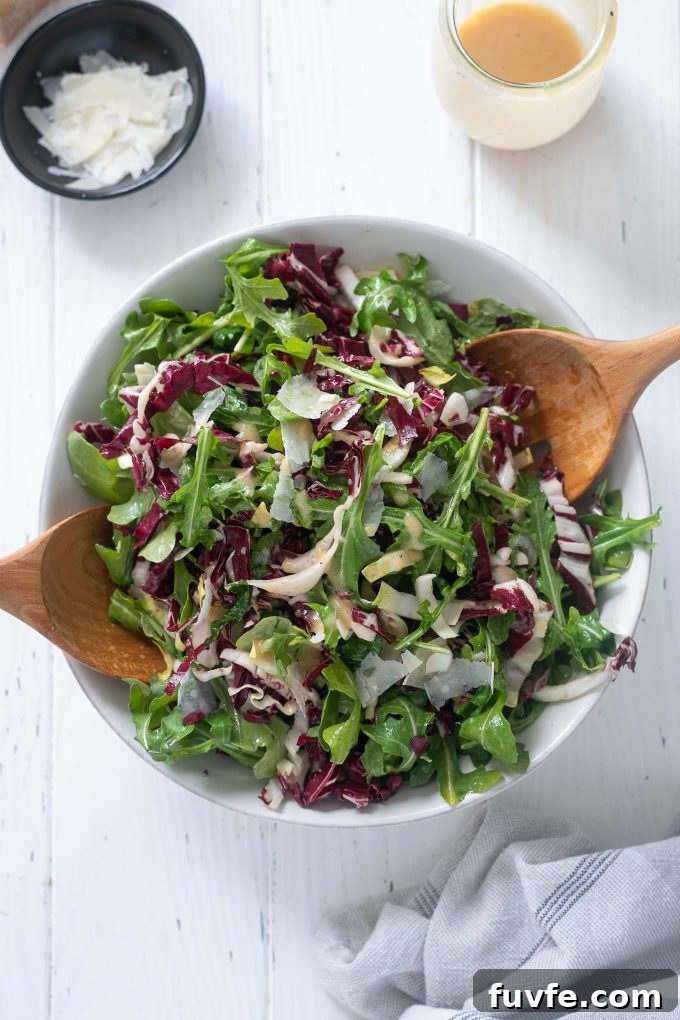
Italian Tricolore Salad
Get the Recipe
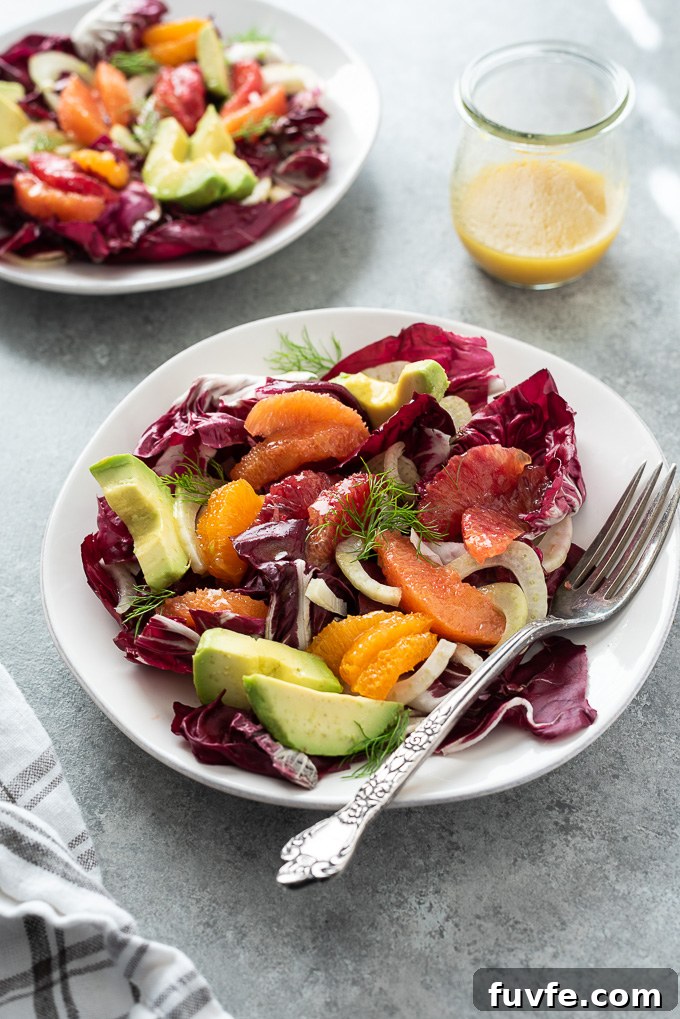
Radicchio Salad with Citrus Vinaigrette
Get the Recipe
References
- Healthline (overview of chicory root and fiber)
- MasterClass (cooking with chicories)
- Spruce Eats (recipe and technique references)
- Wikipedia (general botanical background)