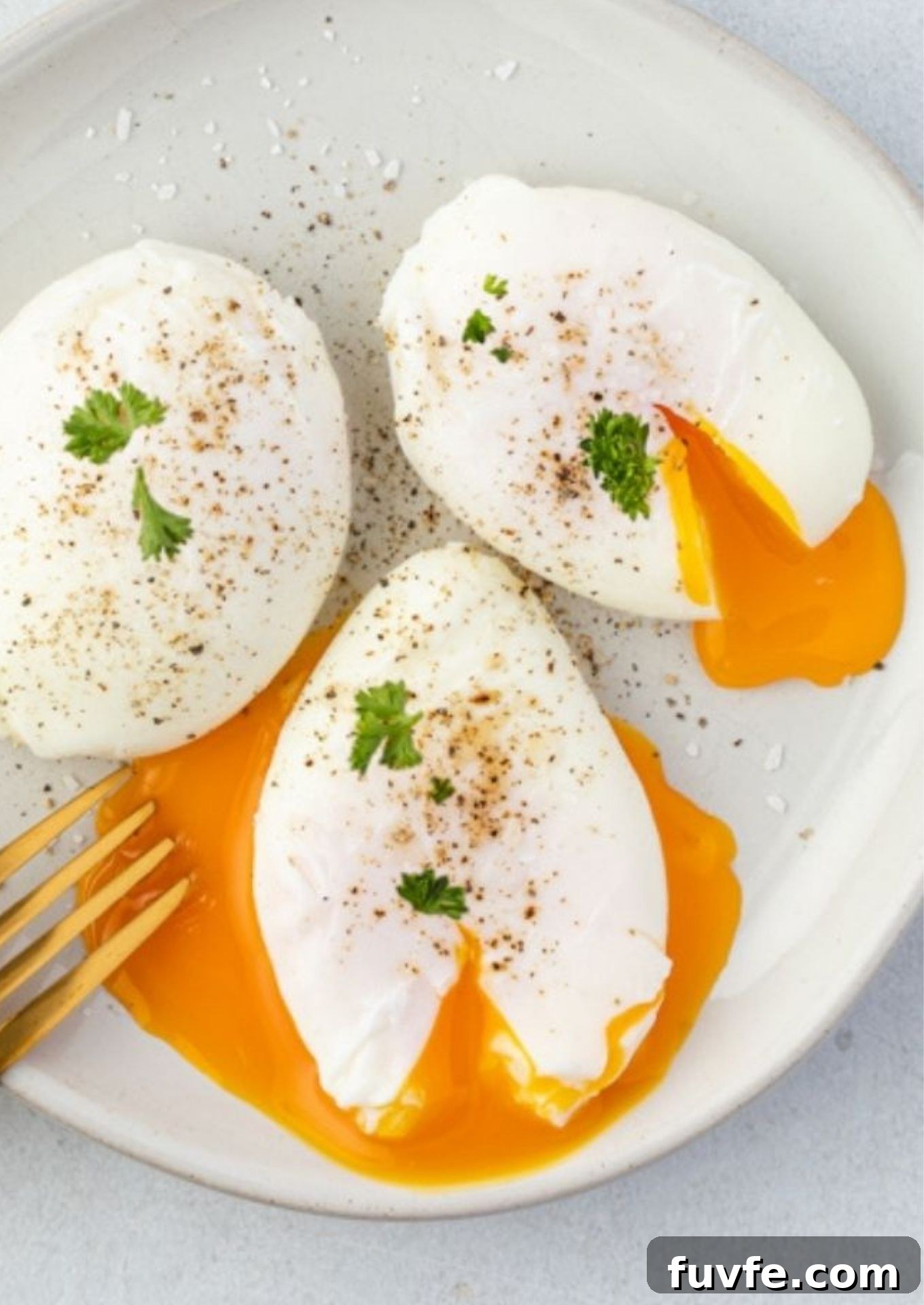
Learn how to poach eggs perfectly every time with these simple, reliable tips. Poached eggs are quick to prepare and add an elegant touch to breakfast, brunch, or a light dinner. This guide includes cooking times for soft, medium, and firm poached eggs so you can please every preference at the table.

Poached eggs are one of those comforting foods that often bring back memories. For me, they were a gentle remedy when I wasn’t feeling well, and I loved tearing into the yolk and dipping toast into it. You don’t need any special gadgets to make a neat poached egg — a mesh strainer and a small bowl are all that’s required.
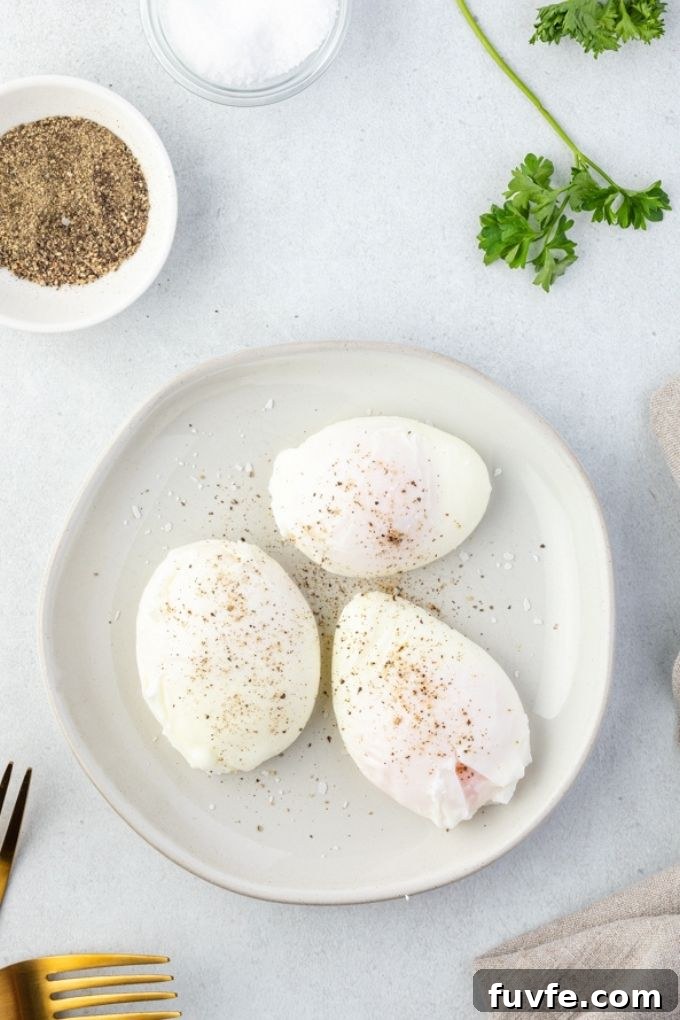
Why you’ll love this recipe
- A simple, foolproof method that yields well-shaped poached eggs every time.
- They look and taste special, but are easy to prepare at home.
- Includes exact cooking times for soft, medium, and firm yolks to match every preference.
- Versatile: great on avocado toast, in eggs Benedict, on grain bowls, or alongside roasted vegetables.
Recipe ingredients
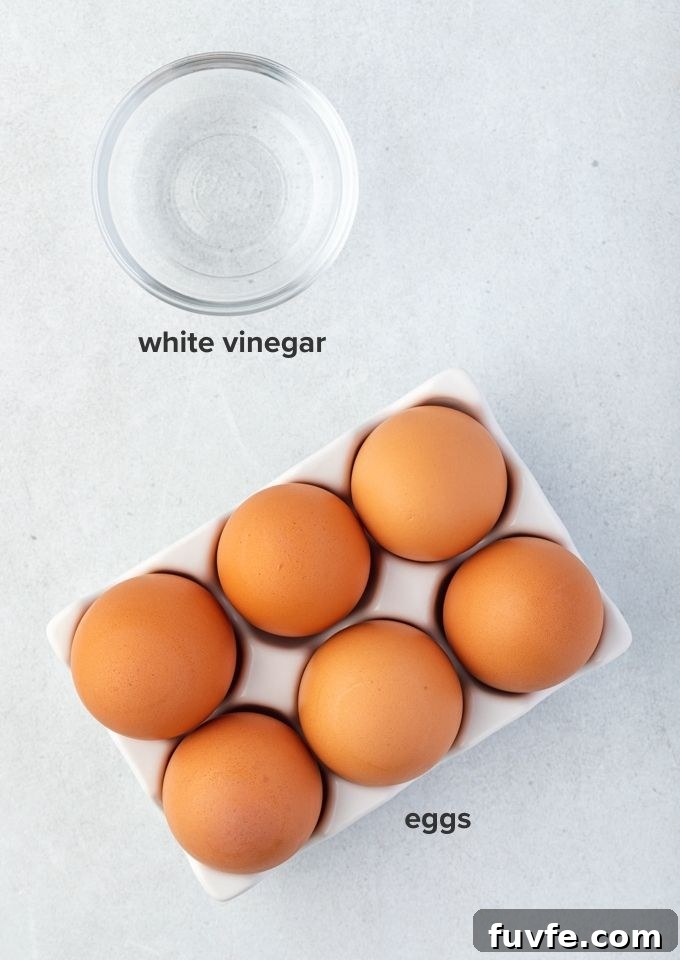
- Eggs — This method uses large eggs. If your eggs are smaller or larger, adjust the cooking times slightly.
- White vinegar — A tablespoon per pot helps the egg white set quickly and reduces wispy strands. White distilled vinegar is best because it won’t tint or noticeably flavor the egg.
How to poach an egg
The steps below will guide you through poaching eggs the easy way. No special equipment is required, and the process is straightforward once you try it a couple of times.
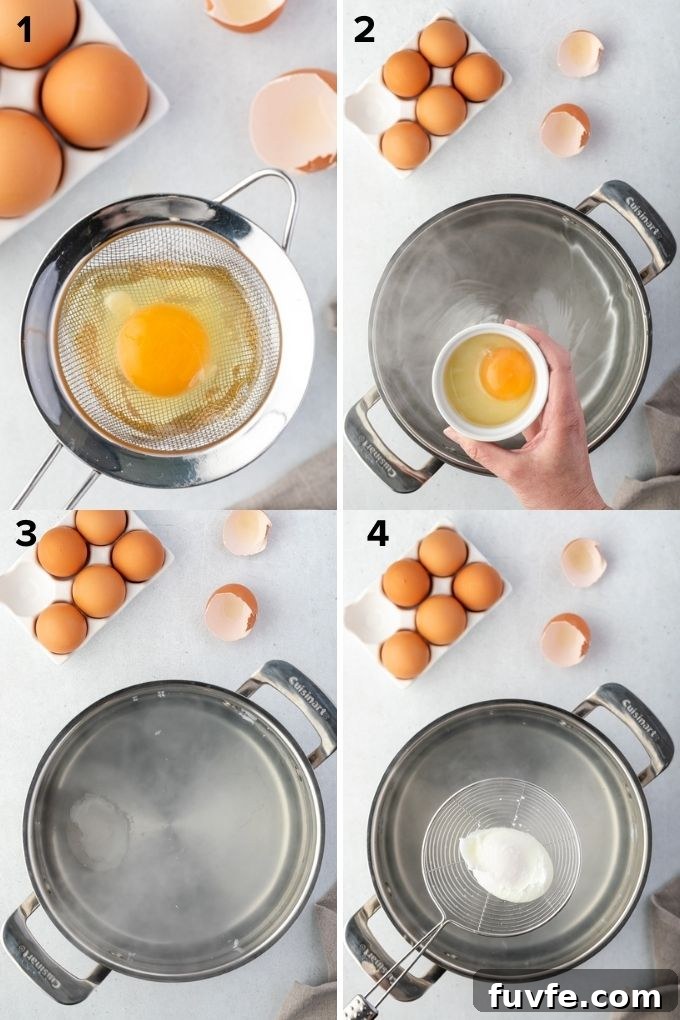
- Strain the egg in a fine mesh strainer to remove the thin, watery part of the white. Transfer the egg to a small ramekin or bowl.
- Bring a medium pot of water to a gentle simmer, then stir in the vinegar.
- Reduce heat so the water barely simmers. Stir the water to create a gentle vortex, then pour the egg into the center and let it cook undisturbed.
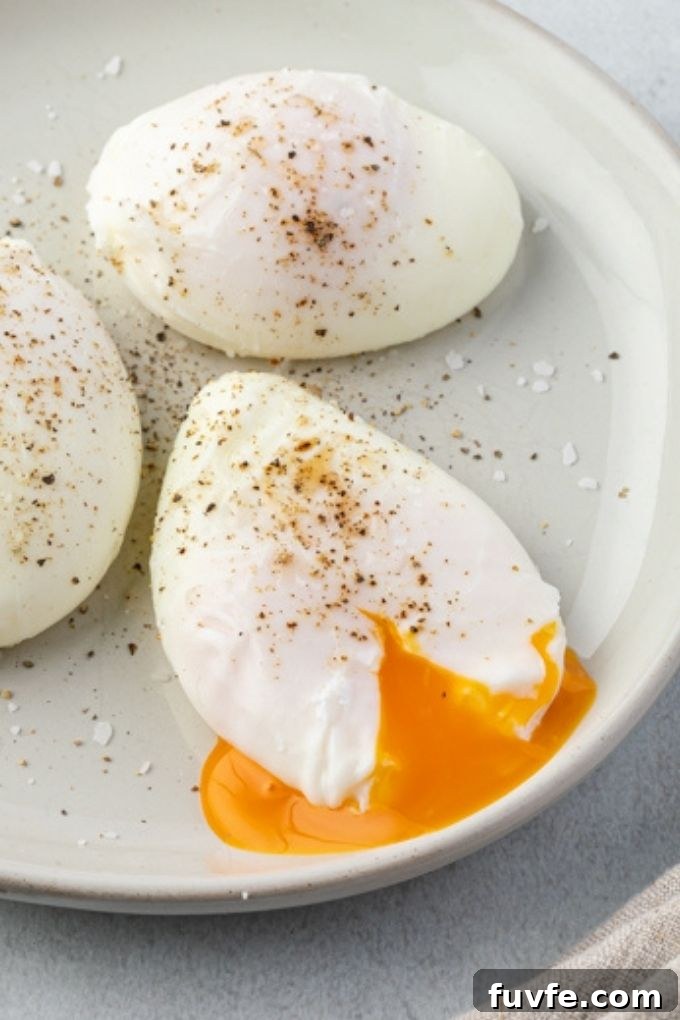
- Remove the egg with a slotted spoon and drain briefly on paper or a clean towel, then season and serve.
How long to poach an egg
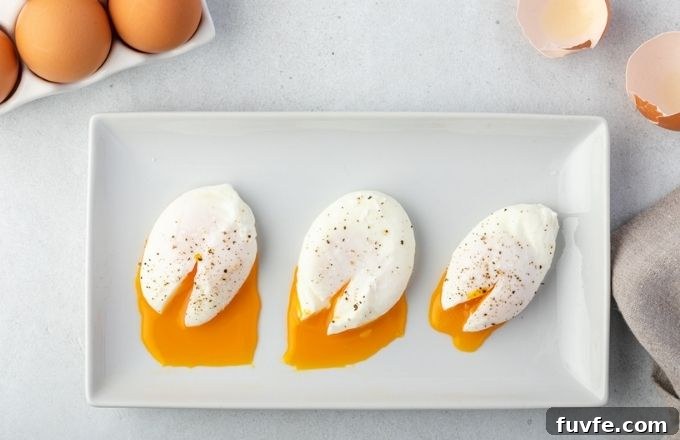
Cooking time determines how runny or set the yolk will be. Use these times as a guide and adjust by 15–30 seconds based on your stove and pot size.
- Soft poached: 3 minutes — yolk is runny, whites set
- Medium poached: 4 minutes — yolk is slightly jammy
- Firm poached: 5 minutes — yolk nearly set
FAQs
Is vinegar necessary? Yes. A little white vinegar helps the egg white coagulate quickly and reduces wispy strands. Use only a small amount so flavor isn’t noticeable.
Why strain the egg? Straining removes the very runny outer portion of the white that can spread in the water. This helps the egg hold a neater shape and produces a cleaner-looking poach. Fresher eggs also hold their shape better.
Can I poach more than one egg at once? You can poach two eggs at a time if you crack each into its own small bowl and add them one after the other into the center of the vortex. For the tidiest results, poach one at a time.
Can I make poached eggs ahead? Yes. After cooking, cool the eggs, then store them submerged in cold water in the refrigerator for up to 48 hours. Reheat by placing them in warm (not boiling) water until heated through, then season and serve.
Serving suggestions
Poached eggs add richness and visual appeal to many dishes. Try these ideas:
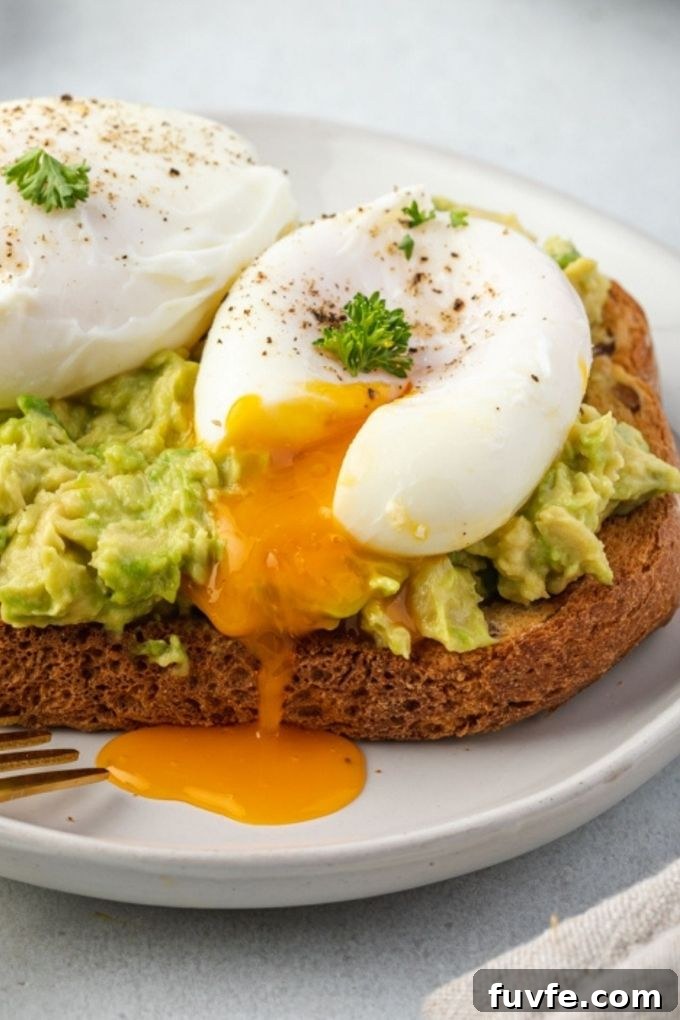
- On buttered toast or avocado toast for a classic breakfast.
- As the finishing touch on eggs Benedict or a simple hollandaise-topped plate.
- Over grain bowls, salads, or roasted vegetables to add protein and creaminess.
- Alongside sautéed greens or roasted potatoes for a satisfying, low-carb meal.
Recipe tips
- Pro tip: Straining the egg reduces the liquid white and yields a cleaner poach.
- Use white distilled vinegar so the egg color and flavor aren’t affected.
- Choose the freshest eggs you can find for the best shape and texture.
- Adjust cooking times if your eggs are smaller or larger than “large.”
- Make poached eggs ahead and store them in cold water for up to two days; reheat gently in warm water before serving.
Poached Eggs: quick recipe summary
Ingredients
- 1 large egg
- 1 tablespoon white vinegar
Instructions
- Strain the egg in a fine mesh strainer and transfer it to a small bowl or ramekin.
- Bring a pot of water to a gentle boil and add the vinegar, then reduce to a low simmer.
- Create a gentle vortex by stirring, pour the egg into the center, and let it cook undisturbed.
- Cook 3 minutes for soft, 4 minutes for medium, or 5 minutes for firm yolk. Remove with a slotted spoon, drain, season, and serve.
Notes
- Cold eggs hold their shape better than room temperature eggs.
- Vinegar won’t make the egg taste vinegary when used sparingly.
- Store cooked poached eggs in cold water in the refrigerator for up to 48 hours; reheat in warm water.
Nutrition (per egg, approximate)
Calories: 74 kcal • Protein: 6 g • Fat: 5 g • Carbohydrates: 1 g