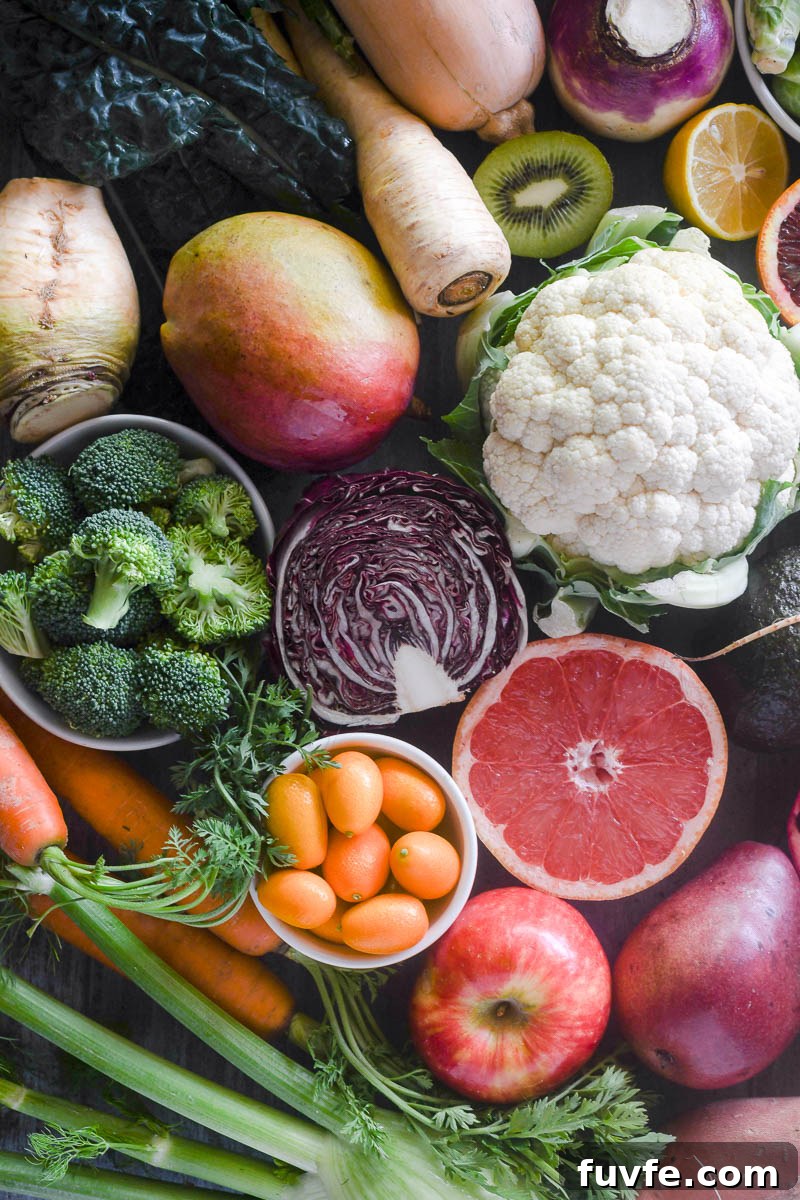
Learn how to choose and store fresh produce so fruits and vegetables last longer and taste better. This guide covers practical selection tips, simple storage methods, and recipe ideas to help you cook seasonally and reduce food waste at home.
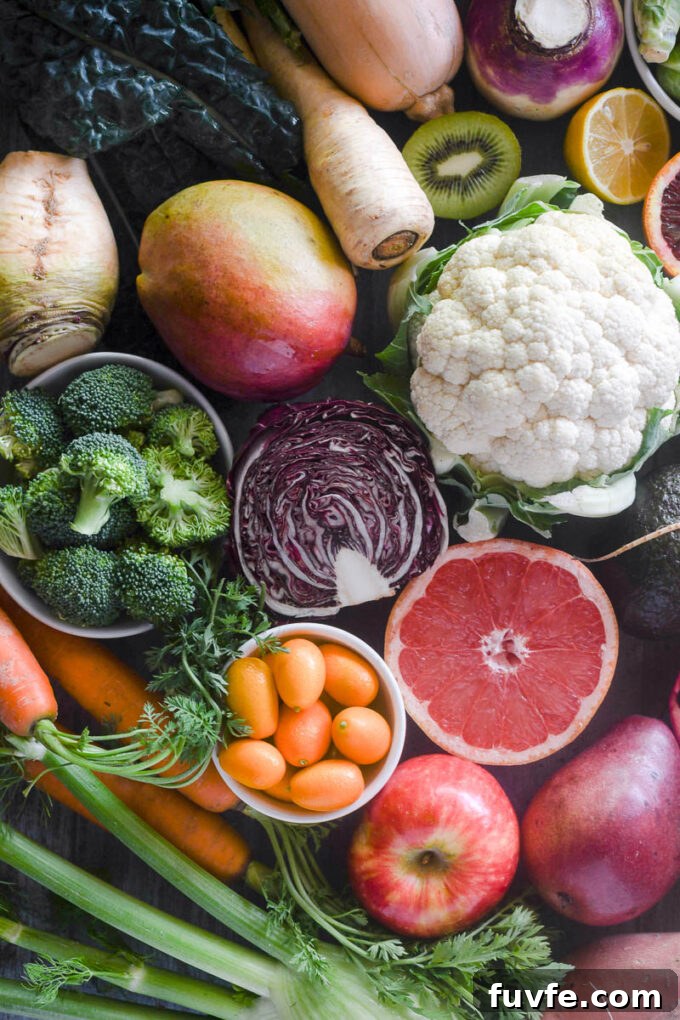
Buying fresh produce is one of the easiest ways to make meals healthier and more flavorful. Knowing how to choose items at the market and how to store them at home makes a big difference in shelf life, texture, and taste.
Proper storage reduces waste, saves money, and ensures ingredients are ready to use when you need them. This guide walks through common types of produce with clear, actionable tips you can use every week.
Quick note: If you enjoy seasonal produce inspiration, look for seasonal recipe roundups and guides to help you make the most of what’s fresh each month.
Why Proper Produce Storage Matters
- Keeps produce fresher longer
- Preserves flavor and texture
- Prevents premature spoilage
- Saves money by reducing food waste
Leafy Greens & Tender Herbs
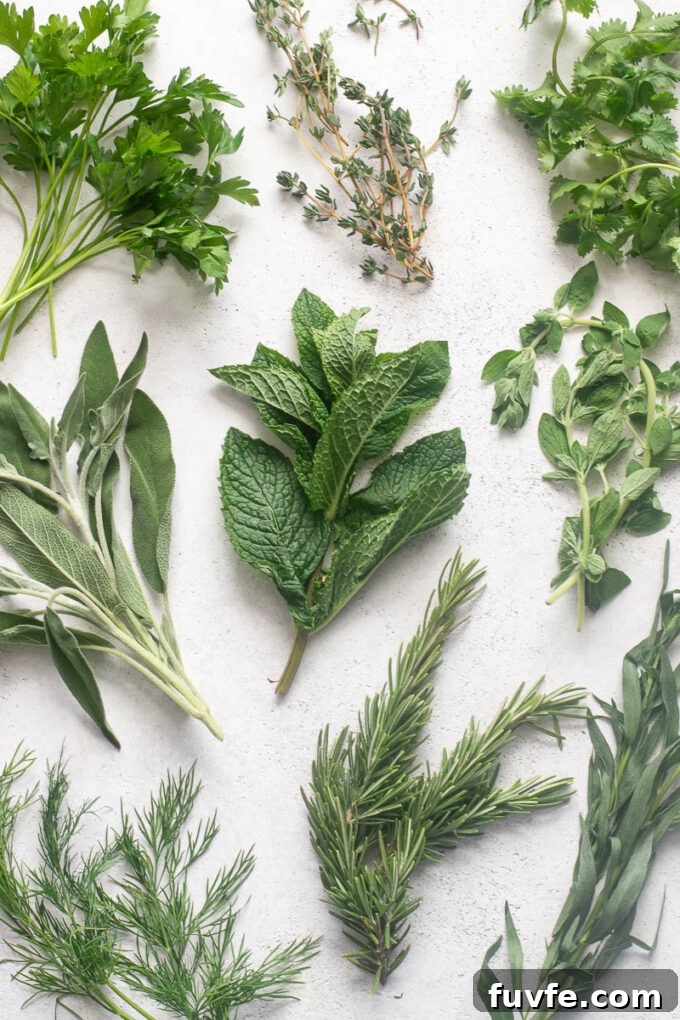
Leafy greens and tender herbs—lettuce, spinach, kale, arugula, cilantro, and parsley—are delicate and often the first to wilt. Because they contain a lot of moisture, they benefit from storage that balances airflow with dryness.
How to Choose
- Look for vibrant color and crisp leaves
- Avoid wilting, yellowing, or slimy spots
- Fresh herbs should smell aromatic
How to Store
- Wash and dry thoroughly, then wrap loosely in paper towels
- Store in breathable produce bags or containers to allow airflow
- Keep herbs upright in a jar with a little water and loosely cover
Shelf life: Tender mixes last 3–5 days when stored correctly; heartier greens like kale and Swiss chard last 5–7 days or longer if very fresh.
Pro tip: Excess moisture speeds spoilage—drying greens well before storing is essential.
Leafy green and herb recipe ideas
- Kale and Brussels sprouts salad
- Frisée citrus salad with fennel and avocado
- Chimichurri sauce
Cruciferous Vegetables
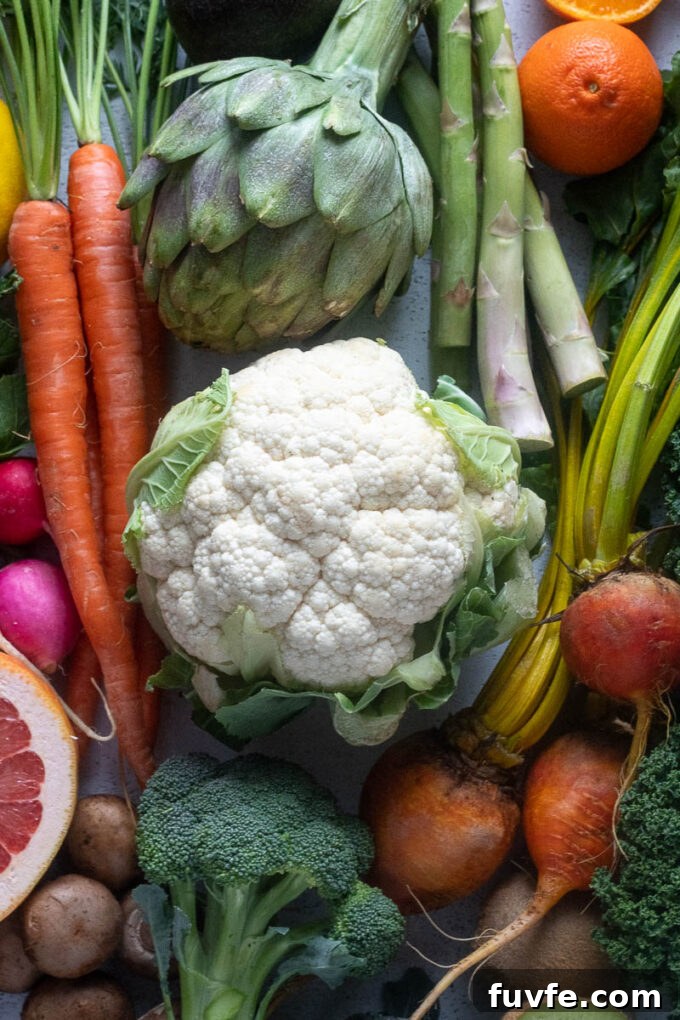
Broccoli, Brussels sprouts, cabbage, and cauliflower are sturdy, nutrient-dense vegetables. Cabbage is notable for its long shelf life and versatility, from raw slaws to cooked dishes.
How to Choose
- Pick firm, dense heads
- Look for tightly packed florets or leaves
- Avoid yellowing or strong sulfur odors
How to Store
- Store unwashed in the crisper drawer
- Keep loosely wrapped to allow airflow
- Use within 5–7 days for the best flavor
Shelf life: Typically 1–2 weeks; whole, unwashed cabbage can last longer.
Recipe ideas
- Air fryer Brussels sprouts
- Cabbage and ground beef casserole
- Garlic mashed cauliflower
- Mini crustless broccoli quiche
Root Vegetables
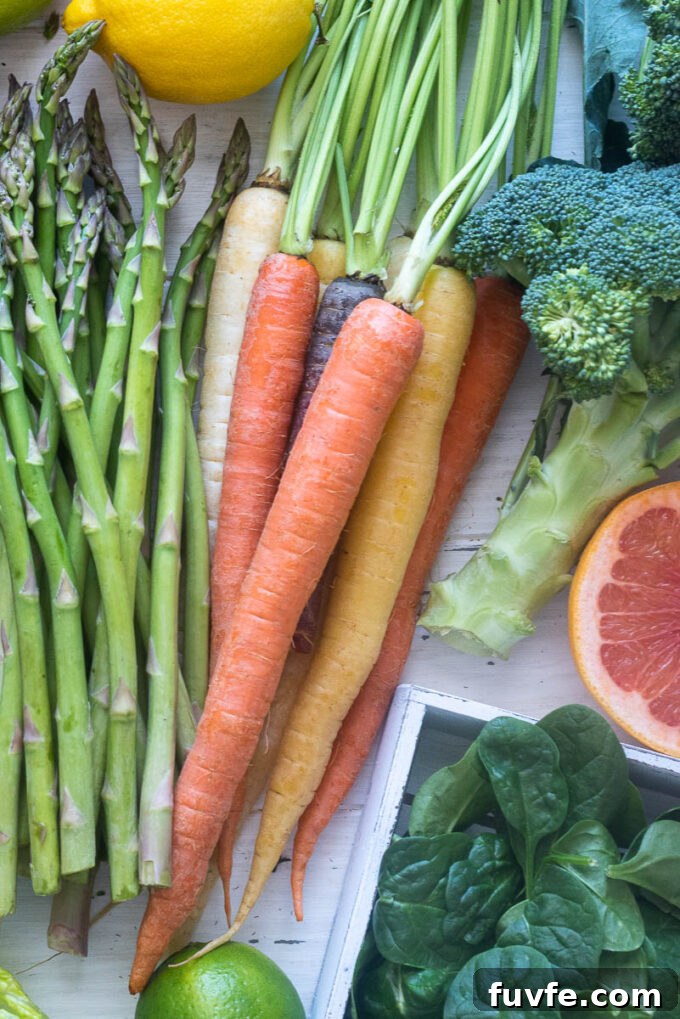
Carrots, beets, parsnips, potatoes, and sweet potatoes have long shelf lives and robust textures, making them great for meal prep and winter cooking. Proper storage preserves flavor and, in some cases, improves sweetness over time.
How to Choose
- Choose firm, heavy roots for their size
- Look for smooth skins without soft spots
- Avoid sprouting, especially on potatoes
How to Store
- Beets, carrots, and parsnips: refrigerate in sealed containers
- Potatoes and sweet potatoes: keep in a cool, dark, well-ventilated place
- Never refrigerate potatoes; cold alters texture and flavor
Shelf life: Generally 2–4 weeks; some roots like parsnips can last longer under ideal conditions.
Recipe ideas
- Creamy parsnip purée
- Crispy smashed potatoes
- Oven-roasted beets
- Roasted root vegetables
Alliums
Garlic, leeks, onions, and shallots form the flavor base of many dishes. While they belong to the same family, their storage needs differ—small adjustments can greatly extend their shelf life.
Onions, Garlic & Shallots
These dry alliums keep well when stored in cool, airy conditions.
How to Choose
- Firm bulbs with dry, papery skins
- Avoid soft spots, mold, or sprouting
- Shallots should feel heavy for their size
How to Store
- Keep whole bulbs in a cool, dry place with good airflow
- Do not refrigerate whole onions, garlic, or shallots
- Store them away from potatoes to avoid shortened shelf life
- Once cut, wrap tightly and refrigerate
Shelf life: Several weeks to months under ideal conditions.
Recipe ideas
- Creamy asparagus leek soup
- Roasted cauliflower with garlic and shallots
Leeks (fresh alliums that need refrigeration)
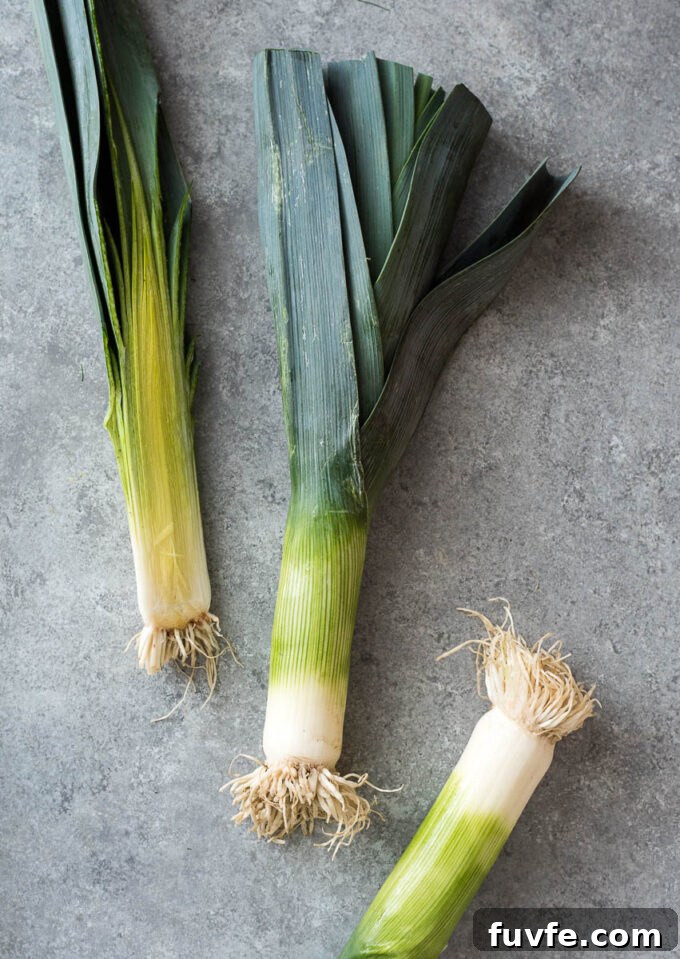
Leeks retain more moisture than dry alliums and require refrigeration.
How to Choose
- Firm, straight stalks with crisp white and pale green sections
- Avoid slimy layers or excessive yellowing
- Smaller to medium leeks are usually more tender
How to Store
- Store unwashed in the refrigerator crisper drawer
- Keep loosely wrapped to prevent drying while allowing airflow
- Trim and clean just before using, since dirt can hide between layers
Shelf life: About 1–2 weeks.
Recipe ideas
- Chicken wild rice soup
- Summer vegetable soup with pesto
Citrus Fruits
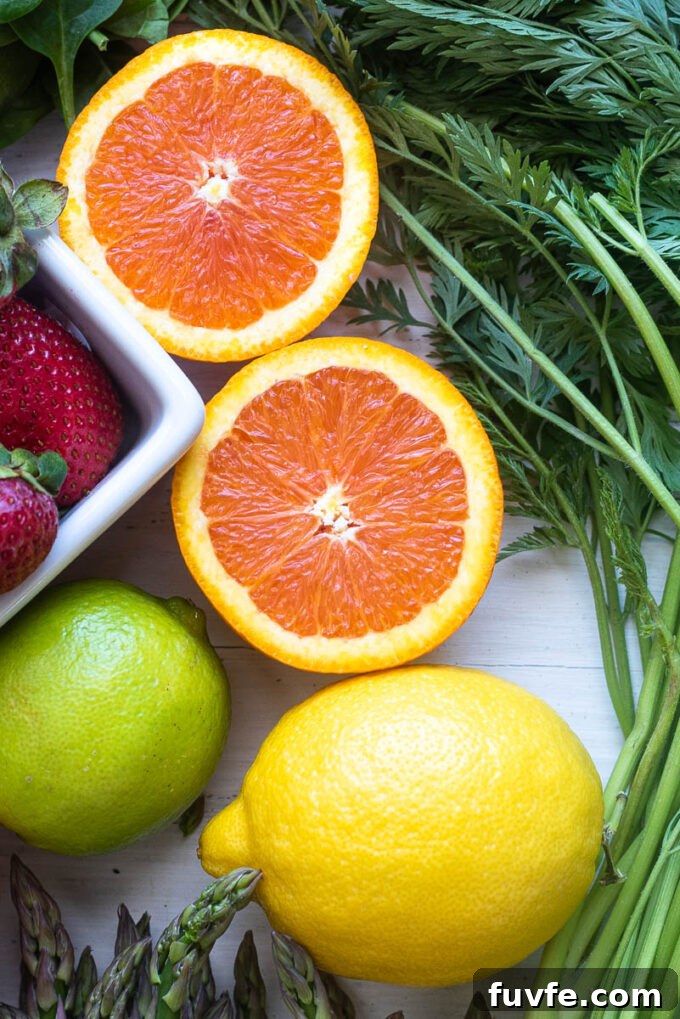
Grapefruit, lemons, limes, and oranges are hardy and long-lasting. Proper storage keeps them juicy and flavorful for uses in cooking, baking, and beverages.
How to Choose
- Heavy for their size (indicates juiciness)
- Smooth, firm skin
- Avoid shriveled or dull rinds
How to Store
- Room temperature for short-term use
- Refrigerate for longer storage—can last several weeks in the fridge
Shelf life: Room temperature 5–7 days; refrigerated several weeks.
Recipe ideas
- Citrus vinaigrette
- Easy lemon bars
- Frisée citrus salad
Tomatoes and Peppers
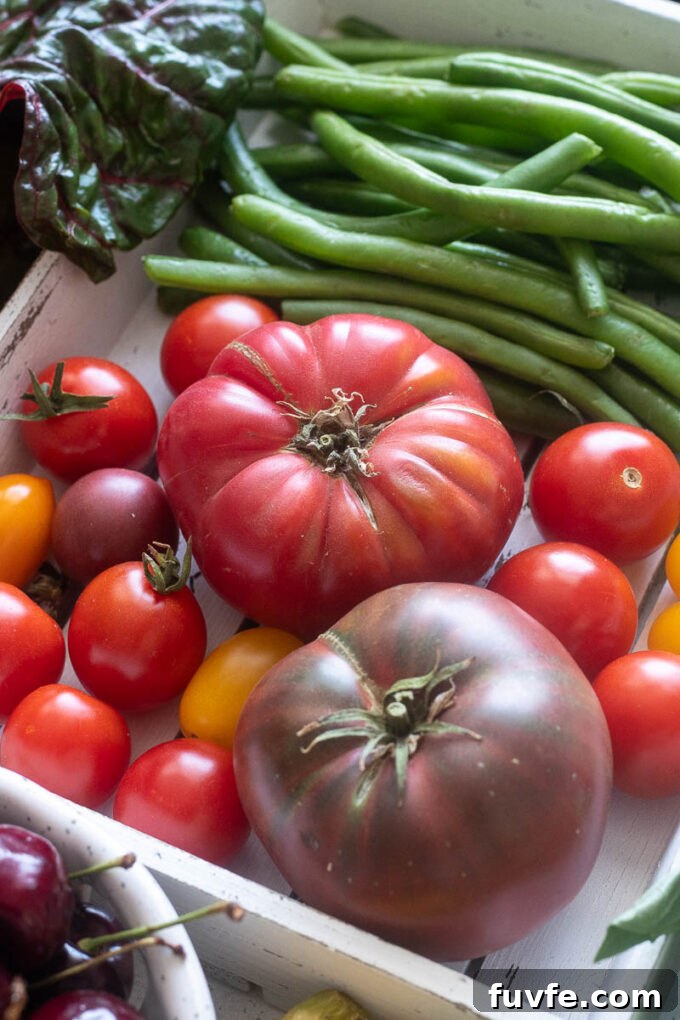
Tomatoes and peppers are best when ripe and flavorful. How you store them—on the counter or in the fridge—affects both texture and taste.
How to Choose
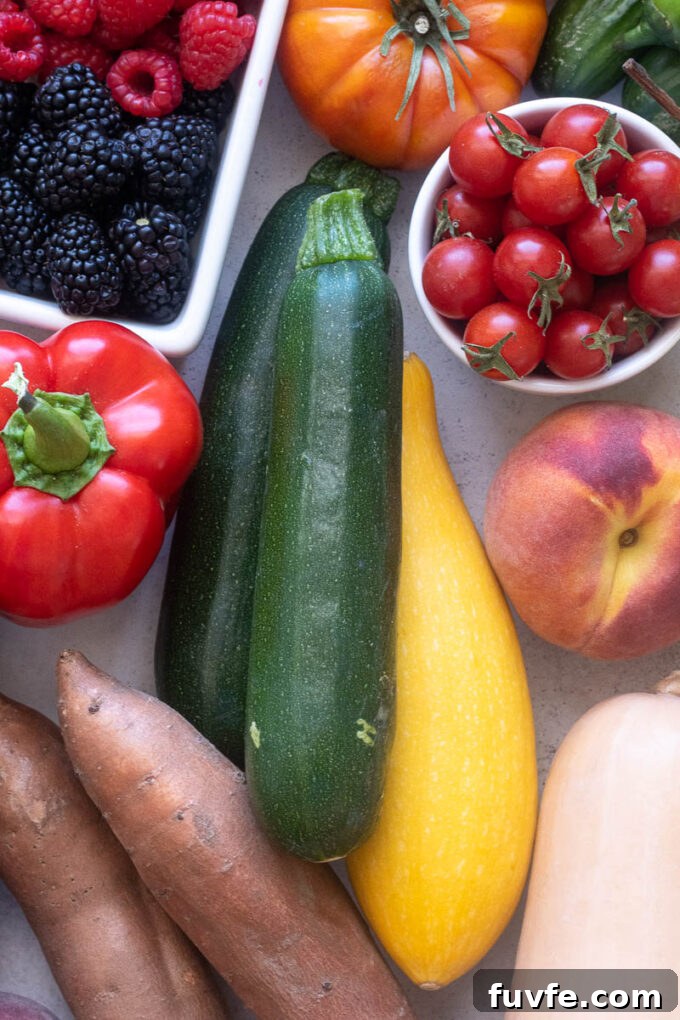
- Tomatoes: fragrant, vibrant, slightly soft when ripe
- Peppers: glossy skin, firm flesh, heavy for their size
How to Store
- Tomatoes: keep at room temperature until fully ripe; refrigerate only briefly if necessary
- Peppers: refrigerate in the crisper drawer
- Use ripe tomatoes promptly for the best flavor
Shelf life: Tomatoes 3–5 days once ripe; peppers 1–2 weeks refrigerated.
Recipe ideas
- Air fryer chicken fajitas
- Heirloom tomato salad
- Mediterranean baked cod with peppers
- Roasted red pepper sauce
Berries & Soft Fruit
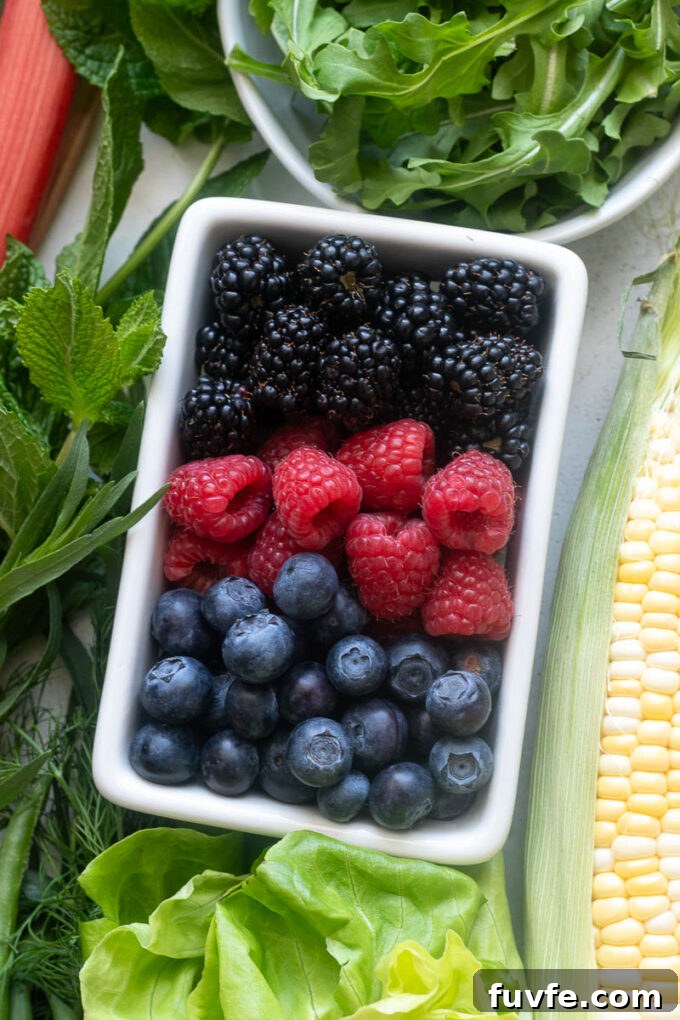
Berries—blueberries, raspberries, strawberries—and other soft fruits are fragile and prone to spoilage. Keeping them dry, refrigerated, and washing only before use preserves their texture and flavor.
How to Choose
- Bright color and plump texture
- No visible mold or leaking juices
How to Store
- Store unwashed in the refrigerator
- Wash only right before eating or cooking
- Line the container with paper towels to absorb excess moisture
Recipe ideas
- Berry arugula salad with goat cheese
- Peach blueberry crisp
- Small-batch apricot jam
Other Common Vegetables
Many vegetables don’t fit into a single category but still benefit from tailored storage practices.
Asparagus
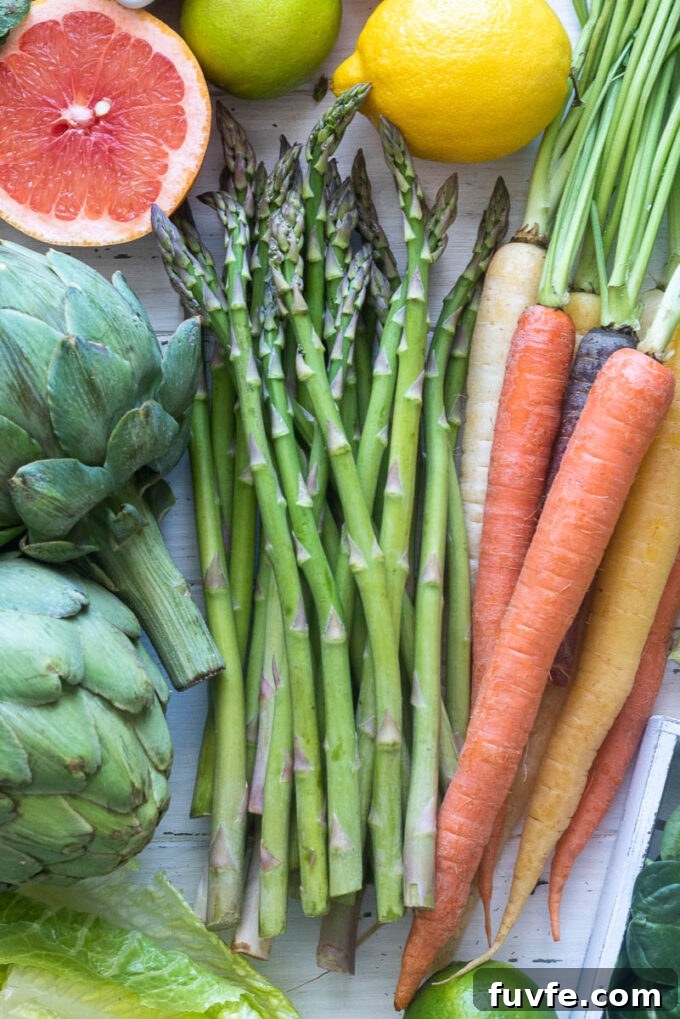
- Choose: Firm, straight spears with tightly closed tips
- Store: Refrigerate upright with the ends trimmed and loosely covered
- Shelf life: 3–5 days
Artichokes
- Choose: Heavy for their size with tightly packed leaves
- Store: Refrigerate loosely wrapped to prevent drying
- Shelf life: 5–7 days
Celery
- Choose: Crisp stalks with bright green color
- Store: Refrigerate tightly wrapped or in a sealed container
- Shelf life: 1–2 weeks
Cucumbers
- Choose: Firm, smooth skin with no soft spots
- Store: Refrigerate unwashed in the crisper drawer
- Shelf life: 7–10 days
Eggplant
- Choose: Heavy for its size with glossy skin
- Store: Refrigerate loosely wrapped; use within a few days
- Shelf life: 5–7 days
Fennel
- Choose: Firm bulbs with tight layers and fresh fronds
- Store: Refrigerate loosely wrapped to maintain crispness
- Shelf life: 7–10 days
Mushrooms
- Choose: Firm, dry mushrooms with no slimy spots
- Store: Refrigerate in a paper bag or breathable container
- Shelf life: 5–7 days
Peas
- Choose: Bright green, crisp pods
- Store: Refrigerate unwashed in a breathable bag or container
- Shelf life: 3–5 days
Rhubarb
- Choose: Firm, crisp stalks with bright color
- Store: Refrigerate unwashed, loosely wrapped
- Shelf life: 5–7 days
Summer Squash & Zucchini
- Choose: Small to medium with glossy, unblemished skin
- Store: Refrigerate unwashed in the crisper drawer
- Shelf life: 4–7 days
Winter Squash
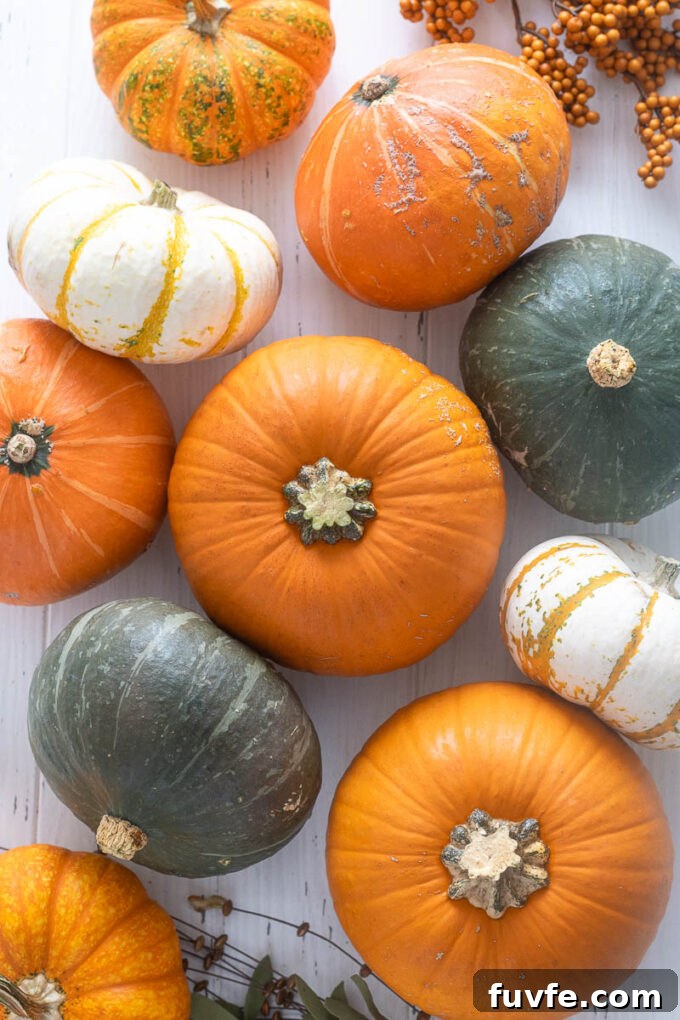
- Choose: Hard skins without soft spots
- Store: Keep whole in a cool, dry place; refrigerate once cut
- Shelf life: Whole 1–3 months; cut 5–7 days
FAQs
No. Washing adds moisture that speeds spoilage. Wash produce just before you use it.
Cold temperatures convert starches to sugars, changing flavor and texture.
Some fruits release ethylene gas, which can hasten spoilage of nearby vegetables. Store ethylene-producing fruits separately when possible.
Excess moisture and poor airflow cause cell breakdown. Dry greens thoroughly and store in breathable containers.
Store tender herbs upright in a jar with water and loosely cover with a bag. Change the water every few days.
Helpful storage products
- Produce storage containers with airflow vents
- Airtight containers for cut tomatoes, avocado, onion, and citrus
- Reusable storage bags for refrigerator and freezer use
- Herb keepers for delicate herbs
- Glass containers for prepped produce
These items make weekly prep easier and help extend freshness, especially if you cook with fresh ingredients regularly.
Final Tips for Buying Better Produce
- Shop seasonally whenever possible for better flavor and value
- Don’t wash produce until you’re ready to use it
- Store fruits and vegetables separately when practical
- Trust your senses—smell, touch, and sight are the best indicators of freshness
With a few simple storage habits, you can keep produce fresher longer, reduce waste, and enjoy better tasting meals all week long.