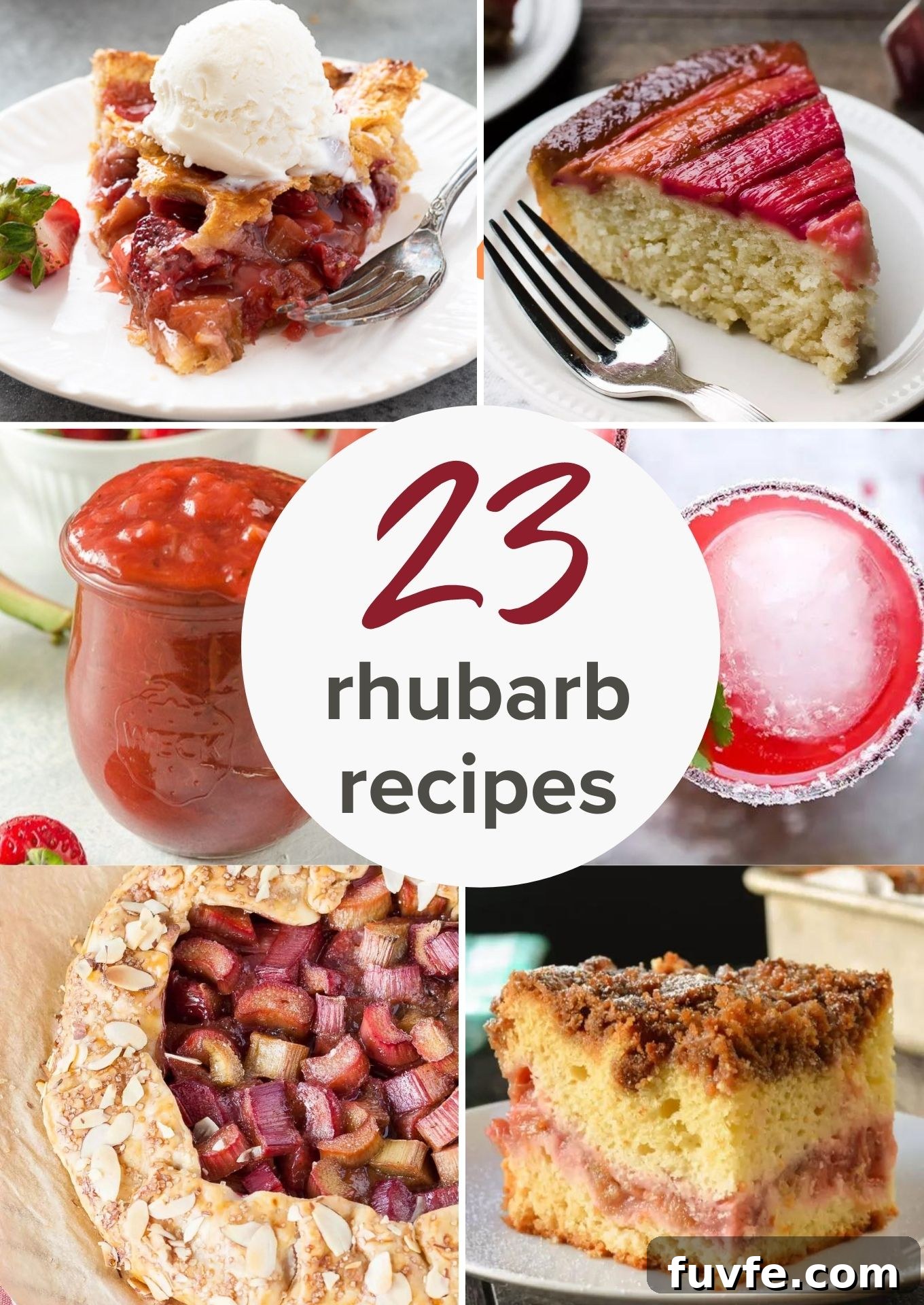
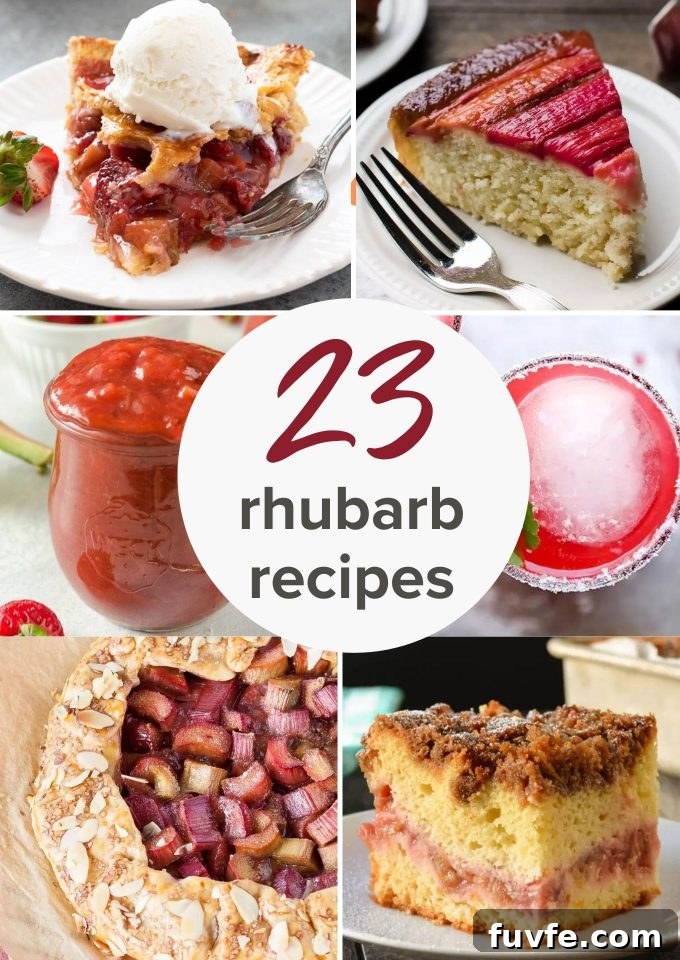
Celebrate rhubarb season with 23 Rhubarb Recipes that highlight this bright, tart spring ingredient. In this collection you’ll find everything from classic strawberry-rhubarb pie to crisps, cakes, jams and refreshing beverages. The post also includes a produce guide, tips for prepping and storing rhubarb, nutrition highlights, and plenty of recipe inspiration.
Welcome to the Produce of the Month guide. Spring means rhubarb is back in season, and I’m excited to share ideas for celebrating this underrated ingredient.
I didn’t always enjoy rhubarb. A childhood mistake at a church potluck left me with a memory of undercooked, stringy, overly tart pie. It took years and a recommendation from my husband—whose grandmother grew rhubarb and made jam and pies—for me to try it again.
Once I had a properly prepared strawberry-rhubarb pie, I was hooked. The right balance of sweetness and tang can make rhubarb shine in both desserts and savory dishes.
If you enjoy seasonal produce, here are other recipe roundups and guides to explore:
- April seasonal produce guide
- August seasonal produce guide
- Cabbage recipes
- Chicory recipes
- Fava bean recipes
- Fennel recipes
- Fig recipes
- Fresh herbs guide
- June seasonal produce guide
- July seasonal produce guide
- Leek recipes
- March seasonal produce guide
- May seasonal produce guide
- Poblano pepper recipes
- Swiss chard recipes
- Tomatillo recipes
FAQs
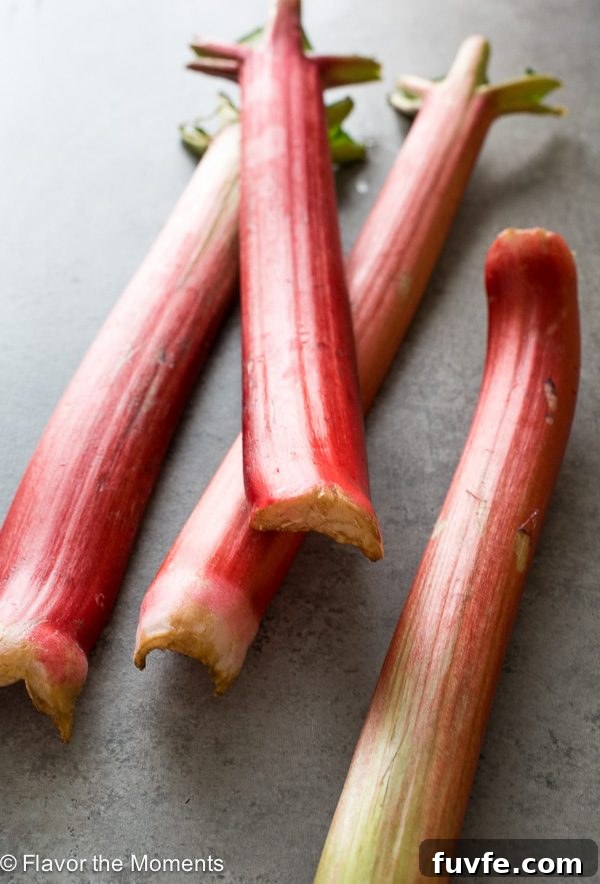
Rhubarb belongs to the Polygonaceae family and is typically harvested in spring, from April through June in many regions. Stalks vary from red and pink to pale green. Though the stalks resemble celery, rhubarb is not related to it.
Technically rhubarb is a vegetable, but it is often treated like a fruit because it’s commonly used in sweet preparations.
Yes. Only the stalks are edible. The leaves and roots contain oxalic acid and should not be eaten.
Rhubarb is very tart and is rarely eaten raw unless sweetened. Some people enjoy a raw bite, but most prefer it cooked with sugar or paired with sweeter fruit.
Rhubarb is low in calories and provides vitamin K, fiber, antioxidants and calcium.
Choose firm, crisp stalks with vibrant color and no blemishes. If leaves remain, they should be fresh and green rather than wilted. Avoid soft or floppy stalks.
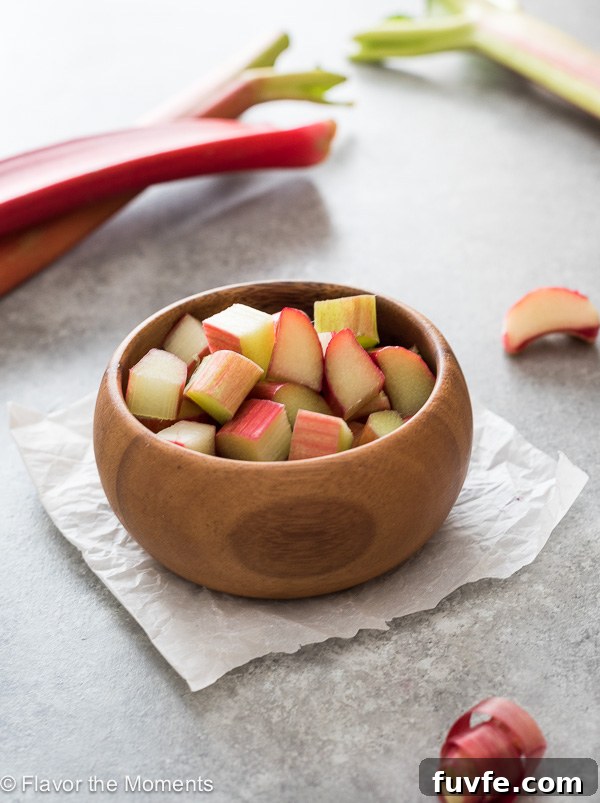
Wash and dry stalks thoroughly, trim the ends, then chop into 1/2″ to 1″ pieces depending on your recipe. You don’t need to peel the stalks; the fibrous strings are usually fine to leave in.
Store rhubarb in the refrigerator for up to three days in a perforated plastic bag or wrapped loosely in damp paper towels to maintain freshness.
Yes. After cleaning, trimming and chopping, freeze rhubarb in an airtight container or freezer bag for up to a year.
23 Rhubarb Recipes
Not sure what to do with rhubarb? Here are 23 recipes to inspire you. Try a few to experience the many ways this unique vegetable shines—especially when paired with berries, citrus, or warm spices.
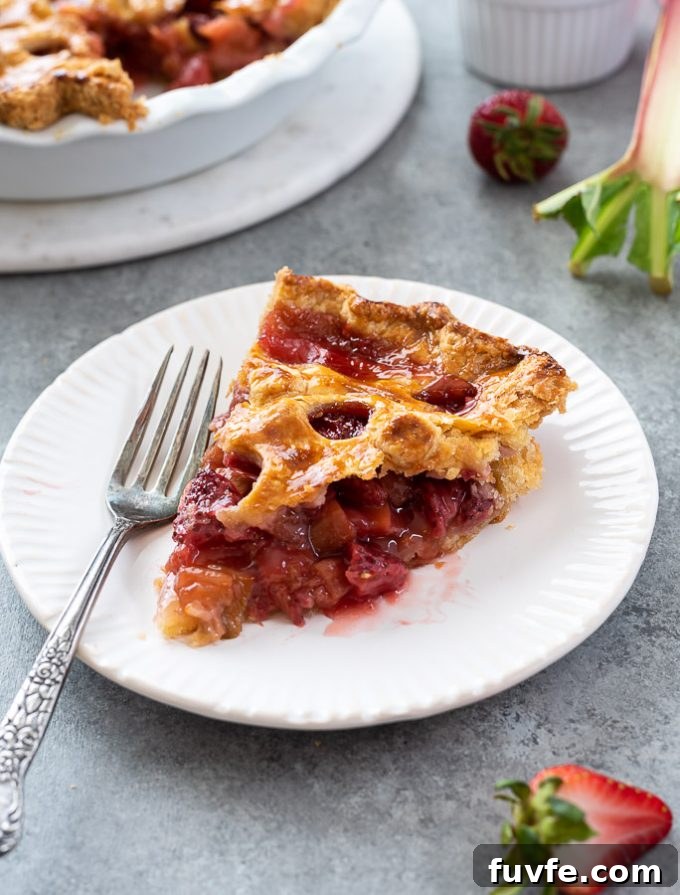
Strawberry Rhubarb Pie
Get the Recipe
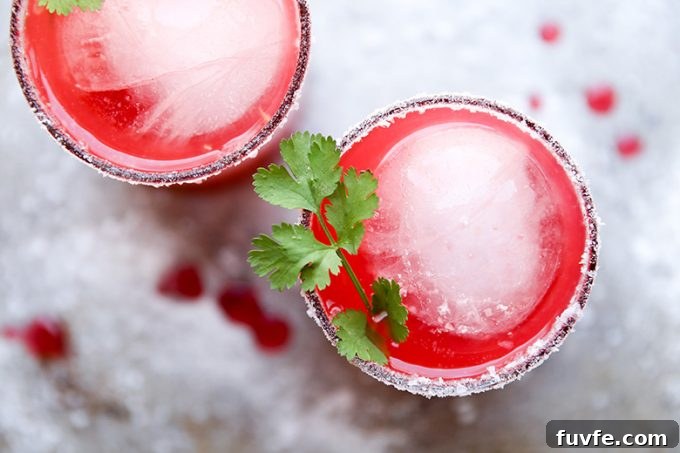
Rhubarb-Raspberry Margaritas
Get the Recipe
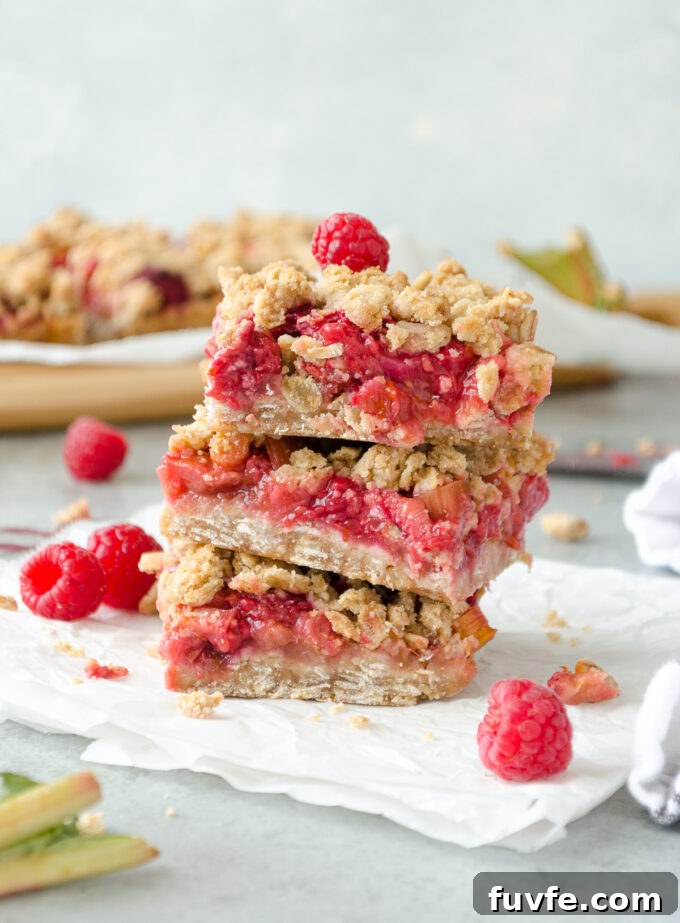
Raspberry Rhubarb Bars
Get the Recipe
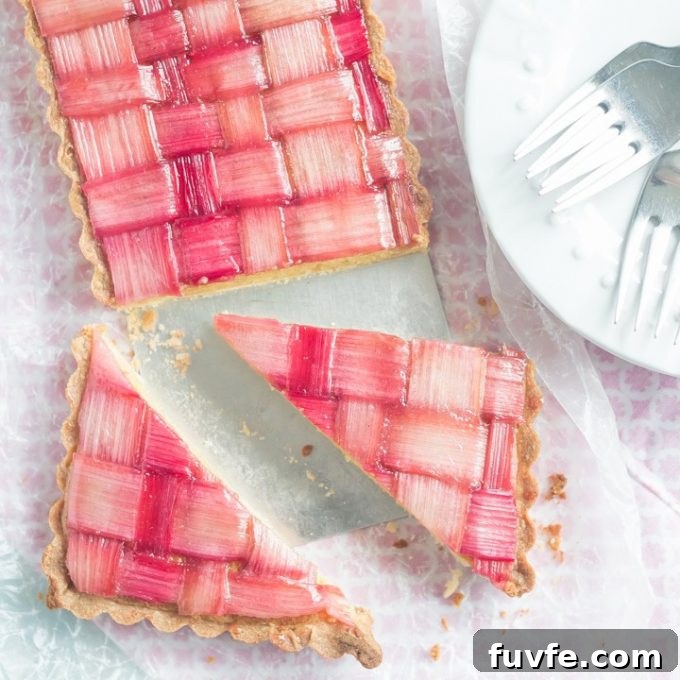
Rhubarb Tart
Get the Recipe
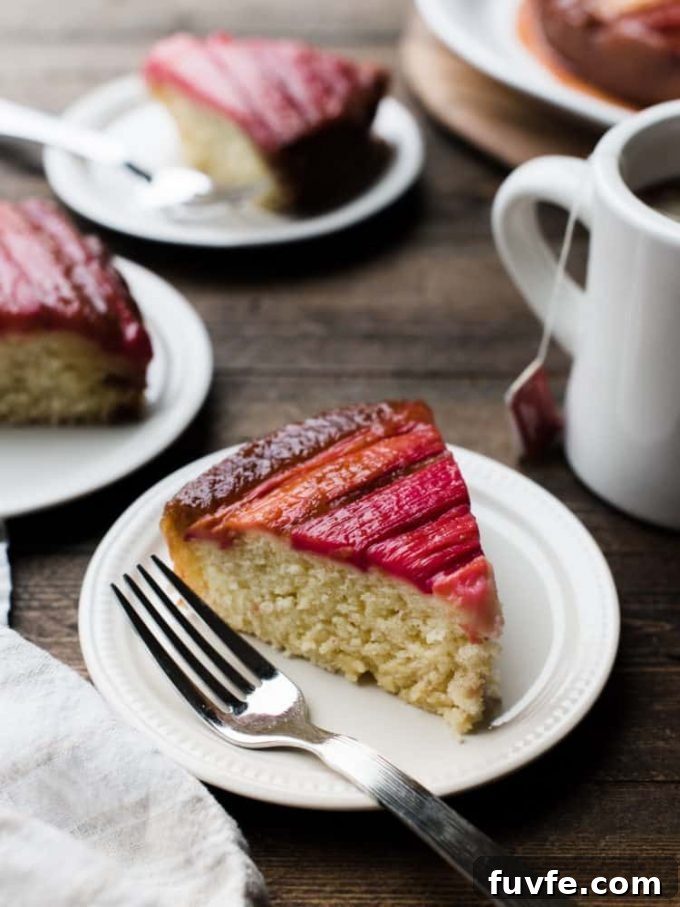
Rhubarb Upside Down Cake
Get the Recipe
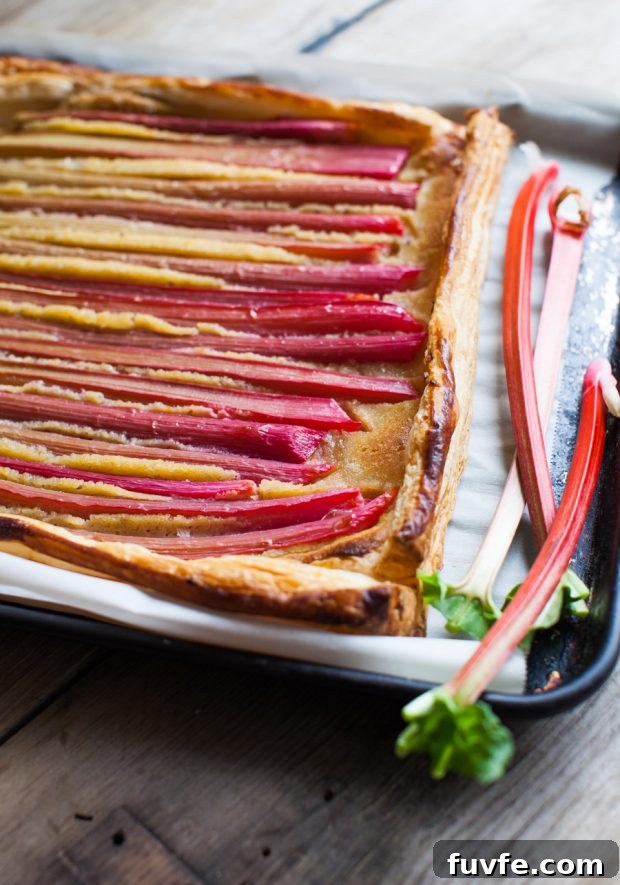
Rhubarb & Orange Frangipane Galette
Get the Recipe
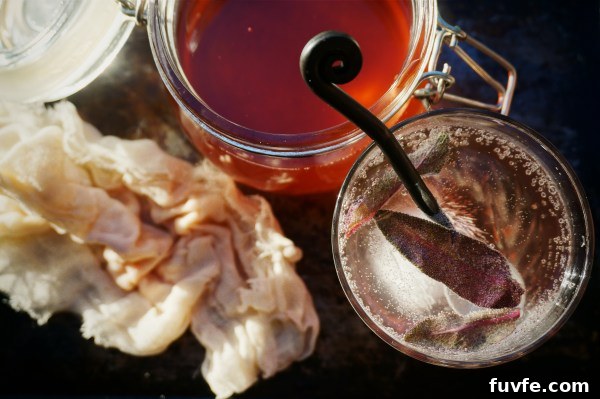
Rhubarb Shrub
Get the Recipe
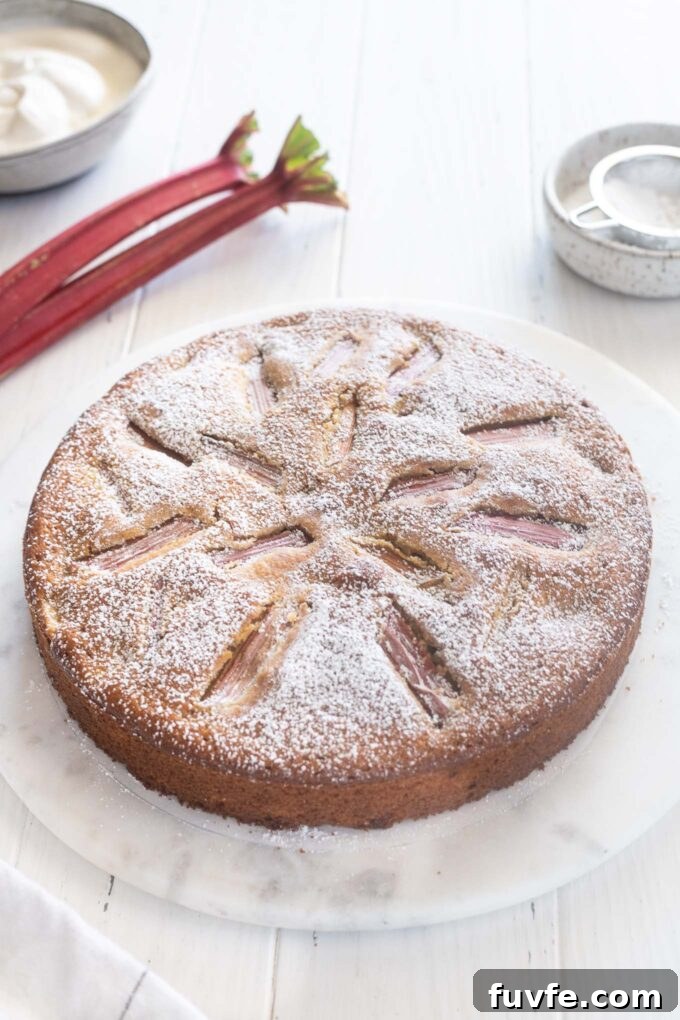
Rhubarb Cake
Get the Recipe
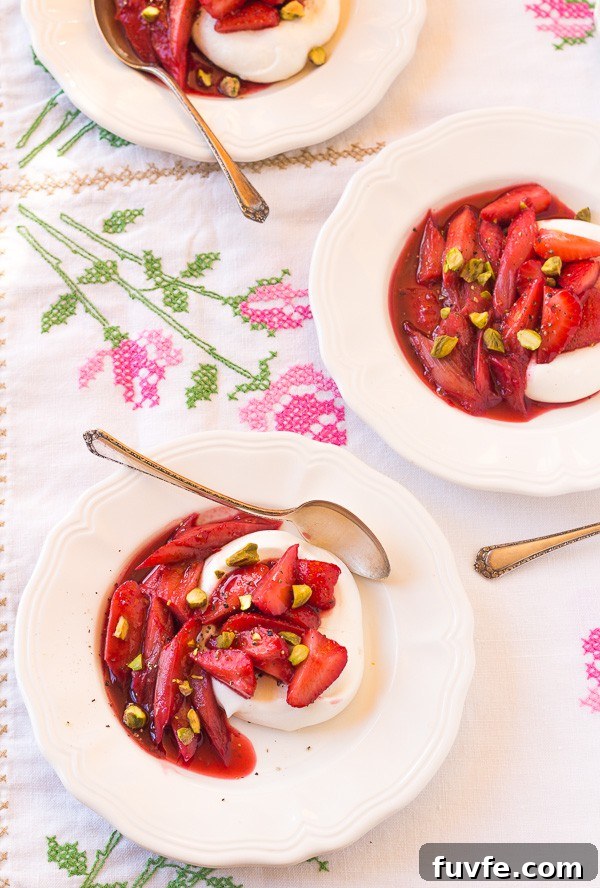
Roasted Rhubarb Crazy Berry Meringues
Get the Recipe
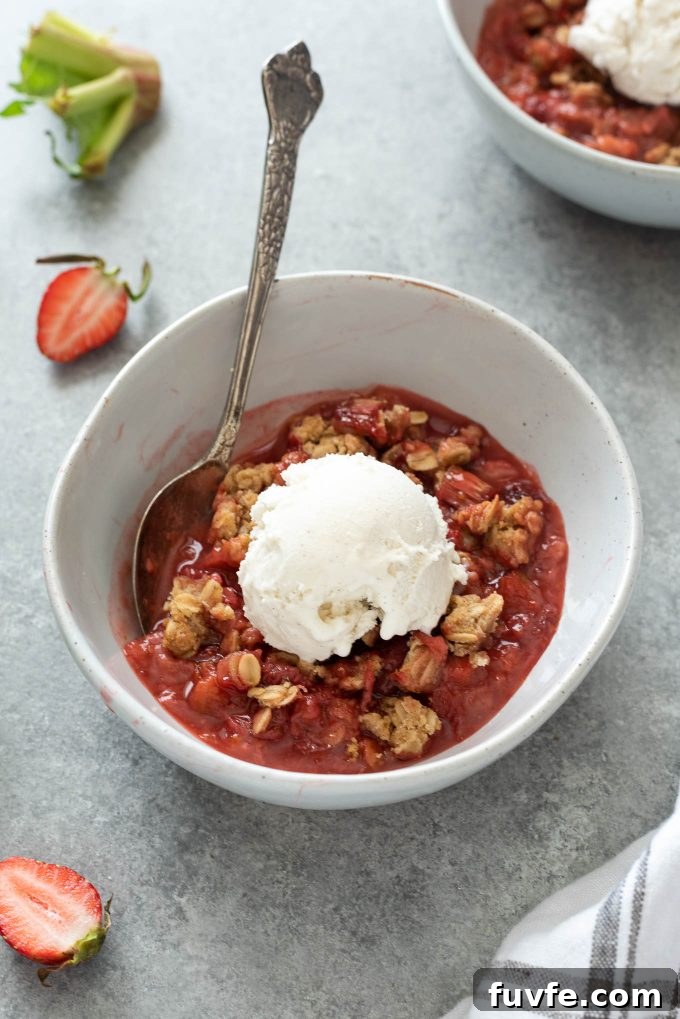
Strawberry Rhubarb Crisp
Get the Recipe
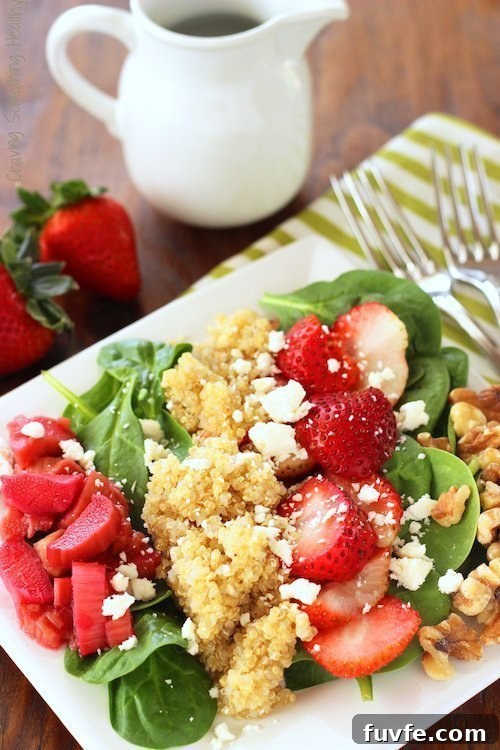
Strawberry Rhubarb Spinach Salad
Get the Recipe
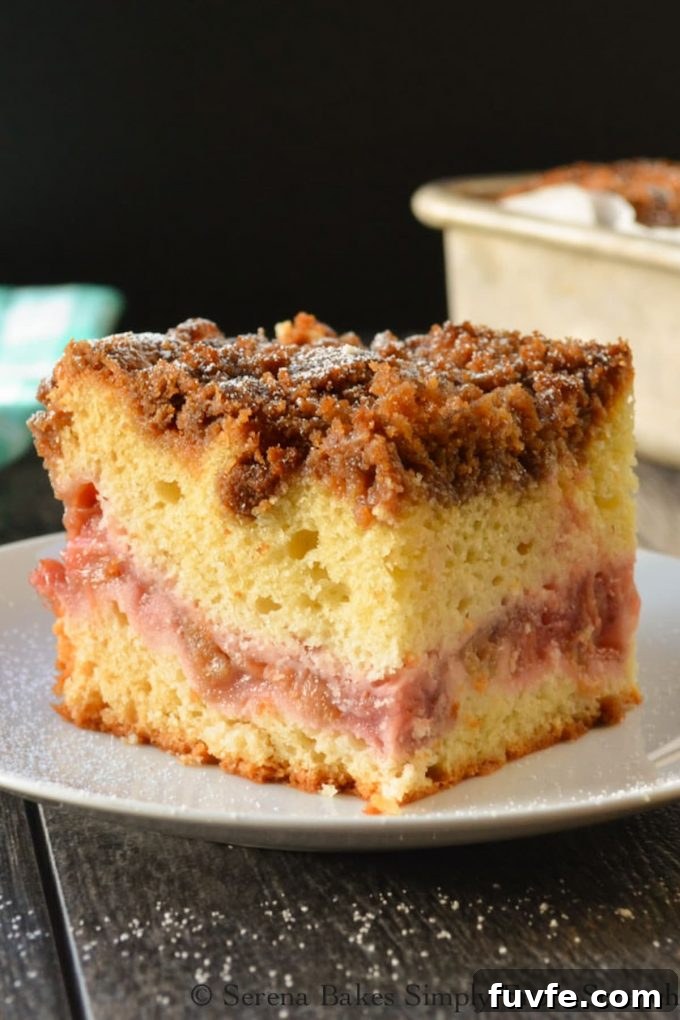
Strawberry Rhubarb Coffee Cake
Get the Recipe
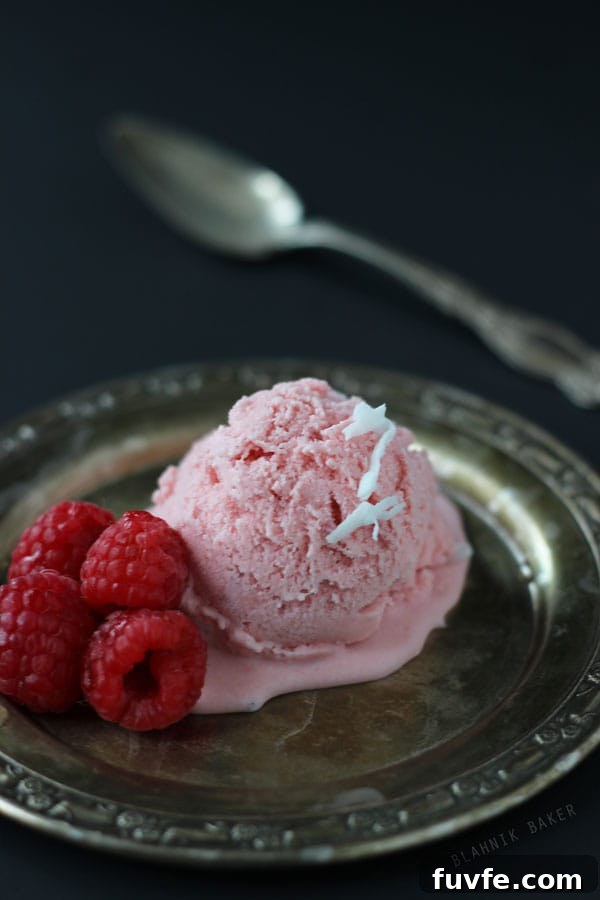
Coconut Raspberry Rhubarb Ice Cream
Get the Recipe
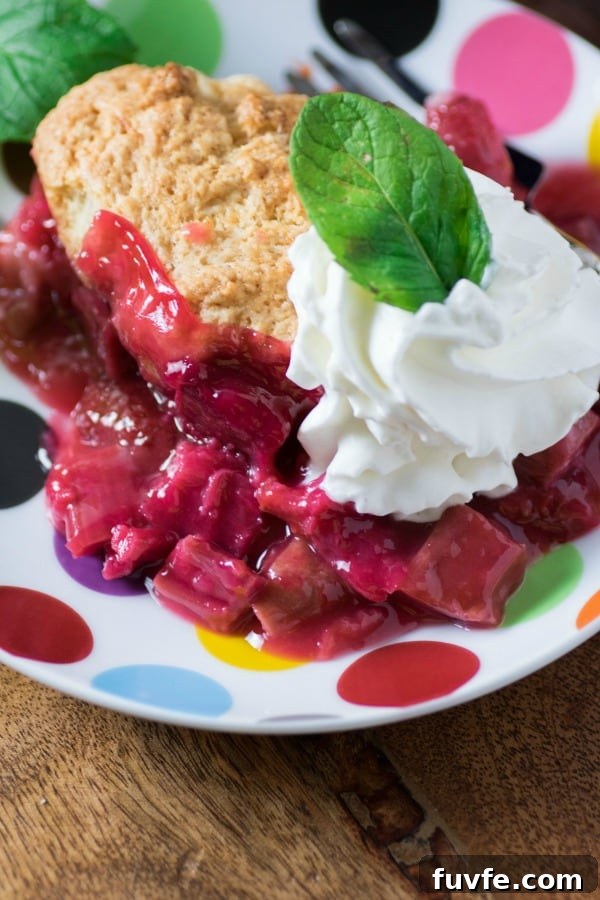
Rhubarb Strawberry Cobbler
Get the Recipe
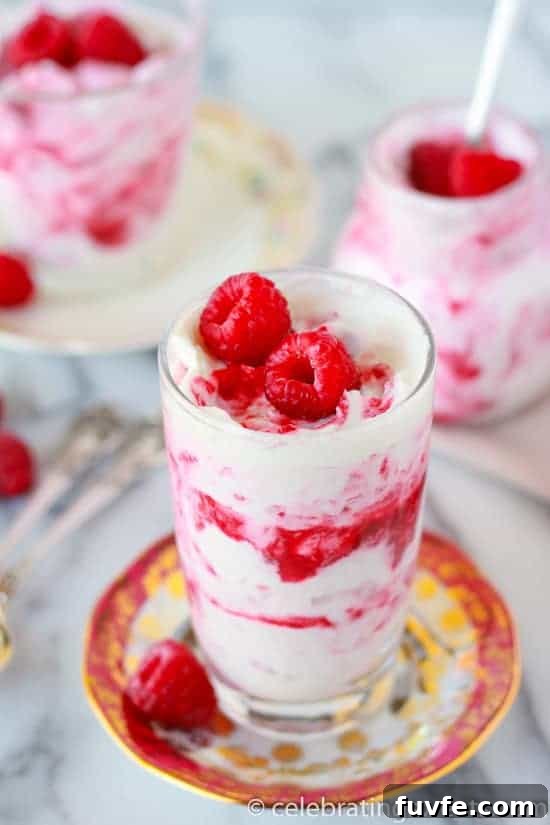
Raspberry Rhubarb Fool
Get the Recipe
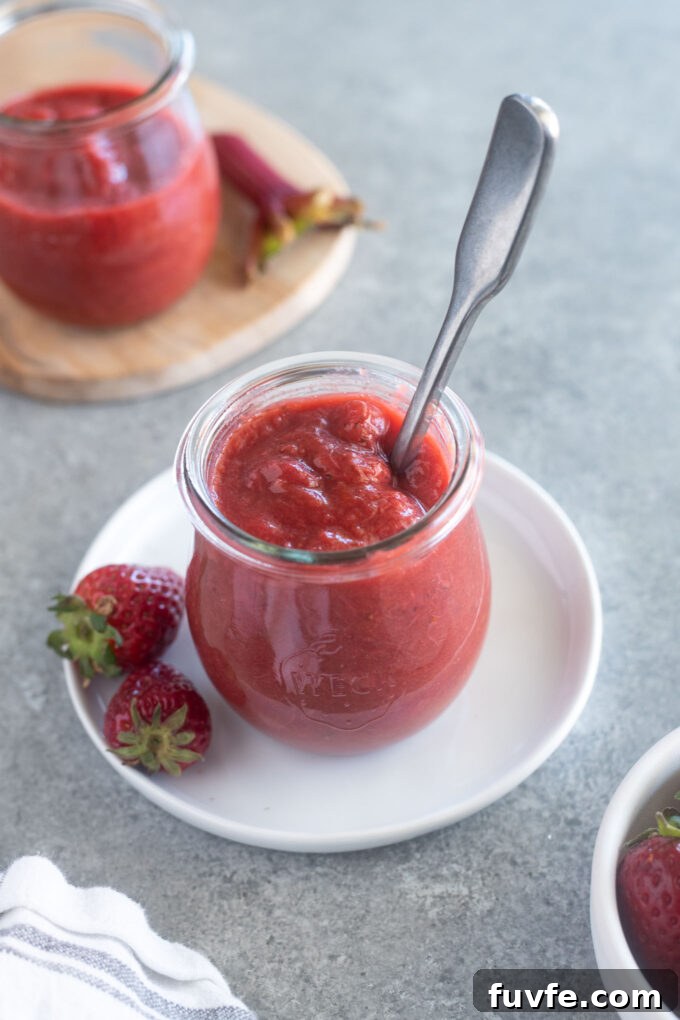
Small Batch Strawberry Rhubarb Jam
Get the Recipe
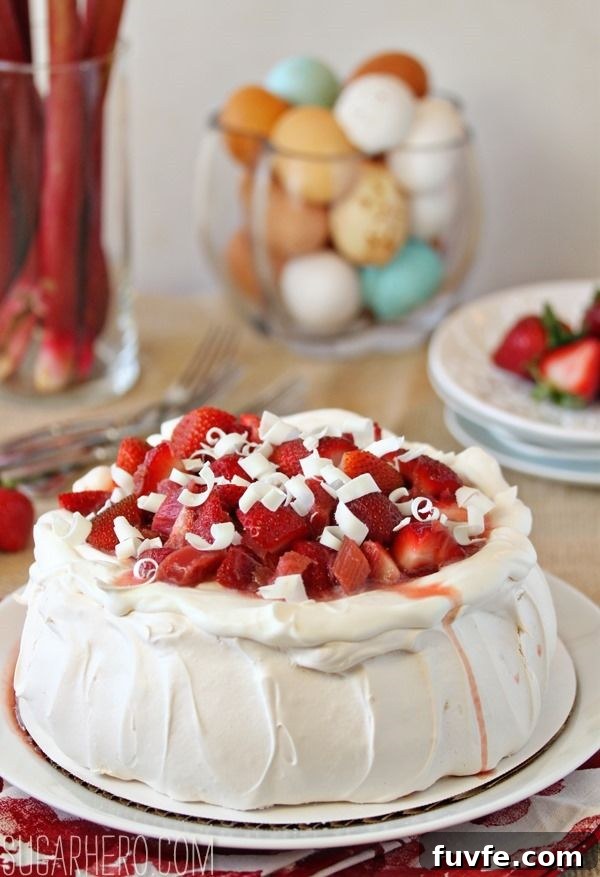
Strawberry Rhublova
Get the Recipe
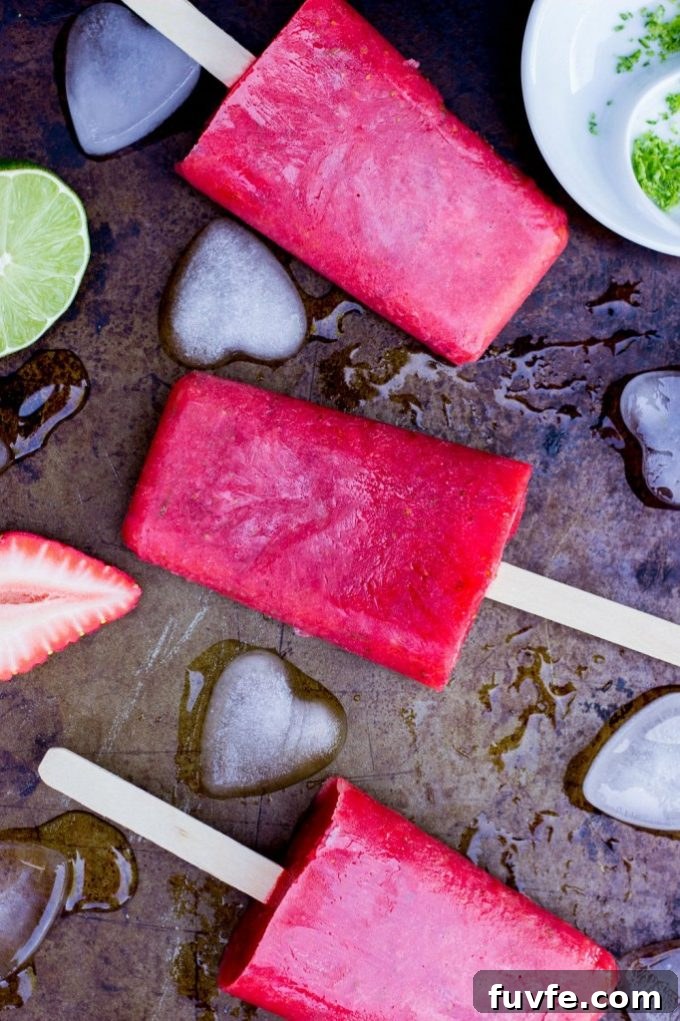
Strawberry Rhubarb Popsicles
Get the Recipe
Rhubarb Cobbler With Mint
Get the Recipe
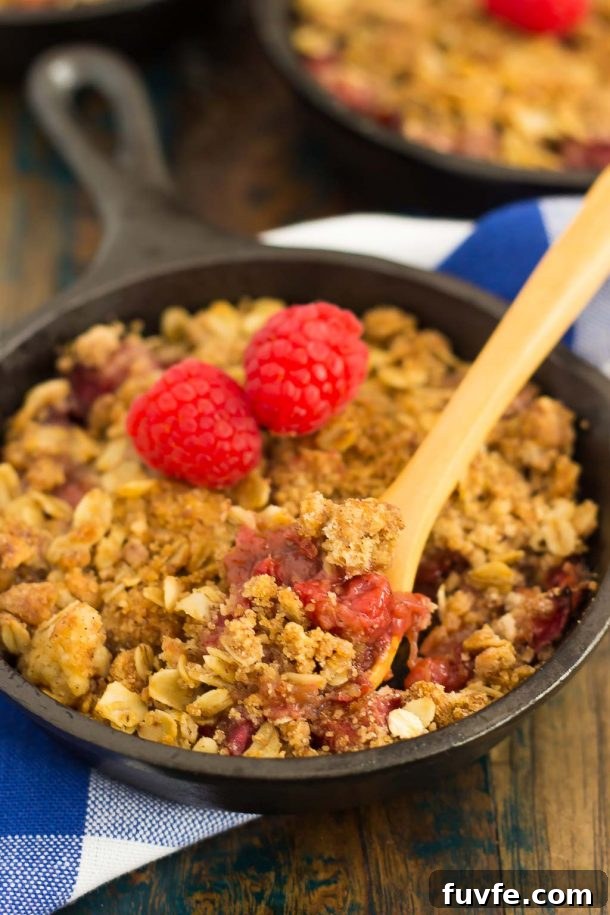
Raspberry Rhubarb Crisp
Get the Recipe
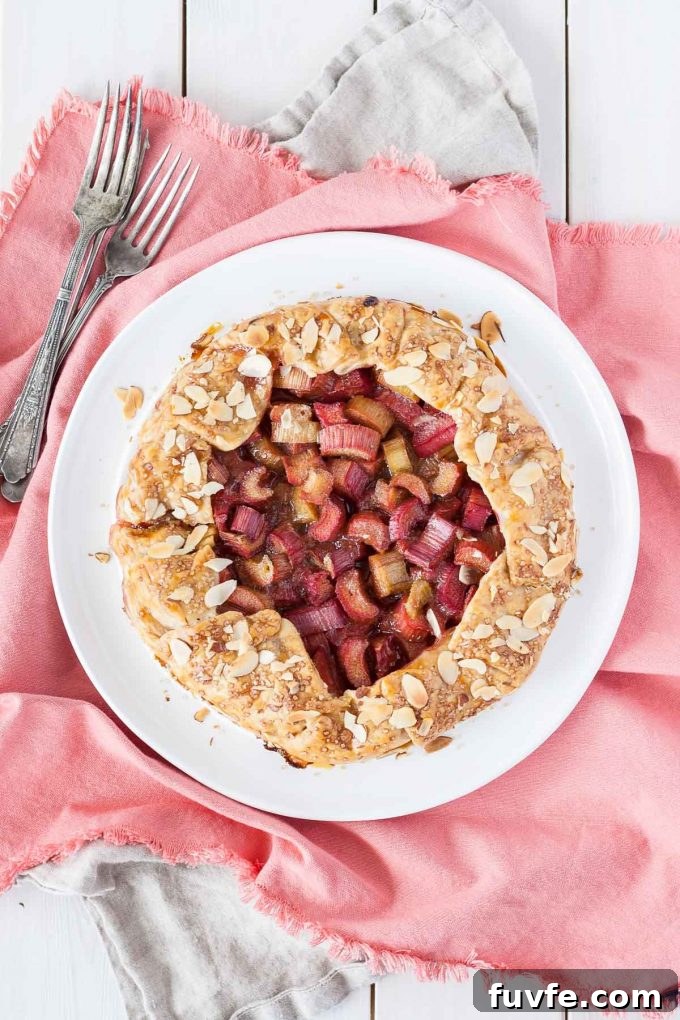
Rhubarb Galette
Get the Recipe
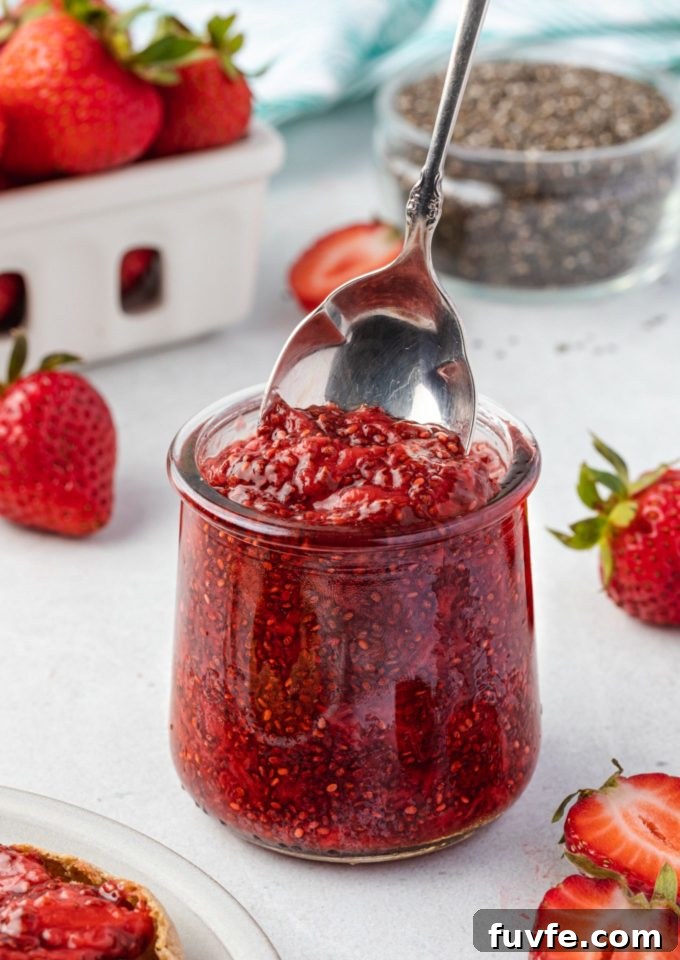
Easy Chia Jam
Get the Recipe
References:
- Food Facts: rhubarb overview
- Healthline: rhubarb nutrition and benefits
- Wikipedia: Rhubarb