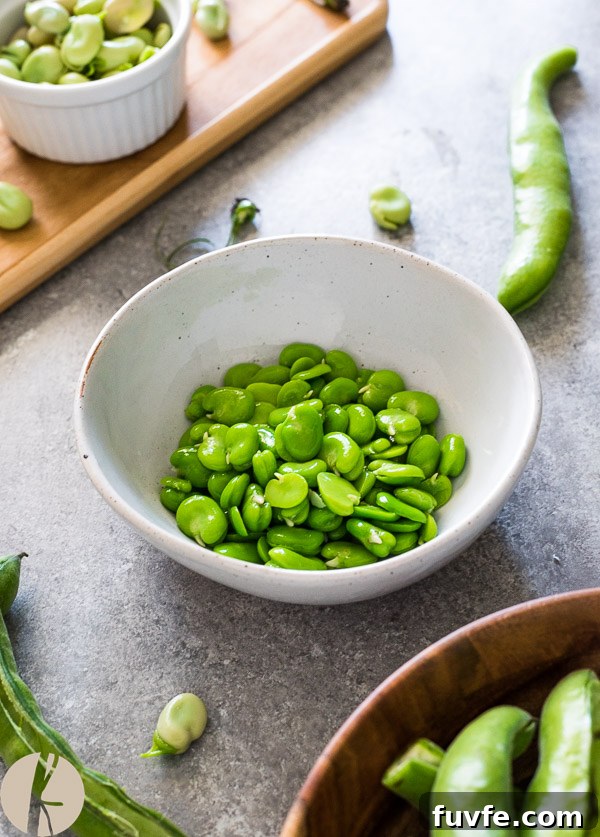
How To Cook Fava Beans is a clear, step-by-step guide to preparing fava beans so you can enjoy their tender, creamy texture—one of the true highlights of spring produce.
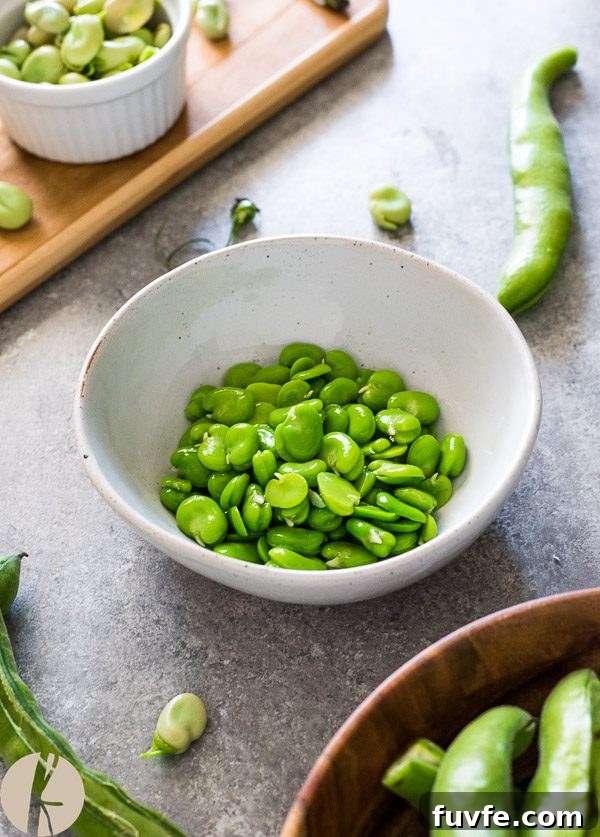
If you’ve ever walked past a pile of fava beans at the farmer’s market unsure what they are or how to use them, you’re not alone. Fava beans look like large, rustic pea pods and can be intimidating at first glance. Once you try them, though, you’ll likely wonder why you waited so long.
Fresh fava beans are richer and more delicate than English peas—creamy and bright, with a distinct springtime flavor. They do require a little prep work, which is why many home cooks shy away, but the payoff is worth the effort.
I now seek fava beans at markets every spring, and when I’m growing them at home I often freeze a portion of the harvest so I can enjoy them year-round. Below I’ll walk through the simple but important steps to prep and cook them, plus tips for using and storing your beans.
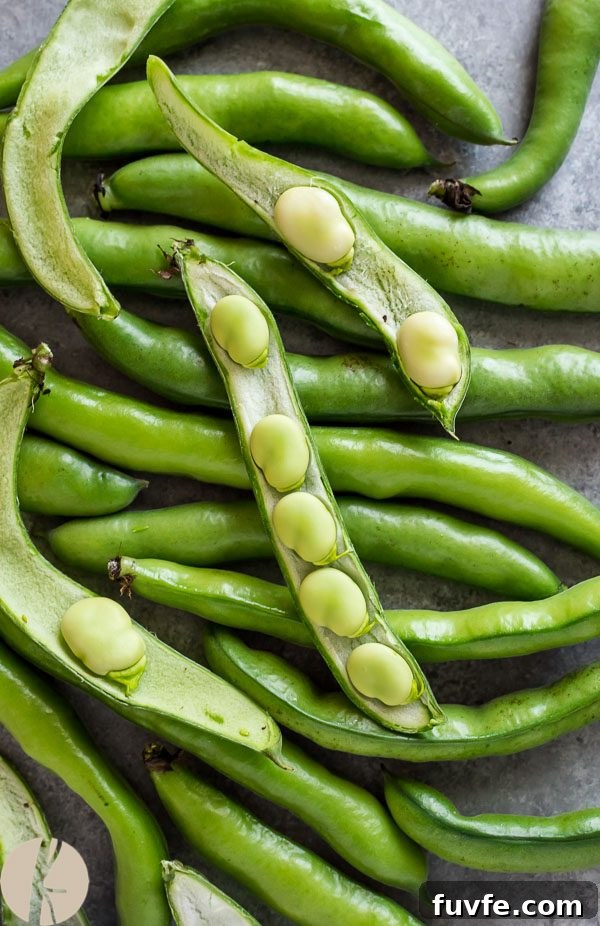
My first time preparing fava beans was eye-opening. If you’ve ever shelled fresh English peas, you know how special that flavor can be; fava beans are even more luxurious—velvety, slightly nutty, and unmistakeably spring.
Because of the extra step of removing the waxy outer skin, many cooks consider fava beans a restaurant-worthy ingredient. The skin is edible but tends to be chewy and masks the delicate interior. Removing it takes a little patience, but it makes the texture and flavor shine.
Here are the basic steps and tips to make the process straightforward and efficient.
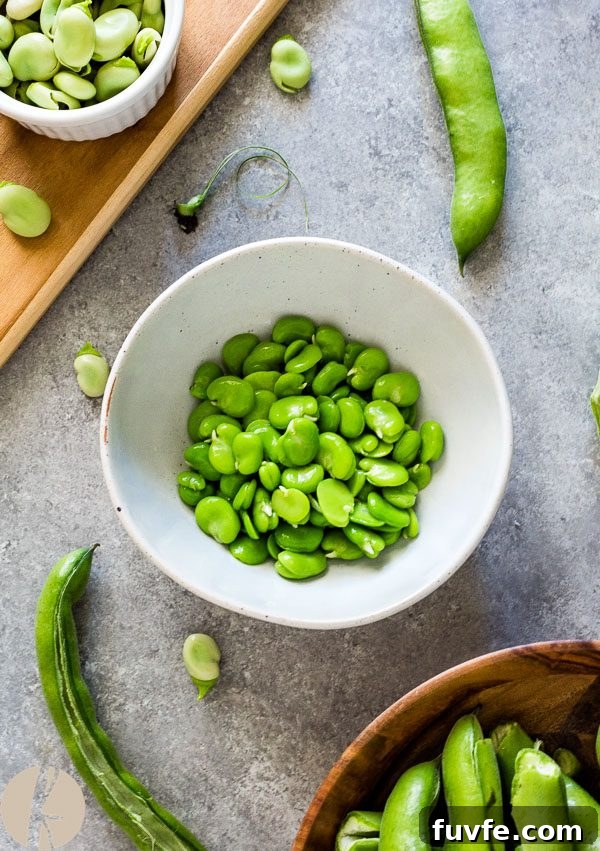
Cooking fava beans
Prepping fava beans involves two steps: shelling the pods and removing the waxy outer skin from the beans themselves. Once you do both, the beans are tender, vibrant green, and ready for a wide range of dishes.
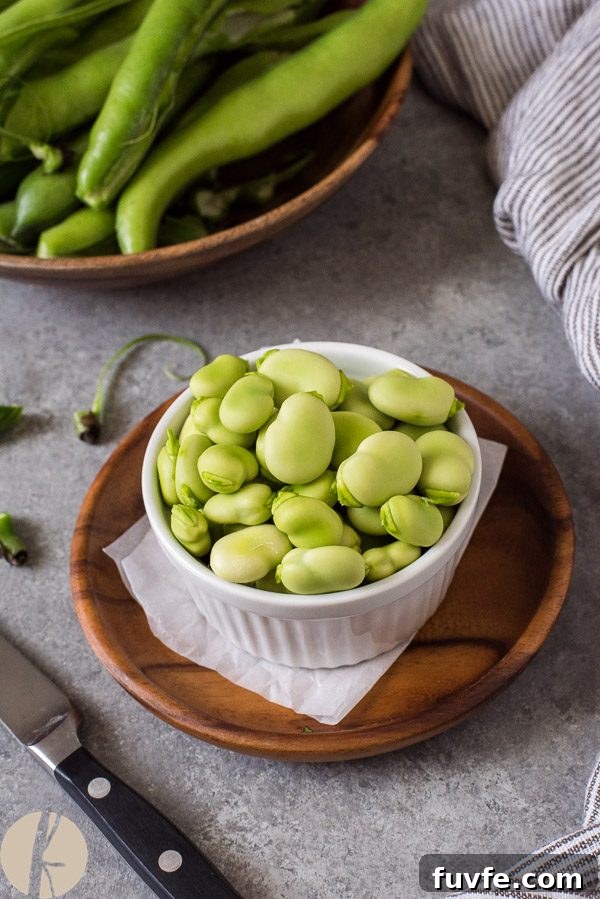
The beans in the photo below have already been shelled but still have their outer skins. That skin can be chewy, so most cooks remove it to reveal the soft bean underneath. Give them a try both ways and you’ll see why many prefer the skinned version.
Step-by-step overview
- To shell fava beans, open the pod along the seam. You can pull back the stem end and “unzip” the pod, or gently start the seam with the tip of a paring knife and peel it open. Expect about 1 cup of shelled beans per pound of pods.
- Bring a pot of water to a boil, and prepare a bowl of ice water. Add a pinch of salt to the boiling water, then add the shelled beans. For lightly cooked beans, simmer for 1 minute. If you plan to purée the beans, simmer them for 3–4 minutes depending on size for a creamier result.
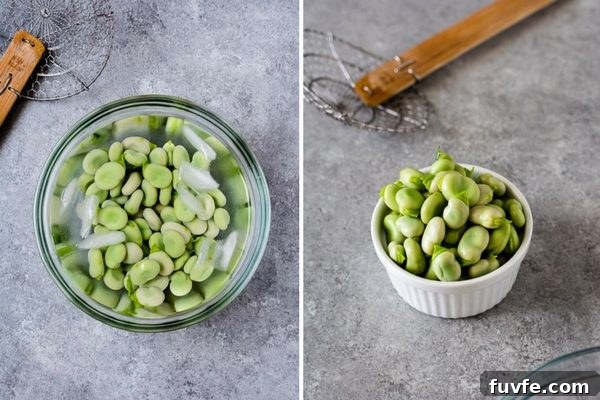
- Drain the beans immediately and plunge them into the ice water to stop the cooking and preserve the bright green color.
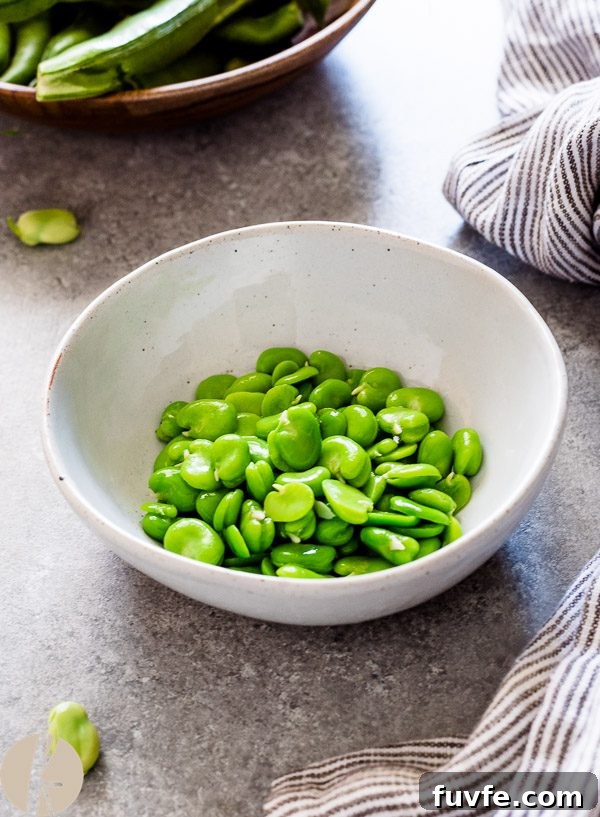
- Once cool, squeeze the bean out of the waxy outer skin by pinching; the inner bean will slide free. That inner bean is soft and sweet and ready for any recipe that calls for peas or fresh spring beans.
Fava beans work wherever you might use peas: pastas, risottos, soups, salads, and even in hummus or purees. They’re a classic component in Peruvian Solterito salad and are excellent when blended into a silky purée for crostini or sauces. Because their color is so vivid they make an attractive addition to spring menus.
Practical tips: you can shell and freeze fava beans in their protective skin for up to six months; when you’re ready to use them, thaw slightly and cook as directed. The green may fade a bit after freezing, but the flavor remains excellent. Once removed from their skins, keep the beans refrigerated in an airtight container for a few days or freeze them for longer storage.
Fava beans are worth the small extra effort—their flavor and texture are a seasonal treat well worth a little prep time.
Did you try this recipe? If so, please leave a review in the comments and share your results on social media.
How To Cook Fava Beans
A concise tutorial for prepping and cooking fava beans so they are tender, creamy, and perfect for spring recipes.
Ingredients
- 1 pound fava beans (in their pods)
- Pinch of salt
Instructions
- Open the pod by pulling back the tip and unzipping it, or carefully use a paring knife along the seam to release the beans. Shelling one pound of pods yields about 1 cup of beans.
- Bring a medium saucepan of water to a boil and prepare a bowl of ice water. Add about a teaspoon of salt to the boiling water, then add the shelled beans. Reduce the heat so the water simmers gently and cook for 1 minute for lightly cooked beans. If making a purée, simmer for 3–4 minutes depending on bean size for a creamier texture.
- Drain the beans immediately and transfer them to the ice water to stop cooking and preserve color. When cool, pinch each bean to slip it out of the waxy outer skin.
- Use the skinned beans in pastas, soups, salads, purees, or any dish that benefits from a bright, creamy spring vegetable.
Notes
- 1 pound of fava beans in their pods yields roughly 1 cup of shelled beans.
- To freeze: shell the beans and freeze them uncooked while still in their skins for up to 6 months. Thaw slightly and cook as directed; color may be less vibrant but flavor remains good.
- After removing skins, store beans in an airtight container in the refrigerator for a few days, or freeze for longer storage.
- For purées, cook 3–4 minutes before removing skins for the creamiest texture.
Nutrition (per serving)
Calories: 125 kcal • Carbohydrates: 22 g • Protein: 9 g • Fat: 1 g • Fiber: 6 g • Potassium: 304 mg
All recipes and images © Flavor the Moments.
Note: A recipe video and updated photos were added to this post in April 2018.