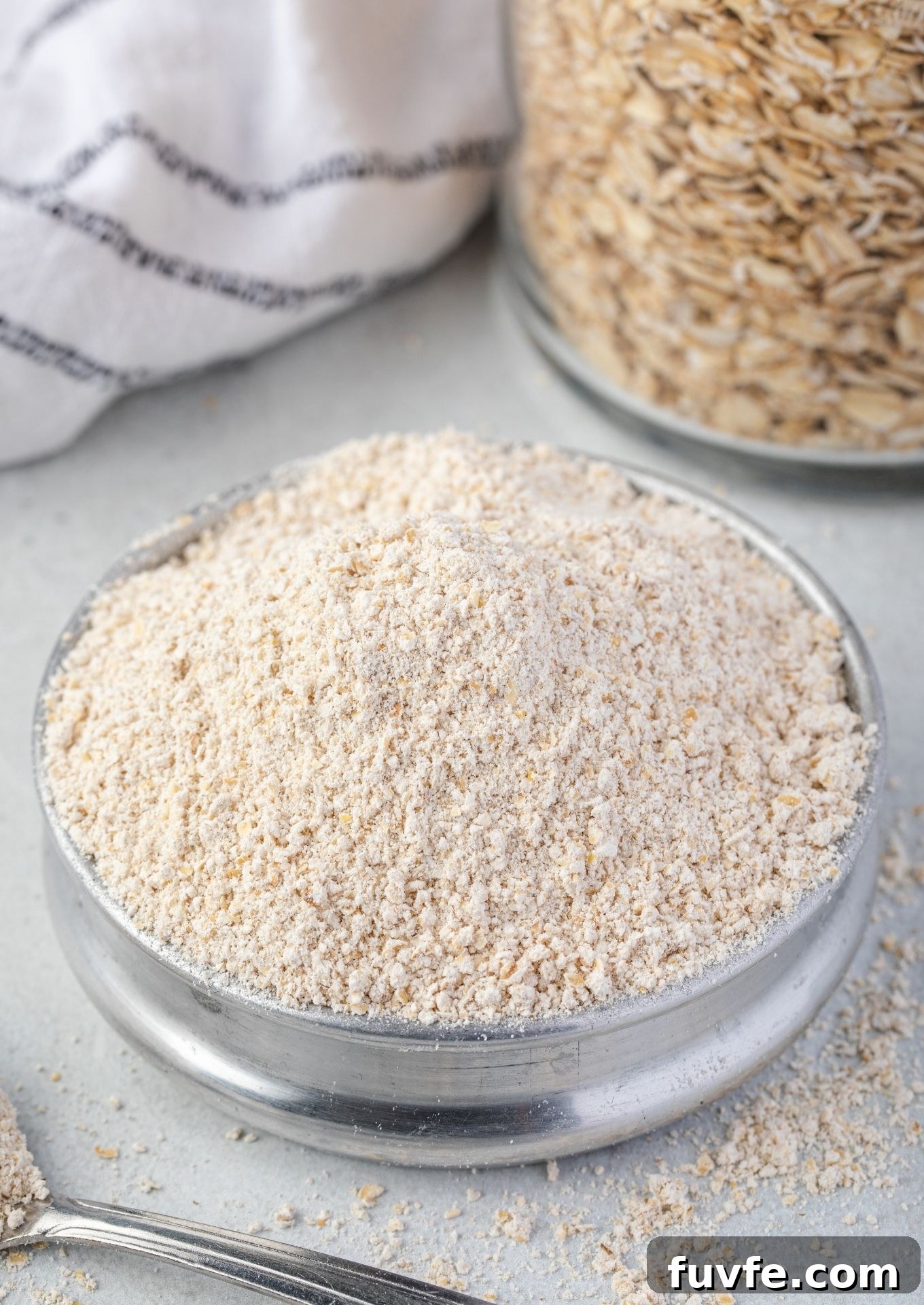
Learn how to make oat flour at home in minutes with this simple guide, then use it in gluten-free baking like pancakes, waffles, muffins and cookies. Homemade oat flour stores well—up to 3 months in an airtight container—and is an economical, wholesome alternative to store-bought flours.
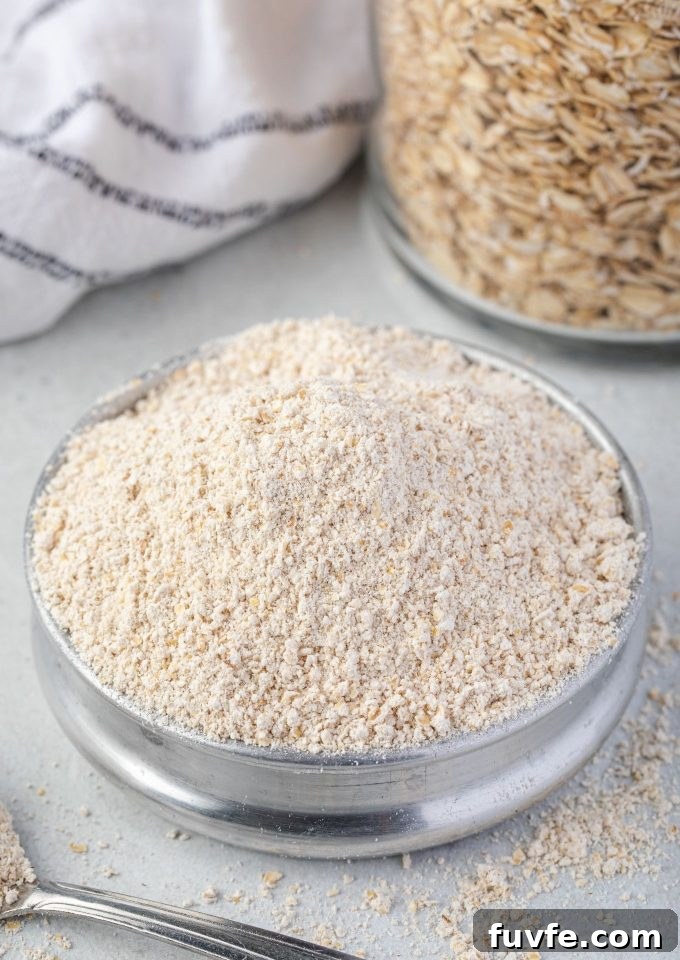
I discovered oat flour more than five years ago when I noticed better digestion after reducing gluten. I experimented with several gluten-free flours and quickly fell in love with oat flour for its nutty flavor and tender texture. It’s excellent in quick breads, muffins, pancakes and waffles, and it pairs especially well with fruit and warm spices.
While you can buy oat flour at many supermarkets or online, making it at home is fast, inexpensive and convenient—especially if you buy oats in bulk. With just rolled oats and a blender or food processor, you can make fresh oat flour in about five minutes.
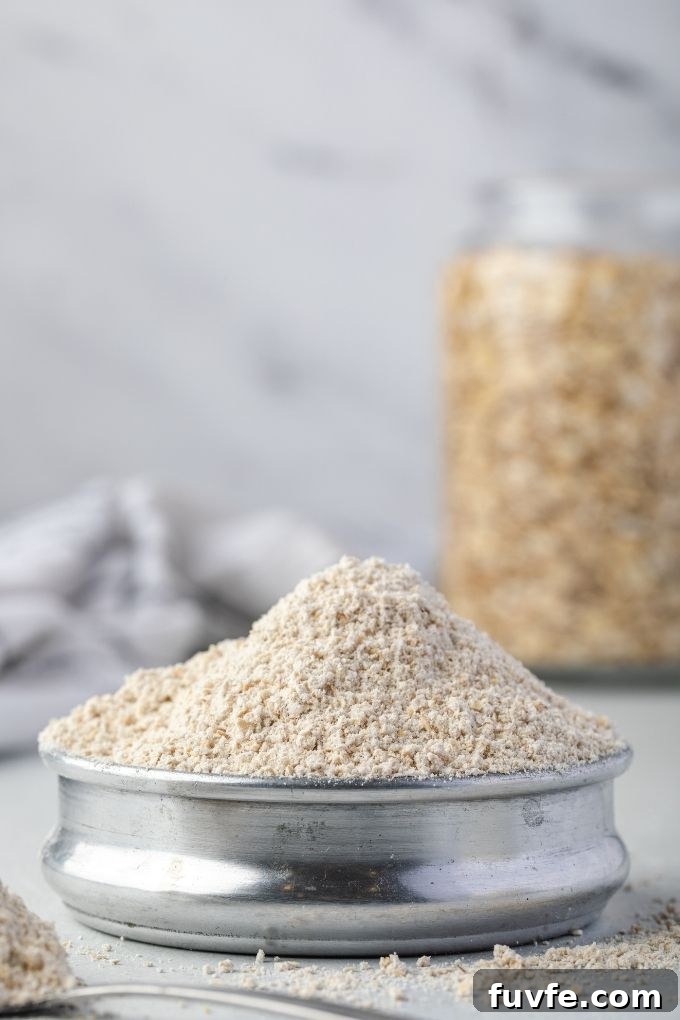
Why you’ll love this recipe:
- Quick and easy: just rolled oats and a blender or food processor.
- Ready in minutes—no baking or special equipment required.
- Stores well in an airtight container for up to three months in the pantry.
- Nutritious and naturally gluten-free when made from certified gluten-free oats.
Recipe ingredients
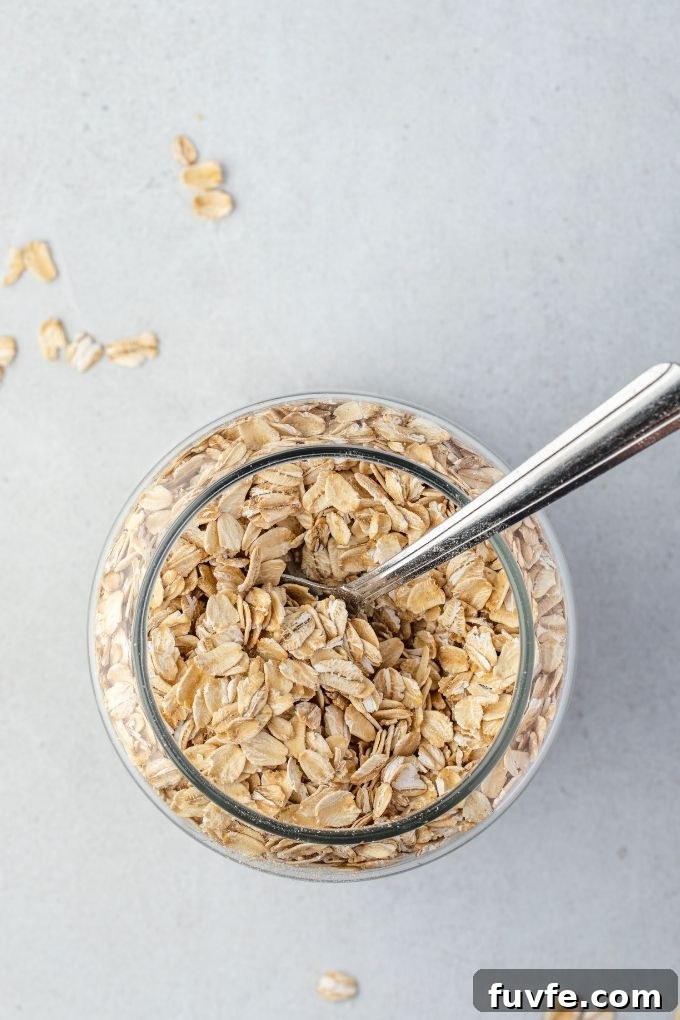
Only one ingredient is required: old-fashioned rolled oats. Oats are a good source of fiber, vitamins and minerals, and they make a versatile, whole-grain flour suitable for many gluten-free recipes.
Ingredient notes
- Rolled oats: Old-fashioned rolled oats are ideal. They’ve been steamed and flattened, which helps them absorb liquid, cook quickly, and grind into a fine, soft flour. They’re less processed than quick oats, making them the preferred choice for homemade oat flour. If you have gluten sensitivity, choose certified gluten-free rolled oats to avoid cross-contamination.
How to make this recipe
This method is straightforward and fast. You’ll need old-fashioned rolled oats, a high-speed blender or food processor, and about five minutes.
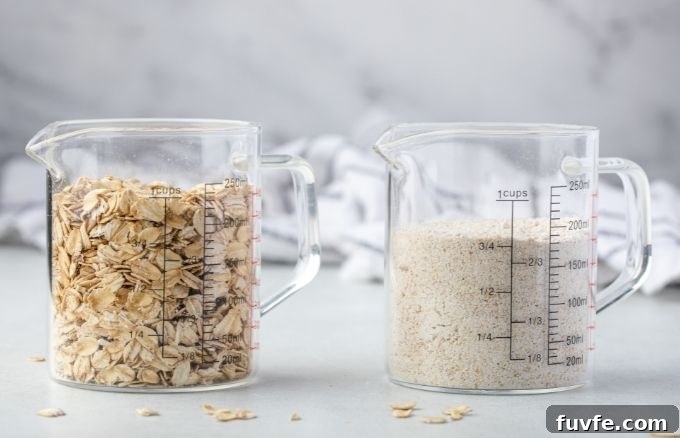
Pro tip: One cup of rolled oats yields about 3/4 cup of oat flour. Keep this conversion in mind when scaling recipes so you have the correct amount of flour for baking.
Simple steps:
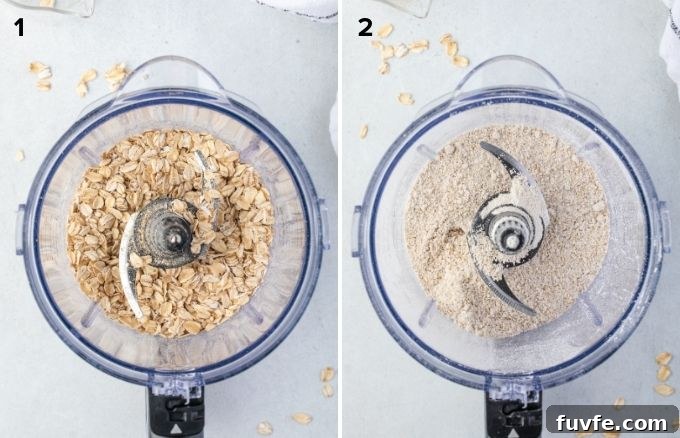
- Measure the rolled oats and place them in a high-speed blender or food processor.
- Pulse or blend until the oats become a fine, even powder—typically 30 seconds to 1 minute depending on your appliance. Shake the container or stir once if needed to ensure even grinding.
FAQs
Is oat flour gluten-free?
Oats themselves are naturally gluten-free, but cross-contamination can occur during processing at facilities that also handle wheat. If you need a strict gluten-free product, buy oats labeled “certified gluten-free.”
Is oat flour healthy?
Oat flour is a whole-grain, nutritious option rich in fiber, vitamins and minerals. It is carbohydrate-rich, so if you have specific dietary concerns or medical conditions, consult a healthcare professional before making significant changes to your diet.
Is oat flour good for baking?
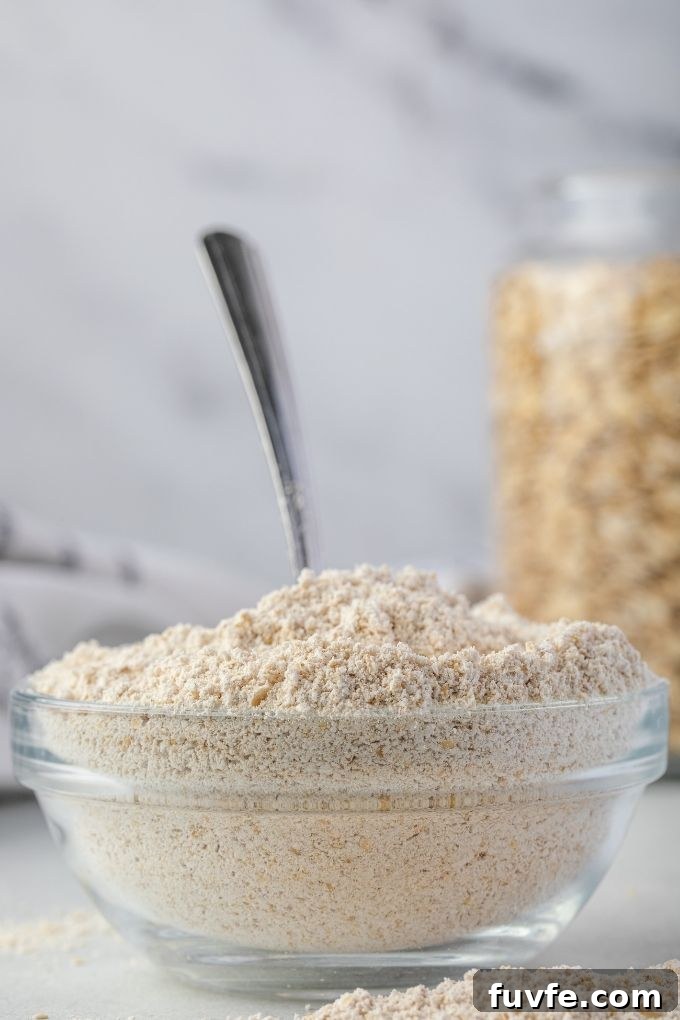
Yes. Oat flour lends a mild, nutty flavor and a soft, tender crumb to quick breads, muffins, pancakes, waffles and cookies. Because it lacks gluten, it behaves differently than wheat flour and often works best in recipes designed for oat or gluten-free flour.
Can I substitute wheat flour with oat flour?
Not directly. Oat flour has a different texture and density and contains no gluten, so it usually requires recipe adjustments or combination with other flours and binding agents to match wheat flour’s performance.
Recipe tips
- Yield: One cup of rolled oats produces about 3/4 cup oat flour. This recipe uses 2 cups of oats, yielding roughly 1 1/2 cups of oat flour (about six 1/4-cup servings).
- Use only old-fashioned rolled oats for best results; they grind to a softer, more even flour than quick oats.
- If you need gluten-free flour, be sure your oats are certified gluten-free to avoid cross-contact.
- Make a larger batch and store it in an airtight container in the pantry for up to three months. For longer storage, keep it in the refrigerator or freezer.
Oat flour recipes you’ll love:
- Banana muffins
- Banana snack cake
- Carrot oatmeal muffins
- Cornbread
- Gluten-free pumpkin bread
- Banana waffles
- Morning glory muffins
- Oatmeal chocolate chip cookies
- Pumpkin muffins
- Peanut butter banana muffins
- Pumpkin oat pecan coffee cake
- Pumpkin waffles
- Sweet potato waffles
- Blueberry oat-flour waffles
Did you try this? If so, leave a review and share a photo of your bakes so others can see the results.
How to Make Oat Flour
Servings: 6 | Prep Time: 5 mins | Total Time: 5 mins
Ingredients
- 2 cups old-fashioned rolled oats
Instructions
- Place the oats in a high-speed blender or food processor fitted with the blade attachment and secure the lid.
- Process until the oats become a fine powder, about 30 seconds to 1 minute. Stop and stir or shake the container if any larger pieces remain, then continue until smooth.
Notes
- One cup of rolled oats yields about 3/4 cup oat flour. This recipe makes approximately 1 1/2 cups of oat flour.
- Only use old-fashioned rolled oats for best texture.
- For a gluten-free product, choose certified gluten-free oats.
- Store in an airtight container in the pantry for up to 3 months; refrigerate or freeze for longer shelf life.
Nutrition (per 1/4 cup)
Calories: ~102 kcal • Carbohydrates: ~18 g • Protein: ~4 g • Fat: ~2 g • Fiber: ~3 g
Nutrition values are estimates and intended as a guideline only.
All recipes and images © Flavor the Moments.