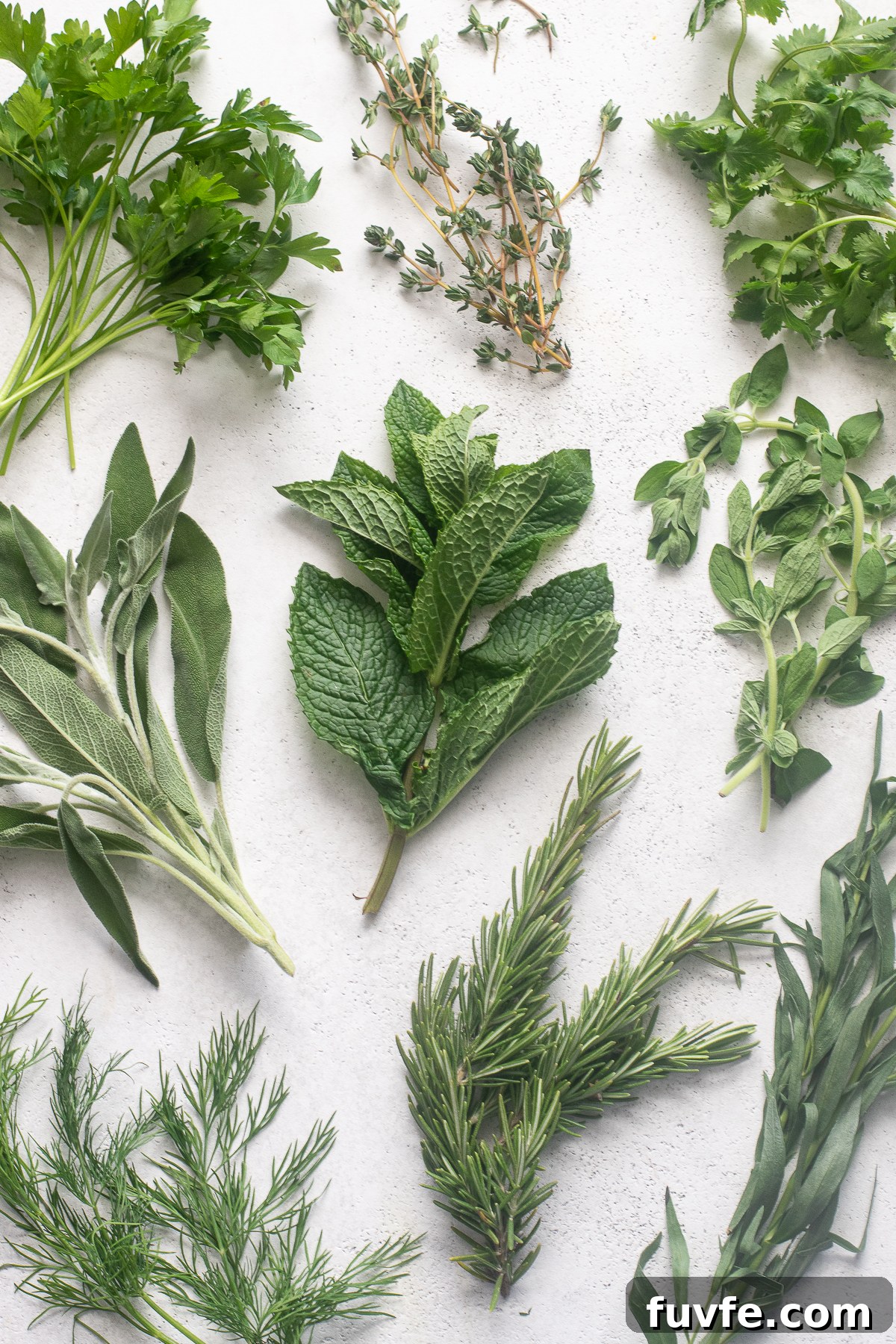
Fresh herbs are one of the simplest ways to lift ordinary meals into something memorable. Whether you’re seasoning a sauce, brightening a salad, or finishing a plate with a garnish, fresh herbs bring aroma, color, and flavor that dried herbs can’t quite match. This guide walks through 12 popular culinary herbs, their flavor profiles, best uses, and practical tips for storing and freezing them so you can get the most from every sprig.
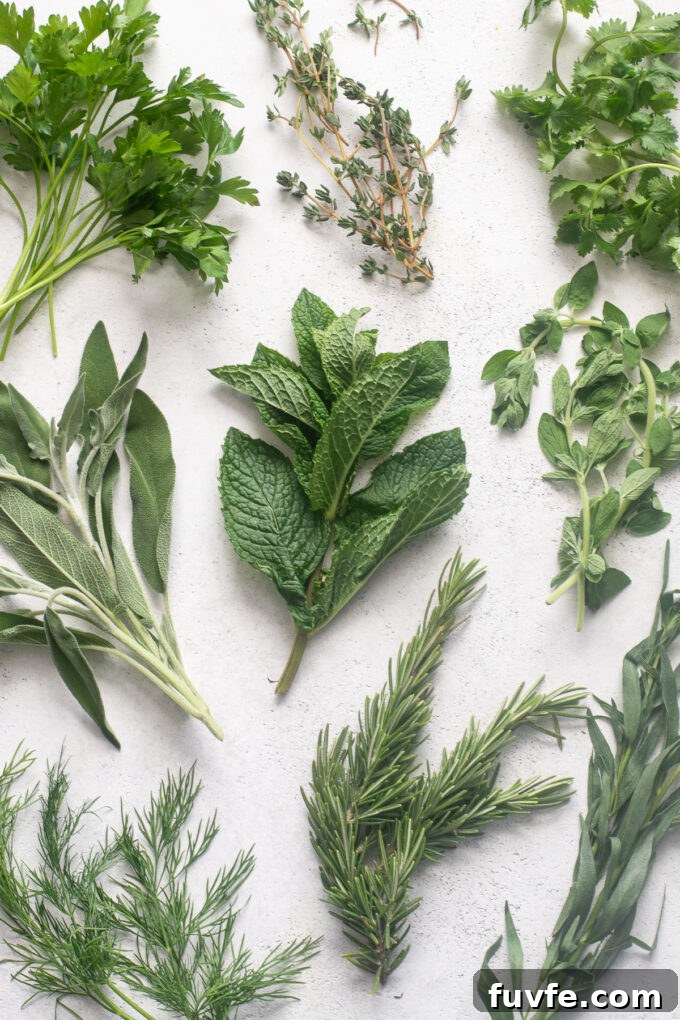
Spring and summer are ideal times to work with fresh herbs when many varieties are at their peak. Used often, herbs are a quick and affordable way to make a simple dish feel special.
Why choose fresh over dried? Fresh herbs add bright, layered flavor along with texture and a visual pop that dried herbs can’t reproduce. They’re excellent raw in salads, blended into dressings, muddled into drinks, or sprinkled over finished dishes. That said, dried herbs still have their place—especially in long-simmering soups, stews, and roasts where their concentrated flavor shines.
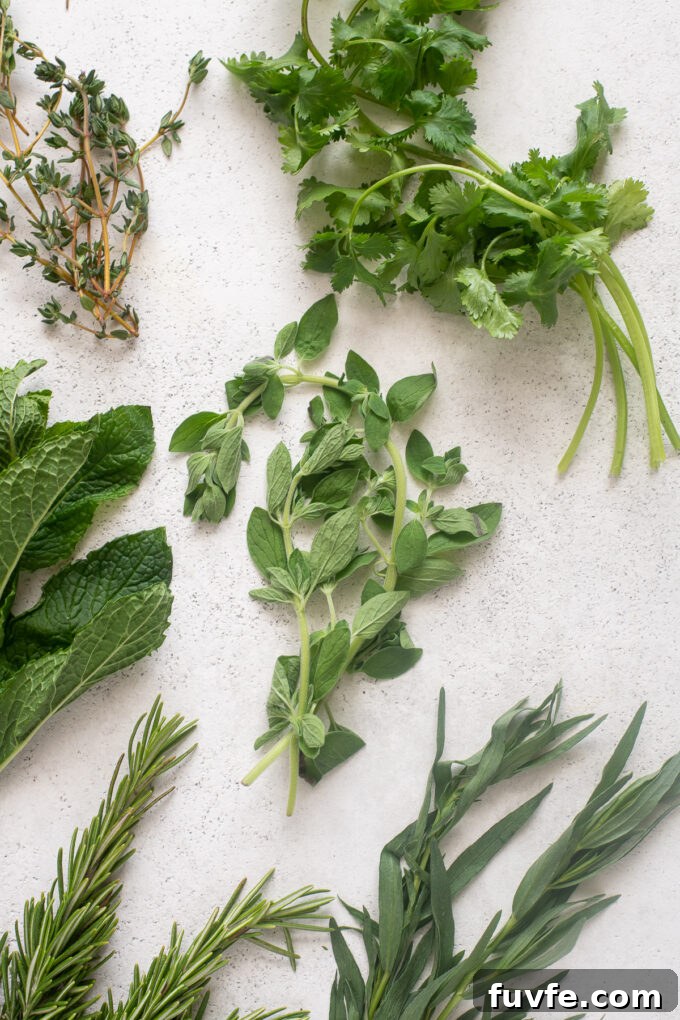
This article covers the 12 most common culinary herbs: basil, bay leaf, cilantro, chives, dill, Italian flat-leaf parsley, mint, oregano, rosemary, sage, tarragon, and thyme. For each herb you’ll find a brief flavor description, typical uses, and storage or freezing tips.
Let’s get started with how to identify and use these herbs in the kitchen.
12 Common types of fresh herbs to cook with
These 12 herbs fall into two broad categories: tender herbs with soft stems and leaves, and woody herbs with tougher, more aromatic stems. They’re used differently in recipes, so knowing which to add early or late in cooking helps you get the best flavor.
I also recommend consulting a trusted flavor reference to explore pairing ideas and expand how you use fresh herbs in your cooking.
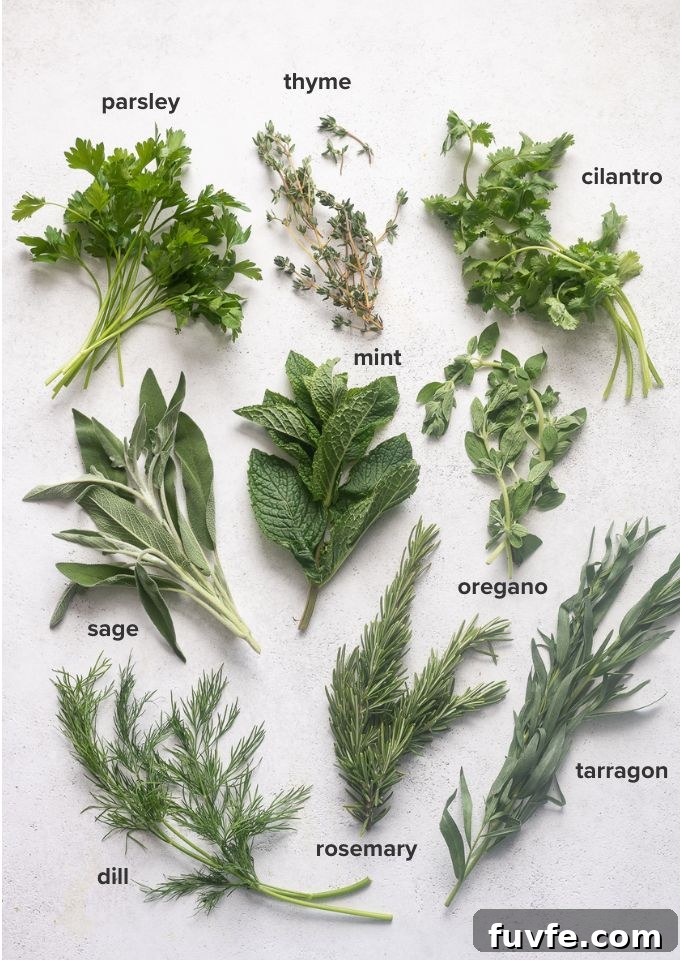
Tender herbs
Tender herbs have soft stems and delicate leaves. They’re best added raw or at the end of cooking to preserve their bright, fresh flavors. Both leaves and stems are generally edible, and these herbs are perfect for salads, dressings, cold sauces, and as garnishes.
- Basil. Sweet with a hint of pepper, basil is classic in fresh tomato salads and in basil-based pestos.
- Chives. Mild, fresh onion notes make chives ideal for salads, creamy dressings, or as a finishing touch on deviled eggs and mashed potatoes.
- Cilantro. Citrusy and slightly peppery, cilantro is commonly used raw in salsas, rice dishes, and as a garnish. Note: some people perceive cilantro as soapy due to genetic differences.
- Dill. Bright, grassy, with subtle anise notes—dill pairs beautifully with yogurt dips, fish, and potato salads.
- Mint. Cool and refreshing, mint works well in grain salads, fruit dishes, and cocktails.
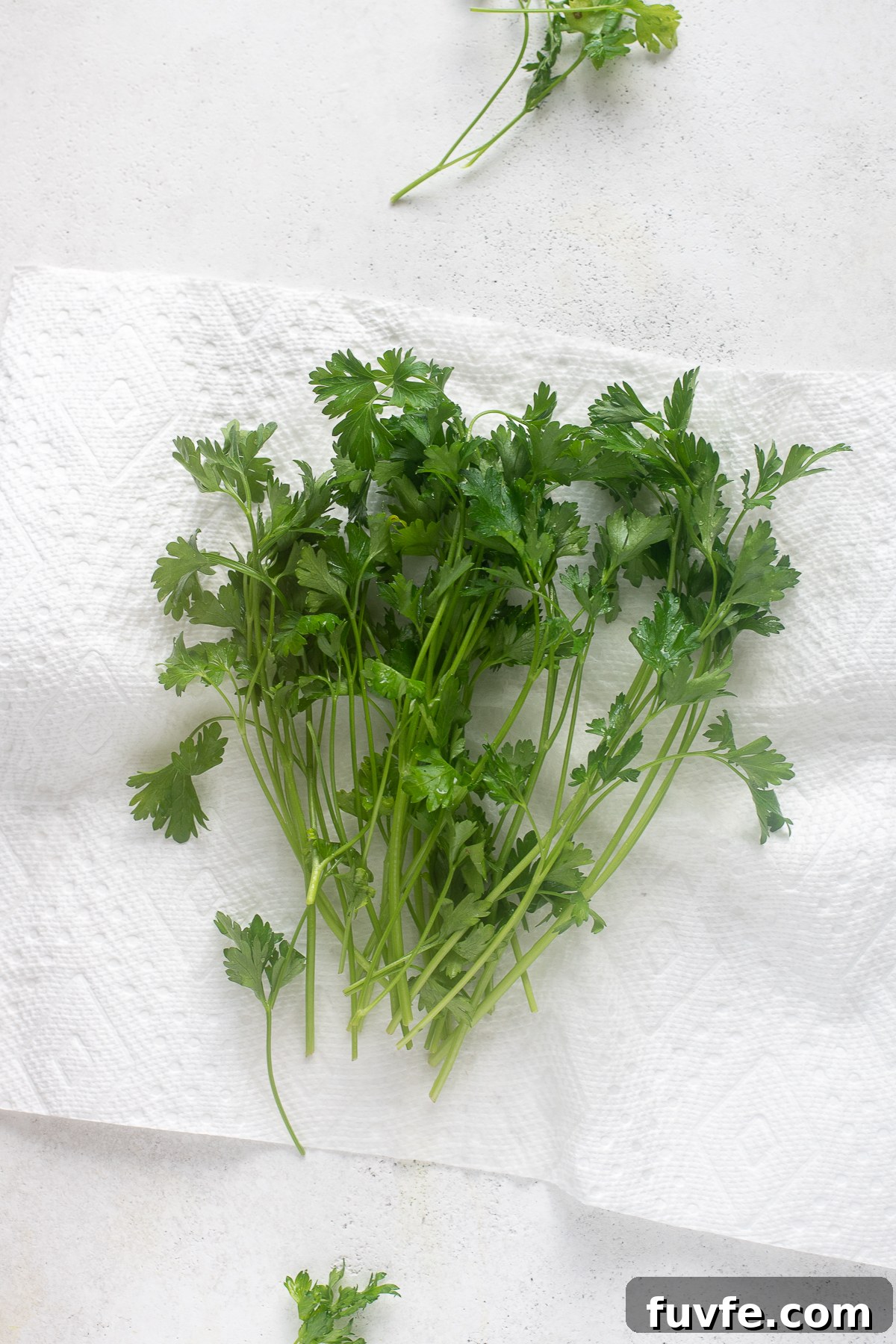
- Parsley (Italian flat-leaf). Clean, grassy, and slightly peppery, parsley adds color and freshness to many dishes and forms the base for sauces like chimichurri.
- Tarragon. Slightly sweet with a mild anise character, tarragon is a classic in chicken salads, egg dishes, and creamy sauces.
Woody herbs
Woody herbs have firmer stems and more concentrated flavors. They release their oils best when cooked slowly, so add them early in the cooking process to allow their aroma to infuse the dish. Stems are usually discarded before serving.
- Bay leaf. Herbal, floral, and slightly bitter. Fresh bay leaf is milder than dried; use it to flavor stocks, soups, and long-simmered vegetable dishes—remove before serving.
- Oregano. Bold, slightly spicy, and earthy. Greek oregano is particularly robust; use oregano in marinades, tomato-based sauces, and Mediterranean salads.
- Rosemary. Strong, pine-like, and aromatic—rosemary is excellent with roasted vegetables, potatoes, and sturdy meats; it can also be used to infuse oils or cocktails.
- Sage. Sweet, bitter, and earthy with a pronounced aroma. Avoid eating it raw; fried sage leaves are excellent as a garnish and it’s a classic component in stuffing and rich autumn dishes.
- Thyme. Earthy with subtle lemon notes. Thyme adds depth to braises, stews, and roasted poultry, and pairs well with cheeses and honey-forward preparations.
How to store fresh herbs
There are three reliable ways to keep fresh herbs usable longer: herb keepers, a damp paper towel inside a zip-top bag, and the countertop bouquet method. My favorites are herb keepers and the damp towel approach because they consistently extend freshness.
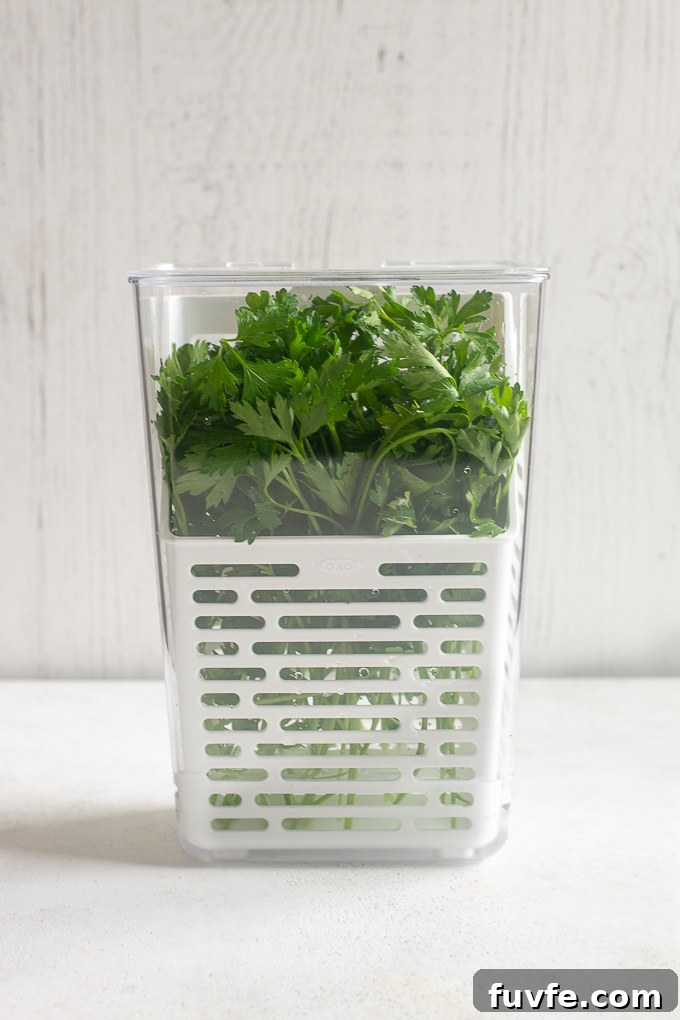
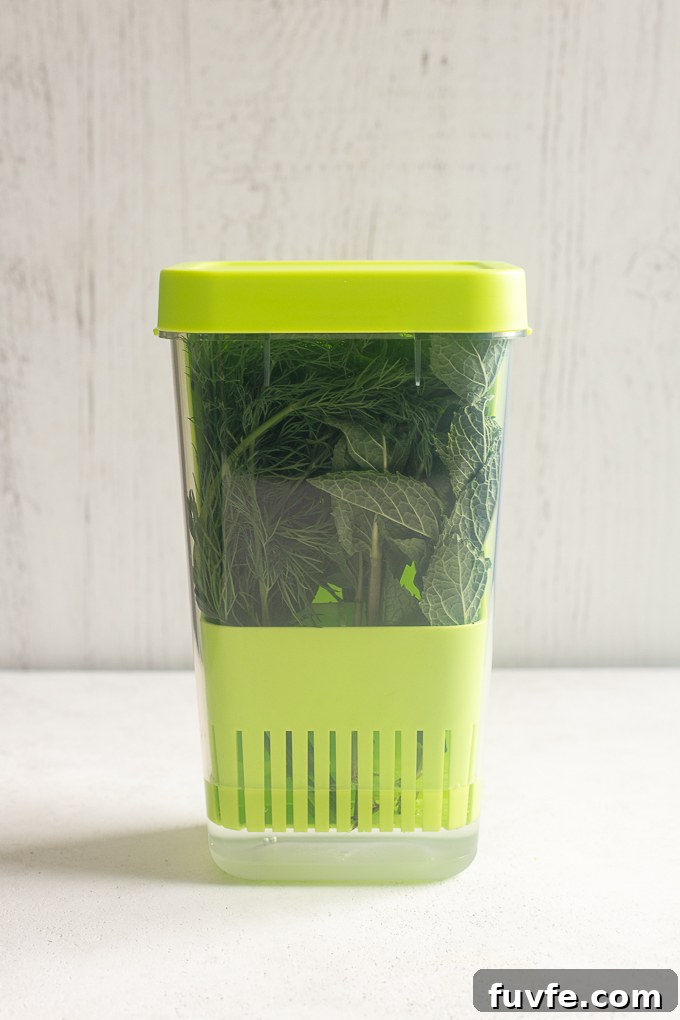
Herb keepers
Herb keepers are containers designed to hold a small amount of water and keep herbs upright like a bouquet. With about an inch of water and occasional trimming, many herbs will stay fresh up to three times longer than loose in the fridge—some parsley and cilantro have lasted over two weeks in my experience.
To use: discard discolored leaves, trim stems, place stems in water, cover the container, and refrigerate. If moisture accumulates on the leaves, lay a paper towel over the herbs to absorb excess dampness.
Damp paper towel and zip-top bag
If you don’t have an herb keeper, wrapping herbs in a slightly damp paper towel and slipping them into a zip-top bag works very well. This method helps prevent wilting for both tender and woody herbs and can keep them fresh for a week or more.
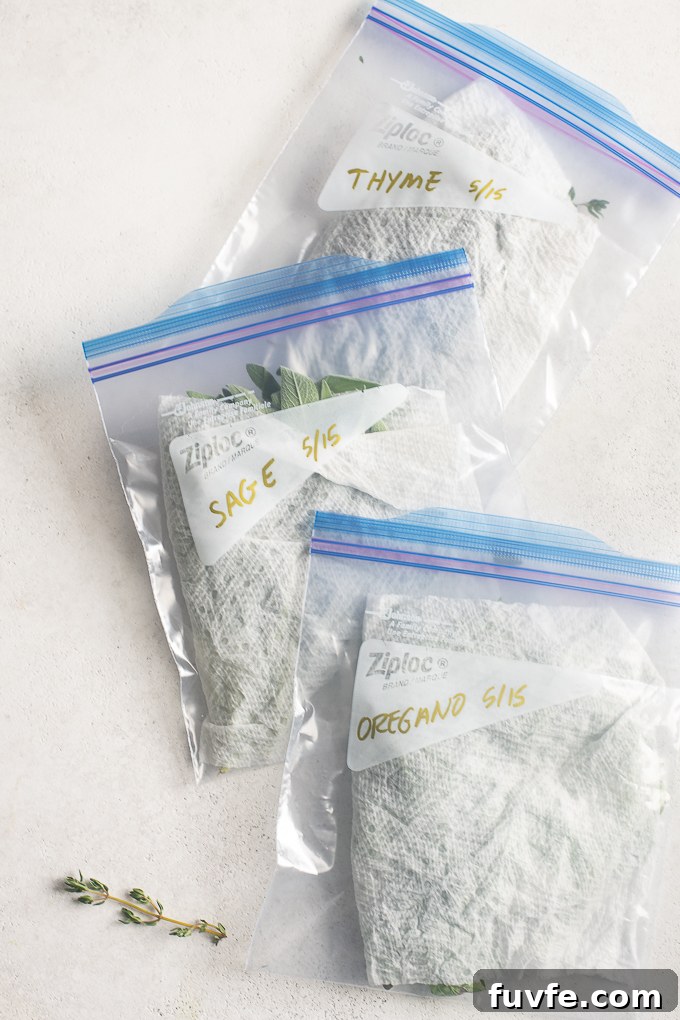
- Lightly moisten paper towels (not soaking wet) and squeeze out excess water.
- Loosely wrap the herbs and place them inside a zip-top bag or airtight container before refrigerating.
Countertop bouquet
For tender herbs only, you can treat them like fresh flowers: trim the stems, place them in a jar with an inch or two of water, and leave them on the counter. Change the water every day or two and keep leaves above the water line to avoid rot. This method typically keeps herbs fresh for three to seven days and generally does not work well for basil if refrigerated, since basil can blacken in cold temperatures.
How to freeze fresh herbs
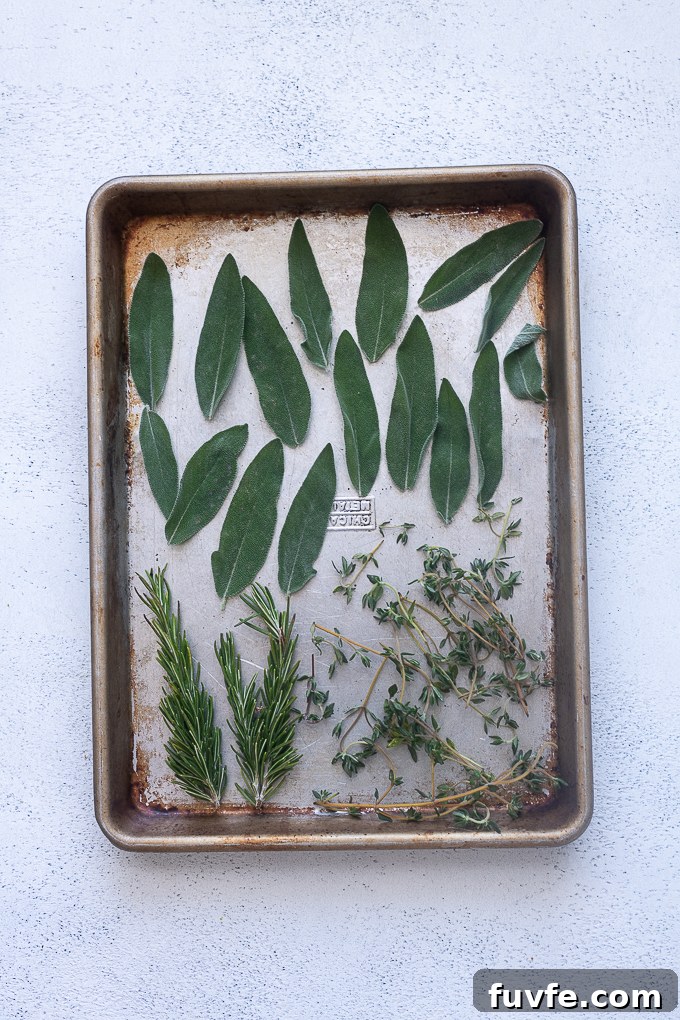
If you grow more herbs than you can use or find a great sale at the market, freezing preserves flavor even though the texture won’t remain quite as fresh. There are two main freezing approaches:
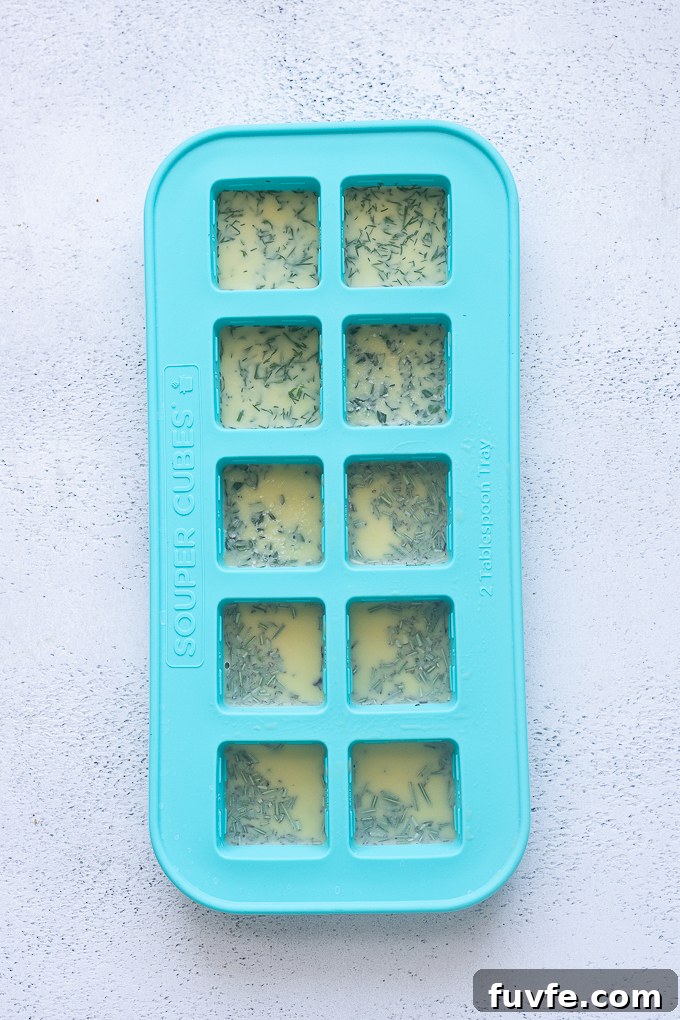
- Freeze chopped herbs in oil or water. Chop herbs, pack them into ice cube trays or small airtight containers, and cover with olive oil or water. Olive oil-preserved cubes keep well for several months and can be added directly to soups, sauces, or sautés.
- Freeze whole leaves or stems. Spread whole herbs on a baking sheet and freeze until solid, then transfer to zip-top bags. This method keeps herbs usable for a few months and works especially well for rosemary, thyme, and parsley.
Fresh herb FAQs
Fresh herbs offer a brighter, more delicate flavor plus color and texture; they’re best added at the end of cooking or used raw. Dried herbs are more concentrated and earthy, and they benefit from longer cooking so their flavors can develop.
Yes—dried herbs can replace fresh, but use less because they’re more intense. A common guideline is to use 1 teaspoon of dried herb for every 1 tablespoon of fresh herb called for.
For woody herbs, strip the leaves from the stems and chop finely. Tender herbs can be chopped with stems included. For basil, stack leaves, roll them lengthwise, and slice across into thin ribbons (a chiffonade). Use a very sharp knife or herb scissors to avoid bruising the leaves.
Washing before storing is optional. If you wash them, use cold water and blot gently to remove moisture—too much dampness speeds decay. Blotting on paper towels works well to dry delicate leaves before refrigerating.
More seasonal produce guides you’ll love:
- August seasonal produce guide
- July seasonal produce guide
- June seasonal produce guide