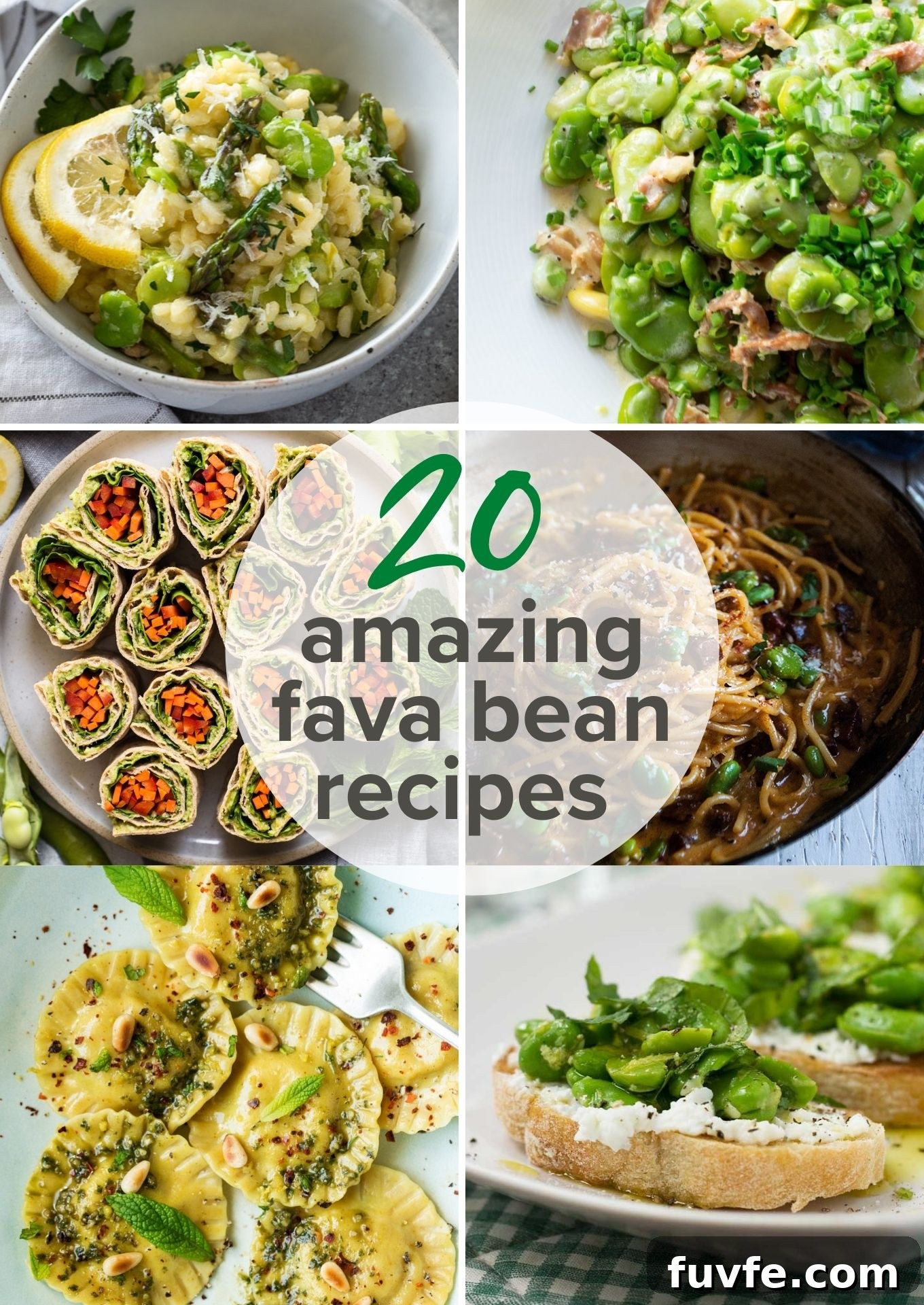
If you’ve ever wondered what to do with fava beans, this curated collection of 15+ delicious fava bean recipes will inspire you. Here you’ll find ideas for salads, spreads, pastas and more, plus practical guidance on growing, selecting, storing, preparing, and understanding the nutrition of fava beans.
Spring produce is a highlight of the season — from asparagus and leeks to peas, radishes and, of course, fava beans. If you haven’t cooked with favas before, you might be surprised at how tender they are and how easily they elevate simple dishes. Their flavor is gentle and slightly sweet, similar to fresh peas but with their own unique character.
FAQs
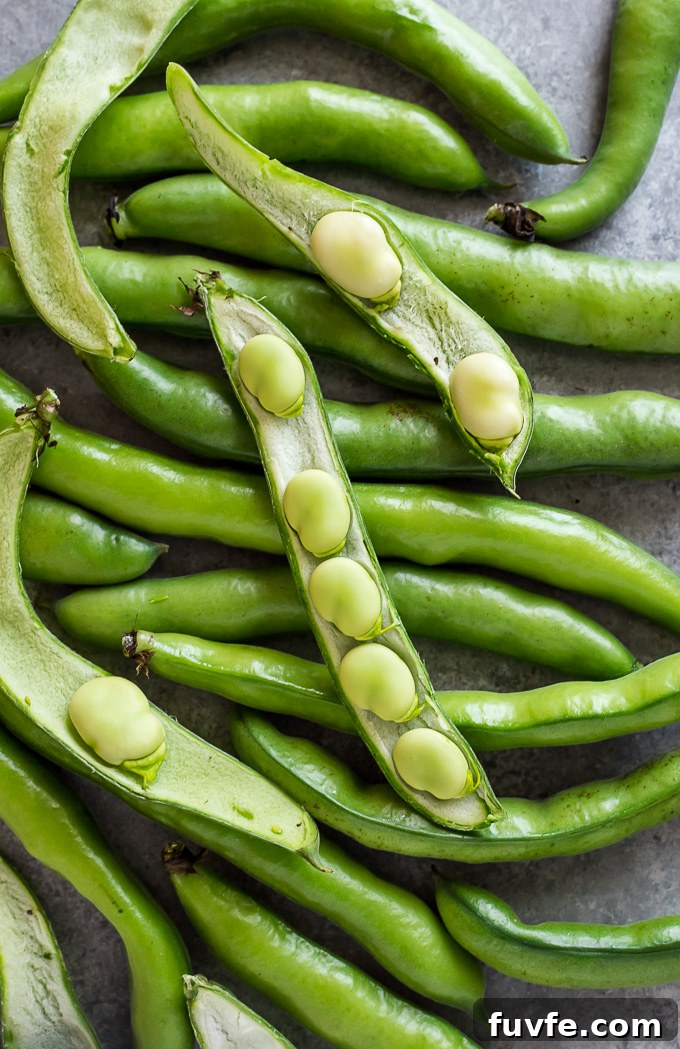
Fava beans, also called broad beans, are members of the pea and bean family. Their pods are large, typically holding three to eight beans each. Historically important across the Mediterranean, they’re a hardy crop that grows well in many climates. Favas are valued not only as food but also as a cover crop, since they add nitrogen to the soil. In the kitchen, their tender texture and fresh flavor make them ideal for salads, spreads, pastas and more.
Yes — fava beans are commonly called broad beans. The Italian term “fava” refers to the same broad, flat bean.
Fava beans are straightforward to grow. They can be planted in fall or early spring depending on your climate and will produce in cool weather. Sow seeds 1–2 inches deep and about 6 inches apart in nutrient-rich soil and full sun. Plants reach 2–5 feet tall and benefit from trellising or support. Regular, moderate watering keeps plants healthy. Harvest pods when they reach roughly 6–8 inches long or about an inch wide for best flavor.
Fava beans are nutrient-dense: they offer protein, fiber, folate and a variety of minerals including iron, magnesium, potassium, copper and phosphorus. They are low in saturated fat and provide an excellent plant-based protein option. They’re also a good source of vitamin B1 (thiamine).
Select pods that are bright green, heavy for their size and free of bruises. Inside, beans should be plump but not bulging. Store pods in the refrigerator crisper in a plastic bag for about 5–7 days. Once shelled, use fresh beans within three days or freeze them for longer storage. You can freeze raw beans with their outer skins intact, or blanch, peel, and freeze cooked beans for best texture when reheated.
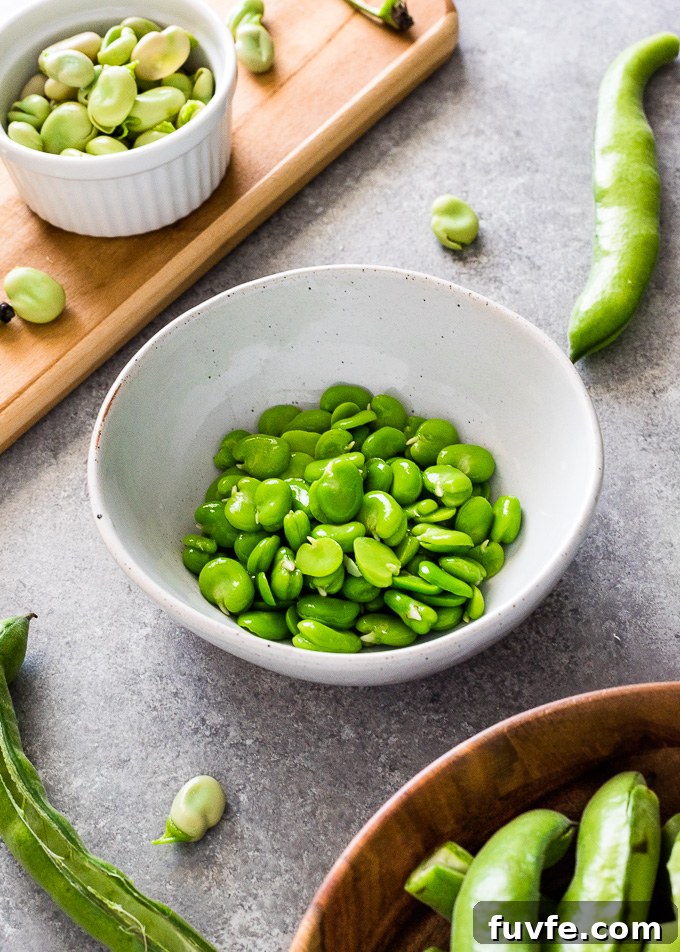
Preparing fava beans takes a bit of time but is simple: shell the pods, blanch the beans briefly, then slip off the inner skins for the brightest color and most tender texture. They cook quickly and work well in advance for dishes like salads, dips and pastas. For a step-by-step guide, look for a post titled “How To Cook Fava Beans” on this site.
If fava beans are not available, fresh lima beans are the closest substitute. Shelled peas or edamame can also work depending on the recipe.
Best Fava Bean Recipes
Fava beans are incredibly versatile. Whether you want a light starter, a fresh salad, or a filling pasta, favas add bright flavor and satisfying texture. Below are a selection of favorite recipes to showcase fava beans in a range of preparations.
From spreads and crostini to risottos and pasta, these recipes make the most of spring’s best beans.
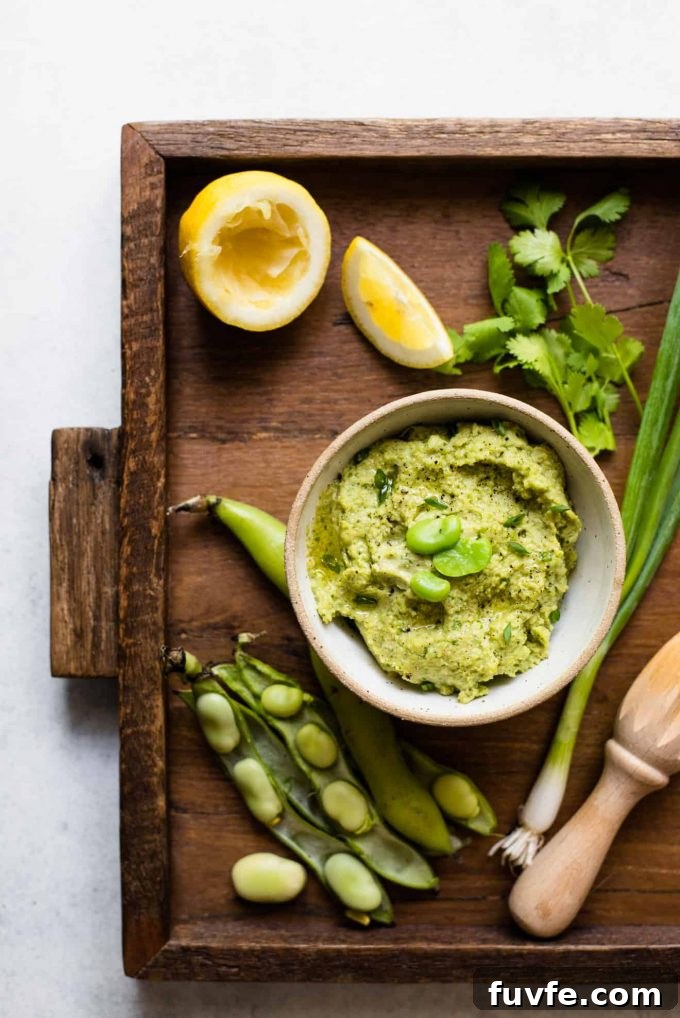
Fava Bean Dip
Get the Recipe
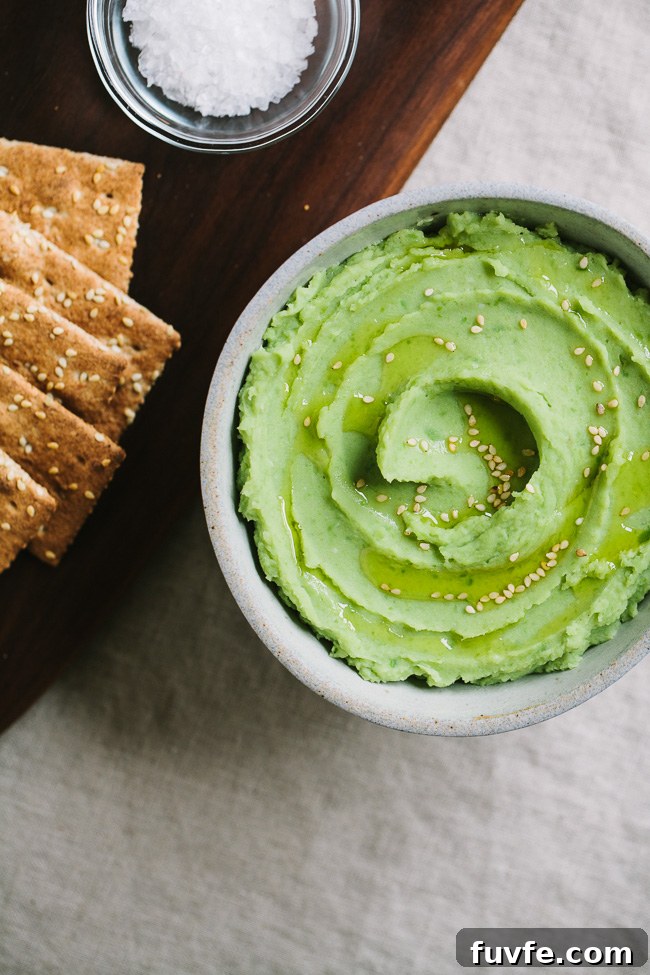
Fava Bean Puree
Get the Recipe
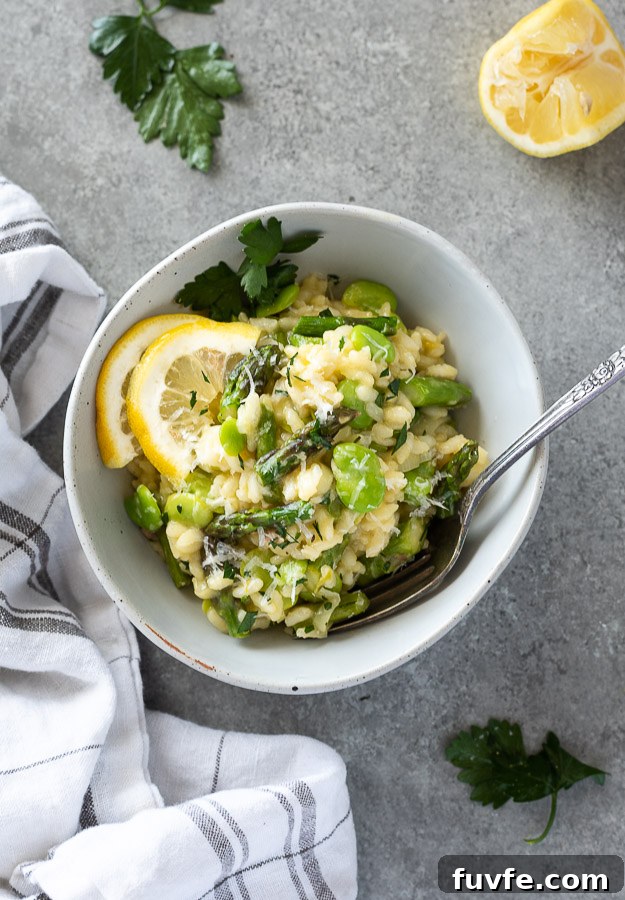
Spring Vegetable Risotto
Get the Recipe
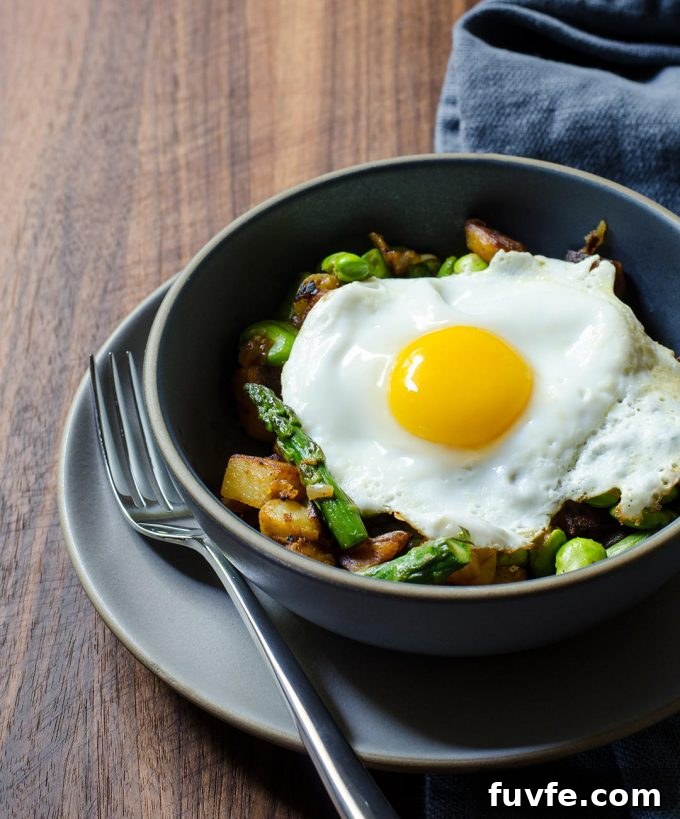
Potato Hash with Asparagus, Fava Beans and Green Garlic
Get the Recipe
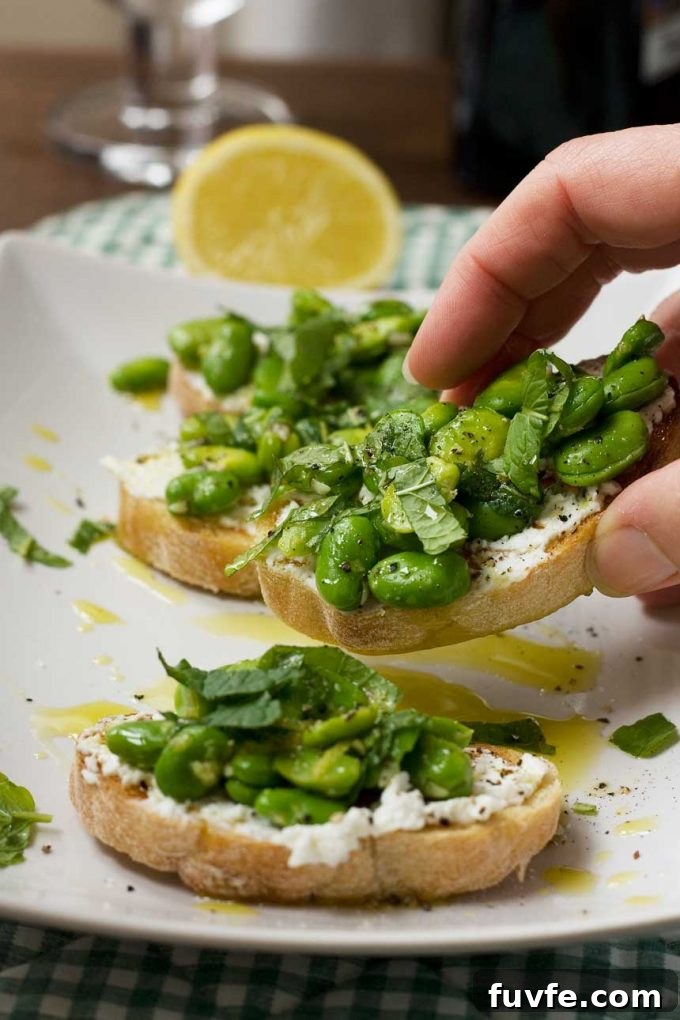
Ricotta on Toast with Fava Beans and Mint
Get the Recipe
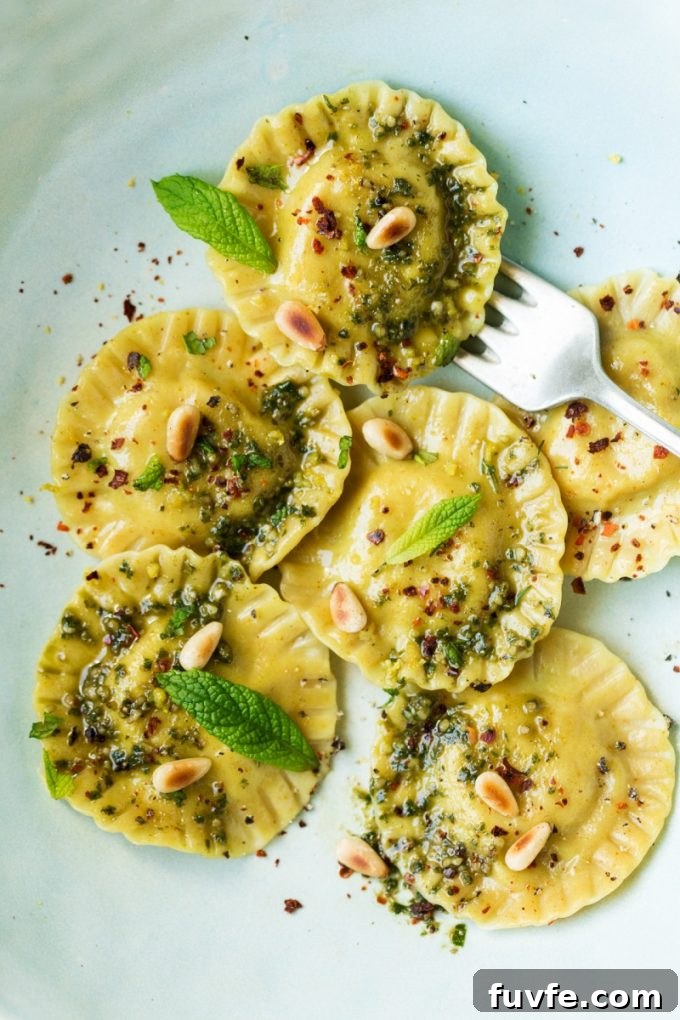
Vegan Ravioli with Fava Beans
Get the Recipe
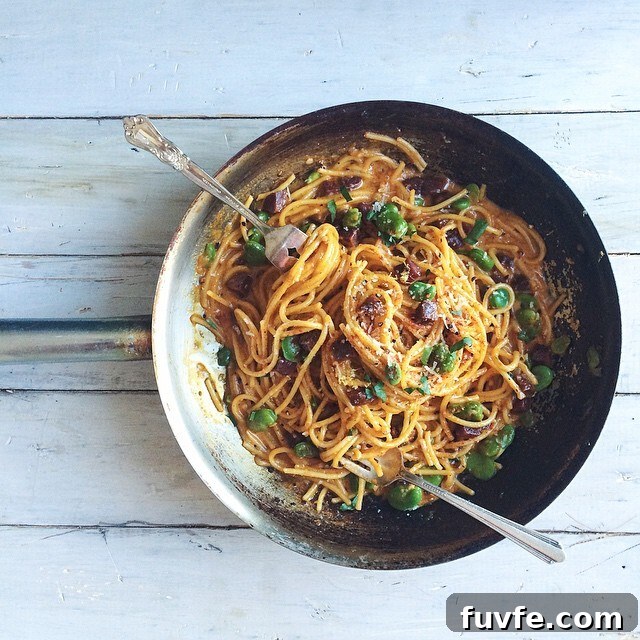
Chorizo Carbonara
Get the Recipe
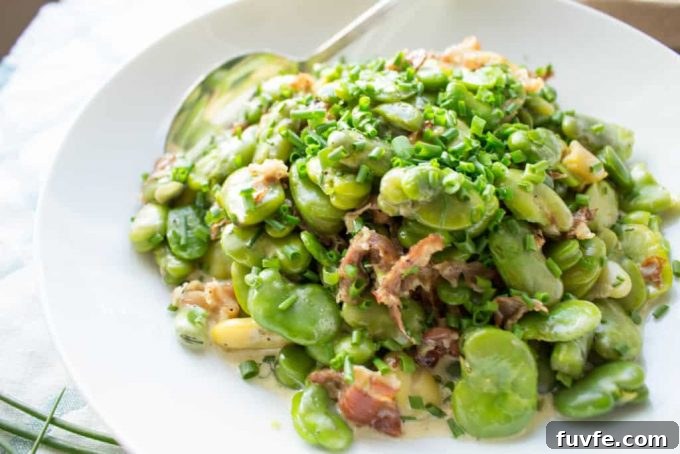
Fava Beans with Prosciutto and Cream
Get the Recipe
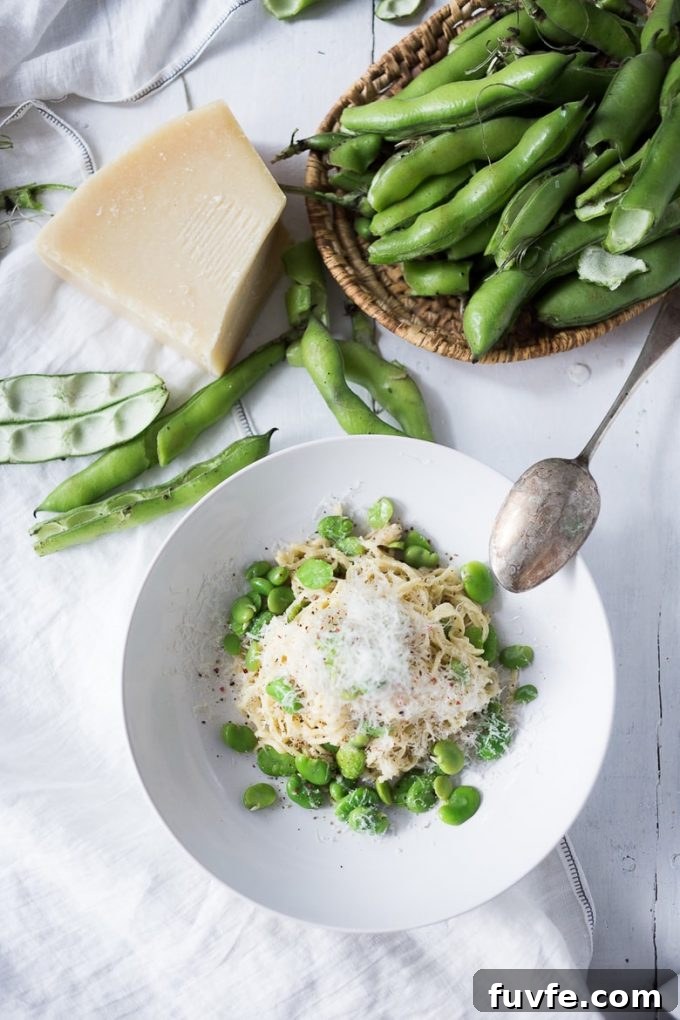
Cacio e Pepe with Fava Beans
Get the Recipe

Breakfast Toast with Fava Bean Spread and Crispy Capicola
Get the Recipe
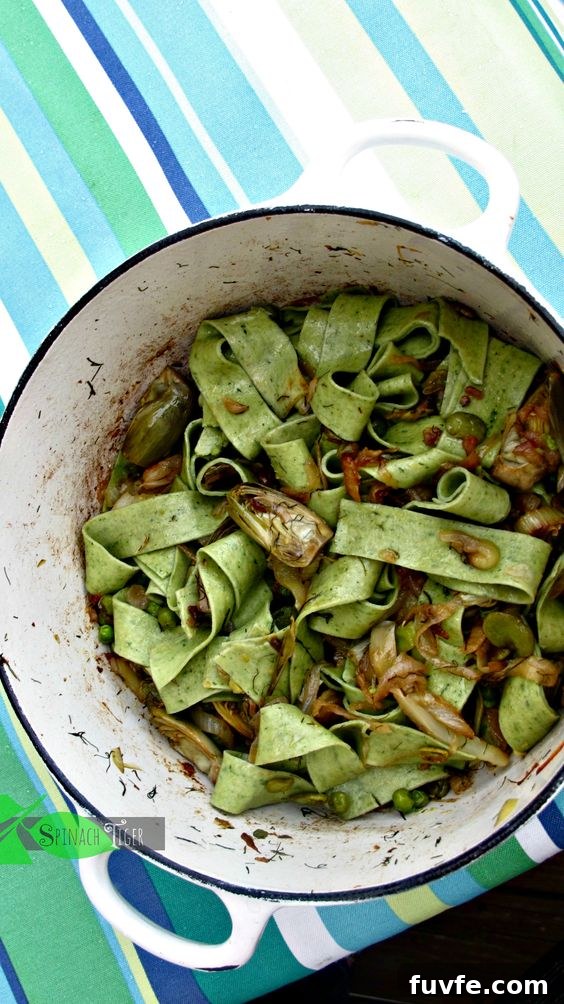
La Fritteda: Pasta with Fava Beans, Fennel and Onions
Get the Recipe
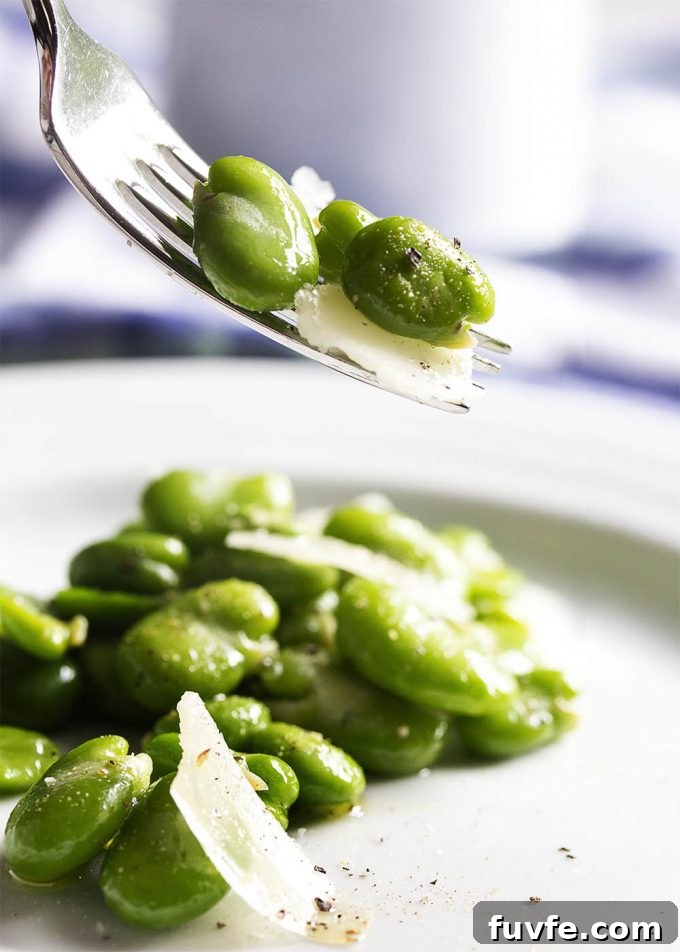
Fresh Fava Bean and Parmesan Salad
Get the Recipe
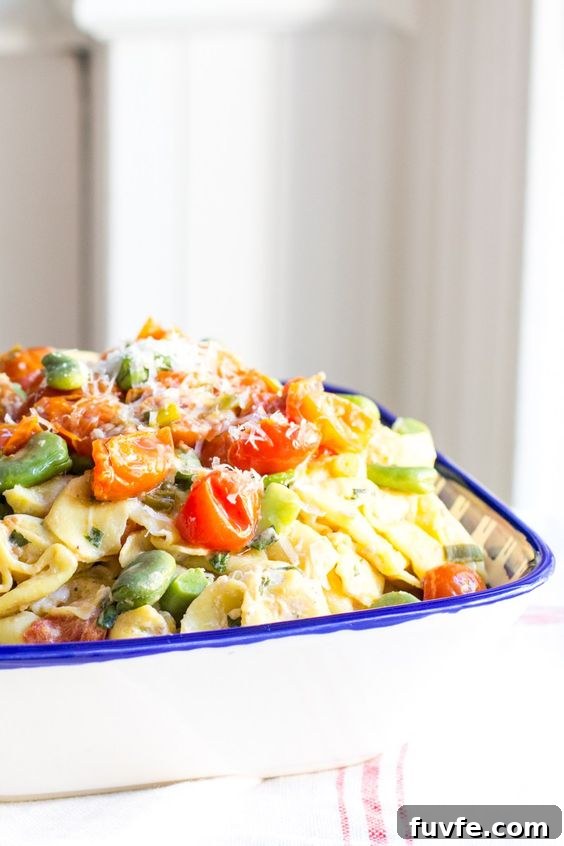
Cheese Tortellini with Herbed Ricotta and Fava Beans
Get the Recipe
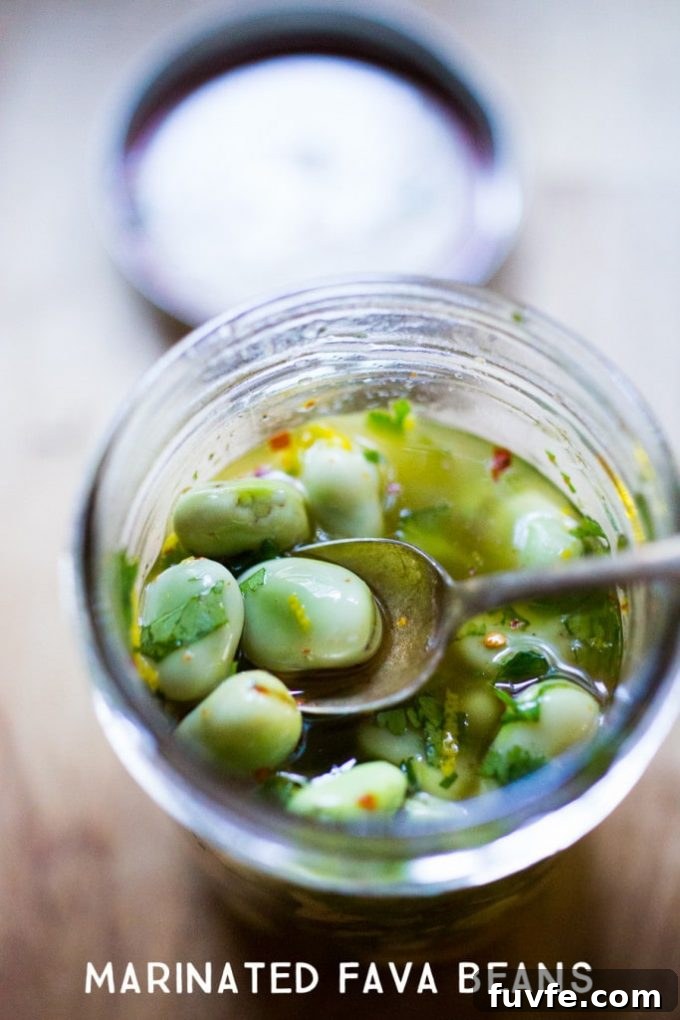
Marinated Fava Beans
Get the Recipe
More seasonal produce recipe collections you’ll love
- April seasonal produce guide
- Leek recipes
- Fennel recipes
- Fig recipes
- Fresh artichokes guide
- Poblano pepper recipes
- March seasonal produce guide
- May seasonal produce guide
- Radish recipes
- Rhubarb recipes
- Tomatillo recipes
- Shishito pepper recipes
- Swiss chard recipes