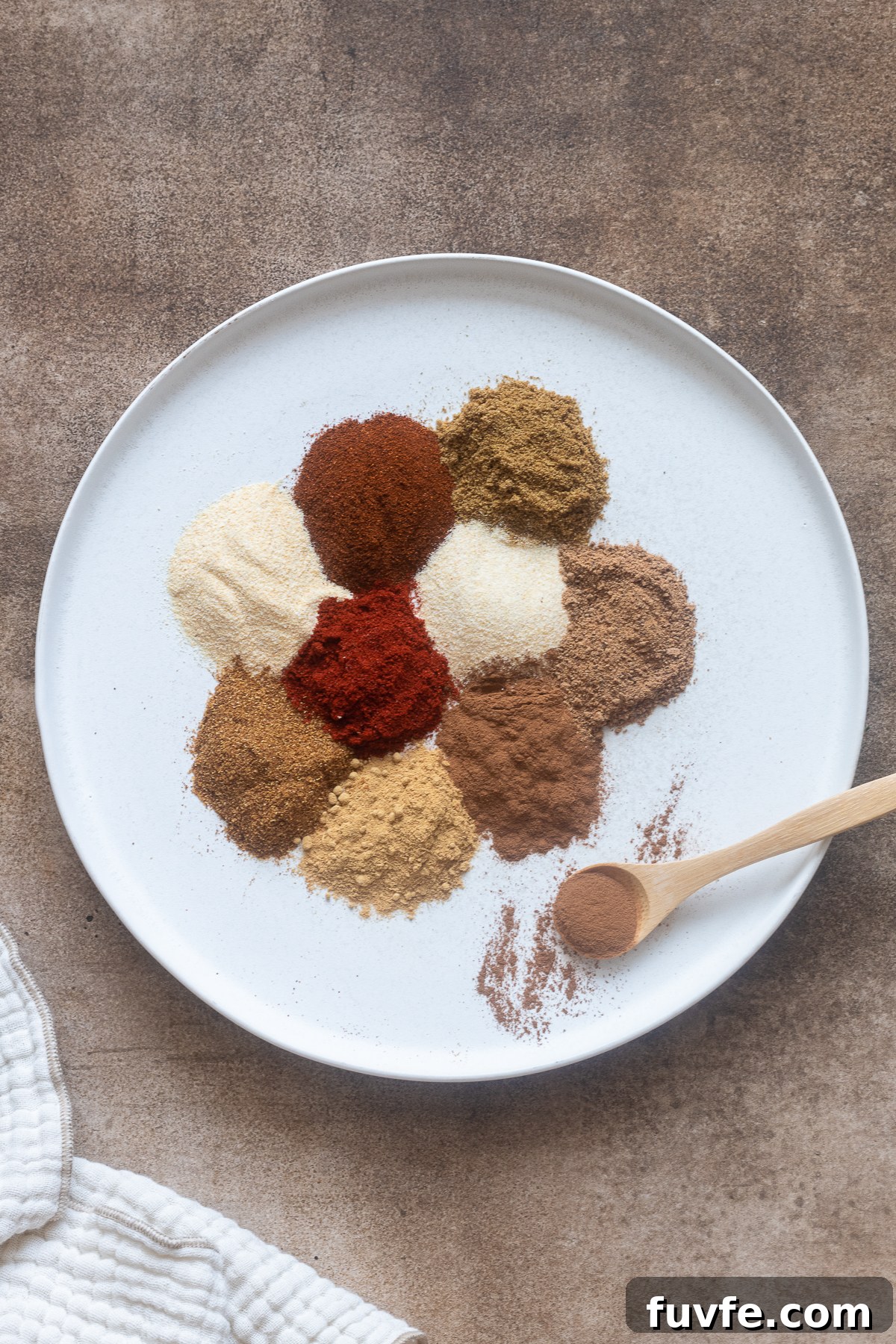
Make every meal more flavorful by stocking your pantry with the right spices. This practical spice guide highlights 10 essential spices to keep in your kitchen, explains their flavor profiles and best uses, and suggests simple recipes where they shine. Whether you’re a beginner or a seasoned cook, you’ll also find a short list of occasional-use spices and eight dried herbs that are worth keeping on hand.
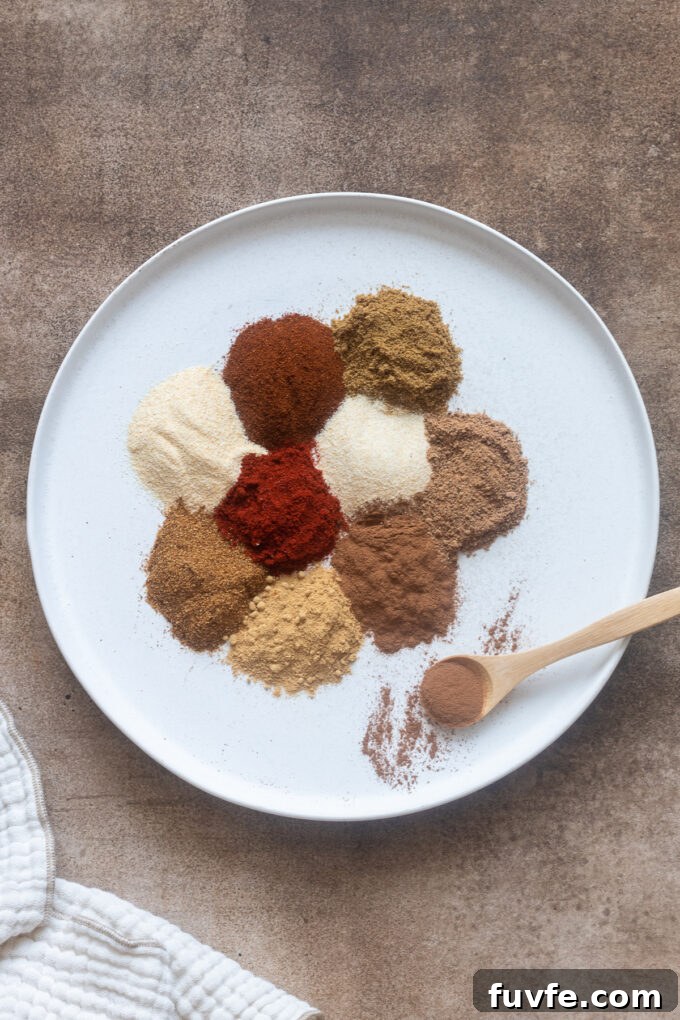
Spices are the foundation of flavor. A pinch or two can elevate simple ingredients into memorable dishes, so a well-organized spice cabinet is one of the best investments for everyday cooking.
This guide focuses on the 10 common spices I reach for most often, plus basic pantry staples like salt and pepper. I also include a handful of extra spices I use occasionally for variety, and a short list of dried herbs that are useful year-round.
Each entry includes a brief description of the flavor, common uses, and examples of recipes where the spice plays well. Use this as a starting point to build confidence with spices and to inspire new flavor combinations.
If you enjoy cooking with herbs, look for my Fresh Herbs Produce Guide for ideas on using fresh herbs in seasonal recipes.
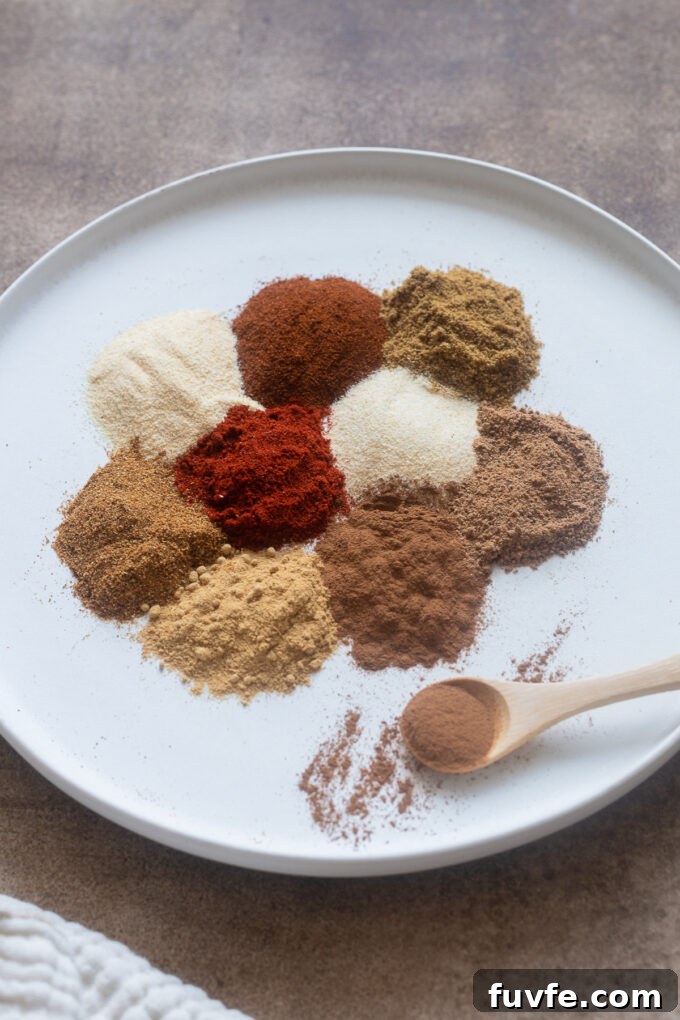
10 Essential Spices for Everyday Cooking
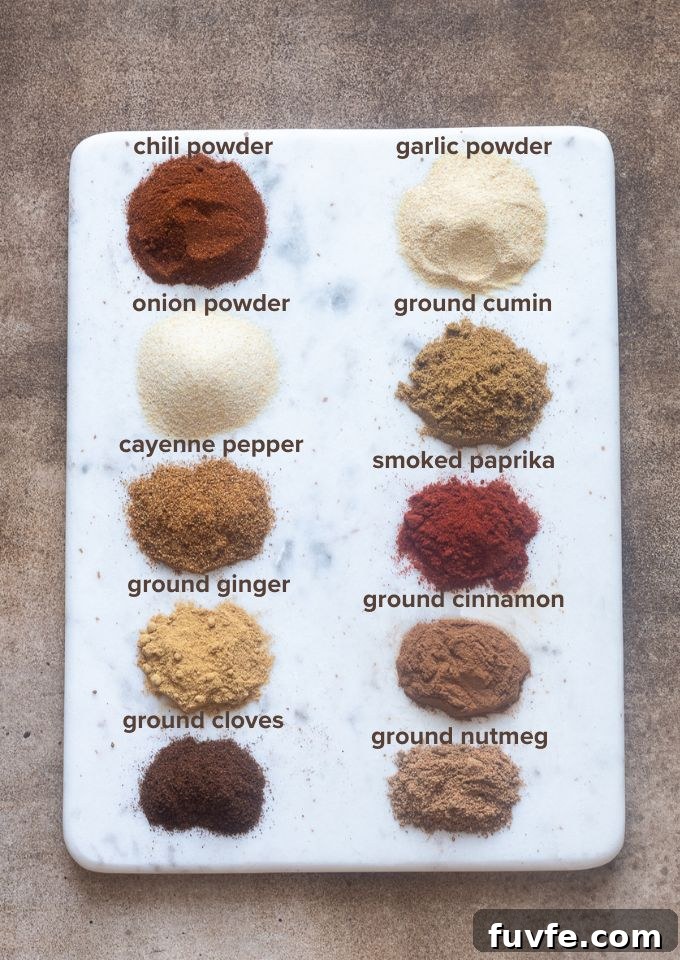
Below are the ten spices I use most often. They’re versatile, pantry-friendly, and cover a wide range of cuisines and cooking styles.
1. Smoked Paprika
- Flavor: Sweet, smoky, earthy.
- Best uses: Roasted vegetables, meat rubs, beans, soups and stews.
- Recipe ideas: air-fryer zucchini fries, grilled tri-tip rubs, hearty cabbage and ground beef casseroles.
2. Chili Powder
- Flavor: Mild heat with smoky, earthy undertones.
- Best uses: Chili, tacos, casseroles and Tex‑Mex dishes.
- Recipe ideas: classic beef chili, roasted sweet potatoes, chili-lime grilled shrimp.
3. Cumin
- Flavor: Warm, earthy and nutty with citrusy notes.
- Best uses: Mexican, Indian and Middle Eastern recipes, beans, soups and spice rubs.
- Recipe ideas: green enchilada chicken soup, grilled pork tenderloin, Mexican-style corn salads.
4. Garlic Powder
- Flavor: Savory, pungent and slightly sweet.
- Best uses: Quick seasoning for vegetables, dressings, marinades and rubs.
- Recipe ideas: crispy smashed potatoes, sheet-pan sausages with peppers and sweet potatoes, roasted broccoli.
5. Onion Powder
- Flavor: Concentrated onion flavor that’s sweet and savory.
- Best uses: Spice blends, soups, marinades and dressings.
- Recipe ideas: air-fryer chicken drumsticks, homemade barbecue sauce, slow-cooked pulled pork.
6. Cayenne Pepper
- Flavor: Bold, concentrated heat.
- Best uses: Pasta sauces, stir-fries, pizzas, casseroles and marinades.
- Recipe ideas: spiced goat-cheese appetizers, maple-rosemary roasted nuts, sautéed leafy greens.
7. Cinnamon
- Flavor: Sweet, woody and warmly aromatic.
- Best uses: Baking, oatmeal, smoothies, some curries and savory stews.
- Recipe ideas: lamb kofta, Moroccan-style soups, classic apple crisp.
8. Nutmeg
- Flavor: Sweet, nutty and slightly peppery.
- Best uses: Baking, creamy sauces, custards and holiday dishes.
- Recipe ideas: parsnip soup and carrot-oat muffins.
9. Ground Ginger
- Flavor: Warm, peppery and mildly sweet.
- Best uses: Baking, stir-fries, curries and marinades.
- Recipe ideas: gingerbread biscotti and classic gingerbread cookies.
10. Cloves
- Flavor: Strong, warm and sweet with a slightly bitter edge.
- Best uses: Baking, spice mixes for holidays, stews and marinades.
- Recipe ideas: pumpkin pie, pumpkin cheesecake and mulled beverages or spice blends.
Pantry Staples: Salt & Pepper
Salt and pepper aren’t spices in the strict sense, but they are indispensable. A few simple options to consider:
- Sea salt: A clean, mineral-forward option that works well for everyday cooking.
- Kosher salt: Coarser grains that dissolve easily and are great for seasoning during cooking.
- Flaky finishing salt: Light, crunchy flakes used as a finishing touch to add texture and brightness.
- Whole peppercorns: Kept in a pepper mill, they provide the freshest, most vibrant heat when freshly cracked.
- Ground black pepper: Convenient for quick seasoning when you need it.
Beyond the Basics: Spices I Use Occasionally
After you’ve stocked the essentials, these additional spices are great for adding variety and depth. Sumac is my top pick among these for bright, lemony flavor.
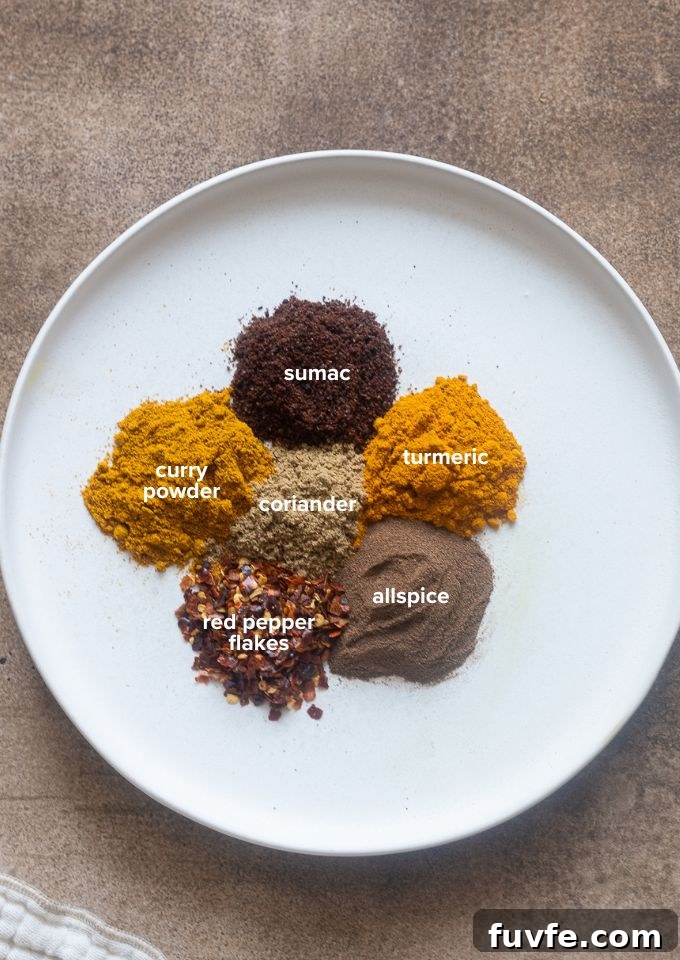
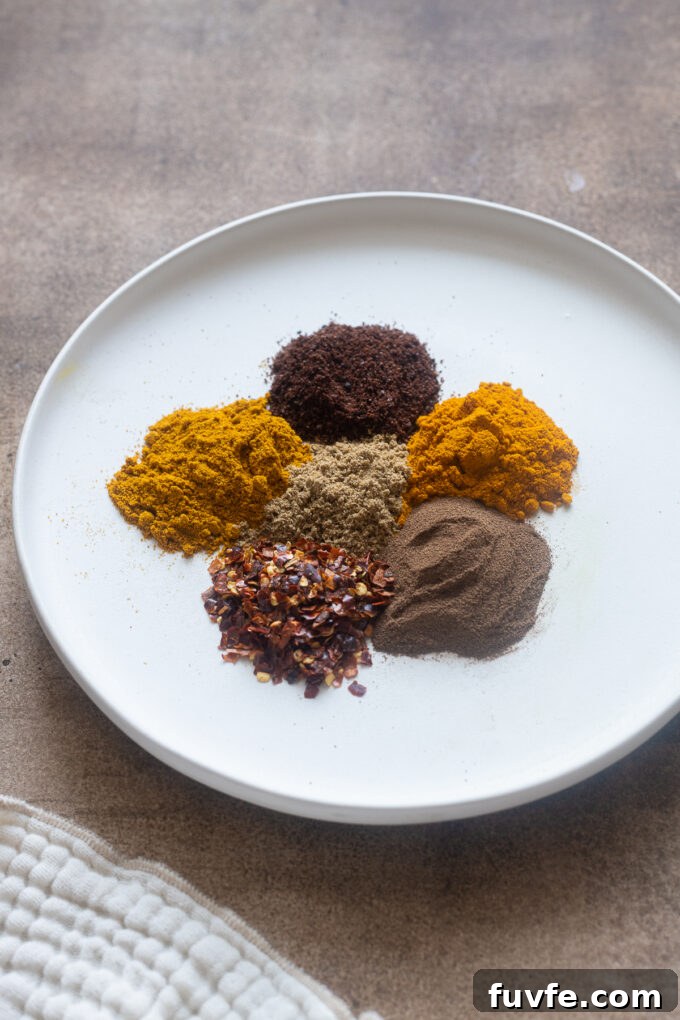
- Turmeric – earthy and golden; works well in curries, soups and wellness beverages like turmeric lattes.
- Sumac – tangy and lemony; excellent on roasted vegetables and Middle Eastern dishes.
- Curry powder – a warm spice blend that adds complex color and flavor to chicken salad, coleslaws and grain bowls.
- Coriander – citrusy and floral; great in spice blends, pickles and with pork or cabbage dishes.
- Allspice – clove-like and sweet; useful in baking, marinades and autumnal recipes.
- Red pepper flakes – crushed dried chiles that add a sharp, lingering heat to pizzas, pastas and sauces.
8 Essential Dried Herbs
Dried herbs are inexpensive, shelf-stable flavor boosters that belong in every pantry. They work especially well in long-simmered dishes where they have time to rehydrate and release their aromas.
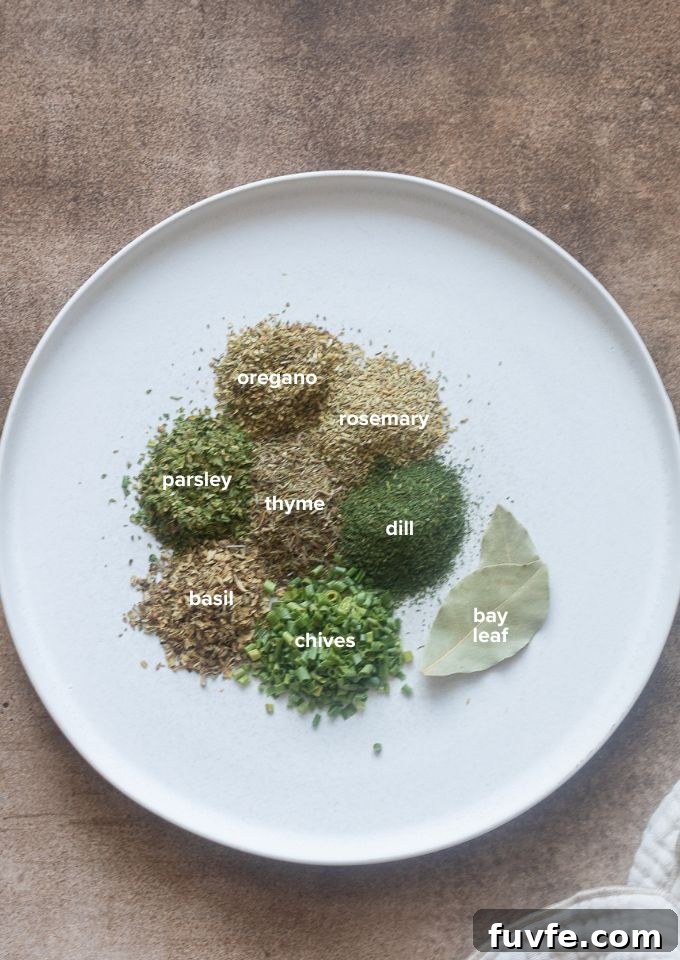
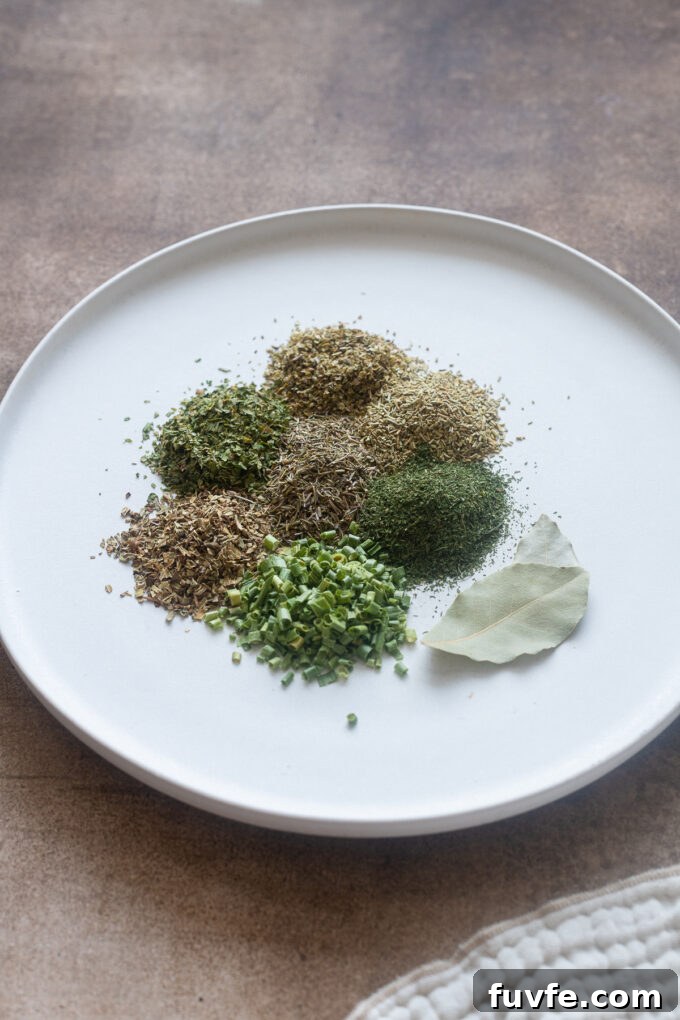
- Bay leaf – adds subtle depth to soups, stews and stocks.
- Oregano – earthy and robust; ideal for Mediterranean and Mexican dishes.
- Thyme – versatile and mild; pairs well with meats, beans and roasted vegetables.
- Rosemary – woody and pine-like; great with roasted meats and potatoes.
- Parsley – mild and slightly grassy; useful for color and a gentle herbal note.
- Basil – more concentrated than fresh basil; best in slow-cooked sauces and stews.
- Dill – grassy with anise notes; handy for dressings, dips and seafood dishes.
- Chives – subtle onion-like flavor that works well as a finishing herb.
Spice Blends You Can Make at Home
With these pantry staples you can mix your own spice blends. Homemade blends are fresher, customizable, and free from unwanted additives.
Some go-to mixes to try:
- Blackened seasoning – bold and smoky for fish, chicken or grilled vegetables.
- BBQ rub – a sweet-and-savory mix for grilled or roasted meats.
- Jamaican jerk – spicy and aromatic for shrimp, chicken or pork.
- Za’atar – an earthy, tangy blend that’s delicious on flatbreads and roasted vegetables (traditionally includes sesame seeds).
- Chai spice mix – warm and cozy for lattes, baked goods and breakfast bowls.
- Pumpkin pie spice – an autumn favorite for pies, pancakes and bars.
- Taco seasoning – a versatile mix for tacos, fajitas and taco bowls.
How to Store Spices
- Keep spices in airtight containers to preserve aroma and flavor.
- Store them away from direct light, heat and humidity.
- Ground spices retain peak flavor for 6–12 months.
- Whole spices can stay fresh up to two years.
- Tip: Buy whole spices when possible and grind them as needed for maximum freshness.
Spice Guide FAQs
The ten essential spices covered here are smoked paprika, chili powder, cumin, garlic powder, onion powder, cayenne pepper, cinnamon, nutmeg, ground ginger and cloves. They’re flexible enough for spice blends, chilis, soups, stews, rubs and baking.
Yes. Salt and pepper are foundational seasonings that enhance other flavors. A selection of sea salt, kosher salt or a flaky finishing salt plus whole peppercorns and ground pepper will cover most needs.
Keep bay leaf, oregano, thyme, rosemary, parsley, basil, dill and chives on hand. They’re versatile and work well in sauces, soups, stews and dressings.
Store spices in airtight containers away from heat and light. Whole spices last longer than ground; buy whole and grind when possible for the best flavor.
Conclusion
Building a useful spice collection is simple: start with the essentials, add reliable salt and pepper options, and expand into occasional-use spices and dried herbs as your tastes evolve. With a few well-chosen jars, you’ll be able to create bold, balanced flavors for dinner any night of the week.
For more ideas on flavoring meals, explore guides and recipes that focus on fresh herbs and practical pantry cooking.